Comprehensive Introduction & Overview
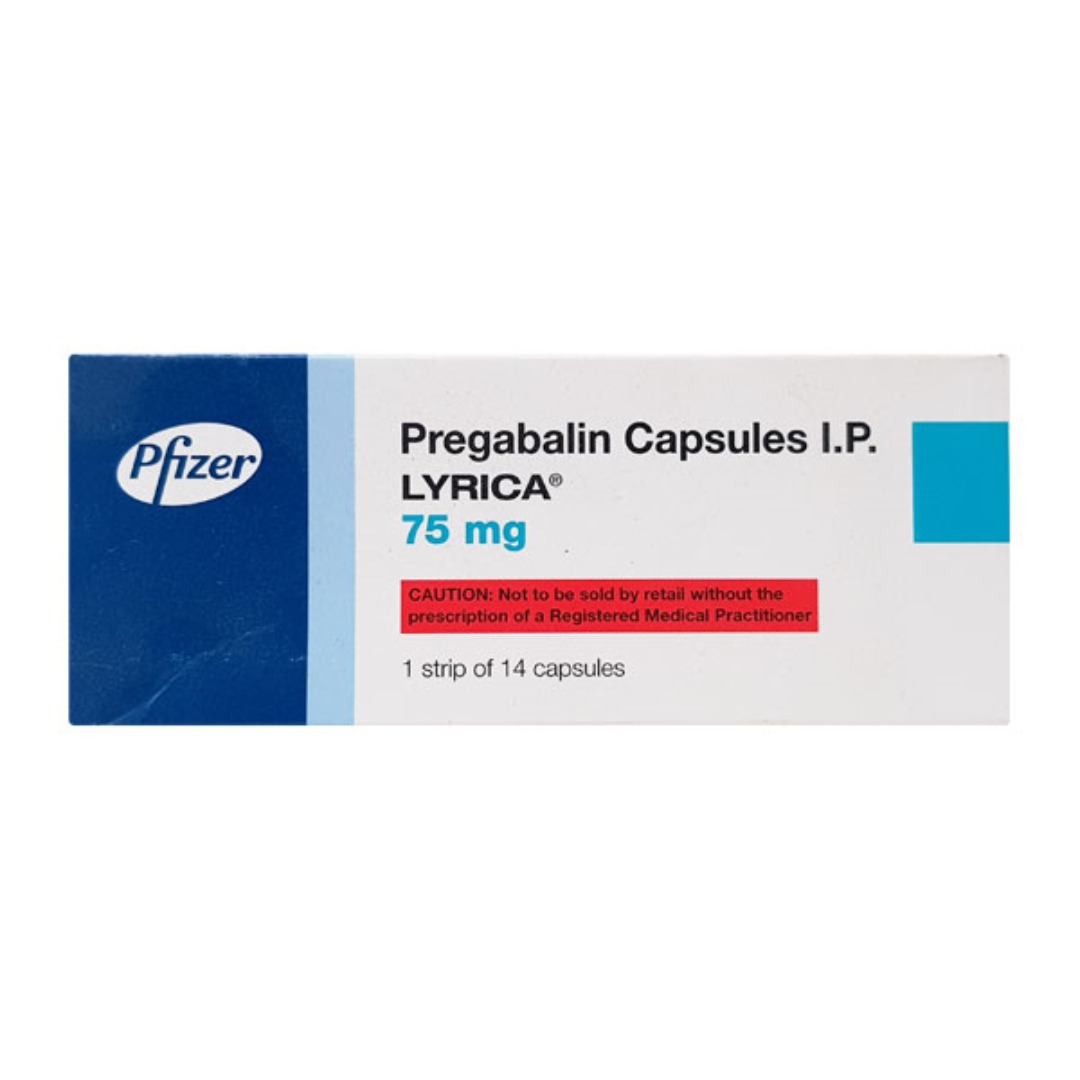
Lyrica, with its generic name pregabalin, is an anticonvulsant and neuropathic pain medication classified as a gabapentinoid. Developed by Pfizer, it gained FDA approval in 2004 for a range of debilitating conditions. As an expert medical SEO copywriter specializing in orthopedics, I recognize Lyrica's significant role in managing chronic pain states that often intersect with orthopedic conditions, such as nerve pain following spinal injuries or post-surgical neuropathies.
Lyrica is a prescription-only medication that has demonstrated efficacy in treating various forms of neuropathic pain, including diabetic peripheral neuropathy, postherpetic neuralgia, and neuropathic pain associated with spinal cord injury. Beyond pain management, it is also approved for the treatment of fibromyalgia, a chronic widespread pain condition, and as adjunctive therapy for partial-onset seizures in adults. Furthermore, Lyrica is utilized in the management of Generalized Anxiety Disorder (GAD).
The medication's unique mechanism of action allows it to modulate overactive nerve signals, providing relief from pain, reducing seizure frequency, and alleviating anxiety symptoms. Due to its potential for side effects, drug interactions, and the necessity of proper dosing, Lyrica must always be prescribed and monitored by a qualified healthcare professional. This comprehensive guide aims to provide an exhaustive resource on Lyrica, covering its scientific underpinnings, clinical applications, safety profile, and practical usage.
Deep-Dive into Technical Specifications & Mechanisms
Understanding how Lyrica works at a molecular level is crucial for appreciating its therapeutic effects and managing its safety profile.
Mechanism of Action (MOA)
Pregabalin's primary mechanism of action involves binding to the alpha-2-delta (α2δ) subunit of voltage-gated calcium channels (VGCCs) located in the central nervous system (CNS). While its precise mechanism in all its indications is not fully elucidated, this binding is thought to be the key driver of its therapeutic effects.
Here's a breakdown of the MOA:
- Target Binding: Pregabalin binds with high affinity to the α2δ subunit, which is an auxiliary subunit of the presynaptic VGCCs.
- Calcium Influx Modulation: By binding to this subunit, pregabalin reduces the influx of calcium into presynaptic nerve terminals.
- Neurotransmitter Release Reduction: This reduction in calcium influx subsequently decreases the release of several excitatory neurotransmitters, including:
- Glutamate
- Norepinephrine (noradrenaline)
- Substance P
- Calcitonin gene-related peptide (CGRP)
- Attenuation of Hyperexcitability: The overall effect is an attenuation of the hyperexcitable neuronal activity that characterizes neuropathic pain, seizures, and anxiety disorders.
- Distinction from GABA: Although pregabalin is a structural analogue of the inhibitory neurotransmitter gamma-aminobutyric acid (GABA), it does not bind directly to GABA-A or GABA-B receptors. It also does not convert to GABA or inhibit GABA uptake or degradation. Its action is distinct from direct GABAergic agonists.
This modulation of neurotransmitter release leads to the analgesic, anxiolytic, and anticonvulsant properties observed with Lyrica.
Pharmacokinetics
The pharmacokinetic profile of pregabalin is relatively straightforward, which contributes to its predictable effects.
- Absorption:
- Pregabalin is rapidly absorbed following oral administration.
- Peak plasma concentrations are typically achieved within 1 hour after single and multiple doses.
- Its oral bioavailability is greater than 90%, and it is dose-proportional across the recommended therapeutic dose range.
- Food delays the time to peak concentration by approximately 2.5 hours but does not significantly affect the extent of absorption (AUC).
- Distribution:
- Pregabalin readily crosses the blood-brain barrier.
- It has low plasma protein binding (less than 1%), which means it is largely unbound and available to exert its effects.
- The apparent volume of distribution after oral administration is approximately 0.56 L/kg.
- Metabolism:
- Pregabalin undergoes negligible metabolism in humans.
- Only a very small fraction (approximately 0.4% of the dose) is metabolized to an N-methylated derivative, which is considered inactive. This lack of significant hepatic metabolism means it has a low potential for drug-drug interactions involving cytochrome P450 enzymes.
- Elimination:
- The primary route of elimination for pregabalin is renal excretion of unchanged drug.
- Approximately 98% of the administered dose is recovered in the urine as unchanged pregabalin.
- The mean elimination half-life is approximately 6.3 hours.
- Because it is almost exclusively eliminated by the kidneys, dose adjustments are necessary for patients with impaired renal function.
Table: Key Pharmacokinetic Parameters of Pregabalin
| Parameter | Value / Description |
|---|---|
| Bioavailability | >90% (oral) |
| Time to Peak Plasma (Tmax) | ~1 hour |
| Protein Binding | <1% |
| Metabolism | Negligible (minimal N-methylated derivative) |
| Elimination Route | Primarily renal excretion (unchanged drug) |
| Elimination Half-life | ~6.3 hours |
| Renal Adjustment | Required for patients with creatinine clearance <60 mL/min |
Extensive Clinical Indications & Usage
Lyrica's broad spectrum of action makes it a valuable therapeutic option for several challenging conditions.
Approved Indications
Lyrica is approved by the FDA for the following indications in adults:
- Neuropathic Pain:
- Diabetic Peripheral Neuropathy (DPN): Management of pain associated with nerve damage due to diabetes. This condition often manifests as burning, tingling, or shooting pain, particularly in the extremities.
- Postherpetic Neuralgia (PHN): Treatment of nerve pain that persists after a shingles (herpes zoster) rash has healed. PHN can be severely debilitating, characterized by burning, aching, or shock-like pain.
- Spinal Cord Injury (SCI)-Associated Neuropathic Pain: Management of chronic nerve pain originating from damage to the spinal cord. This pain can be localized at or below the level of injury and often has a burning or tingling quality.
- Fibromyalgia: Treatment of widespread chronic pain, fatigue, sleep disturbances, and cognitive dysfunction characteristic of fibromyalgia syndrome. Lyrica was one of the first medications approved specifically for this condition.
- Generalized Anxiety Disorder (GAD): Management of GAD, characterized by excessive, uncontrollable worry about various events or activities, accompanied by symptoms such as restlessness, fatigue, difficulty concentrating, irritability, muscle tension, and sleep disturbance.
- Adjunctive Therapy for Partial-Onset Seizures in Adults: Used in combination with other anti-epileptic drugs (AEDs) for patients experiencing partial-onset seizures, which originate in one area of the brain.
Off-Label Uses
While not FDA-approved for these conditions, Lyrica is sometimes prescribed off-label for:
- Chronic low back pain (especially with neuropathic features)
- Sciatica
- Restless Legs Syndrome
- Migraine prophylaxis
- Alcohol withdrawal syndrome
It is important to emphasize that off-label use should be based on robust clinical evidence and the prescribing physician's careful judgment, considering individual patient needs and potential risks.
Dosage Guidelines
Dosing of Lyrica must be individualized based on the patient's condition, response, and renal function. It is crucial to start at a low dose and titrate gradually to minimize side effects and optimize efficacy. Discontinuation should always involve tapering.
Table: Recommended Dosage Guidelines for Lyrica
| Indication | Initial Dose (mg/day) | Target Dose (mg/day) | Max Dose (mg/day) | Dosing Frequency | Notes |
|---|---|---|---|---|---|