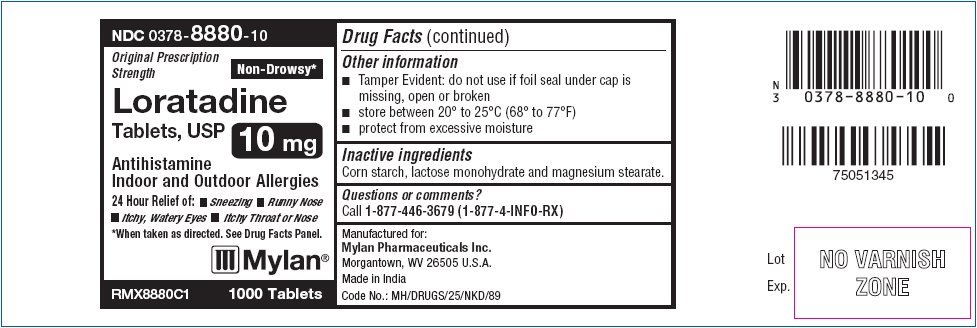
Loratadine: The Definitive Medical SEO Guide for Allergy Relief
Comprehensive Introduction & Overview
Loratadine is a widely recognized and extensively used medication primarily employed for the relief of allergy symptoms. As a second-generation antihistamine, it stands out for its effectiveness in alleviating the discomfort associated with various allergic conditions while minimizing the sedative effects commonly seen with older antihistamine compounds. This characteristic has earned it the reputation of being a "non-drowsy" antihistamine, making it a preferred choice for individuals who need to maintain alertness throughout the day.
Available over-the-counter (OTC) under various brand names such as Claritin, Alavert, and others, Loratadine offers accessible relief for millions suffering from seasonal and perennial allergies. It effectively targets symptoms like sneezing, runny nose, itchy or watery eyes, and an itchy throat or nose. Beyond respiratory allergies, it is also a cornerstone in the management of skin conditions such as chronic idiopathic urticaria (hives), providing significant relief from itching and reducing the size and number of hives.
The development of second-generation antihistamines like Loratadine marked a significant advancement in allergy treatment. By selectively targeting peripheral H1 histamine receptors with minimal penetration into the central nervous system, Loratadine delivers potent anti-allergic action where it's needed most, without the burden of significant cognitive impairment or drowsiness that often accompanies first-generation antihistamines. This guide will delve into the intricate details of Loratadine, covering its technical specifications, clinical applications, safety profile, and practical considerations for its use.
Deep-Dive into Technical Specifications & Mechanisms
Understanding how Loratadine works at a molecular level provides insight into its efficacy and favorable side effect profile.
Mechanism of Action
Loratadine exerts its therapeutic effects primarily through its action as a selective peripheral H1-receptor antagonist. Histamine, a naturally occurring compound, plays a crucial role in allergic reactions. When an allergen triggers an immune response, mast cells and basophils release histamine. This histamine then binds to H1 receptors located on various cells throughout the body, leading to the classic symptoms of an allergic reaction:
* Vascular permeability: Leading to swelling and redness.
* Smooth muscle contraction: Causing bronchoconstriction (in asthma) and gastrointestinal spasms.
* Nerve stimulation: Resulting in itching and pain.
* Glandular secretion: Contributing to runny nose and watery eyes.
Loratadine, along with its active metabolite desloratadine, competitively binds to these peripheral H1 receptors, thereby blocking histamine from binding and activating them. This competitive antagonism prevents or reduces the cascade of events that lead to allergic symptoms. Crucially, Loratadine has a low affinity for central nervous system (CNS) H1 receptors and other receptor types (e.g., muscarinic, adrenergic, serotonergic), which explains its non-sedating nature and lack of significant anticholinergic side effects compared to older antihistamines. Its high selectivity for peripheral H1 receptors is a key differentiator, contributing to its generally well-tolerated profile.
Pharmacokinetics
The pharmacokinetic profile of Loratadine describes how the body processes the medication, from absorption to elimination.
-
Absorption:
- Loratadine is rapidly and well-absorbed from the gastrointestinal tract following oral administration.
- Peak plasma concentrations (Tmax) of loratadine are typically reached within 1 to 1.5 hours.
- Peak plasma concentrations of its active metabolite, desloratadine, are generally achieved within 2.5 hours.
- Food intake can delay the Tmax of loratadine and desloratadine by approximately 1 hour, but it does not significantly affect the extent of absorption (AUC).
-
Distribution:
- Loratadine is highly bound to plasma proteins (approximately 97% to 99%).
- Desloratadine is also highly protein-bound (approximately 85% to 87%).
- Its low lipophilicity and high plasma protein binding contribute to its limited penetration across the blood-brain barrier, which is a major factor in its non-sedating property.
-
Metabolism:
- Loratadine undergoes extensive first-pass metabolism in the liver.
- It is primarily metabolized by the cytochrome P450 (CYP) enzyme system, specifically by CYP3A4 and CYP2D6.
- The primary and most pharmacologically active metabolite is descarboethoxyloratadine, commonly known as desloratadine. Desloratadine is responsible for a significant portion of Loratadine's clinical effect.
- Other minor metabolites are also formed.
-
Elimination:
- Both loratadine and desloratadine are eliminated from the body via both urinary and fecal excretion pathways.
- Approximately 40% of the dose is excreted in the urine and 42% in the feces over a 10-day period.
- The elimination half-life of loratadine is approximately 8.4 hours (ranging from 3 to 20 hours).
- The elimination half-life of its active metabolite, desloratadine, is considerably longer, averaging about 28 hours (ranging from 8.8 to 92 hours). This extended half-life supports once-daily dosing.
- In patients with chronic renal impairment, the AUC and peak plasma levels of both loratadine and desloratadine are increased.
- In patients with chronic hepatic impairment, the AUC and peak plasma levels of both loratadine and desloratadine are significantly increased, and the elimination half-lives are prolonged. Dosage adjustments are necessary in these populations.
Extensive Clinical Indications & Usage
Loratadine is approved for the management of various allergic conditions in both adults and children. Its broad utility stems from its ability to effectively alleviate a range of uncomfortable symptoms.
Detailed Indications
Loratadine is primarily indicated for the symptomatic relief of:
-
Seasonal Allergic Rhinitis (Hay Fever):
- This condition is triggered by airborne allergens such as pollen from trees, grasses, and weeds, and fungal spores, which vary seasonally.
- Symptoms include sneezing, rhinorrhea (runny nose), nasal pruritus (itchy nose), ocular pruritus (itchy eyes), tearing (watery eyes), and redness of the eyes. Loratadine provides significant relief from these common and often debilitating symptoms.
-
Perennial Allergic Rhinitis:
- Similar to seasonal allergic rhinitis, but the allergens are present year-round. Common triggers include dust mites, pet dander, mold, and cockroach allergens.
- Loratadine helps manage the chronic symptoms associated with this condition, offering consistent relief from nasal congestion, sneezing, and ocular irritation.
-
Chronic Idiopathic Urticaria (Hives):
- Urticaria is characterized by the sudden appearance of itchy, raised welts (hives) on the skin. When these hives occur daily or almost daily for six weeks or more without an identifiable cause, it's termed chronic idiopathic urticaria.
- Loratadine is highly effective in reducing the pruritus (itching) associated with hives and can also decrease the number and size of the wheals, significantly improving the quality of life for affected individuals.
Dosage Guidelines
Accurate dosing is crucial for optimal efficacy and safety. Loratadine is typically taken once daily.
| Patient Population | Recommended Dose | Frequency |
|---|---|---|
| Adults & Children ≥ 6 years | 10 mg | Once daily |
| Children 2 to 5 years | 5 mg | Once daily |
| Children < 2 years | Not recommended without specific physician consultation, safety and efficacy not established. | N/A |
| Patients with Hepatic Impairment | 10 mg | Every other day |
| Patients with Renal Impairment (GFR < 30 mL/min) | 10 mg | Every other day |
| Elderly Patients | No dosage adjustment typically needed, but use with caution and monitor for adverse effects. | Once daily |
Administration:
* Loratadine can be taken with or without food.
* It is available in various formulations, including tablets, orally disintegrating tablets (ODT), and syrup, offering flexibility for different patient preferences and needs.
* For orally disintegrating tablets, place the tablet on the tongue and allow it to dissolve before swallowing with or without water.
* For liquid formulations, use an accurate measuring device (e.g., an oral syringe or dosing spoon) to ensure the correct dose is administered, especially for children.
Risks, Side Effects, or Contraindications
While Loratadine is generally well-tolerated, it is important to be aware of potential side effects, contraindications, and drug interactions.
Common Side Effects
The incidence of side effects with Loratadine is generally low, and most are mild and transient.
* Headache: The most commonly reported side effect, similar to placebo rates in some studies.
* Somnolence (Drowsiness): While marketed as non-drowsy, a small percentage of individuals may experience mild sedation. This is significantly less common and less severe than with first-generation antihistamines.
* Fatigue: General tiredness or lack of energy.
* Dry Mouth: A common anticholinergic-like effect, though less pronounced than with first-generation agents.
* Nervousness: Particularly in children.
* Nosebleed (Epistaxis): More frequently reported in pediatric patients.
* Abdominal Pain: Also more frequently reported in pediatric patients.
* Diarrhea: Can occur, particularly in children.
* Pharyngitis: Sore throat.
* Flu-like symptoms.
Less Common but Serious Side Effects
Although rare, some more serious adverse events have been reported:
* Hypersensitivity Reactions: Including rash, urticaria, pruritus, angioedema (swelling of the face, lips, tongue, or throat), and very rarely, anaphylaxis. Seek immediate medical attention if signs of a severe allergic reaction occur.
* Hepatotoxicity: Very rare cases of abnormal liver function including jaundice, hepatitis, and hepatic necrosis have been reported. Discontinue use if signs of liver dysfunction develop.
* Cardiovascular Effects: Tachycardia (rapid heartbeat) and palpitations have been reported rarely.
* Seizures: Extremely rare.
Contraindications
Loratadine is contraindicated in individuals with:
* Hypersensitivity: Known hypersensitivity to loratadine, desloratadine, or any component of the formulation. A history of allergic reaction to one may indicate a cross-sensitivity to the other.
Drug Interactions
Loratadine is metabolized by the cytochrome P450 enzymes CYP3A4 and CYP2D6. Concomitant use with drugs that inhibit these enzymes can increase plasma concentrations of loratadine and desloratadine, potentially leading to an increased incidence of adverse effects.
| Interacting Drug/Class | Effect on Loratadine | Clinical Implication |
|---|---|---|
| Ketoconazole | Increased plasma concentrations of loratadine and desloratadine | Potential for increased side effects (e.g., headache, somnolence, cardiac effects) |
| Erythromycin | Increased plasma concentrations of loratadine and desloratadine | Potential for increased side effects |
| Cimetidine | Increased plasma concentrations of loratadine and desloratadine | Potential for increased side effects |
| Quinidine | Potential for increased plasma concentrations | Monitor for adverse effects |
| Fluoxetine | Potential for increased plasma concentrations | Monitor for adverse effects |
| Alcohol | No significant potentiation of alcohol effects | Generally safe to consume alcohol in moderation, but individual responses vary. Alcohol can worsen allergy symptoms. |
| CNS Depressants | No significant potentiation of CNS depressant effects | Unlike first-generation antihistamines, loratadine does not significantly enhance the sedative effects of other CNS depressants. |
| Grapefruit Juice | May slightly increase loratadine levels, but generally not considered clinically significant. | No specific dietary restrictions usually required. |
Important Note: Always inform your healthcare provider about all medications, supplements, and herbal products you are currently taking to identify potential interactions.
Warnings and Precautions
- Hepatic Impairment: Patients with severe liver impairment should use Loratadine with caution. A reduced starting dose (e.g., 10 mg every other day) is recommended to avoid accumulation and potential adverse effects.
- Renal Impairment: Patients with severe renal impairment (glomerular filtration rate < 30 mL/min) should also use Loratadine with caution and may require a reduced dose (e.g., 10 mg every other day).
- Elderly Patients: While generally well-tolerated, elderly patients may be more susceptible to adverse effects. No specific dose adjustment is typically needed, but careful monitoring is advised, especially in those with co-morbidities or polypharmacy.
- Allergy Skin Tests: Antihistamines, including Loratadine, can inhibit the wheal and flare reactions to skin test antigens. It is recommended to discontinue Loratadine at least 48 hours (or longer, as advised by a physician) before undergoing allergy skin testing to prevent false-negative results.
Pregnancy and Lactation Warnings
-
Pregnancy:
- Pregnancy Category B: Animal reproduction studies have not demonstrated a risk to the fetus, but there are no adequate and well-controlled studies in pregnant women.
- Loratadine is generally considered to be a low-risk option for allergy relief during pregnancy, especially in the second and third trimesters. However, it should be used only if clearly needed and the potential benefits justify the potential risks to the fetus.
- Always consult a healthcare provider before using any medication during pregnancy.
-
Lactation (Breastfeeding):
- Loratadine and its active metabolite, desloratadine, are excreted into breast milk.
- Due to the potential for adverse reactions in breastfed infants (e.g., irritability, drowsiness, feeding difficulties), the use of Loratadine is generally not recommended during breastfeeding.
- A decision should be made whether to discontinue nursing or to discontinue the drug, taking into account the importance of the drug to the mother.
- Alternative antihistamines that are considered safer during lactation may be recommended by a physician.
Overdose Management
Accidental or intentional overdose of Loratadine can occur, though it is generally not considered life-threatening in healthy adults.
Symptoms of Overdose
In adults, symptoms of overdose are typically mild and may include:
* Somnolence (Drowsiness): The most common symptom.
* Tachycardia (Rapid Heartbeat): An increase in heart rate.
* Headache: Can be severe.
In children, overdose symptoms can be more pronounced and may include:
* Extrapyramidal Symptoms: Involuntary muscle movements, tremors, or rigidity.
* Palpitations: Sensation of a racing or pounding heart.
* Somnolence.
Treatment of Overdose
Management of Loratadine overdose is primarily symptomatic and supportive. There is no specific antidote.
1. Immediate Medical Attention: Contact a poison control center or seek emergency medical care immediately.
2. Gastric Decontamination:
* If ingestion is recent (within 1-2 hours) and the patient is conscious and alert, induction of emesis (vomiting) may be considered, but generally, it's not recommended due to aspiration risk.
* Administration of activated charcoal (with or without a cathartic) can help absorb the drug and reduce its systemic absorption.
* Gastric lavage may be considered in severe cases, especially if a large amount was ingested recently.
3. Supportive Care:
* Monitor vital signs, including heart rate, blood pressure, and respiratory rate.
* Provide supportive measures as clinically indicated.
* Electrocardiogram (ECG) monitoring may be warranted to assess for cardiac abnormalities, particularly if tachycardia is present.
4. Hemodialysis: Loratadine and desloratadine are not effectively removed by hemodialysis.
5. Observation: Patients should be observed for a sufficient period to ensure resolution of symptoms.
Massive FAQ Section
Q1: Is Loratadine a prescription medication?
A1: In many countries, including the United States, Loratadine is available over-the-counter (OTC) without a prescription. It is widely accessible in pharmacies, supermarkets, and drugstores. Some higher-dose or combination formulations might still require a prescription in certain regions.
Q2: How quickly does Loratadine work, and how long do its effects last?
A2: Loratadine typically starts to work within 1 to 3 hours after taking a dose. The full anti-allergic effect is usually observed within 8 to 12 hours. Once daily, its effects last for a full 24 hours, providing continuous relief throughout the day and night.
Q3: Can Loratadine make you drowsy, even though it's marketed as "non-drowsy"?
A3: While Loratadine is classified as a "non-drowsy" antihistamine because it causes significantly less sedation than older first-generation antihistamines, a small percentage of individuals may still experience mild drowsiness or fatigue. If you experience drowsiness, it's advisable to avoid driving or operating heavy machinery until you know how the medication affects you.
Q4: Is Loratadine safe for children?
A4: Yes, Loratadine is generally safe for children aged 2 years and older when used according to the recommended dosage guidelines. For children aged 2 to 5 years, the typical dose is 5 mg once daily. For children 6 years and older, the adult dose of 10 mg once daily applies. For children under 2 years, use should only be under the guidance of a physician.
Q5: Can I take Loratadine with other allergy medications, like decongestants?
A5: You should avoid taking Loratadine with other oral antihistamines, as this can increase the risk of side effects without providing additional benefit. However, Loratadine is often combined with decongestants (e.g., pseudoephedrine) in specific formulations (e.g., Claritin-D) to address nasal congestion. If you are taking separate medications, consult your doctor or pharmacist before combining them to ensure safety and avoid potential interactions or excessive dosing.
Q6: What is the difference between Loratadine and Desloratadine?
A6: Desloratadine (e.g., Clarinex) is the active metabolite of Loratadine. This means that when you take Loratadine, your body metabolizes it into desloratadine, which is primarily responsible for the antihistaminic effect. Desloratadine is also a second-generation, non-drowsy antihistamine. While both are effective, desloratadine generally has a faster onset of action and a slightly longer half-life, and in some cases, may be considered slightly more potent. Desloratadine is typically available by prescription only.
Q7: Can Loratadine be taken long-term for chronic allergy conditions?
A7: Yes, Loratadine can be taken long-term for chronic conditions such as perennial allergic rhinitis or chronic idiopathic urticaria, under the guidance of a healthcare professional. Its favorable safety profile and once-daily dosing make it suitable for ongoing management of chronic allergy symptoms. Regular follow-up with your doctor is recommended to assess continued need and efficacy.
Q8: What should I do if I miss a dose of Loratadine?
A8: If you miss a dose, take it as soon as you remember. However, if it is almost time for your next scheduled dose, skip the missed dose and resume your regular dosing schedule. Do not double the dose to catch up, as this can increase the risk of side effects.
Q9: Does Loratadine interact with alcohol?
A9: Unlike first-generation antihistamines, Loratadine does not significantly potentiate the effects of alcohol or other central nervous system depressants. This means that consuming alcohol in moderation while taking Loratadine is generally considered safe. However, individual responses can vary, and alcohol itself can sometimes exacerbate allergy symptoms or cause drowsiness, so caution is always advised.
Q10: Can Loratadine cause weight gain?
A10: No, Loratadine is not typically associated with weight gain. Unlike some older antihistamines that can stimulate appetite and lead to weight gain, second-generation antihistamines like Loratadine have not shown this side effect in clinical studies.
Q11: How should Loratadine be stored?
A11: Loratadine tablets and syrup should be stored at room temperature, typically between 20°C to 25°C (68°F to 77°F). Keep it in a dry place, away from excessive moisture and heat, and out of direct sunlight. Always store medication out of the reach of children and pets.
Q12: Does Loratadine affect allergy skin testing results?
A12: Yes, Loratadine can interfere with the results of allergy skin tests by preventing the typical "wheal and flare" reaction to allergens. It is generally recommended to stop taking Loratadine at least 48 hours (or sometimes up to 4 days, depending on specific clinic protocols) before undergoing allergy skin testing to ensure accurate results. Always consult with your allergist for specific instructions.