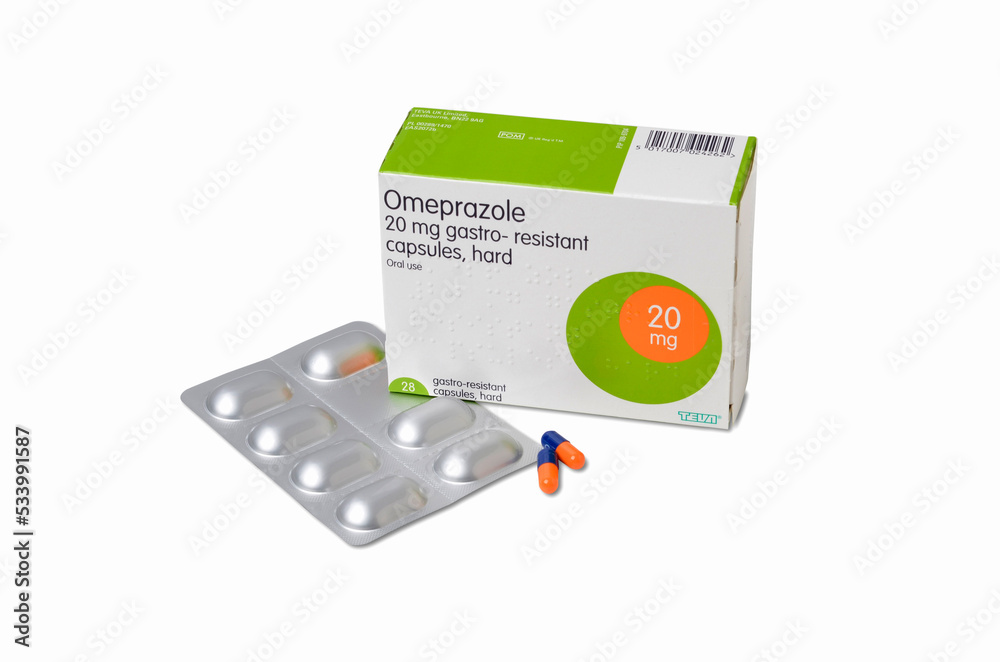
Lomac (Omeprazole): A Comprehensive Medical SEO Guide to Acid Suppression
Introduction & Overview of Lomac (Omeprazole)
Lomac, a brand name for the active pharmaceutical ingredient Omeprazole, stands as a cornerstone in the management of various acid-related gastrointestinal disorders. As a member of the proton pump inhibitor (PPI) class of medications, Omeprazole revolutionized the treatment landscape for conditions ranging from common heartburn to severe peptic ulcers and rare hypersecretory states. Its introduction marked a significant advancement, offering more potent and prolonged acid suppression compared to previous therapies like H2-receptor antagonists.
This comprehensive guide aims to provide an exhaustive, authoritative, and medically accurate overview of Lomac (Omeprazole). We will delve into its intricate mechanism of action, pharmacokinetic profile, detailed clinical indications, appropriate dosage guidelines, crucial contraindications, potential drug interactions, warnings for special populations like pregnant and lactating individuals, and essential information regarding overdose management. This resource is designed for healthcare professionals, patients seeking in-depth understanding, and anyone interested in the science behind this widely prescribed medication.
Disclaimer: This guide provides general medical information and is not a substitute for professional medical advice, diagnosis, or treatment. Always consult with a qualified healthcare provider for any health concerns or before making any decisions related to your health or treatment.
Deep-Dive into Technical Specifications & Mechanisms
Mechanism of Action
Omeprazole's therapeutic efficacy stems from its highly specific and potent mechanism of action: the irreversible inhibition of the gastric H+/K+-ATPase, commonly known as the proton pump. This enzyme is responsible for the final step in acid secretion by the parietal cells in the stomach lining.
- Prodrug Activation: Omeprazole itself is a prodrug. After oral absorption, it reaches the parietal cells via the bloodstream. Within the highly acidic secretory canaliculi of these cells (pH < 4), Omeprazole undergoes a rapid transformation. It is protonated and converted into its active sulfenamide form.
- Covalent Binding: This active sulfenamide metabolite then binds covalently and irreversibly to sulfhydryl groups on the H+/K+-ATPase enzyme. This binding effectively "shuts down" the proton pump, preventing it from transporting hydrogen ions (protons) into the gastric lumen in exchange for potassium ions.
- Irreversible Inhibition: Because the binding is irreversible, the acid-suppressing effect of Omeprazole is prolonged, lasting until new proton pumps are synthesized and inserted into the parietal cell membrane. This takes approximately 24-48 hours.
- Effect on Acid Secretion: By inhibiting the proton pump, Omeprazole reduces both basal (resting) and stimulated (e.g., by food, gastrin, histamine) gastric acid secretion, leading to a profound and sustained decrease in intraluminal gastric acidity. This reduction in acid allows damaged esophageal and gastric tissues to heal and alleviates symptoms associated with acid hypersecretion.
Pharmacokinetics
Understanding the pharmacokinetics of Omeprazole is crucial for optimizing its therapeutic use and predicting potential drug interactions.
-
Absorption:
- Omeprazole is acid-labile and is therefore formulated as delayed-release capsules or tablets to protect it from degradation by gastric acid. The enteric coating allows the drug to pass intact through the stomach and dissolve in the higher pH of the small intestine.
- Absorption is rapid after reaching the small intestine, with peak plasma concentrations (Cmax) occurring within 0.5 to 3.5 hours.
- Bioavailability is approximately 30-40% after a single dose but increases to about 60% with repeated dosing, likely due to a decrease in first-pass metabolism as the gastric pH rises and the drug's own acid-suppressing effect reduces its degradation.
- Food may delay absorption but does not significantly affect the extent of absorption. For optimal effect, Omeprazole is typically recommended to be taken 30-60 minutes before a meal.
-
Distribution:
- Omeprazole is highly protein-bound (approximately 95%) to plasma proteins, primarily albumin.
- The volume of distribution is relatively small, indicating limited tissue penetration beyond the stomach.
-
Metabolism:
- Omeprazole undergoes extensive metabolism in the liver, primarily via the cytochrome P450 (CYP) enzyme system.
- The main enzymes involved are CYP2C19 (responsible for the majority of metabolism) and CYP3A4.
- Genetic polymorphism of CYP2C19 is significant, leading to different metabolizer phenotypes:
- Extensive Metabolizers (EMs): Most individuals, metabolize Omeprazole rapidly.
- Poor Metabolizers (PMs): Lack functional CYP2C19, leading to significantly higher plasma concentrations and a more pronounced acid-suppressing effect. This can sometimes necessitate lower doses in PMs, although standard dosing is generally well-tolerated.
- Intermediate Metabolizers (IMs): Have reduced but not absent CYP2C19 activity.
- Ultrarapid Metabolizers (UMs): Have increased CYP2C19 activity, leading to lower plasma concentrations and potentially reduced efficacy.
- The metabolites are largely inactive in terms of acid suppression.
-
Excretion:
- The majority of Omeprazole metabolites are excreted via the kidneys (approximately 80%), with the remainder eliminated in the feces via biliary excretion.
- The plasma elimination half-life is short (0.5-1 hour), but this does not reflect the duration of acid suppression, which is much longer due to the irreversible binding to the proton pump.
Extensive Clinical Indications & Usage
Lomac (Omeprazole) is indicated for a wide array of conditions characterized by excessive gastric acid production or acid-related damage to the gastrointestinal tract.
Detailed Indications
- Gastroesophageal Reflux Disease (GERD):
- Treatment of Erosive Esophagitis: Healing and symptomatic relief of esophageal damage caused by acid reflux.
- Maintenance of Healing of Erosive Esophagitis: Prevention of relapse in patients with healed erosive esophagitis.
- Treatment of Symptomatic GERD: Relief of heartburn and other symptoms in patients without erosive esophagitis.
- Peptic Ulcer Disease (PUD):
- Treatment of Duodenal Ulcers: Short-term treatment to promote healing.
- Treatment of Gastric Ulcers: Short-term treatment to promote healing.
- Treatment of NSAID-Associated Gastric Ulcers: Healing of ulcers caused by non-steroidal anti-inflammatory drugs (NSAIDs).
- Prevention of NSAID-Associated Gastric Ulcers: In patients at high risk (e.g., history of ulcers, elderly, concomitant corticosteroid use) requiring continuous NSAID therapy.
- Helicobacter pylori Eradication:
- Used in combination with antibiotics (e.g., amoxicillin, clarithromycin, metronidazole) as part of triple or quadruple therapy regimens to eradicate H. pylori infection, which is a major cause of peptic ulcers.
- Zollinger-Ellison Syndrome (ZES):
- Long-term treatment of pathological hypersecretory conditions, including ZES, which is characterized by severe gastric acid hypersecretion due to a gastrin-secreting tumor.
- Other Hypersecretory Conditions:
- Management of other conditions involving excessive acid secretion.
- Prevention of Stress Ulcers:
- In critically ill patients at high risk of developing stress-related mucosal bleeding. (Often used off-label or in specific hospital protocols).
Dosage Guidelines
Dosage of Lomac (Omeprazole) varies significantly depending on the specific indication, patient age, and severity of the condition. It is crucial to follow a healthcare provider's instructions carefully.
General Administration:
* Take Omeprazole capsules/tablets whole, do not chew, crush, or split them, as this will compromise the enteric coating.
* Typically taken 30-60 minutes before a meal (usually breakfast) to maximize its effect on active proton pumps.
| Indication | Adult Dosage (Oral) | Duration of Therapy The contents of this image have not been provided, rendering me unable to process it.