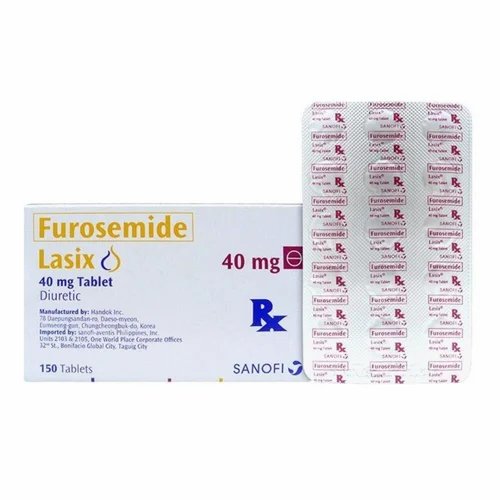
Introduction & Overview: Understanding Lasix (Furosemide)
Lasix, the brand name for Furosemide, is a highly potent medication categorized as a loop diuretic. It is a cornerstone in the management of conditions characterized by fluid retention (edema) and certain forms of hypertension. Developed in the 1960s, Furosemide quickly became indispensable due to its rapid onset and strong diuretic effect, making it particularly valuable in acute clinical scenarios such as pulmonary edema.
As an expert medical SEO copywriter specializing in orthopedics, understanding systemic medications like Furosemide is crucial, as patients in orthopedic recovery may experience fluid retention from immobility, underlying cardiac conditions, or certain surgical procedures. This guide aims to provide a comprehensive, authoritative, and exhaustive overview of Lasix (Furosemide), detailing its mechanism, clinical applications, dosage, potential risks, and management strategies.
Mechanism of Action: How Furosemide Works at a Cellular Level
Furosemide exerts its powerful diuretic effect by acting directly on the kidneys, specifically targeting a critical segment of the nephron responsible for concentrating urine.
Detailed Mechanism:
- Target Site: The primary site of action for Furosemide is the thick ascending limb of the loop of Henle in the kidney. This segment is crucial for the reabsorption of ions and water from the filtrate back into the bloodstream.
- Specific Inhibition: Furosemide competitively inhibits the Na+-K+-2Cl- cotransporter (NKCC2), also known as the bumetanide-sensitive cotransporter, located on the luminal membrane of the epithelial cells in the thick ascending limb.
- Consequences of Inhibition:
- Reduced Ion Reabsorption: By blocking NKCC2, Furosemide prevents the active reabsorption of sodium (Na+), potassium (K+), and chloride (Cl-) ions from the tubular fluid.
- Osmotic Diuresis: Since these ions are not reabsorbed, they remain in the tubular lumen, increasing the osmotic pressure within the tubule. This elevated osmotic pressure prevents the reabsorption of water, which normally follows the reabsorption of solutes.
- Increased Water Excretion: The net effect is a significant increase in the excretion of water, sodium, chloride, and to a lesser extent, potassium, hydrogen, calcium, and magnesium into the urine. This leads to a substantial increase in urine output, known as diuresis.
- Vasodilatory Effects: Furosemide also possesses venodilatory properties, possibly mediated by prostaglandin release. This effect contributes to a reduction in preload (the volume of blood returning to the heart) in conditions like heart failure, further alleviating symptoms of congestion.
This potent inhibition of electrolyte reabsorption makes Furosemide one of the most effective diuretics available, capable of mobilizing large volumes of fluid relatively quickly.
Pharmacokinetics: The Journey of Furosemide in the Body
Understanding how Furosemide is absorbed, distributed, metabolized, and eliminated (ADME) is crucial for optimizing its therapeutic effects and minimizing adverse reactions.
Key Pharmacokinetic Parameters:
| Parameter | Description
Extensive Clinical Indications & Usage: When is Lasix Prescribed?
Furosemide's rapid onset and high efficacy make it invaluable across a spectrum of clinical conditions requiring effective diuresis.
Primary Indications:
- Edema Associated with Congestive Heart Failure (CHF):
- Acute Pulmonary Edema: Furosemide is a first-line agent for acute pulmonary edema due to its rapid action and ability to reduce both preload and afterload.
- Chronic CHF: Used for chronic management of symptoms of fluid overload, improving patient comfort and exercise tolerance.
- Edema Associated with Hepatic Cirrhosis:
- Manages ascites (fluid accumulation in the abdominal cavity) and peripheral edema.
- Often used in combination with potassium-sparing diuretics (e.g., spironolactone) to counteract potassium loss and enhance natriuresis. Careful monitoring is essential to prevent hepatic encephalopathy.
- Edema Associated with Renal Disease:
- Effective in patients with nephrotic syndrome and chronic kidney disease, even when glomerular filtration rate (GFR) is significantly reduced, where thiazide diuretics may be less effective.
- Used to manage volume overload and maintain fluid balance.
- Hypertension:
- Furosemide can be used alone or in combination with other antihypertensive agents, particularly in patients with hypertension complicated by renal impairment or fluid retention.
- It's not typically a first-line agent for uncomplicated hypertension but is highly effective when fluid overload is a significant component.
- Acute Hypercalcemia:
- Furosemide promotes the renal excretion of calcium, making it useful in the acute management of severe hypercalcemia.
- It must be administered with concomitant intravenous saline hydration to prevent volume depletion and maintain renal perfusion.
Other Potential Uses (Off-label/Less Common):
- Cerebral Edema: While mannitol is more commonly used, furosemide can sometimes be employed to reduce intracranial pressure, often in conjunction with other therapies.
- Forced Diuresis in Drug Overdose: In specific drug intoxications where renal excretion of the toxin is desirable, furosemide can be used to induce forced diuresis, though this is less common and depends on the specific drug.
Dosage Guidelines: Tailoring Treatment for Optimal Outcomes
Furosemide dosing is highly individualized, based on the patient's clinical condition, renal function, and response to therapy. The goal is to achieve effective diuresis without causing excessive fluid or electrolyte disturbances.
General Principles:
- Individualization: Start with the lowest effective dose and titrate upwards as needed.
- Monitoring: Close monitoring of fluid status, urine output, blood pressure, electrolytes (especially potassium, sodium, magnesium, calcium), and renal function (BUN, creatinine) is paramount.
- Timing: Oral doses are often given in the morning to avoid nocturnal diuresis disturbing sleep.
Adult Dosing:
| Indication | Oral Dosage | Intravenous (IV) / Intramuscular (IM) Dosage |
|---|---|---|
| Edema (CHF, Hepatic, Renal Disease) | Initial: 20-80 mg as a single dose. | Initial: 20-40 mg IV/IM, given over 1-2 minutes. |
| Maintenance: 20-80 mg once or twice daily. Some patients may require up to 600 mg/day in divided doses. | Repeat: May be repeated at intervals of 1-2 hours until desired effect, then every 6-12 hours. Max: 200 mg per dose. Max daily dose varies. | |
| Acute Pulmonary Edema | Not typically used for acute management; IV preferred. | Initial: 20-40 mg IV over 1-2 minutes. |
| Repeat: If response is not satisfactory within 1 hour, dose may be increased by 20 mg and given over 1-2 minutes. Max: 200 mg per dose. | ||
| Hypertension (Adjunct) | Initial: 20-40 mg twice daily. | Rarely used for long-term hypertension management via IV/IM. |
| Maintenance: Adjust based on blood pressure response and fluid status. | ||
| Acute Hypercalcemia (with saline) | Not typically used for acute management; IV preferred. | 80-100 mg IV every 1-2 hours, with concomitant IV saline. |
Pediatric Dosing:
- Oral: Initial 1-2 mg/kg/dose, given once daily or every 6-12 hours. Maximum 6 mg/kg/dose, not to exceed 600 mg/day.
- IV/IM: Initial 1 mg/kg/dose. May increase by 1 mg/kg every 2 hours until desired effect, up to a maximum of 6 mg/kg/dose.
Special Populations:
- Renal Impairment: Patients with impaired renal function may require higher doses to achieve a diuretic effect due to reduced delivery of the drug to its site of action. However, careful monitoring is crucial to avoid ototoxicity and electrolyte imbalances.
- Hepatic Impairment: Patients with severe liver disease are at increased risk of electrolyte disturbances and hepatic encephalopathy. Furosemide should be used with caution, often in conjunction with potassium-sparing diuretics, and with meticulous monitoring.
- Geriatric Patients: Elderly patients may be more susceptible to the adverse effects of furosemide, particularly dehydration, orthostatic hypotension, and electrolyte imbalances. Lower initial doses and careful titration are recommended.
Risks, Side Effects, and Contraindications: Navigating Potential Challenges
While Furosemide is highly effective, its potent action carries a risk of significant side effects and interactions. Careful patient selection and monitoring are essential.
Common Side Effects (Frequency >1%):
- Electrolyte Imbalances:
- Hypokalemia: Most common and potentially serious. Due to increased potassium excretion.
- Hyponatremia: Due to excessive sodium and water loss.
- Hypochloremia: Often accompanies hyponatremia and hypokalemia.
- Hypomagnesemia: Increased magnesium excretion.
- Hypocalcemia: Increased calcium excretion.
- Fluid Imbalance: Dehydration, hypovolemia (low blood volume).
- Cardiovascular: Orthostatic hypotension (dizziness upon standing), hypotension.
- Neurological: Dizziness, lightheadedness, headache, blurred vision.
- Gastrointestinal: Nausea, vomiting, diarrhea, constipation.
- Metabolic:
- Hyperuricemia: Can precipitate or exacerbate gout.
- Hyperglycemia: May worsen glucose control in diabetic patients.
- Genitourinary: Increased urination (polyuria).
- Musculoskeletal: Muscle cramps, weakness.
Serious Side Effects (Rare but Significant):
- Ototoxicity: Dose-dependent and usually reversible, but can be permanent. Manifests as tinnitus (ringing in ears) or hearing loss. Risk factors include rapid IV injection, high doses, renal impairment, and concomitant use of other ototoxic drugs (e.g., aminoglycosides).
- Blood Dyscrasias: Aplastic anemia, agranulocytosis, leukopenia, thrombocytopenia.
- Pancreatitis: Inflammation of the pancreas.
- Hepatic Encephalopathy: In patients with pre-existing liver disease, profound electrolyte imbalances can precipitate or worsen hepatic encephalopathy.
- Dermatological Reactions: Stevens-Johnson Syndrome, toxic epidermal necrolysis, exfoliative dermatitis, urticaria.
- Anaphylaxis: Severe allergic reaction.
- Nephrocalcinosis/Nephrolithiasis: In premature infants.
Contraindications:
- Anuria: Absence of urine production. Furosemide is ineffective and contraindicated if the kidneys cannot produce urine.
- Hypersensitivity: Known allergy to furosemide or sulfonamide-derived drugs (cross-reactivity is possible, though rare).
- Hepatic Coma or Precomatose States: Due to the risk of precipitating or worsening hepatic encephalopathy.
- Severe Electrolyte Depletion: Untreated severe hypokalemia, hyponatremia, or hypovolemia.
- Severe Dehydration: Must be corrected before initiating furosemide.
Drug Interactions:
Furosemide can interact with numerous medications, altering their effects or increasing the risk of adverse reactions.
- Aminoglycoside Antibiotics (e.g., gentamicin, tobramycin): Increased risk of ototoxicity (hearing damage) and nephrotoxicity (kidney damage).
- Cisplatin: Greatly increased risk of ototoxicity.
- Nonsteroidal Anti-inflammatory Drugs (NSAIDs - e.g., ibuprofen, naproxen): Can reduce the diuretic and antihypertensive effects of furosemide by inhibiting prostaglandin synthesis. May also increase the risk of renal dysfunction.
- Lithium: Furosemide can decrease the renal excretion of lithium, leading to increased lithium levels and potential toxicity.
- Digoxin: Furosemide-induced hypokalemia can potentiate digoxin toxicity, increasing the risk of arrhythmias.
- Antihypertensive Agents (e.g., ACE inhibitors, ARBs, beta-blockers): Additive hypotensive effects, potentially leading to symptomatic hypotension.
- Corticosteroids: Increased risk of hypokalemia.
- Oral Hypoglycemics/Insulin: Furosemide can cause hyperglycemia, potentially requiring adjustments to antidiabetic medications.
- Sucralfate: Can reduce the absorption of furosemide. Administer furosemide at least 2 hours before sucralfate.
- Phenytoin: May reduce the diuretic effect of furosemide.
- Probenecid: Can reduce the efficacy of furosemide by inhibiting its tubular secretion.
Pregnancy and Lactation Warnings:
- Pregnancy Category C:
- Animal studies have shown adverse effects on the fetus, and there are no adequate and well-controlled studies in pregnant women.
- Furosemide should be used during pregnancy only if the potential benefit justifies the potential risk to the fetus.
- It can cause fetal and neonatal adverse effects such as electrolyte disturbances (e.g., hypokalemia, hypocalcemia) and growth restriction.
- Routine use of diuretics for edema in otherwise healthy pregnant women is not recommended as it may lead to hypovolemia and decreased placental perfusion.
- Lactation:
- Furosemide is excreted in breast milk and may inhibit lactation