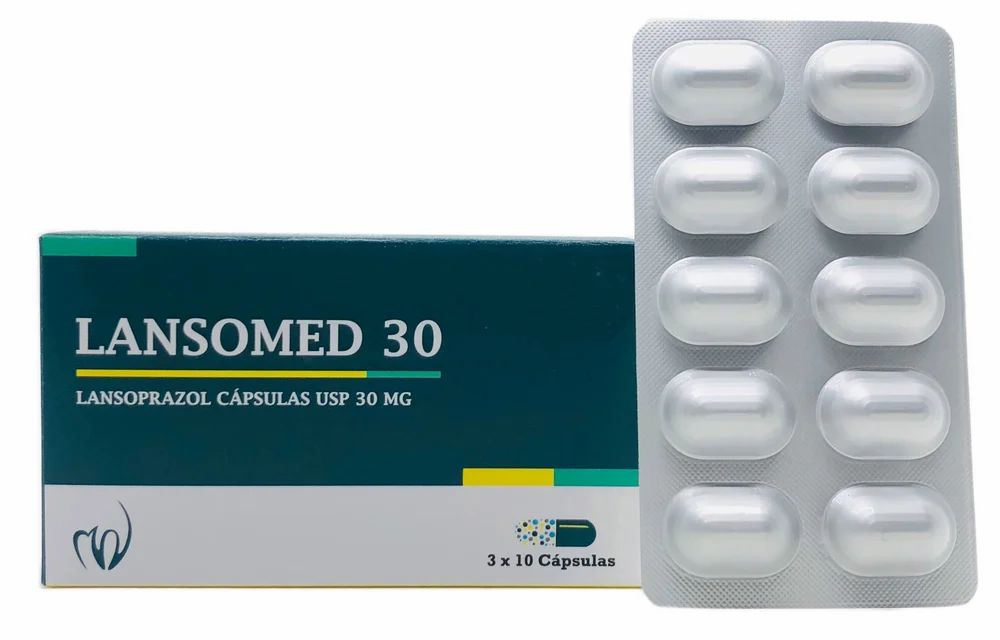
Lantak (Lansoprazole): An Exhaustive Medical SEO Guide for Optimal Digestive Health
Welcome to this in-depth medical guide on Lantak (Lansoprazole), a widely prescribed medication crucial for managing various conditions related to excessive stomach acid production. As an expert medical SEO copywriter and orthopedic specialist, my aim is to provide you with a comprehensive, authoritative, and easy-to-understand resource that delves into every critical aspect of Lansoprazole. While my primary field is orthopedics, a deep understanding of systemic pharmacology is vital for holistic patient care, and gastrointestinal health significantly impacts overall well-being and recovery.
This guide will cover everything from the fundamental mechanism of action to detailed dosage guidelines, potential risks, and crucial interactions, ensuring you are well-informed about this essential medication.
1. Comprehensive Introduction & Overview
Lantak is the brand name for Lansoprazole, a medication belonging to a class of drugs known as Proton Pump Inhibitors (PPIs). PPIs are potent suppressors of gastric acid secretion, playing a pivotal role in the treatment and prevention of a wide array of acid-related disorders.
What is Lantak (Lansoprazole)?
Lansoprazole is a pharmaceutical agent designed to reduce the amount of acid produced in the stomach. By effectively lowering gastric acid levels, it helps to alleviate symptoms, promote healing of damaged tissues, and prevent recurrence of conditions like heartburn, acid reflux, and ulcers.
Key Highlights of Lansoprazole:
* Drug Class: Proton Pump Inhibitor (PPI)
* Primary Action: Reduces stomach acid production
* Forms: Available in capsules, orally disintegrating tablets, and suspensions.
* Therapeutic Uses: Broad spectrum of gastrointestinal conditions.
* Mechanism: Irreversibly inhibits the gastric proton pump.
Understanding Lansoprazole is crucial for patients and healthcare providers alike, as its proper use can significantly improve quality of life for individuals suffering from chronic digestive issues.
2. Deep-Dive into Technical Specifications & Mechanisms
To truly appreciate the efficacy of Lantak, it's essential to understand how it works at a cellular level and how the body processes it.
Mechanism of Action: The Proton Pump Inhibition
Lansoprazole functions as a prodrug. This means it is inactive when administered and requires activation within the body. Its activation specifically occurs in the acidic environment of the secretory canaliculi of the parietal cells in the stomach.
- Parietal Cells: These specialized cells line the stomach and are responsible for producing hydrochloric acid (HCl), which aids in digestion and protects against pathogens.
- H+/K+-ATPase Pump (Proton Pump): Located on the surface of parietal cells, this enzyme system is the final common pathway for acid secretion. It actively pumps hydrogen ions (protons) into the stomach lumen in exchange for potassium ions.
- Lansoprazole's Role: Once Lansoprazole enters the acidic environment of the parietal cells, it undergoes a chemical transformation into its active sulfenamide form. This active metabolite then binds irreversibly to the sulfhydryl groups of the H+/K+-ATPase pump.
- Irreversible Inhibition: This irreversible binding effectively shuts down the proton pump, preventing it from releasing hydrogen ions into the stomach. The effect is dose-dependent and leads to a sustained reduction in both basal (resting) and stimulated (e.g., by food) gastric acid secretion.
- Duration of Effect: Because the binding is irreversible, the acid-suppressing effect of Lansoprazole persists until new proton pumps are synthesized and inserted into the parietal cell membrane, which can take 24-48 hours. This explains why once-daily dosing is often sufficient.
Pharmacokinetics: How the Body Handles Lansoprazole
Understanding the pharmacokinetics of Lansoprazole provides insight into its absorption, distribution, metabolism, and excretion, influencing dosing strategies and potential interactions.
- Absorption:
- Lansoprazole is rapidly absorbed from the gastrointestinal tract after oral administration.
- Peak plasma concentrations (Cmax) are typically reached within 1.5 to 2.2 hours.
- Bioavailability is high (around 80-90%) but can be reduced by food, which is why it's generally recommended to take it before meals.
- Distribution:
- Lansoprazole is highly plasma protein bound (97%), primarily to albumin.
- Its volume of distribution is relatively small.
- Metabolism:
- Lansoprazole undergoes extensive hepatic metabolism, primarily by the cytochrome P450 (CYP) enzyme system.
- The main enzymes involved are CYP2C19 and CYP3A4.
- CYP2C19 exhibits genetic polymorphism, meaning some individuals (poor metabolizers) may have significantly higher plasma levels of Lansoprazole, potentially leading to increased efficacy or side effects.
- The major metabolites are inactive.
- Excretion:
- The elimination half-life of Lansoprazole is relatively short (1.3 to 1.7 hours). However, due to its irreversible binding to the proton pump, the duration of acid suppression far exceeds its plasma half-life.
- Approximately two-thirds of the administered dose is excreted in the feces, and one-third in the urine, primarily as metabolites.
- Special Populations:
- Renal Impairment: No significant dose adjustment is typically needed as renal excretion of the parent drug is minimal.
- Hepatic Impairment: Metabolism may be impaired, leading to increased plasma concentrations and prolonged half-life. Dose reduction may be necessary in patients with severe hepatic disease.
3. Extensive Clinical Indications & Usage
Lantak (Lansoprazole) is a versatile medication indicated for a broad range of acid-related conditions. The goal of treatment is to reduce acid exposure, heal esophageal and gastric lesions, and alleviate symptoms.
Detailed Indications
| Indication | Description