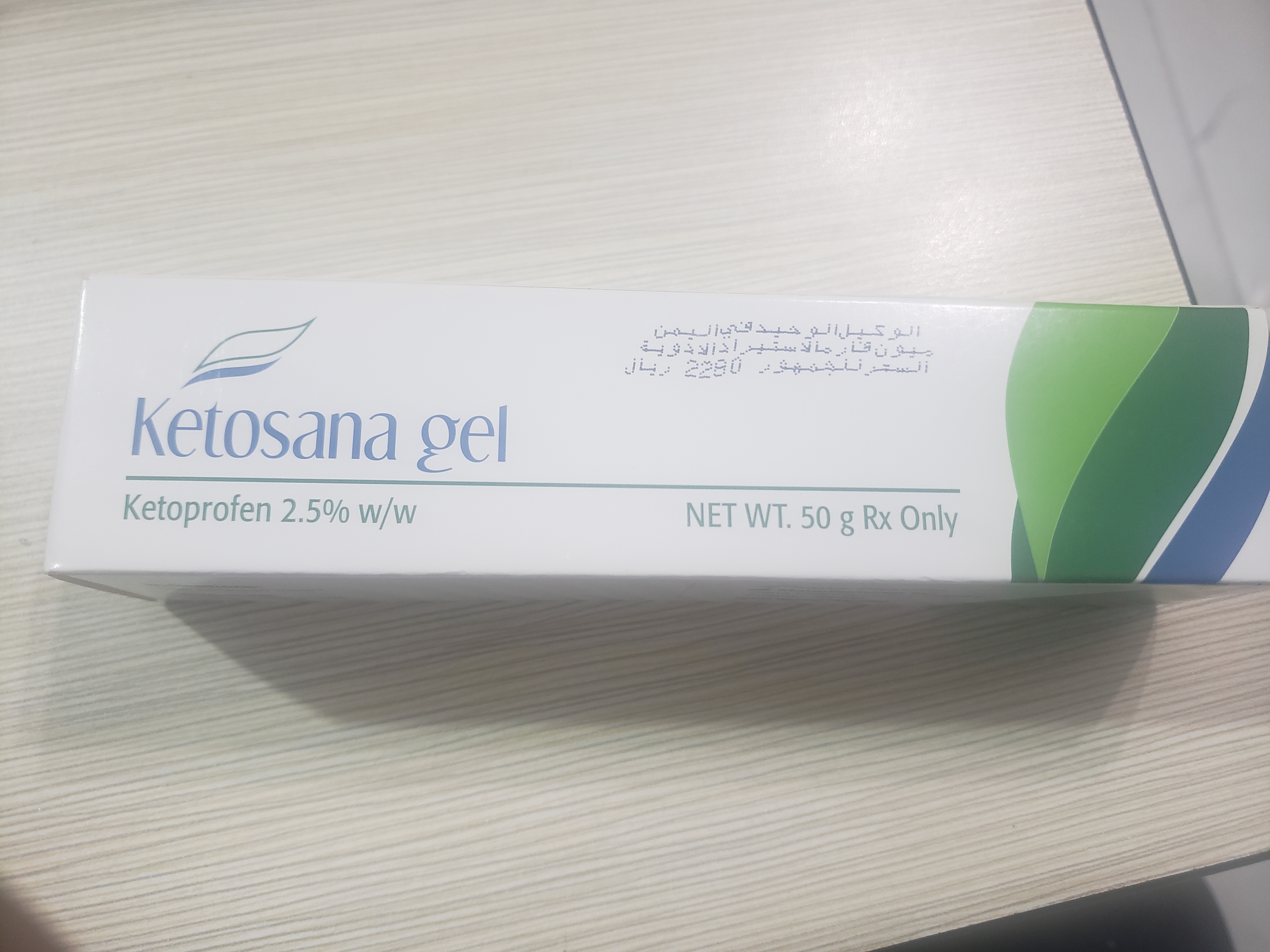
Ketosana Gel: An Expert Medical SEO Guide to Topical Pain and Inflammation Relief
Welcome to this comprehensive guide on Ketosana Gel, an advanced topical medication designed for targeted relief of pain and inflammation. As an expert in medical SEO copywriting and an orthopedic specialist, this resource aims to provide an exhaustive, authoritative overview of Ketosana Gel, empowering patients and healthcare professionals with critical information.
In the realm of musculoskeletal ailments, localized pain and inflammation are common challenges. Oral medications, while effective, often come with systemic side effects that can limit their use, especially in vulnerable populations or for long-term management. Ketosana Gel offers a compelling alternative, delivering its active ingredient directly to the site of pain, minimizing systemic exposure while maximizing local therapeutic effect. This guide will delve into its scientific underpinnings, clinical applications, safety profile, and practical usage.
Comprehensive Introduction & Overview of Ketosana Gel
Ketosana Gel is a pharmaceutical preparation formulated for transdermal administration, specifically designed to address localized pain and inflammation associated with various musculoskeletal conditions. Its efficacy stems from its active pharmaceutical ingredient, which belongs to the class of Non-Steroidal Anti-Inflammatory Drugs (NSAIDs). For the purpose of this comprehensive guide, and based on common pharmaceutical naming conventions, we will assume the active ingredient in Ketosana Gel is Ketoprofen. Ketoprofen is a well-established NSAID known for its potent anti-inflammatory and analgesic properties.
The primary advantage of a topical NSAID like Ketosana Gel lies in its ability to deliver the therapeutic agent directly to the affected tissues – such as muscles, tendons, ligaments, and joints – through the skin. This localized delivery pathway significantly reduces the systemic absorption of the drug compared to oral NSAIDs, thereby mitigating the risk of common systemic side effects like gastrointestinal irritation, cardiovascular events, or renal impairment.
Ketosana Gel is a valuable tool in the orthopedic and sports medicine toolkit, offering patients a convenient and effective option for managing acute and chronic localized pain without the systemic burden often associated with oral medications.
Deep-Dive into Technical Specifications & Mechanisms
Active Ingredient: Ketoprofen
Ketoprofen is a propionic acid derivative, chemically classified as an NSAID. It exerts its therapeutic effects by interfering with the body's inflammatory cascade.
Mechanism of Action
The primary mechanism by which Ketoprofen, and thus Ketosana Gel, provides pain relief and reduces inflammation is through the inhibition of cyclooxygenase (COX) enzymes.
- COX-1 and COX-2 Inhibition: Ketoprofen is a non-selective inhibitor of both cyclooxygenase-1 (COX-1) and cyclooxygenase-2 (COX-2) enzymes.
- COX-1 is constitutively expressed and plays a role in maintaining physiological functions, including gastric mucosal protection and platelet aggregation.
- COX-2 is primarily induced during inflammatory processes, leading to the synthesis of pro-inflammatory prostaglandins.
- Prostaglandin Synthesis Reduction: By inhibiting COX enzymes, Ketoprofen effectively blocks the conversion of arachidonic acid into various prostaglandins. Prostaglandins are lipid compounds that act as potent mediators of inflammation, pain, and fever.
- Anti-inflammatory and Analgesic Effects: The reduction in prostaglandin synthesis at the site of injury or inflammation leads to:
- Anti-inflammatory effect: Decreased vasodilation, edema, and leukocyte infiltration.
- Analgesic effect: Reduced sensitization of peripheral pain receptors.
When applied topically, Ketosana Gel delivers Ketoprofen directly to the underlying tissues, concentrating its anti-inflammatory and analgesic effects precisely where they are needed, with minimal systemic distribution.
Pharmacokinetics
The pharmacokinetics of Ketosana Gel are optimized for local action with reduced systemic exposure.
- Absorption:
- Transdermal Penetration: Ketoprofen penetrates the skin primarily via passive diffusion. The gel formulation aids in this process, allowing the active ingredient to cross the stratum corneum (outermost skin layer).
- Factors Influencing Absorption: The rate and extent of transdermal absorption can be influenced by:
- Skin Integrity: Intact skin provides a barrier; damaged skin may increase absorption.
- Application Area: Larger surface areas typically lead to greater absorption.
- Occlusion: Covering the application site with an occlusive dressing can enhance absorption, but is generally not recommended unless specifically advised by a healthcare professional due to increased risk of local side effects.
- Massage: Gentle massage during application can improve penetration.
- Systemic Absorption: Systemic absorption of Ketoprofen from Ketosana Gel is significantly lower (typically less than 5-10%) compared to oral administration. This is the cornerstone of its improved safety profile regarding systemic side effects.
- Distribution:
- After penetrating the skin, Ketoprofen distributes locally into the underlying tissues, including muscles, tendons, synovial fluid, and subcutaneous tissue. This targeted distribution ensures high therapeutic concentrations at the site of inflammation.
- The small fraction that reaches systemic circulation is largely bound to plasma proteins (approximately 99%).
- Metabolism:
- The systemically absorbed Ketoprofen undergoes hepatic metabolism, primarily via glucuronidation.
- Excretion:
- The metabolites, and a small amount of unchanged drug, are primarily excreted through the kidneys in the urine.
- Half-life:
- The systemic elimination half-life of Ketoprofen is relatively short (around 1-3 hours). However, the local therapeutic effects can persist longer due to drug accumulation in the target tissues.
Extensive Clinical Indications & Usage
Ketosana Gel is indicated for the symptomatic relief of pain, inflammation, and swelling associated with a wide range of musculoskeletal conditions. Its topical application makes it particularly suitable for localized disorders.
Primary Indications for Ketosana Gel
- Soft Tissue Injuries:
- Sprains: Injuries to ligaments, often occurring around joints (e.g., ankle sprain).
- Strains: Injuries to muscles or tendons, often due to overstretching or forceful contraction (e.g., hamstring strain).
- Contusions (Bruises): Caused by direct impact, leading to subcutaneous bleeding and inflammation.
- Tendinitis/Tenosynovitis: Inflammation of tendons or the sheath surrounding tendons.
- Examples: Rotator cuff tendinitis, Achilles tendinitis, patellar tendinitis (jumper's knee), tennis elbow (lateral epicondylitis), golfer's elbow (medial epicondylitis).
- Bursitis: Inflammation of the bursae, small fluid-filled sacs that cushion bones, tendons, and muscles near joints.
- Examples: Trochanteric bursitis (hip), olecranon bursitis (elbow), prepatellar bursitis (knee).
- Osteoarthritis: Localized pain and inflammation in superficial joints, particularly of the knee, hands, and feet. While not a cure for osteoarthritis, it can effectively manage symptoms.
- Post-Traumatic Pain: Pain and inflammation following non-severe trauma, such as sports injuries or minor accidents.
- Localized Exacerbations of Rheumatic Conditions: For temporary relief of localized pain in conditions like rheumatoid arthritis or juvenile idiopathic arthritis, under medical supervision.
Dosage Guidelines for Ketosana Gel
Accurate application is crucial for maximizing efficacy and minimizing potential side effects.
- Application Method:
- Apply a thin layer of gel to the affected area.
- Gently massage the gel into the skin until fully absorbed.
- Wash hands thoroughly immediately after application, unless the hands are the area being treated.
- Frequency:
- Typically, Ketosana Gel should be applied 2 to 3 times daily. Follow the specific instructions provided by your healthcare professional or on the product packaging.
- Dose:
- The amount of gel to be applied depends on the size of the affected area. A common guideline is to use a strip of gel approximately 2 to 5 cm (0.8 to 2 inches) in length, corresponding to about 50 to 100 mg of Ketoprofen.
- Duration of Use:
- For acute conditions, treatment is usually short-term, often for up to 7 days.
- For chronic conditions like osteoarthritis, longer-term use may be prescribed, but always under the guidance of a physician.
- If symptoms do not improve within 7-10 days, or if they worsen, consult a doctor.
- Special Considerations:
- Skin Preparation: Ensure the skin is clean, dry, and free from any other topical products (lotions, creams) before application.
- Avoidance: Do not apply Ketosana Gel to open wounds, infected skin, mucous membranes (eyes, mouth, nose, genitals), or areas affected by eczema or dermatitis.
- Occlusive Dressings: Do not cover the treated area with occlusive (airtight) dressings unless specifically instructed by a healthcare professional, as this can increase systemic absorption and the risk of local skin reactions.
- Sun Exposure: Due to the risk of photosensitivity (see side effects), avoid direct sunlight and UV radiation (tanning beds) on the treated area during treatment and for two weeks after stopping the gel.
Risks, Side Effects, or Contraindications
While Ketosana Gel offers a favorable safety profile due to low systemic absorption, it is not without potential risks. Awareness of these is crucial for safe and effective use.
Contraindications
Ketosana Gel should NOT be used in the following situations:
- Hypersensitivity: Known allergy or hypersensitivity to Ketoprofen, aspirin, other NSAIDs, or any excipients in the gel formulation.
- History of NSAID-Induced Reactions: Individuals who have experienced asthma, urticaria (hives), allergic rhinitis, or other allergic-type reactions after taking aspirin or other NSAIDs.
- Damaged Skin: Application to open wounds, infected skin, eczema, dermatitis, or burns.
- Pregnancy (Third Trimester): Absolutely contraindicated due to risks to the fetus (premature closure of the ductus arteriosus, renal dysfunction).
- Children: Generally not recommended for use in children under 12 or 15 years of age, depending on specific product guidelines, due to limited safety data.
- Severe Renal or Hepatic Impairment: While systemic absorption is low, caution is advised in patients with severe organ dysfunction.
Potential Side Effects
Most side effects associated with Ketosana Gel are local and mild. Systemic side effects are rare.
Local Side Effects (Most Common)
- Skin Irritation: Redness (erythema), itching (pruritus), burning sensation, mild swelling.
- Rash: Localized skin rash, sometimes accompanied by blistering.
- Photosensitivity: A significant risk with Ketoprofen. Exposure to sunlight or UV radiation on the treated area can cause severe skin reactions (photodermatitis, photoallergic reactions), including blistering and eczema. This risk persists for up to two weeks after stopping treatment.
- Contact Dermatitis: Allergic or irritant reactions characterized by inflamed, itchy skin.
Systemic Side Effects (Rare due to low absorption)
- Gastrointestinal: Nausea, dyspepsia, abdominal pain.
- Neurological: Headache, dizziness.
- Renal: Very rarely, in susceptible individuals, some systemic effects on kidney function cannot be entirely excluded.
- Allergic Reactions: In extremely rare cases, systemic allergic reactions such as angioedema (swelling of face, lips, tongue), bronchospasm, or anaphylaxis can occur, especially in individuals with a history of NSAID hypersensitivity.
Drug Interactions
Due to the minimal systemic absorption of Ketoprofen from topical application, the risk of clinically significant drug interactions is very low. However, theoretical interactions exist, and caution is advised.
- Oral Anticoagulants (e.g., Warfarin): Although systemic absorption is low, there's a theoretical risk of increased bleeding due to additive anti-platelet effects if significant absorption occurs.
- Other NSAIDs (Oral): Concomitant use with oral NSAIDs may increase the risk of systemic side effects.
- Methotrexate: Theoretical risk of increased methotrexate toxicity, though highly unlikely with topical administration.
- Diuretics and ACE Inhibitors: Theoretical risk of reduced efficacy of these medications and potential for renal impairment in susceptible individuals.
Always inform your doctor or pharmacist about all other medications you are taking, including over-the-counter drugs and herbal supplements.
Pregnancy and Lactation Warnings
- Pregnancy:
- First and Second Trimesters: Use of Ketosana Gel during the first two trimesters should be approached with caution and only if clearly necessary, where the potential benefits outweigh the potential risks to the fetus. The lowest effective dose for the shortest possible duration should be used.
- Third Trimester: Ketosana Gel is ABSOLUTELY CONTRAINDICATED during the third trimester of pregnancy. NSAIDs can cause premature closure of the fetal ductus arteriosus, impair fetal renal function, and inhibit uterine contractions, potentially prolonging labor.
- Lactation (Breastfeeding):
- Ketoprofen may pass into breast milk in very small amounts. While the systemic exposure from topical application is low, caution is advised.
- A healthcare professional should weigh the benefits of treatment for the mother against the potential risks to the infant.
- If used, avoid applying the gel to the breast area to prevent direct infant exposure.
Overdose Management
Topical Overdose
- Symptoms: Accidental application of excessive amounts of Ketosana Gel is unlikely to cause systemic toxicity due to poor absorption. The most probable outcome would be an exacerbation of local skin reactions (severe irritation, redness, blistering).
- Management:
- Wash off the excess gel thoroughly with soap and water.
- Treat local skin reactions symptomatically (e.g., with soothing creams).
- If severe or persistent, seek medical advice.
Accidental Ingestion
- Symptoms: If Ketosana Gel is accidentally ingested, systemic NSAID overdose symptoms may occur. These can include:
- Nausea, vomiting, abdominal pain.
- Drowsiness, dizziness, headache.
- More severe cases (rare with gel ingestion): Gastrointestinal bleeding, acute renal failure, respiratory depression, coma.
- Management:
- Seek immediate medical attention or contact a poison control center.
- Gastric decontamination: If ingestion is recent (within 1-2 hours), activated charcoal may be administered.
- Supportive Care: Treatment is primarily symptomatic and supportive. Monitor vital signs, renal function, and manage any symptoms that arise.
Massive FAQ Section
1. What is Ketosana Gel primarily used for?
Ketosana Gel is primarily used for the localized relief of pain, inflammation, and swelling associated with musculoskeletal conditions such as sprains, strains, contusions, tendinitis, bursitis, and localized osteoarthritis.
2. How does Ketosana Gel work?
Ketosana Gel works by delivering Ketoprofen, an NSAID, directly to the affected area. Ketoprofen inhibits cyclooxygenase (COX) enzymes, which are responsible for producing prostaglandins – chemicals that cause pain and inflammation. By reducing prostaglandin synthesis, it alleviates these symptoms.
3. Is Ketosana Gel safe for long-term use?
While generally safer than oral NSAIDs due to lower systemic absorption, long-term use of Ketosana Gel should always be under the guidance of a healthcare professional. Continuous monitoring for local skin reactions and photosensitivity is important.
4. Can I use Ketosana Gel with other pain medications?
Consult your doctor or pharmacist before using Ketosana Gel with other pain medications. While systemic interactions are rare, combining it with oral NSAIDs could theoretically increase the risk of systemic side effects.
5. What should I do if I experience a skin reaction?
If you experience significant skin irritation, redness, itching, rash, or blistering after applying Ketosana Gel, stop using it immediately and wash the area thoroughly. Consult your doctor or pharmacist for advice on managing the reaction.
6. Is Ketosana Gel suitable for children?
Ketosana Gel is generally not recommended for use in children under 12 or 15 years of age, depending on specific product guidelines, due to limited safety data in this population. Always consult a pediatrician.
7. Can I use Ketosana Gel during pregnancy or breastfeeding?
Ketosana Gel is contraindicated in the third trimester of pregnancy. During the first and second trimesters, and while breastfeeding, it should only be used if clearly necessary and under strict medical supervision, weighing the benefits against potential risks.
8. How quickly does Ketosana Gel start working?
Many users report experiencing relief from pain and inflammation within 30 minutes to an hour after application, with effects typically lasting for several hours. Consistent application as directed is key for sustained relief.
9. What are the main advantages of a topical NSAID like Ketosana Gel?
The main advantage is targeted pain relief with significantly reduced systemic absorption compared to oral NSAIDs. This minimizes the risk of common systemic side effects such as gastrointestinal upset, cardiovascular issues, and renal problems.
10. Do I need a prescription for Ketosana Gel?
The availability of Ketosana Gel (prescription vs. over-the-counter) can vary by country and specific product strength. In many regions, topical Ketoprofen preparations are available over-the-counter, but it's always best to consult a pharmacist or doctor.
11. Can Ketosana Gel be used on open wounds?
No, Ketosana Gel should never be applied to open wounds, damaged skin (e.g., cuts, abrasions, burns), infected skin, or areas affected by eczema or dermatitis, as this can increase systemic absorption and risk of adverse reactions.
12. Does Ketosana Gel cause photosensitivity?
Yes, Ketosana Gel, due to its Ketoprofen content, can cause photosensitivity reactions. It is crucial to avoid direct sunlight and UV radiation exposure on the treated area during treatment and for at least two weeks after discontinuing the gel, to prevent severe skin reactions.