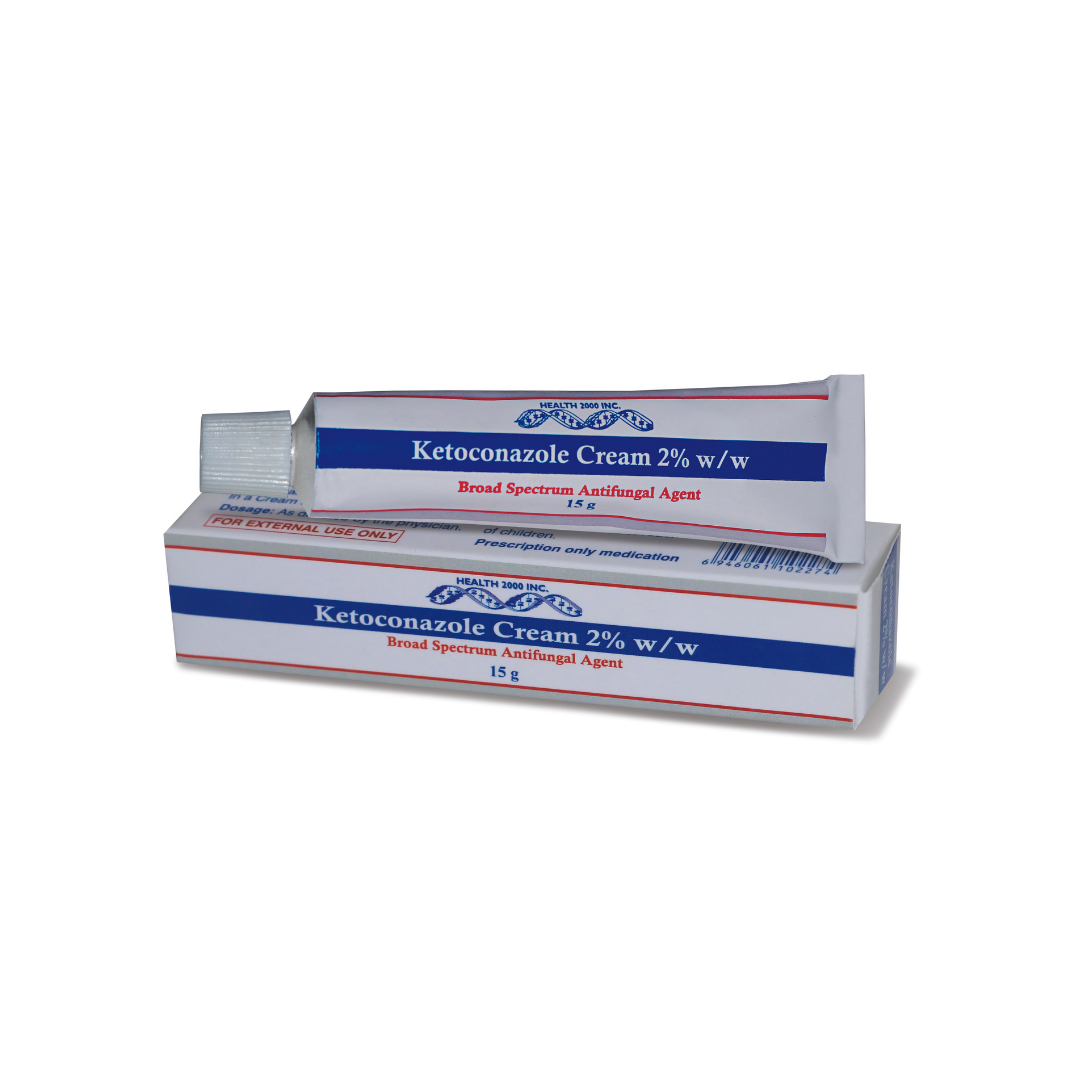
Ketoconazole Cream: An Exhaustive Medical SEO Guide for Antifungal Treatment
1. Comprehensive Introduction & Overview
Ketoconazole cream is a widely recognized and effective topical antifungal medication used to treat a variety of fungal and yeast infections of the skin. As an azole antifungal, it plays a critical role in dermatology by targeting the fundamental processes necessary for fungal survival and proliferation. Its broad-spectrum activity makes it a versatile option for numerous superficial mycoses, offering relief from symptoms such as itching, redness, scaling, and irritation associated with these conditions.
Fungal skin infections are common, affecting millions globally. They can range from mildly irritating to significantly impacting quality of life. Ketoconazole cream offers a targeted, localized approach to treatment, minimizing systemic side effects often associated with oral antifungal therapies. This comprehensive guide will delve into the intricate details of Ketoconazole cream, from its molecular mechanism of action to practical dosage guidelines and critical safety information, providing an authoritative resource for both patients and healthcare professionals.
2. Deep-dive into Technical Specifications / Mechanisms
2.1. Mechanism of Action (MOA)
Ketoconazole, like other azole antifungals, exerts its therapeutic effect by interfering with the fungal cell membrane. Specifically, it inhibits the synthesis of ergosterol, a vital component of the fungal cell membrane, which is analogous to cholesterol in human cells.
The process unfolds as follows:
* Inhibition of 14-alpha-demethylase: Ketoconazole selectively binds to and inhibits the fungal cytochrome P450 enzyme 14-alpha-demethylase. This enzyme is crucial for the conversion of lanosterol to ergosterol.
* Ergosterol Depletion: By blocking this enzymatic step, Ketoconazole prevents the formation of ergosterol, leading to its depletion in the fungal cell membrane.
* Accumulation of Methylated Sterols: Concurrently, toxic 14-alpha-methyl sterols accumulate within the fungal cell.
* Compromised Cell Membrane Integrity: The altered sterol composition profoundly disrupts the structural integrity and functional properties of the fungal cell membrane. This includes:
* Increased permeability, leading to leakage of essential intracellular components.
* Impaired activity of membrane-bound enzymes.
* Inhibition of fungal growth and replication (fungistatic effect).
* At higher concentrations, it can lead to direct damage and death of fungal cells (fungicidal effect).
This dual action of inhibiting ergosterol synthesis and causing the accumulation of toxic precursors makes Ketoconazole a highly effective agent against a wide range of dermatophytes and yeasts.
2.2. Pharmacokinetics
When applied topically, Ketoconazole cream exhibits a favorable pharmacokinetic profile characterized by localized action and minimal systemic absorption.
- Absorption:
- Systemic absorption of Ketoconazole from topical application to the skin is negligible. This is a significant advantage, as it reduces the risk of systemic side effects typically associated with oral antifungal agents.
- Even with extensive application to large surface areas or damaged skin, plasma concentrations of Ketoconazole are usually undetectable or extremely low.
- Distribution:
- Due to minimal systemic absorption, Ketoconazole primarily distributes within the stratum corneum (outermost layer of the skin) and epidermal layers where the fungal infection resides.
- It achieves therapeutic concentrations directly at the site of infection.
- Metabolism:
- Any minute amount of Ketoconazole that might be systemically absorbed would be metabolized in the liver, primarily via oxidation and degradation of the imidazole ring.
- Excretion:
- Given the negligible systemic absorption, excretion pathways are not clinically significant for topically applied Ketoconazole. Locally, it is gradually shed with skin turnover.
This localized pharmacokinetic profile underscores the safety and efficacy of Ketoconazole cream for treating superficial fungal infections without posing a significant burden on systemic organs.
3. Extensive Clinical Indications & Usage
Ketoconazole cream is indicated for the topical treatment of various fungal infections caused by dermatophytes (e.g., Trichophyton rubrum, T. mentagrophytes, Epidermophyton floccosum) and yeasts (e.g., Candida species, Malassezia furfur).
3.1. Detailed Indications
The primary indications for Ketoconazole cream include:
- Seborrheic Dermatitis: A chronic inflammatory skin condition primarily affecting areas rich in sebaceous glands (e.g., scalp, face, chest). It is often associated with the yeast Malassezia furfur (formerly Pityrosporum ovale). Ketoconazole helps reduce the yeast population, thereby alleviating scaling, itching, and redness.
- Tinea Corporis (Ringworm of the Body): A fungal infection characterized by red, itchy, scaly, often ring-shaped lesions with raised borders.
- Tinea Cruris (Jock Itch): A fungal infection affecting the groin area, inner thighs, and buttocks. It presents as an itchy, red, often well-demarcated rash.
- Tinea Pedis (Athlete's Foot): A common fungal infection of the feet, particularly between the toes or on the soles. Symptoms include itching, burning, peeling, and redness.
- Tinea Versicolor (Pityriasis Versicolor): A superficial fungal infection caused by Malassezia furfur, characterized by discolored patches (lighter or darker than surrounding skin) that may be scaly and mildly itchy, typically on the trunk and upper extremities.
- Cutaneous Candidiasis: Skin infections caused by Candida species, often occurring in warm, moist areas of the body (e.g., skin folds, diaper area). These present as red, itchy rashes with satellite lesions.
3.2. Dosage Guidelines
The standard dosage and duration of treatment vary depending on the specific condition being treated and its severity. It is crucial to follow the prescribing physician's instructions or the directions on the product label.
General Application Instructions:
- Clean and Dry: Wash and thoroughly dry the affected skin area before applying the cream.
- Thin Layer: Apply a thin layer of Ketoconazole cream to the affected skin and the immediate surrounding area.
- Rub In Gently: Gently rub the cream into the skin until it is evenly distributed.
- Wash Hands: Wash hands thoroughly after application to prevent the spread of infection to other body parts or individuals.
- Avoid Contact: Avoid contact with eyes, nose, mouth, and other mucous membranes. If accidental contact occurs, rinse thoroughly with water.
Specific Dosage Regimens:
| Condition | Application Frequency | Duration of Treatment | Notes |
|---|---|---|---|
| Seborrheic Dermatitis | Once or twice daily | Typically 2-4 weeks. Maintenance therapy may be needed. | Symptoms often improve within 2-4 weeks, but treatment may be extended to prevent recurrence. For scalp, a Ketoconazole shampoo is often preferred, but cream can be used for facial/body lesions. |
| Tinea Corporis | Once daily | 2-4 weeks. | Continue treatment for at least a few days after all signs of infection have disappeared. |
| Tinea Cruris | Once daily | 2-4 weeks. | Ensure clothing is loose-fitting and made of breathable fabrics. Maintain good hygiene. |
| Tinea Pedis | Once daily | 4-6 weeks (may extend up to 6 weeks for severe cases). | Pay special attention to areas between the toes. Wear clean, dry socks daily. Avoid walking barefoot in public areas. |
| Tinea Versicolor | Once daily | 2-4 weeks. | Discoloration may persist for some time after fungal eradication, as it takes time for natural skin pigmentation to return. |
| Cutaneous Candidiasis | Once or twice daily | 2-4 weeks. | Keep affected areas dry and exposed to air if possible. |
Important Considerations:
* Completion of Course: It is crucial to complete the full course of treatment as prescribed, even if symptoms improve earlier. Stopping prematurely can lead to recurrence and potential development of antifungal resistance.
* Monitoring: If there is no improvement after 4 weeks of treatment, the diagnosis should be re-evaluated by a healthcare professional.
* Occlusive Dressings: Avoid using occlusive dressings over the treated area unless specifically instructed by a doctor, as this can increase systemic absorption and irritation.
4. Risks, Side Effects, or Contraindications
While generally well-tolerated, Ketoconazole cream can cause side effects in some individuals. Awareness of these, along with contraindications and potential interactions, is essential for safe and effective use.
4.1. Common Side Effects
Most side effects are localized and mild, occurring at the application site. They typically resolve as treatment continues or upon discontinuation.
- Skin irritation: Redness, burning, stinging, or itching at the application site.
- Pruritus: Itching.
- Erythema: Redness.
- Dry skin.
- Peeling or flaking.
- Contact dermatitis.
- Folliculitis: Inflammation of hair follicles.
4.2. Less Common / Severe Side Effects
While rare with topical application, some individuals may experience more significant reactions. Seek medical attention if any of these occur:
- Severe allergic reactions: Rash, hives, severe itching, swelling (especially of the face, tongue, or throat), severe dizziness, trouble breathing.
- Blistering, oozing, or significant skin breakdown.
4.3. Contraindications
The primary contraindication for Ketoconazole cream is:
- Hypersensitivity: Known allergy or hypersensitivity to Ketoconazole or any other component of the cream formulation (e.g., excipients like sulfites, parabens). Patients with a history of allergic reactions to other azole antifungals should use Ketoconazole with caution.
4.4. Drug Interactions
Due to its minimal systemic absorption following topical application, Ketoconazole cream has a very low potential for significant drug interactions.
- Topical Steroids: For conditions like seborrheic dermatitis where inflammation is present, a short course of a mild topical corticosteroid may be prescribed concurrently or sequentially with Ketoconazole cream. If used concurrently, apply the steroid cream in the morning and Ketoconazole cream in the evening, or as directed by a physician. Prolonged use of topical steroids alone can worsen fungal infections.
- Other Topical Medications: Generally, it is advisable to avoid applying other topical medications to the same area simultaneously without consulting a healthcare professional, as this could dilute the effectiveness of Ketoconazole or increase irritation.
- Systemic Interactions: While theoretical, if significant systemic absorption were to occur (e.g., through very extensive application to compromised skin), Ketoconazole is a potent inhibitor of the cytochrome P450 3A4 (CYP3A4) enzyme. This could potentially increase plasma concentrations of drugs metabolized by CYP3A4, leading to adverse effects. However, this is exceedingly rare with topical cream formulation and primarily a concern with oral Ketoconazole.
4.5. Pregnancy & Lactation Warnings
- Pregnancy Category C: Oral Ketoconazole is classified as Pregnancy Category C, meaning animal reproduction studies have shown an adverse effect on the fetus, but there are no adequate and well-controlled studies in humans.
- Topical Application: For topical Ketoconazole cream, systemic absorption is minimal. Consequently, the risk of fetal exposure is considered very low. However, it is generally recommended to use Ketoconazole cream during pregnancy only if the potential benefit justifies the potential risk to the fetus, and under the guidance of a healthcare provider. Avoid applying to large surface areas or for prolonged periods.
- Lactation (Breastfeeding): It is unknown whether topically applied Ketoconazole is excreted in human milk. Given the minimal systemic absorption, the amount expected to be transferred into breast milk is likely negligible. However, caution should be exercised. Breastfeeding mothers should avoid applying the cream to the breast area to prevent direct ingestion by the infant. Consult a physician before use while breastfeeding.
4.6. Overdose Management
Topical overdose with Ketoconazole cream is highly unlikely to cause severe systemic effects due to its poor systemic absorption.
- Excessive Topical Application: Applying significantly more than the recommended amount may increase the risk of local skin irritation (redness, burning, itching) but is not expected to lead to systemic toxicity. If excessive amounts are applied, gently wipe off the excess.
- Accidental Ingestion: If the cream is accidentally ingested, it is generally considered to have low toxicity. However, depending on the quantity ingested, gastrointestinal symptoms such as nausea, vomiting, or abdominal pain might occur.
- Management: Induce vomiting only if advised by a poison control center or healthcare professional. Provide supportive care as needed. Seek immediate medical attention if a large quantity has been ingested or if the individual experiences severe symptoms.
5. Massive FAQ Section
Q1: How long does it take for Ketoconazole cream to work?
A1: You may start to notice improvement in your symptoms (like itching and redness) within a few days to a week of starting treatment. However, it's crucial to continue using the cream for the full prescribed duration, which typically ranges from 2 to 6 weeks, even if your symptoms clear up sooner. This ensures the infection is completely eradicated and helps prevent recurrence.
Q2: Can Ketoconazole cream be used on the face?
A2: Yes, Ketoconazole cream can be safely used on the face for conditions like seborrheic dermatitis or tinea versicolor, as prescribed by a doctor. When applying to the face, be careful to avoid contact with the eyes, mouth, and other mucous membranes. If accidental contact occurs, rinse thoroughly with water.
Q3: Is Ketoconazole cream safe for children?
A3: Ketoconazole cream can be used in children, but its use should always be under the guidance and prescription of a pediatrician or dermatologist. The dosage and duration of treatment may vary based on the child's age, weight, and the specific condition being treated.
Q4: What should I do if I miss a dose?
A4: If you miss a dose, apply it as soon as you remember. However, if it's almost time for your next scheduled dose, skip the missed dose and continue with your regular application schedule. Do not apply a double dose to make up for a missed one. Consistency is key for effective treatment.
Q5: Can I use Ketoconazole cream for yeast infections in other areas, like vaginal yeast infections?
A5: Ketoconazole cream (topical) is formulated for skin infections. While Ketoconazole is an antifungal effective against Candida species, specific formulations (e.g., vaginal suppositories or creams) are available for vaginal yeast infections. Do not use skin cream formulations for internal vaginal use unless specifically directed by a healthcare professional, as the formulation may not be appropriate and could cause irritation.
Q6: What's the difference between Ketoconazole cream and other antifungal creams (e.g., Clotrimazole, Miconazole)?
A6: All are azole antifungals and work similarly by inhibiting ergosterol synthesis. However, there can be differences in their spectrum of activity, potency, and formulation. Ketoconazole is particularly effective against Malassezia species, making it a common choice for seborrheic dermatitis and tinea versicolor. Your doctor will choose the most appropriate antifungal based on the specific type of fungal infection and your individual needs.
Q7: Can I use Ketoconazole cream if I have sensitive skin?
A7: Individuals with sensitive skin might experience mild irritation, burning, or itching at the application site. If you have particularly sensitive skin, it's advisable to perform a patch test on a small, inconspicuous area of skin first. If severe irritation occurs, discontinue use and consult your doctor.
Q8: Should I cover the treated area with a bandage or dressing?
A8: Unless specifically instructed by your doctor, it's generally best to leave the treated area uncovered. Covering the area with occlusive (airtight) dressings can increase the absorption of the medication into your bloodstream and potentially increase the risk of skin irritation. Allowing the skin to breathe is also beneficial for many fungal infections.
Q9: Can Ketoconazole cream cause my skin to lighten or darken?
A9: For conditions like tinea versicolor, Ketoconazole cream treats the fungal infection, but the resulting skin discoloration (lighter or darker patches) may take several weeks or even months to resolve as your skin's natural pigmentation returns. The cream itself does not typically cause permanent changes in skin color, but it helps the skin return to its normal appearance once the fungus is cleared.
Q10: When should I see a doctor if Ketoconazole cream isn't working?
A10: If your symptoms do not improve after 4 weeks of consistent use, or if they worsen at any point, you should consult your healthcare provider. It's possible that the diagnosis needs to be re-evaluated, or a different treatment approach, such as an oral antifungal medication, may be necessary. Ensure you are following all application instructions carefully.
Q11: Can I use Ketoconazole cream for bacterial infections?
A11: No, Ketoconazole cream is an antifungal medication and is only effective against fungal and yeast infections. It will not treat bacterial infections. If you suspect a bacterial infection, you should consult a doctor for appropriate diagnosis and treatment, which would typically involve antibiotics.
Q12: How should I store Ketoconazole cream?
A12: Store Ketoconazole cream at room temperature, away from moisture and direct heat. Do not freeze. Keep the tube tightly closed when not in use and out of reach of children and pets. Do not use the cream past its expiration date.
This comprehensive guide provides a thorough understanding of Ketoconazole cream, emphasizing its critical role in dermatological fungal treatments. Always consult with a qualified healthcare professional for personalized medical advice regarding your specific condition and treatment options.