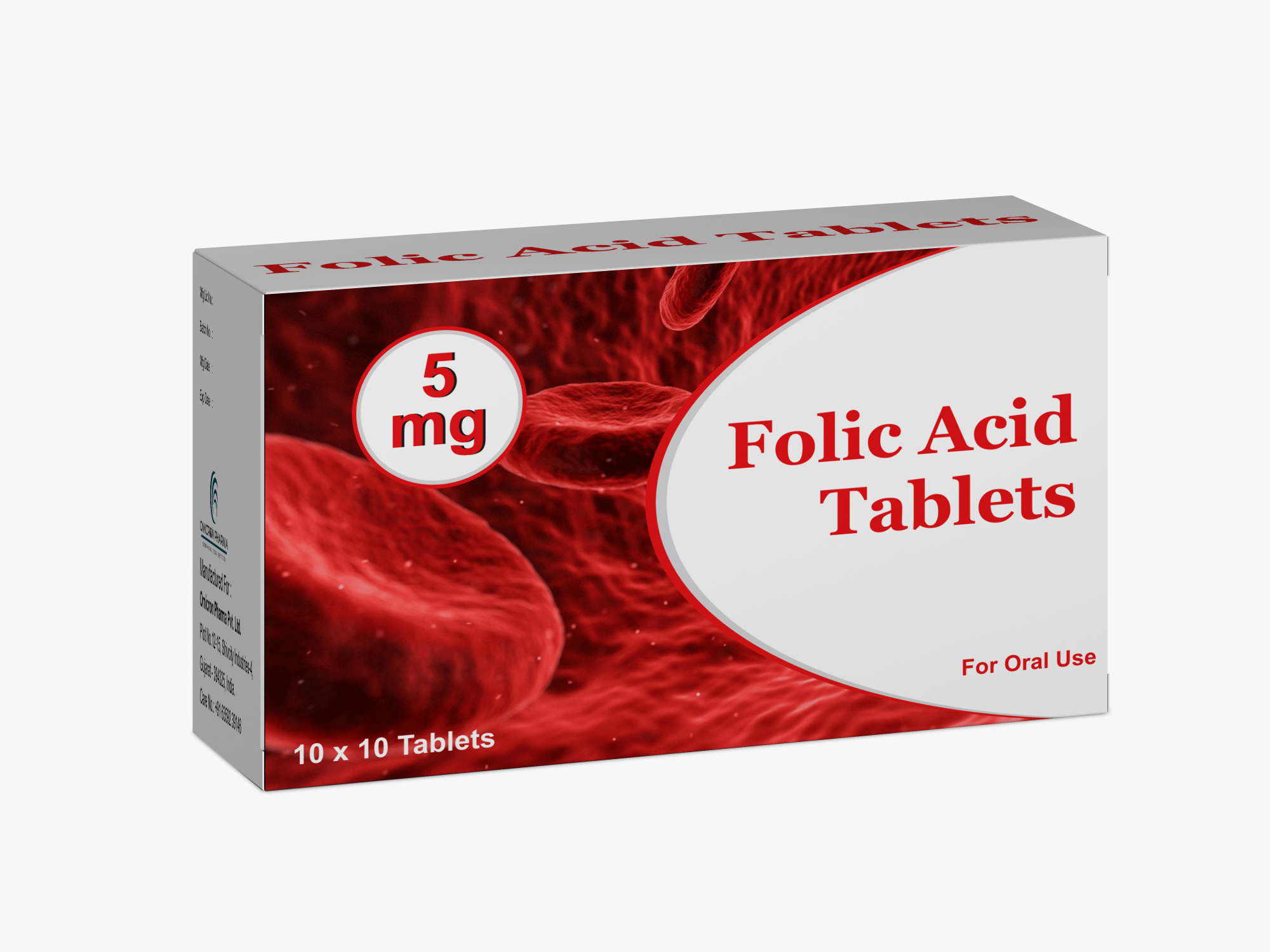
Folic Acid: Your Comprehensive Medical SEO Guide to Vitamin B9
Folic acid, also known as Vitamin B9, is a water-soluble vitamin essential for numerous bodily functions. While it's often highlighted for its critical role in pregnancy, its importance extends to everyone, playing a pivotal part in cell growth, DNA synthesis, and red blood cell formation. As an expert medical SEO copywriter and orthopedic specialist, we understand the profound impact of foundational health elements, and Folic Acid stands as a cornerstone of cellular integrity and overall well-being. This guide aims to provide an exhaustive, authoritative overview of Folic Acid, delving into its technical specifications, clinical applications, safety profile, and more.
Comprehensive Introduction & Overview
Folic acid is the synthetic form of folate, a naturally occurring B vitamin found in various foods. Our bodies cannot produce folate, making dietary intake or supplementation crucial. Its primary function revolves around one-carbon metabolism, a fundamental biochemical process involved in the synthesis of nucleotides (the building blocks of DNA and RNA) and the metabolism of amino acids.
The significance of Folic Acid cannot be overstated. It is indispensable for:
* Rapid Cell Division and Growth: Especially critical during periods of rapid growth, such as pregnancy and infancy.
* DNA Synthesis and Repair: Ensures the accurate replication and integrity of genetic material.
* Red Blood Cell Formation: Prevents megaloblastic anemia, a condition characterized by abnormally large, immature red blood cells.
* Homocysteine Metabolism: Helps convert homocysteine, an amino acid, into methionine, thereby potentially reducing the risk of cardiovascular disease.
* Nervous System Function: Supports neurotransmitter synthesis and overall brain health.
While natural folate is present in leafy green vegetables, fruits, and legumes, folic acid supplementation is often recommended due to its higher bioavailability and stability, particularly in fortified foods and supplements.
Deep-Dive into Technical Specifications & Mechanisms
Understanding how Folic Acid works at a molecular level provides insight into its widespread effects on human health.
Chemical Structure & Forms
- Folate: The generic term for a group of water-soluble B vitamins, naturally present in foods. Folate exists in various forms (polyglutamates) that need to be deconjugated to monoglutamates for absorption.
- Folic Acid: The synthetic, oxidized monoglutamate form used in fortified foods and dietary supplements. It is more stable than natural folate.
- L-Methylfolate (5-MTHF): The biologically active form of folate that can be directly utilized by the body without further metabolic conversion. This form is particularly relevant for individuals with genetic variations in the MTHFR enzyme, which affects folate metabolism.
Mechanism of Action
Folic acid's therapeutic effects stem from its conversion into its active coenzyme forms, primarily tetrahydrofolate (THF). This conversion is a multi-step enzymatic process.
- Reduction: Folic acid is first reduced to dihydrofolate (DHF) by the enzyme dihydrofolate reductase (DHFR), primarily in the liver and intestinal cells.
- Further Reduction: DHF is then further reduced to tetrahydrofolate (THF) by the same DHFR enzyme.
- Methylation: THF is then converted to 5,10-methylenetetrahydrofolate, which is subsequently reduced to 5-methyltetrahydrofolate (5-MTHF) by the enzyme methylenetetrahydrofolate reductase (MTHFR). 5-MTHF is the primary circulating form of folate and the active coenzyme.
The active forms of folate, particularly 5-MTHF, participate in key metabolic pathways:
- Nucleic Acid Synthesis: Folate coenzymes are crucial for the synthesis of purines (adenine, guanine) and pyrimidines (thymine), which are essential components of DNA and RNA. This makes folate vital for cell division and growth.
- Amino Acid Metabolism:
- Homocysteine to Methionine: 5-MTHF donates a methyl group to homocysteine, converting it to methionine. This reaction, catalyzed by methionine synthase, is critical for reducing homocysteine levels, which, when elevated, are associated with an increased risk of cardiovascular disease.
- Glycine and Serine Interconversion: Folate coenzymes are involved in the interconversion of these amino acids.
- Red Blood Cell Maturation: By facilitating DNA synthesis, folate is essential for the proper maturation of red blood cells in the bone marrow. Deficiency leads to the production of large, immature red blood cells, characteristic of megaloblastic anemia.
Pharmacokinetics
The journey of Folic Acid through the body involves distinct stages of absorption, distribution, metabolism, and excretion.
- Absorption:
- Site: Primarily absorbed in the proximal small intestine (duodenum and jejunum).
- Mechanism: Folic acid, being a monoglutamate, is absorbed almost completely via a carrier-mediated process. Dietary folates (polyglutamates) must first be hydrolyzed to monoglutamate forms by gamma-glutamyl hydrolase (folate conjugase) in the intestine before absorption. This hydrolysis is a rate-limiting step for natural folates, making synthetic folic acid more bioavailable.
- Bioavailability: Folic acid has approximately 85% bioavailability when consumed with food and nearly 100% when taken on an empty stomach.
- Distribution:
- Binding: Folic acid is transported in the blood, largely unbound, or loosely bound to plasma proteins.
- Storage: The liver is the primary storage site for folate, holding approximately 50% of the body's total folate stores. Smaller amounts are stored in red blood cells and other tissues. Total body folate stores are typically 10-20 mg.
- Half-life: The half-life of absorbed folic acid is approximately 3-6 hours.
- Metabolism:
- Conversion: Folic acid is rapidly reduced and methylated in the liver and intestinal cells to its active forms, predominantly 5-methyltetrahydrofolate (5-MTHF). This conversion involves the enzymes DHFR and MTHFR.
- Enterohepatic Recirculation: Folate undergoes enterohepatic recirculation, meaning it is secreted into bile and reabsorbed in the intestine, contributing to its retention in the body.
- Excretion:
- Route: Primarily excreted via the kidneys in the urine. Small amounts are also excreted in feces.
- High Doses: When very high doses of folic acid are ingested, the body's capacity to convert it to active forms can be overwhelmed, leading to the excretion of unmetabolized folic acid in the urine.
Extensive Clinical Indications & Usage
Folic Acid's critical roles in cell metabolism translate into several vital clinical indications.
1. Prevention of Neural Tube Defects (NTDs)
This is arguably the most well-known and critical indication for folic acid supplementation. NTDs are severe birth defects of the brain and spine (e.g., spina bifida, anencephaly) that occur in the first few weeks of pregnancy, often before a woman knows she is pregnant.
- Mechanism: Adequate folate levels are essential for proper neural tube closure during early embryonic development.
- Recommendation: All women of childbearing age, particularly those planning pregnancy, should take a daily folic acid supplement.
- Dosage: The standard recommendation is 400 micrograms (mcg) daily, starting at least one month before conception and continuing through the first trimester of pregnancy. For women with a history of NTD-affected pregnancies or other risk factors, a higher dose (e.g., 4 mg or 4000 mcg) may be recommended under medical supervision.
2. Treatment of Folate Deficiency Anemia
Folate deficiency can lead to megaloblastic anemia, characterized by large, immature red blood cells and symptoms like fatigue, weakness, pallor, and shortness of breath.
- Causes:
- Inadequate Dietary Intake: Poor nutrition, alcoholism.
- Malabsorption Syndromes: Celiac disease, Crohn's disease, tropical sprue.
- Increased Demand: Pregnancy, lactation, rapid growth, hemolytic anemia, certain cancers.
- Drug-Induced: Methotrexate, sulfasalazine, trimethoprim, some anticonvulsants.
- Diagnosis: Confirmed by blood tests showing low serum or red blood cell folate levels, often accompanied by macrocytosis (high MCV).
- Dosage: Typically 1 mg to 5 mg daily, depending on the severity of the deficiency and underlying cause, until hematological parameters normalize.
3. Hyperhomocysteinemia
Elevated levels of homocysteine in the blood are considered an independent risk factor for cardiovascular disease, stroke, and peripheral vascular disease.
- Mechanism: Folic acid, along with vitamins B6 and B12, is crucial for the metabolism of homocysteine. Folic acid helps convert homocysteine to methionine.
- Usage: Folic acid supplementation can effectively lower homocysteine levels, although the direct impact on cardiovascular event reduction is still a subject of ongoing research.
4. Adjunctive Therapy for Methotrexate Toxicity
Methotrexate (MTX) is a folate antagonist widely used in cancer chemotherapy and for autoimmune diseases like rheumatoid arthritis and psoriasis. It inhibits DHFR, preventing folate metabolism and DNA synthesis, which is how it exerts its therapeutic effect.
- Usage: Folic acid or folinic acid (leucovorin, a reduced form of folate) is often prescribed concurrently with MTX to "rescue" healthy cells from MTX's toxic effects, reducing side effects such as mucositis, gastrointestinal upset, and myelosuppression, without significantly compromising MTX's efficacy against the disease.
- Dosage: Varies widely based on MTX regimen and indication; typically 1-5 mg daily, often taken on non-MTX days.
5. Other Potential Indications
- Depression: Some studies suggest that folate deficiency may be linked to depression, and folic acid supplementation, particularly L-methylfolate, may augment the effects of antidepressants in some individuals.
- Cognitive Function: Adequate folate levels are associated with better cognitive function, especially in the elderly, and supplementation may slow cognitive decline in those with deficiency.
- Certain Cancers: While high doses of folic acid have been a topic of debate regarding cancer progression, adequate folate status is generally considered protective against the initiation of certain cancers (e.g., colorectal cancer). The relationship is complex and dose-dependent.
- Kidney Disease: Patients with chronic kidney disease often have elevated homocysteine levels and may benefit from folic acid supplementation.
Dosage Guidelines
Recommended daily allowances (RDAs) for folic acid vary by age, gender, and physiological state.
| Population Group | Recommended Daily Allowance (RDA) |
|---|---|
| Infants (0-6 months) | 65 mcg DFE* |
| Infants (7-12 months) | 80 mcg DFE* |
| Children (1-3 years) | 150 mcg DFE* |
| Children (4-8 years) | 200 mcg DFE* |
| Children (9-13 years) | 300 mcg DFE* |
| Adolescents (14-18 years) | 400 mcg DFE* |
| Adults (19+ years) | 400 mcg DFE* |
| Pregnant Women (or planning pregnancy) | 600 mcg DFE* |
| Lactating Women | 500 mcg DFE* |
*DFE = Dietary Folate Equivalents. 1 mcg DFE = 1 mcg food folate = 0.6 mcg folic acid from supplements/fortified food.
Specific Clinical Dosages:
- NTD Prevention: 400 mcg daily for all women of childbearing age; 4 mg (4000 mcg) daily for high-risk individuals (under medical supervision).
- Folate Deficiency Anemia: 1 mg to 5 mg (1000-5000 mcg) daily until normal blood parameters are restored.
- Methotrexate Co-administration: Typically 1 mg to 5 mg daily, often on days when MTX is not taken. Precise dosing should be determined by a healthcare provider.
- Hyperhomocysteinemia: Dosages vary, often 0.8 mg to 5 mg daily, in combination with B6 and B12.
Maximum Tolerable Intake (UL): The UL for adults is 1,000 mcg (1 mg) of folic acid from supplements and fortified foods daily. This limit is primarily set to avoid masking a Vitamin B12 deficiency, which can lead to irreversible neurological damage if left undiagnosed.
Risks, Side Effects, & Contraindications
Folic acid is generally considered safe and well-tolerated, especially within recommended dosages. However, certain risks and precautions must be considered.
Contraindications
- Undiagnosed Megaloblastic Anemia (due to Vitamin B12 deficiency): This is the most critical contraindication. Folic acid can correct the hematological abnormalities (anemia) associated with B12 deficiency, but it will not prevent or reverse the progressive and irreversible neurological damage that can occur if the underlying B12 deficiency remains untreated. Therefore, B12 deficiency must be ruled out before initiating high-dose folic acid therapy for megaloblastic anemia.
- Hypersensitivity: Rare allergic reactions to folic acid or any component of the supplement.
Warnings and Precautions
- Masking of Vitamin B12 Deficiency: As mentioned, this is the paramount concern. Always assess Vitamin B12 status, especially in elderly patients or those at risk for pernicious anemia or other causes of B12 malabsorption, before starting high-dose folic acid.
- Epilepsy/Seizure Disorders: High doses of folic acid (e.g., above 1 mg/day) may potentially reduce the effectiveness of certain anticonvulsant medications (e.g., phenytoin, phenobarbital), increasing seizure frequency in susceptible individuals.
- Cancer: The role of folic acid in cancer is complex. While adequate folate status is linked to reduced risk of certain cancers, very high doses of folic acid in individuals with existing, undiagnosed cancers might theoretically promote tumor growth. This remains an active area of research.
Adverse Effects
Side effects from folic acid are rare and usually mild, especially at typical supplemental doses.
- Common (Rare):
- Gastrointestinal upset (nausea, bloating, loss of appetite)
- Skin reactions (rash, itching)
- Sleep disturbances (insomnia)
- Irritability
- Allergic Reactions (Extremely Rare):
- Anaphylaxis
- Bronchospasm
- Angioedema
Drug Interactions
Folic acid can interact with several medications, potentially altering their efficacy or increasing side effects.
| Drug Class/Name | Interaction Mechanism | Clinical Implication |
| Anticonvulsants (e.g., Phenytoin, Carbamazepine, Valproate, Phenobarbital, Primidone) | Folic acid can increase the metabolism of some anticonvulsants, reducing their plasma levels. Conversely, some anticonvulsants inhibit folate absorption and metabolism.