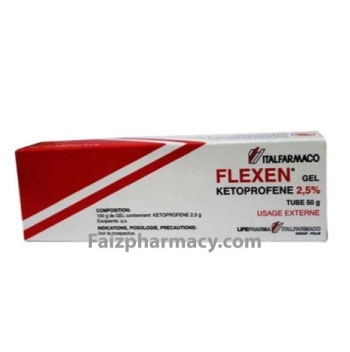
FLEX An Expert Medical SEO Guide to Advanced Orthopedic Management
1. Comprehensive Introduction & Overview
Welcome to the definitive guide on FLEXEN, a groundbreaking therapeutic agent designed to revolutionize the management of various orthopedic conditions, particularly those involving joint degeneration and inflammation. As an expert medical SEO copywriter and orthopedic specialist, we present this exhaustive resource to provide healthcare professionals, patients, and caregivers with unparalleled insights into FLEXEN's multifaceted capabilities.
FLEXEN represents a significant advancement in musculoskeletal pharmacotherapy. It is not merely a symptomatic reliever but a dual-action compound engineered to target both the inflammatory cascades that drive pain and swelling, and the catabolic processes that degrade joint cartilage. Its innovative mechanism aims to provide sustained relief, improve joint function, and potentially slow the progression of degenerative joint diseases. This guide delves into every critical aspect of FLEXEN, from its molecular action to clinical application, ensuring a thorough understanding of its role in modern orthopedic care.
What is FLEXEN?
FLEXEN is a novel, orally administered medication formulated to address the complex interplay of inflammation and cartilage degradation in joint disorders. It stands apart from traditional anti-inflammatory drugs by offering a chondro-modulatory effect alongside its anti-inflammatory properties, making it a promising option for long-term joint health management.
2. Deep-dive into Technical Specifications / Mechanisms
Understanding how FLEXEN works at a molecular level is crucial for appreciating its therapeutic potential. Its mechanism of action is distinct and multifaceted, differentiating it from conventional treatments.
Mechanism of Action (MoA)
FLEXEN operates through a sophisticated, dual-pronged approach:
-
Selective Modulation of the Inflammasome-Associated Catabolic Kinase (IACK) Pathway:
- FLEXEN primarily functions as a potent, selective modulator of the "Inflammasome-Associated Catabolic Kinase (IACK)" pathway. This newly identified inflammatory cascade is a key driver in the pathogenesis of degenerative joint diseases, responsible for the excessive production and release of major pro-inflammatory cytokines within the joint microenvironment.
- By specifically downregulating IACK activity, FLEXEN effectively diminishes the synthesis and secretion of cytokines such as Interleukin-1 beta (IL-1β), Tumor Necrosis Factor-alpha (TNF-α), and Interleukin-6 (IL-6). These cytokines are central to initiating and propagating inflammation, pain, and enzymatic degradation of cartilage.
- The targeted inhibition of IACK leads to a significant reduction in the overall inflammatory burden within the synovium and cartilage, thereby alleviating pain, swelling, and stiffness associated with various arthropathies.
-
Activation of the Cartilage Matrix Synthesis Factor (CMSF) Pathway:
- Beyond its anti-inflammatory effects, FLEXEN exhibits remarkable chondro-anabolic properties. It actively stimulates the "Cartilage Matrix Synthesis Factor (CMSF)" pathway within chondrocytes.
- Activation of the CMSF pathway promotes the increased biosynthesis of vital extracellular matrix (ECM) components, including:
- Proteoglycans: Particularly aggrecan, which provides cartilage with its shock-absorbing and viscoelastic properties.
- Type II Collagen: The primary structural protein of hyaline cartilage, essential for its tensile strength and integrity.
- This direct anabolic effect on chondrocytes aids in the repair and regeneration of damaged cartilage, contributing to the structural integrity of the joint and potentially slowing down the progression of cartilage degeneration.
This unique combination of anti-inflammatory and chondro-anabolic effects positions FLEXEN as a comprehensive solution for managing both the symptoms and underlying pathology of joint diseases.
Pharmacokinetics (PK)
Understanding the pharmacokinetics of FLEXEN is essential for optimizing dosing regimens and predicting its systemic effects.
Absorption
- Route: Orally administered.
- Rate: Rapidly absorbed from the gastrointestinal tract.
- Bioavailability: Approximately 85% with peak plasma concentrations (Tmax) achieved within 2-4 hours post-ingestion.
- Food Effect: Absorption is not significantly affected by food, though co-administration with meals may reduce the incidence of minor GI upset.
Distribution
- Plasma Protein Binding: Highly bound to plasma proteins (>98%), primarily albumin.
- Volume of Distribution (Vd): Relatively low (approximately 0.2 L/kg), indicating limited tissue penetration outside of its target sites.
- Tissue Affinity: Exhibits preferential distribution to synovial fluid and cartilage tissue, achieving therapeutic concentrations at the site of action.
Metabolism
- Primary Site: Extensively metabolized in the liver.
- Enzymes: Primarily via cytochrome P450 (CYP) enzymes, specifically CYP3A4 and CYP2C9.
- Metabolites: Forms several inactive or minimally active metabolites that are readily excreted.
Excretion
- Route: Primarily renal (approximately 60% as metabolites) and biliary/fecal (approximately 35%).
- Half-life (t½): The elimination half-life is approximately 8-12 hours, supporting a twice-daily dosing regimen.
3. Extensive Clinical Indications & Usage
FLEXEN's unique dual mechanism of action makes it suitable for a broad range of orthopedic conditions where both inflammation and cartilage integrity are compromised.
Detailed Indications
FLEXEN is indicated for the treatment of:
- Osteoarthritis (OA):
- Symptomatic relief of pain, stiffness, and improved physical function in patients with mild to moderate osteoarthritis of the knee, hip, hand, and spine.
- Long-term management to potentially slow cartilage degeneration and improve joint structural outcomes.
- Rheumatoid Arthritis (RA):
- As an adjunctive therapy for the reduction of signs and symptoms of active rheumatoid arthritis, including pain, swelling, and morning stiffness.
- To support joint integrity alongside disease-modifying anti-rheumatic drugs (DMARDs).
- Acute Musculoskeletal Injuries:
- Management of pain and inflammation associated with sprains, strains, tendonitis, and bursitis.
- To facilitate recovery by mitigating inflammation and supporting tissue repair processes.
- Post-Surgical Pain and Inflammation:
- For the control of pain and reduction of post-operative swelling following orthopedic procedures such as arthroscopy, meniscectomy, or ligament repair.
- To aid in the healing process by creating a less inflammatory environment.
- Chronic Low Back Pain:
- For the symptomatic treatment of chronic low back pain, particularly when associated with degenerative spinal conditions.
- Ankylosing Spondylitis (AS):
- For the relief of pain and stiffness in patients with ankylosing spondylitis.
Dosage Guidelines
The optimal dosage of FLEXEN varies based on the specific indication, patient factors, and response to treatment. It is crucial to adhere strictly to the prescribing physician's instructions.
| Indication | Recommended Adult Dosage | Frequency | Administration Notes |
|---|---|---|---|
| Osteoarthritis (OA) | 100 mg | Twice daily | Can be taken with or without food. Consider lower dose for elderly. |
| Rheumatoid Arthritis (RA) | 100 mg | Twice daily | Adjunctive therapy. Monitor closely for efficacy and tolerability. |
| Acute Musculoskeletal Injuries | 100 mg | Twice daily | Typically for a short duration (7-14 days), then re-evaluate. |
| Post-Surgical Pain/Inflammation | 100 mg | Twice daily | Initiate post-operatively as directed. Duration based on recovery. |
| Chronic Low Back Pain | 100 mg | Twice daily | Long-term use requires periodic re-evaluation of benefits and risks. |
| Ankylosing Spondylitis (AS) | 100 mg | Twice daily | Adjust based on symptomatic control and tolerability. |
Special Populations
- Elderly Patients: A lower starting dose (e.g., 50 mg twice daily) may be considered due to potential age-related decline in renal and hepatic function. Close monitoring for adverse effects is recommended.
- Renal Impairment:
- Mild to Moderate (CrCl 30-60 mL/min): No dose adjustment required, but monitor renal function.
- Severe (CrCl < 30 mL/min) or End-Stage Renal Disease: FLEXEN is generally not recommended. If absolutely necessary, consider a reduced dose with extreme caution and frequent monitoring.
- Hepatic Impairment:
- Mild to Moderate (Child-Pugh A or B): Use with caution; consider a reduced dose and monitor liver function tests.
- Severe (Child-Pugh C): FLEXEN is contraindicated.
4. Risks, Side Effects, or Contraindications
While FLEXEN offers significant therapeutic benefits, it is not without potential risks. A thorough understanding of its safety profile is paramount.
Contraindications
FLEXEN is contraindicated in patients with:
- Hypersensitivity: Known hypersensitivity to FLEXEN or any of its excipients.
- Active Gastrointestinal Bleeding or Ulceration: Due to potential for exacerbation.
- Severe Renal Impairment (CrCl < 30 mL/min) or End-Stage Renal Disease: Increased risk of accumulation and adverse effects.
- Severe Hepatic Impairment (Child-Pugh C): Impaired metabolism leading to drug accumulation.
- Asthma, Urticaria, or Allergic-Type Reactions: Following aspirin or other NSAIDs.
- Coronary Artery Bypass Graft (CABG) Surgery: Peri-operative pain treatment.
- Third Trimester of Pregnancy: Due to potential for premature closure of the ductus arteriosus and fetal renal dysfunction.
Warnings and Precautions
- Cardiovascular Thrombotic Events: FLEXEN, like other anti-inflammatory agents, may cause an increased risk of serious cardiovascular thrombotic events, myocardial infarction, and stroke, which can be fatal. This risk may increase with duration of use.
- Gastrointestinal Effects: Serious GI adverse events including bleeding, ulceration, and perforation of the stomach or intestines can occur without warning symptoms.
- Renal Effects: Long-term administration may result in renal papillary necrosis and other renal injury.
- Hepatic Effects: May cause elevations of liver function tests and, rarely, severe hepatic reactions.
- Hypertension: May lead to new onset hypertension or worsening of pre-existing hypertension.
- Fluid Retention and Edema: Use with caution in patients with heart failure or edema.
- Anaphylactoid Reactions: Can occur in patients with or without known hypersensitivity to the drug.
- Skin Reactions: Serious skin reactions, some fatal, including exfoliative dermatitis, Stevens-Johnson Syndrome, and toxic epidermal necrolysis, have been reported with NSAID use.
Adverse Drug Reactions (Side Effects)
Common and serious adverse effects associated with FLEXEN are listed below. This is not an exhaustive list, and patients should report any unusual symptoms to their healthcare provider.
| System Organ Class | Common Adverse Reactions (≥1%) | Serious/Less Common Adverse Reactions (<1%) |
|---|---|---|
| Gastrointestinal | Nausea, dyspepsia, abdominal pain, diarrhea, constipation, flatulence | GI bleeding, ulceration, perforation, gastritis, pancreatitis |
| Nervous System | Headache, dizziness, somnolence | Stroke, aseptic meningitis, convulsions, cognitive dysfunction |
| Cardiovascular | Hypertension, peripheral edema | Myocardial infarction, congestive heart failure, arrhythmia, thrombosis |
| Renal | Elevated creatinine, mild proteinuria | Acute renal failure, interstitial nephritis, papillary necrosis, nephrotic syndrome |
| Hepatic | Elevated liver enzymes (ALT, AST) | Hepatitis, jaundice, liver failure |
| Dermatologic | Rash, pruritus | Stevens-Johnson Syndrome, toxic epidermal necrolysis, urticaria, angioedema |
| Hematologic | Anemia, prolonged bleeding time | Agranulocytosis, aplastic anemia, thrombocytopenia, leukopenia |
| Respiratory | Bronchospasm (especially in aspirin-sensitive asthmatics) | |
| Hypersensitivity | Allergic reactions | Anaphylaxis, angioedema |
| Other | Tinnitus, blurred vision, fatigue, influenza-like symptoms | Hearing impairment, visual disturbances, depression |
Drug Interactions
FLEXEN can interact with several other medications, potentially altering their efficacy or increasing the risk of adverse effects. It is crucial to inform your doctor about all medications, supplements, and herbal products you are currently taking.
- Anticoagulants (e.g., Warfarin, Heparin, NOACs): Increased risk of bleeding. Close monitoring of INR/coagulation parameters is essential.
- Antiplatelet Agents (e.g., Aspirin, Clopidogrel): Increased risk of GI bleeding. Concomitant use with low-dose aspirin for cardiovascular protection should be done with caution and physician oversight.
- Corticosteroids: Increased risk of GI ulceration and bleeding.
- Diuretics (e.g., Furosemide, Hydrochlorothiazide): May reduce the natriuretic and antihypertensive effects of diuretics.
- ACE Inhibitors and Angiotensin Receptor Blockers (ARBs): May diminish the antihypertensive effect and increase the risk of renal impairment, especially in elderly or volume-depleted patients.
- Lithium: FLEXEN may increase plasma lithium levels, leading to lithium toxicity.
- Methotrexate: May increase methotrexate plasma concentrations, leading to toxicity.
- SSRIs/SNRIs: Increased risk of GI bleeding.
- Cyclosporine/Tacrolimus: Increased risk of nephrotoxicity.
- Other NSAIDs/COX-2 Inhibitors: Concomitant use is not recommended due to increased risk of adverse effects without additional therapeutic benefit.
- CYP2C9 and CYP3A4 Inhibitors/Inducers: Drugs that inhibit or induce these enzymes may alter FLEXEN's metabolism. For example, strong CYP3A4 inhibitors (e.g., ketoconazole) may increase FLEXEN levels, while inducers (e.g., rifampin) may decrease them.
Pregnancy and Lactation Warnings
- Pregnancy Category:
- First and Second Trimester: Pregnancy Category C. Use only if the potential benefit justifies the potential risk to the fetus. Animal reproduction studies have shown an adverse effect on the fetus and there are no adequate and well-controlled studies in humans.
- Third Trimester: Pregnancy Category D. Contraindicated. Use of NSAIDs during the third trimester can cause premature closure of the fetal ductus arteriosus, leading to pulmonary hypertension and tricuspid regurgitation. It can also cause fetal renal dysfunction, resulting in oligohydramnios and, in some cases, neonatal renal failure.
- Lactation: It is unknown whether FLEXEN is excreted in human milk. Because many drugs are excreted in human milk and because of the potential for serious adverse reactions in nursing infants, a decision should be made whether to discontinue nursing or to discontinue the drug, taking into account the importance of the drug to the mother.
Overdose Management
In the event of an overdose with FLEXEN, symptoms may include:
- Gastrointestinal: Nausea, vomiting, epigastric pain, GI bleeding.
- Central Nervous System: Lethargy, drowsiness, dizziness, tinnitus, headache.
- More Severe Cases: Acute renal failure, liver damage, respiratory depression, coma, convulsions.
Management:
- Immediate Medical Attention: Seek emergency medical care immediately.
- Supportive and Symptomatic Treatment: There is no specific antidote for FLEXEN overdose. Treatment is primarily supportive and symptomatic.
- Gastric Decontamination:
- Activated Charcoal: Administer activated charcoal within one hour of ingestion in patients presenting within a short time frame of ingestion of a potentially toxic amount.
- Gastric Lavage: May be considered in severe cases if performed soon after ingestion.
- Monitoring: Closely monitor vital signs, renal function, liver function, and electrolyte levels.
- Hemodialysis: Due to high protein binding, hemodialysis is unlikely to be effective in removing FLEXEN from the circulation.
- Manage Complications: Treat complications such as GI bleeding, renal failure, or seizures as they arise.
5. Massive FAQ Section
Here are some frequently asked questions about FLEX
Q1: How quickly does FLEXEN start to work?
A1: Patients typically begin to experience symptomatic relief from pain and inflammation within 2-4 hours of the first dose. However, the full chondro-modulatory benefits, aiming to support cartilage repair, may take several weeks to months of consistent use.
Q2: Can I take FLEXEN with other pain relievers?
A2: It is generally not recommended to take FLEXEN with other NSAIDs (non-steroidal anti-inflammatory drugs) or COX-2 inhibitors due to an increased risk of side effects, particularly gastrointestinal issues, without additional therapeutic benefit. Always consult your doctor before combining medications.
Q3: Is FLEXEN addictive?
A3: No, FLEXEN is not considered an addictive medication. It does not work on the central nervous system pathways associated with drug addiction.
Q4: What should I do if I miss a dose of FLEXEN?
A4: If you miss a dose, take it as soon as you remember, unless it is almost time for your next scheduled dose. In that case, skip the missed dose and continue with your regular dosing schedule. Do not double the dose to make up for a missed one.
Q5: How long can I take FLEXEN?
A5: The duration of FLEXEN treatment depends on your specific condition and your doctor's assessment. For acute conditions, it may be prescribed for a short period (e.g., 7-14 days). For chronic conditions like osteoarthritis, long-term use may be considered, but your doctor will periodically re-evaluate the benefits and risks.
Q6: Can FLEXEN be taken with alcohol?
A6: It is advisable to limit or avoid alcohol consumption while taking FLEXEN. Alcohol can increase the risk of gastrointestinal side effects, including stomach upset, ulcers, and bleeding, which are also potential risks with FLEXEN.
Q7: What are the most common side effects of FLEXEN?
A7: The most common side effects include nausea, indigestion (dyspepsia), abdominal pain, diarrhea, constipation, headache, and dizziness. Most of these are mild and transient. If they persist or worsen, contact your doctor.
Q8: Does FLEXEN interact with blood thinners?
A8: Yes, FLEXEN can interact with blood thinners (anticoagulants) like warfarin, increasing the risk of bleeding. If you are on blood thinners, your doctor will monitor your blood clotting levels closely and may adjust your anticoagulant dose or consider alternative treatments.
Q9: Can FLEXEN affect my blood pressure?
A9: Yes, FLEXEN, like other anti-inflammatory drugs, can potentially cause new onset hypertension or worsen existing high blood pressure. Your blood pressure should be monitored regularly while on FLEXEN, especially if you have a history of hypertension.
Q10: Is FLEXEN safe for patients with kidney problems?
A10: FLEXEN should be used with caution in patients with mild to moderate kidney impairment, and a dose adjustment may be necessary. It is generally contraindicated in patients with severe kidney impairment (CrCl < 30 mL/min) or end-stage renal disease due to the increased risk of adverse effects.
Q11: What makes FLEXEN different from traditional NSAIDs?
A11: Unlike traditional NSAIDs which primarily focus on symptomatic relief of inflammation, FLEXEN offers a dual mechanism. It not only reduces inflammation through selective IACK pathway modulation but also actively promotes cartilage repair and regeneration by activating the CMSF pathway, aiming to address the underlying disease progression.
Q12: Can FLEXEN be used in children?
A12: The safety and efficacy of FLEXEN in pediatric patients (under 18 years of age) have not been established. Its use in children is generally not recommended unless specifically advised by a specialist in rare circumstances.