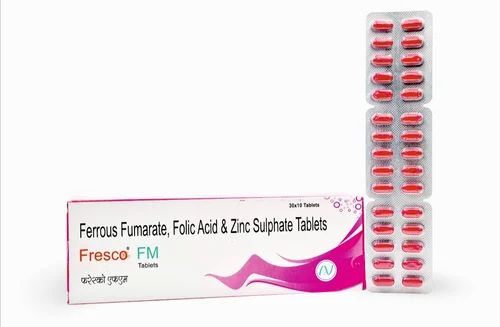
Ferrous Fumarate: Your Definitive Medical SEO Guide to Iron Supplementation
Iron deficiency is a global health concern, affecting billions worldwide and leading to a myriad of health complications, most notably iron deficiency anemia (IDA). Among the various oral iron supplements available, Ferrous Fumarate stands out as a widely prescribed and effective option. This comprehensive guide, crafted by an expert Medical SEO Copywriter and Orthopedic Specialist, delves into every critical aspect of Ferrous Fumarate, providing authoritative insights for healthcare professionals and patients alike.
1. Comprehensive Introduction & Overview
Ferrous Fumarate is an iron salt, specifically a ferrous (Fe²⁺) iron supplement, used to prevent and treat iron deficiency and iron deficiency anemia. Iron is an indispensable mineral vital for numerous bodily functions. Its primary role is in the synthesis of hemoglobin, the protein in red blood cells responsible for transporting oxygen from the lungs to all tissues and organs. Without adequate iron, the body cannot produce enough healthy red blood cells, leading to fatigue, weakness, impaired cognitive function, and compromised immune response.
As an oral iron supplement, Ferrous Fumarate offers a convenient and generally well-tolerated method to replenish the body's iron stores. Its efficacy stems from its elemental iron content and good bioavailability, making it a cornerstone in the management of iron-related disorders. This guide aims to demystify Ferrous Fumarate, covering its scientific underpinnings, clinical applications, safety profile, and practical considerations for optimal use.
2. Deep-Dive into Technical Specifications / Mechanisms
Understanding how Ferrous Fumarate works at a molecular level is crucial for appreciating its therapeutic value.
Mechanism of Action
Ferrous Fumarate provides elemental iron, which is absorbed in the gastrointestinal tract and then utilized by the body. Here's a breakdown of its mechanism:
- Elemental Iron Supply: Ferrous Fumarate dissociates in the acidic environment of the stomach to release ferrous (Fe²⁺) iron. The ferrous form is more readily absorbed than the ferric (Fe³⁺) form.
- Absorption: Iron absorption primarily occurs in the duodenum and proximal jejunum. Specialized transport proteins, such as the Divalent Metal Transporter 1 (DMT1), facilitate the uptake of ferrous iron into enterocytes (intestinal cells).
- Intracellular Processing: Once inside the enterocyte, iron can either be stored as ferritin (a protein complex that stores iron) or transported into the bloodstream.
- Systemic Transport: Iron exits the enterocyte via ferroportin, a basolateral iron exporter, and is then oxidized back to the ferric (Fe³⁺) form by hephaestin before binding to transferrin. Transferrin is the main iron-transport protein in plasma, responsible for delivering iron to various tissues.
- Utilization: Transferrin-bound iron is transported to the bone marrow, where it is incorporated into heme synthesis for the production of hemoglobin in developing red blood cells. It's also delivered to other tissues for various metabolic processes, including myoglobin synthesis in muscles and as a cofactor for numerous enzymes involved in energy metabolism and DNA synthesis.
- Storage: Excess iron is stored primarily in the liver, spleen, and bone marrow in the form of ferritin or hemosiderin.
Pharmacokinetics
The pharmacokinetic profile of Ferrous Fumarate dictates its absorption, distribution, metabolism, and excretion within the body.
- Absorption:
- Site: Primarily absorbed in the duodenum and upper jejunum.
- Rate: Absorption is variable and influenced by the body's iron stores (higher absorption in iron-deficient states), dietary factors, and gastric acidity.
- Enhancers: Vitamin C (ascorbic acid) significantly enhances ferrous iron absorption by reducing ferric iron to ferrous iron and forming a soluble chelate.
- Inhibitors: Certain foods (e.g., dairy, tea, coffee, whole grains, eggs) and medications (e.g., antacids, proton pump inhibitors) can significantly reduce iron absorption.
- Distribution:
- Once absorbed, iron binds to transferrin for transport in the plasma.
- It is widely distributed throughout the body, with high concentrations found in the bone marrow (for erythropoiesis), liver (for storage), spleen (for red blood cell recycling), and muscle (as myoglobin).
- Metabolism:
- Iron is not metabolized in the conventional sense of being broken down into smaller components. Instead, it is incorporated into functional molecules (like hemoglobin and enzymes) or stored.
- The body has a highly regulated system to manage iron levels, as both deficiency and overload can be detrimental.
- Excretion:
- The body has limited mechanisms for iron excretion.
- Small amounts are lost daily through the shedding of intestinal mucosal cells, sweat, urine, and bile.
- Menstruation in women is a significant physiological route of iron loss.
- The body conserves iron efficiently, recycling it from old red blood cells.
3. Extensive Clinical Indications & Usage
Ferrous Fumarate is indicated for a range of conditions characterized by iron deficiency or increased iron requirements.
Primary Indications
The main therapeutic uses of Ferrous Fumarate include:
- Iron Deficiency Anemia (IDA): This is the most common indication, where the body lacks sufficient iron to produce adequate hemoglobin, leading to microcytic, hypochromic anemia. Ferrous Fumarate is used for both the treatment and prevention of IDA.
- Pregnancy: Pregnant women have significantly increased iron requirements due to fetal development, placental growth, and increased maternal blood volume. Ferrous Fumarate is routinely prescribed for prophylaxis and treatment of IDA during pregnancy.
- Chronic Blood Loss: Conditions leading to persistent blood loss, such as:
- Menorrhagia (heavy menstrual bleeding): A common cause of IDA in women.
- Gastrointestinal bleeding: From ulcers, gastritis, hemorrhoids, diverticulosis, or inflammatory bowel disease.
- Frequent blood donation: Regular donors may require iron supplementation.
- Malabsorption Syndromes: Conditions that impair nutrient absorption can lead to iron deficiency, including:
- Celiac disease
- Crohn's disease
- Gastric bypass surgery or other bariatric procedures
- Achlorhydria (lack of stomach acid)
- Dietary Insufficiency: Individuals with diets low in iron, such as:
- Strict vegetarians or vegans (if not consuming sufficient iron-rich plant foods and enhancers).
- Individuals with overall poor nutritional intake.
- Infants and Children:
- Rapid growth spurts: Increased iron demand during periods of rapid growth.
- Premature infants and low birth weight infants: Often born with lower iron stores.
- Infants exclusively breastfed beyond 4-6 months: If not introduced to iron-fortified solids.
- Renal Dialysis Patients: Chronic kidney disease often leads to IDA due to reduced erythropoietin production, inflammation, and blood loss during dialysis.
Dosage Guidelines
Dosage of Ferrous Fumarate is typically based on the elemental iron content and tailored to the individual's age, weight, and severity of iron deficiency.
General Principles:
- Elemental Iron: Always refer to the elemental iron content, not just the salt weight. For example, a 325 mg tablet of Ferrous Fumarate typically contains approximately 106 mg of elemental iron.
- Administration: For optimal absorption, Ferrous Fumarate is best taken on an empty stomach (1 hour before or 2 hours after meals). However, to minimize gastrointestinal upset, it can be taken with food.
- With Vitamin C: Co-administration with Vitamin C (e.g., orange juice or a Vitamin C supplement) can enhance absorption.
- Duration: Treatment usually continues for 3-6 months after hemoglobin levels normalize to replenish iron stores.
Specific Dosage Recommendations (General Guidance - Always consult a healthcare professional):
| Patient Group | Condition | Recommended Elemental Iron Dosage (Daily) | Administration Notes |
|---|---|---|---|
| Adults | Treatment of IDA | 100-200 mg | Often divided into 1-2 doses per day. |
| Prophylaxis | 30-60 mg | Once daily. | |
| Pregnant Women | Prophylaxis | 30-60 mg | Once daily, especially in the second and third trimesters. |
| Treatment of IDA | 60-120 mg | Often divided into 1-2 doses per day. | |
| Children (2-12 years) | Treatment of IDA | 3-6 mg/kg | Divided into 1-3 doses per day. Max 200 mg/day elemental iron. |
| Infants (0-2 years) | Treatment of IDA | 3-6 mg/kg | Divided into 1-3 doses per day. |
| Prophylaxis (preterm) | 2-4 mg/kg | Once daily, starting at 1 month of age. |
Monitoring: Regular blood tests, including complete blood count (CBC), serum ferritin, serum iron, and total iron-binding capacity (TIBC), are essential to monitor treatment efficacy and adjust dosage.
4. Risks, Side Effects, and Contraindications
While generally safe and effective, Ferrous Fumarate is not without its risks and potential side effects.
Contraindications
Ferrous Fumarate should not be used in individuals with:
- Hemochromatosis and Hemosiderosis: These are conditions of iron overload, where excess iron accumulates in the body, potentially damaging organs. Iron supplementation would exacerbate these conditions.
- Non-Iron Deficiency Anemias: Conditions like thalassemia, sideroblastic anemia, and hemolytic anemia are not caused by iron deficiency. Administering iron in these cases can lead to iron overload and worsen the underlying condition.
- Hypersensitivity: Known allergy to Ferrous Fumarate or any of its excipients.
- Repeated Blood Transfusions: Patients receiving frequent blood transfusions are at high risk of iron overload.
- Active Gastrointestinal Diseases: Conditions such as active peptic ulcer disease, regional enteritis, or ulcerative colitis may be exacerbated by the irritant effects of iron, leading to increased discomfort or bleeding.
Drug Interactions
Ferrous Fumarate can interact with various medications, affecting either its absorption or the absorption of other drugs.
| Interacting Substance | Effect of Interaction | Management Recommendation
Fer Ferrous Fumarate: The Definitive Medical SEO Guide to Iron Supplementation
Iron deficiency is a global health concern, affecting billions worldwide and leading to a myriad of health complications, most notably iron deficiency anemia (IDA). Among the various oral iron supplements available, Ferrous Fumarate stands out as a widely prescribed and effective option. This comprehensive guide, crafted by an expert Medical SEO Copywriter and Orthopedic Specialist, delves into every critical aspect of Ferrous Fumarate, providing authoritative insights for healthcare professionals and patients alike.
1. Comprehensive Introduction & Overview
Ferrous Fumarate is an iron salt, specifically a ferrous (Fe²⁺) iron supplement, used to prevent and treat iron deficiency and iron deficiency anemia. Iron is an indispensable mineral vital for numerous bodily functions. Its primary role is in the synthesis of hemoglobin, the protein in red blood cells responsible for transporting oxygen from the lungs to all tissues and organs. Without adequate iron, the body cannot produce enough healthy red blood cells, leading to fatigue, weakness, impaired cognitive function, and compromised immune response.
As an oral iron supplement, Ferrous Fumarate offers a convenient and generally well-tolerated method to replenish the body's iron stores. Its efficacy stems from its elemental iron content and good bioavailability, making it a cornerstone in the management of iron-related disorders. This guide aims to demystify Ferrous Fumarate, covering its scientific underpinnings, clinical applications, safety profile, and practical considerations for optimal use.
2. Deep-Dive into Technical Specifications / Mechanisms
Understanding how Ferrous Fumarate works at a molecular level is crucial for appreciating its therapeutic value.
Mechanism of Action
Ferrous Fumarate provides elemental iron, which is absorbed in the gastrointestinal tract and then utilized by the body. Here's a breakdown of its mechanism:
- Elemental Iron Supply: Ferrous Fumarate dissociates in the acidic environment of the stomach to release ferrous (Fe²⁺) iron. The ferrous form is more readily absorbed than the ferric (Fe³⁺) form.
- Absorption: Iron absorption primarily occurs in the duodenum and proximal jejunum. Specialized transport proteins, such as the Divalent Metal Transporter 1 (DMT1), facilitate the uptake of ferrous iron into enterocytes (intestinal cells).
- Intracellular Processing: Once inside the enterocyte, iron can either be stored as ferritin (a protein complex that stores iron) or transported into the bloodstream.
- Systemic Transport: Iron exits the enterocyte via ferroportin, a basolateral iron exporter, and is then oxidized back to the ferric (Fe³⁺) form by hephaestin before binding to transferrin. Transferrin is the main iron-transport protein in plasma, responsible for delivering iron to various tissues.
- Utilization: Transferrin-bound iron is transported to the bone marrow, where it is incorporated into heme synthesis for the production of hemoglobin in developing red blood cells. It's also delivered to other tissues for various metabolic processes, including myoglobin synthesis in muscles and as a cofactor for numerous enzymes involved in energy metabolism and DNA synthesis.
- Storage: Excess iron is stored primarily in the liver, spleen, and bone marrow in the form of ferritin or hemosiderin.
Pharmacokinetics
The pharmacokinetic profile of Ferrous Fumarate dictates its absorption, distribution, metabolism, and excretion within the body.
- Absorption:
- Site: Primarily absorbed in the duodenum and upper jejunum.
- Rate: Absorption is variable and influenced by the body's iron stores (higher absorption in iron-deficient states), dietary factors, and gastric acidity.
- Enhancers: Vitamin C (ascorbic acid) significantly enhances ferrous iron absorption by reducing ferric iron to ferrous iron and forming a soluble chelate.
- Inhibitors: Certain foods (e.g., dairy, tea, coffee, whole grains, eggs) and medications (e.g., antacids, proton pump inhibitors) can significantly reduce iron absorption.
- Distribution:
- Once absorbed, iron binds to transferrin for transport in the plasma.
- It is widely distributed throughout the body, with high concentrations found in the bone marrow (for erythropoiesis), liver (for storage), spleen (for red blood cell recycling), and muscle (as myoglobin).
- Metabolism:
- Iron is not metabolized in the conventional sense of being broken down into smaller components. Instead, it is incorporated into functional molecules (like hemoglobin and enzymes) or stored.
- The body has a highly regulated system to manage iron levels, as both deficiency and overload can be detrimental.
- Excretion:
- The body has limited mechanisms for iron excretion.
- Small amounts are lost daily through the shedding of intestinal mucosal cells, sweat, urine, and bile.
- Menstruation in women is a significant physiological route of iron loss.
- The body conserves iron efficiently, recycling it from old red blood cells.
3. Extensive Clinical Indications & Usage
Ferrous Fumarate is indicated for a range of conditions characterized by iron deficiency or increased iron requirements.
Primary Indications
The main therapeutic uses of Ferrous Fumarate include:
- Iron Deficiency Anemia (IDA): This is the most common indication, where the body lacks sufficient iron to produce adequate hemoglobin, leading to microcytic, hypochromic anemia. Ferrous Fumarate is used for both the treatment and prevention of IDA.
- Pregnancy: Pregnant women have significantly increased iron requirements due to fetal development, placental growth, and increased maternal blood volume. Ferrous Fumarate is routinely prescribed for prophylaxis and treatment of IDA during pregnancy.
- Chronic Blood Loss: Conditions leading to persistent blood loss, such as:
- Menorrhagia (heavy menstrual bleeding): A common cause of IDA in women.
- Gastrointestinal bleeding: From ulcers, gastritis, hemorrhoids, diverticulosis, or inflammatory bowel disease.
- Frequent blood donation: Regular donors may require iron supplementation.
- Malabsorption Syndromes: Conditions that impair nutrient absorption can lead to iron deficiency, including:
- Celiac disease
- Crohn's disease
- Gastric bypass surgery or other bariatric procedures
- Achlorhydria (lack of stomach acid)
- Dietary Insufficiency: Individuals with diets low in iron, such as:
- Strict vegetarians or vegans (if not consuming sufficient iron-rich plant foods and enhancers).
- Individuals with overall poor nutritional intake.
- Infants and Children:
- Rapid growth spurts: Increased iron demand during periods of rapid growth.
- Premature infants and low birth weight infants: Often born with lower iron stores.
- Infants exclusively breastfed beyond 4-6 months: If not introduced to iron-fortified solids.