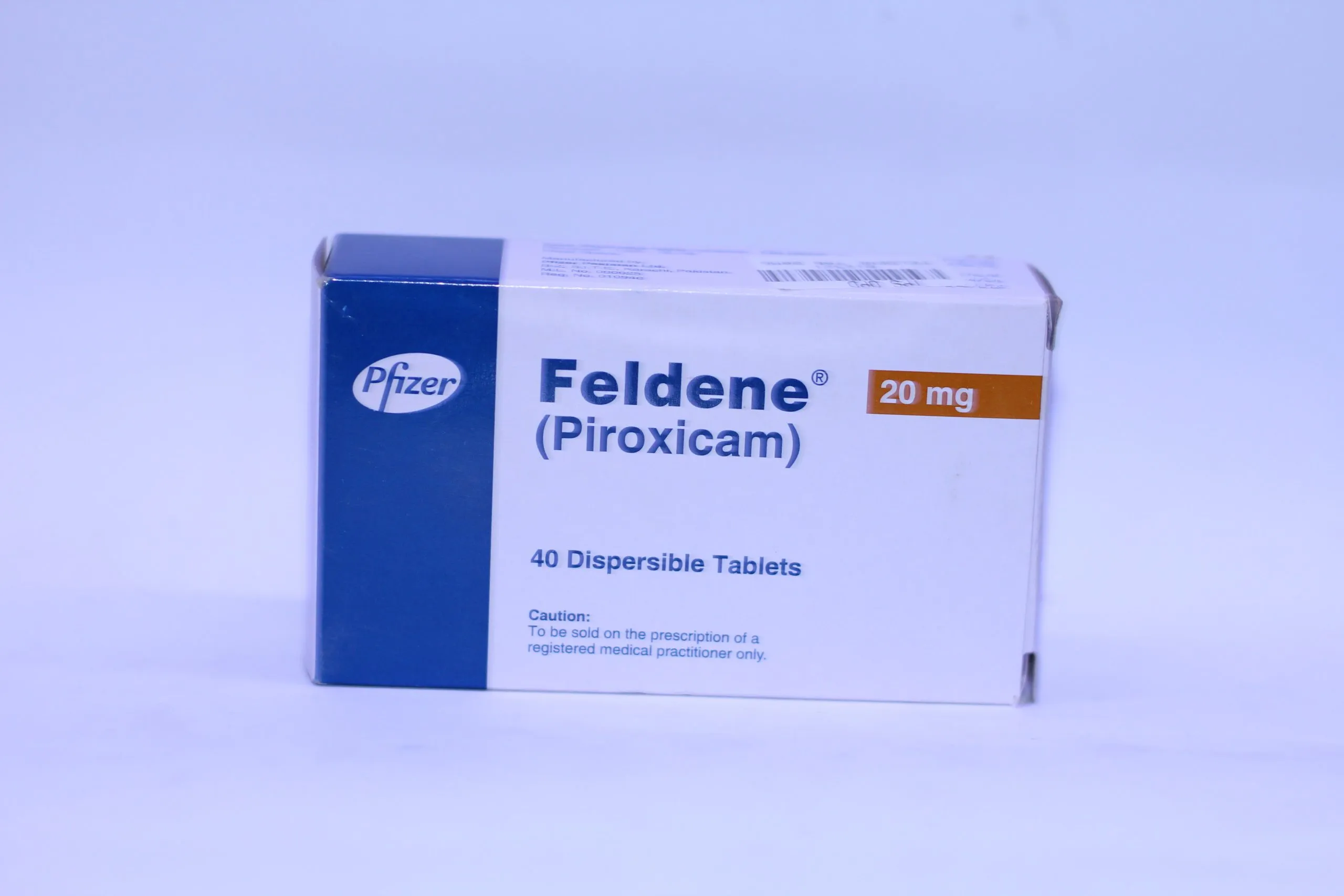
Feldene (Piroxicam): A Comprehensive Medical SEO Guide for Orthopedic Conditions
As an expert Medical SEO Copywriter and Orthopedic Specialist, we understand the critical need for clear, authoritative information regarding medications used in musculoskeletal health. Feldene, the brand name for Piroxicam, is a well-established Nonsteroidal Anti-inflammatory Drug (NSAID) widely utilized in managing pain and inflammation associated with various orthopedic and rheumatologic conditions. This exhaustive guide aims to provide a deep dive into Feldene, covering its mechanism of action, pharmacokinetics, clinical indications, dosage, potential risks, and management strategies, empowering both patients and healthcare professionals with vital knowledge.
1. Introduction & Overview of Feldene (Piroxicam)
Feldene (Piroxicam) is a potent NSAID belonging to the oxicam class, distinguished by its prolonged half-life, which allows for convenient once-daily dosing. It exerts its therapeutic effects by reducing inflammation, alleviating pain, and lowering fever. Primarily prescribed for chronic inflammatory conditions such as osteoarthritis and rheumatoid arthritis, Feldene's efficacy stems from its ability to interfere with the body's inflammatory cascade.
However, like all powerful medications, Feldene carries a profile of potential risks, notably concerning gastrointestinal and cardiovascular health. Its use requires careful consideration of patient-specific factors, including medical history, concomitant medications, and overall risk assessment. This guide will meticulously detail these aspects to ensure a holistic understanding of Feldene's role in therapeutic management.
2. Deep-Dive into Technical Specifications & Mechanisms
Understanding how Feldene works at a molecular level is crucial for appreciating its therapeutic benefits and potential side effects.
2.1. Mechanism of Action
Piroxicam, like other traditional NSAIDs, acts primarily by reversibly inhibiting the activity of cyclooxygenase (COX) enzymes. There are two main isoforms of COX:
- Cyclooxygenase-1 (COX-1): This is a constitutively expressed enzyme found in most tissues, responsible for producing prostaglandins that regulate normal physiological functions, such as gastric mucosal protection, renal blood flow, and platelet aggregation.
- Cyclooxygenase-2 (COX-2): This isoform is typically induced during inflammation by cytokines and growth factors, leading to the production of prostaglandins that mediate pain, inflammation, and fever.
Piroxicam is a non-selective COX inhibitor, meaning it inhibits both COX-1 and COX-2 enzymes.
By inhibiting COX enzymes, Piroxicam reduces the synthesis of prostaglandins from arachidonic acid. The reduction in prostaglandin levels subsequently leads to:
- Anti-inflammatory effects: Decreased vasodilation, edema, and leukocyte infiltration.
- Analgesic effects: Reduced sensitization of nociceptors to painful stimuli.
- Antipyretic effects: Lowering of fever by acting on the hypothalamus.
The non-selective inhibition of COX-1 contributes to some of Feldene's common side effects, particularly those affecting the gastrointestinal tract and platelet function.
2.2. Pharmacokinetics
The pharmacokinetic profile of Feldene contributes significantly to its clinical utility, especially its long duration of action.
- Absorption:
- Piroxicam is well-absorbed from the gastrointestinal tract following oral administration.
- Peak plasma concentrations are typically achieved within 3 to 5 hours after a single dose.
- Food intake may slightly delay the rate of absorption but does not significantly affect the extent of absorption.
- Distribution:
- Piroxicam is highly protein-bound, primarily to plasma albumin, reaching over 99%. This high binding can lead to potential drug interactions with other highly protein-bound medications.
- It readily penetrates into synovial fluid, where it achieves concentrations approximately 40% of those in plasma, contributing to its efficacy in joint inflammatory conditions.
- Metabolism:
- Piroxicam is extensively metabolized in the liver, primarily via hydroxylation of the pyridyl ring, followed by conjugation with glucuronic acid.
- The cytochrome P450 enzyme system, specifically CYP2C9, is largely responsible for its metabolism. Genetic polymorphisms in CYP2C9 can influence piroxicam metabolism, potentially leading to varied drug levels and effects.
- The main metabolite, 5'-hydroxy-piroxicam, is pharmacologically inactive.
- Elimination:
- The elimination half-life of piroxicam is remarkably long, ranging from 30 to 86 hours, with an average of about 50 hours. This extended half-life is the basis for its convenient once-daily dosing regimen.
- Approximately two-thirds of the administered dose is excreted in the urine, and the remaining one-third is excreted in the feces, predominantly as metabolites.
- Due to its long half-life, steady-state plasma concentrations are not achieved for 7 to 12 days, and maximum therapeutic effects may not be apparent for up to 2 weeks.
3. Extensive Clinical Indications & Usage
Feldene is indicated for the acute and long-term treatment of a variety of inflammatory and painful conditions, particularly those affecting the musculoskeletal system.
3.1. Detailed Indications
- Osteoarthritis (OA): For the symptomatic relief of pain, stiffness, and inflammation associated with degenerative joint disease.
- Rheumatoid Arthritis (RA): For the symptomatic relief of pain, swelling, and morning stiffness in chronic inflammatory autoimmune arthritis.
- Ankylosing Spondylitis: For the symptomatic treatment of inflammation and pain in the spine and other joints.
- Acute Gout: For the rapid relief of severe pain and inflammation during acute attacks of gouty arthritis.
- Acute Musculoskeletal Disorders: Including tendinitis, bursitis, acute low back pain, sprains, and strains, for the short-term management of pain and inflammation.
3.2. Dosage Guidelines
Dosage of Feldene must be individualized based on the patient's condition, response, and tolerability, always aiming for the lowest effective dose for the shortest possible duration.
- General Dosage for Chronic Conditions (OA, RA, Ankylosing Spondylitis):
- The recommended starting and maintenance dose is 20 mg administered once daily.
- Due to its long half-life, steady-state plasma concentrations are not achieved for 7 to 12 days, and the full therapeutic effect may not be evident for up to 2 weeks.
- Dosage for Acute Gout:
- Initial dose: 40 mg once daily for the first two days.
- Maintenance dose: 20 mg once daily for the remaining 4 to 6 days.
- This regimen is typically for short-term use during an acute attack.
- Dosage for Acute Musculoskeletal Disorders:
- Initial dose: 40 mg once daily for the first two days.
- Maintenance dose: 20 mg once daily for the remaining 7 to 14 days, or as determined by the physician.
- Treatment duration should generally not exceed 14 days for acute conditions.
Important Considerations:
- Administration: Feldene capsules/tablets should be taken with food or milk to minimize gastrointestinal irritation.
- Elderly Patients: Due to increased risk of adverse effects, particularly GI bleeding and renal impairment, a lower starting dose (e.g., 10 mg/day) and careful monitoring are often recommended.
- Renal/Hepatic Impairment: Feldene should be used with extreme caution or avoided in patients with significant renal or hepatic impairment, as it is primarily eliminated by the kidneys and metabolized by the liver. Dosage adjustments may be necessary, and close monitoring of renal and liver function is essential.
- Dosage Forms: Feldene is available in oral capsules (10 mg, 20 mg). Topical gel formulations of piroxicam are also available for localized pain relief but are outside the scope of this systemic guide.
4. Risks, Side Effects, and Contraindications
While effective, Feldene carries significant risks that necessitate careful patient selection and monitoring.
4.1. Common Side Effects
Many side effects are dose-dependent and can often be mitigated by using the lowest effective dose.
- Gastrointestinal (GI):
- Nausea, dyspepsia (indigestion), abdominal pain, diarrhea, constipation.
- Heartburn, flatulence.
- These are among the most frequently reported side effects due to COX-1 inhibition.
- Central Nervous System (CNS):
- Headache, dizziness, somnolence (drowsiness).
- Vertigo, tinnitus.
- Dermatologic:
- Rash, pruritus (itching).
- Photosensitivity reactions.
- Renal:
- Edema (fluid retention), particularly in the extremities.
- Other:
- Changes in appetite, stomatitis (mouth inflammation).
4.2. Serious Side Effects (Black Box Warnings)
The FDA mandates "Black Box Warnings" for NSAIDs like Feldene due to potentially life-threatening risks.
- Cardiovascular Thrombotic Events:
- NSAIDs, including Feldene, increase the risk of serious cardiovascular thrombotic events, myocardial infarction (MI), and stroke, which can be fatal. This risk may increase with duration of use and in patients with pre-existing cardiovascular disease or risk factors.
- Feldene is contraindicated for the treatment of peri-operative pain in the setting of coronary artery bypass graft (CABG) surgery, as it significantly increases the risk of MI and stroke.
- Gastrointestinal Risk:
- NSAIDs cause an increased risk of serious GI adverse events including bleeding, ulceration, and perforation of the stomach or intestines, which can be fatal. These events can occur at any time during use and without warning symptoms.
- Elderly patients and those with a history of peptic ulcer disease or GI bleeding are at a greater risk. Concomitant use of oral corticosteroids, anticoagulants, or antiplatelet agents also increases this risk.
4.3. Contraindications
Feldene should not be used in patients with the following conditions:
- Hypersensitivity: Known hypersensitivity to piroxicam, aspirin, or other NSAIDs (e.g., history of asthma, urticaria, or other allergic-type reactions after taking aspirin or other NSAIDs).
- Gastrointestinal Bleeding/Ulceration: Active peptic ulcer disease, or a history of recurrent peptic ulceration or gastrointestinal bleeding.
- Cardiovascular Disease: Severe heart failure.
- CABG Surgery: Peri-operative pain in the setting of coronary artery bypass graft (CABG) surgery.
- Renal Impairment: Severe renal insufficiency or progressive renal disease.
- Hepatic Impairment: Severe hepatic impairment.
- Pregnancy: Third trimester of pregnancy (due to risk of premature closure of the fetal ductus arteriosus).
4.4. Drug Interactions
Feldene can interact with numerous medications, altering their effects or increasing the risk of adverse reactions.
- Anticoagulants (e.g., Warfarin, Heparin): Increased risk of bleeding due to enhanced anticoagulant effect and potential for GI ulceration.
- Antiplatelet Agents (e.g., Aspirin, Clopidogrel): Increased risk of GI bleeding. Concomitant use of aspirin for cardioprotection should be approached with caution and under medical supervision.
- Corticosteroids: Increased risk of serious GI ulceration and bleeding.
- Selective Serotonin Reuptake Inhibitors (SSRIs): Increased risk of GI bleeding.
- Diuretics (e.g., Furosemide, Thiazides): Reduced natriuretic and antihypertensive effects of diuretics. Increased risk of renal impairment, especially in dehydrated patients.
- Angiotensin-Converting Enzyme (ACE) Inhibitors / Angiotensin Receptor Blockers (ARBs): Reduced antihypertensive effect. Increased risk of renal impairment, particularly in elderly or volume-depleted patients.
- Lithium: NSAIDs can decrease renal clearance of lithium, leading to increased plasma lithium levels and potential toxicity.
- Methotrexate: NSAIDs can reduce the renal tubular secretion of methotrexate, leading to increased plasma concentrations and enhanced toxicity.
- Cyclosporine / Tacrolimus: Increased risk of nephrotoxicity.
- CYP2C9 Inhibitors (e.g., Fluconazole, Amiodarone): Can inhibit piroxicam metabolism, leading to increased plasma levels and potential toxicity.
- CYP2C9 Inducers (e.g., Rifampin, Carbamazepine): Can enhance piroxicam metabolism, potentially reducing its efficacy.
4.5. Pregnancy and Lactation Warnings
- Pregnancy:
- First and Second Trimester: Pregnancy Category C. Animal studies have shown adverse effects on the fetus, but there are no adequate and well-controlled studies in humans. Use only if the potential benefit justifies the potential risk to the fetus.
- Third Trimester: Pregnancy Category D. NSAIDs, including Feldene, can cause premature closure of the fetal ductus arteriosus and fetal renal dysfunction. Therefore, Feldene is contraindicated during the third trimester of pregnancy.
- Lactation (Breastfeeding):
- Piroxicam is excreted in human milk in low concentrations.
- Due to the potential for serious adverse reactions in nursing infants from NSAIDs, a decision should be made whether to discontinue nursing or to discontinue the drug, taking into account the importance of the drug to the mother.
5. Overdose Management
In the event of an overdose with Feldene, symptoms typically reflect an exaggeration of its known side effects.
5.1. Symptoms of Overdose
- Lethargy, drowsiness, nausea, vomiting, epigastric pain.
- Gastrointestinal bleeding.
- Rarely, hypertension, acute renal failure, respiratory depression, and coma.
- Anaphylactoid reactions have been reported with therapeutic ingestion of NSAIDs and may occur following an overdose.
5.2. Management of Overdose
There is no specific antidote for Feldene overdose. Management is primarily symptomatic and supportive.
- Gastric Decontamination:
- If ingestion is recent (within 1 hour) and the patient is asymptomatic, activated charcoal may be considered to reduce absorption.
- Gastric lavage may be considered in cases of very large, life-threatening ingestions if performed soon after ingestion.
- Supportive Care:
- Maintain adequate hydration and electrolyte balance.
- Monitor vital signs, including blood pressure, heart rate, and respiratory status.
- Closely monitor renal and hepatic function.
- Manage any GI bleeding symptomatically.
- Administer intravenous fluids for hypotension and correct electrolyte imbalances.
- If acute renal failure occurs, hemodialysis or hemoperfusion may be considered, although piroxicam is highly protein-bound, which may limit the effectiveness of these methods.
6. Massive FAQ Section
Q1: What is Feldene (Piroxicam) primarily used for?
A1: Feldene (Piroxicam) is primarily used to relieve pain, inflammation, and stiffness associated with various musculoskeletal conditions, including osteoarthritis, rheumatoid arthritis, ankylosing spondylitis, acute gout, and acute musculoskeletal disorders like tendinitis and sprains.
Q2: How does Feldene work to reduce pain and inflammation?
A2: Feldene works by inhibiting cyclooxygenase (COX) enzymes, specifically both COX-1 and COX-2. This inhibition reduces the production of prostaglandins, which are chemicals in the body that cause pain, inflammation, and fever.
Q3: How often should I take Feldene?
A3: For most chronic conditions, Feldene is typically taken once daily at a dose of 20 mg. For acute conditions like gout or musculoskeletal injuries, a higher initial dose (e.g., 40 mg for the first 1-2 days) might be prescribed, followed by the standard 20 mg daily. Always follow your doctor's specific instructions.
Q4: How long does it take for Feldene to start working?
A4: You might start feeling some pain relief within a few hours of taking Feldene. However, due to its long half-life, it takes 7 to 12 days to reach steady-state concentrations in your body, and the full anti-inflammatory effect for chronic conditions may not be apparent for up to two weeks.
Q5: Can I take Feldene with food?
A5: Yes, it is highly recommended to take Feldene with food or milk. This helps to minimize gastrointestinal upset, such as stomach pain, nausea, and heartburn, which are common side effects of NSAIDs.
Q6: What are the most serious risks associated with Feldene?
A6: The most serious risks include an increased risk of cardiovascular thrombotic events (like heart attack and stroke) and serious gastrointestinal events (like bleeding, ulceration, and perforation of the stomach or intestines). These risks can be life-threatening and are highlighted with "Black Box Warnings" by the FDA.
Q7: Who should not take Feldene?
A7: Feldene should not be taken by individuals with:
* A history of allergic reactions (asthma, hives) to aspirin or other NSAIDs.
* Active peptic ulcers or a history of gastrointestinal bleeding.
* Severe heart failure.
* Peri-operative pain from coronary artery bypass graft (CABG) surgery.
* Severe kidney or liver disease.
* Women in their third trimester of pregnancy.
Q8: Can Feldene interact with other medications?
A8: Yes, Feldene can interact with many medications. Key interactions include:
* Blood thinners (e.g., Warfarin, Aspirin): Increased risk of bleeding.
* Corticosteroids: Increased risk of GI bleeding.
* Diuretics, ACE inhibitors, ARBs: Reduced effectiveness of these drugs and increased risk of kidney problems.
* Lithium, Methotrexate: Increased levels and toxicity of these drugs.
Always inform your doctor about all medications, supplements, and herbal products you are taking.
Q9: Is Feldene safe during pregnancy or breastfeeding?
A9: Feldene is generally not recommended during pregnancy. It is classified as Category C for the first two trimesters and Category D for the third trimester due to the risk of harm to the fetus (premature closure of the ductus arteriosus). It is also excreted in breast milk, so its use during breastfeeding should be carefully considered with a healthcare provider.
Q10: What should I do if I miss a dose of Feldene?
A10: If you miss a dose, take it as soon as you remember. However, if it is almost time for your next scheduled dose, skip the missed dose and continue with your regular dosing schedule. Do not take a double dose to make up for a missed one.
Q11: Can Feldene cause kidney problems?
A11: Yes, like other NSAIDs, Feldene can potentially cause kidney problems, especially with long-term use, in elderly patients, or in those with pre-existing kidney conditions, heart failure, or dehydration. It's important to stay well-hydrated and have your kidney function monitored if you are on long-term therapy.
Q12: Is Feldene addictive?
A12: No, Feldene is not considered an addictive medication. It is an NSAID that works by reducing inflammation and pain, not by affecting the brain's reward centers in the way addictive substances do.
Q13: How should I store Feldene?
A13: Store Feldene capsules/tablets at room temperature, away from moisture and direct heat. Keep it out of reach of children and pets. Do not store it in the bathroom.
Q14: Is Feldene the same as ibuprofen or naproxen?
A14: Feldene (Piroxicam), ibuprofen, and naproxen are all NSAIDs, but they are different drugs with varying potencies, half-lives, and side effect profiles. Piroxicam has a much longer half-life, allowing for once-daily dosing, compared to ibuprofen or naproxen which typically require multiple doses per day. Your doctor will determine which NSAID is most appropriate for your condition.
This guide is intended for informational purposes only and does not constitute medical advice. Always consult with a qualified healthcare professional before starting, stopping, or changing any medication or treatment plan.