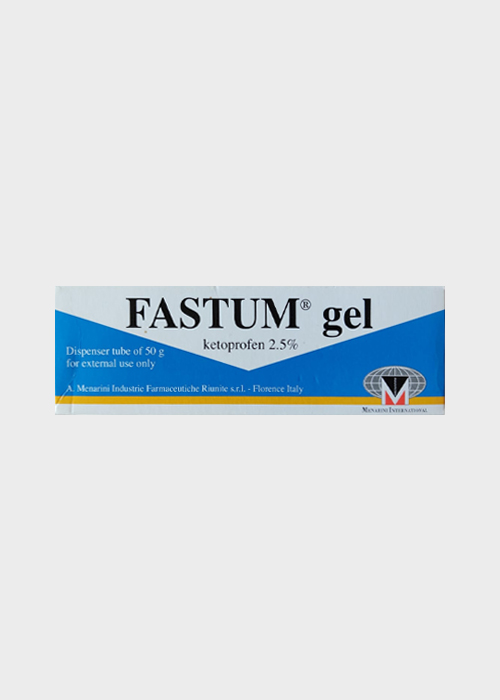
Fastum Gel: A Comprehensive Medical SEO Guide to Topical Ketoprofen
As an expert in orthopedic care and medical SEO, this guide provides an exhaustive, authoritative overview of Fastum Gel, a widely recognized topical non-steroidal anti-inflammatory drug (NSAID). Fastum Gel, with its active ingredient ketoprofen, offers targeted relief for various musculoskeletal pains and inflammatory conditions. This resource is designed to serve as a definitive guide for patients, caregivers, and healthcare professionals seeking in-depth information on its mechanism of action, clinical applications, safety profile, and more.
1. Introduction & Overview of Fastum Gel
Fastum Gel is a pharmaceutical preparation designed for transdermal application, delivering its active ingredient, ketoprofen, directly to the site of pain and inflammation. Ketoprofen is a potent NSAID belonging to the propionic acid derivative class. Unlike oral NSAIDs, Fastum Gel provides localized therapeutic effects with significantly reduced systemic exposure, thereby minimizing the risk of systemic side effects commonly associated with oral administration.
Key Features of Fastum Gel:
- Active Ingredient: Ketoprofen
- Formulation: Topical gel
- Primary Action: Anti-inflammatory, analgesic (pain-relieving), and antipyretic (fever-reducing)
- Target: Localized musculoskeletal pain and inflammation
- Benefit: Targeted action with reduced systemic side effects
This guide will delve into the scientific intricacies of Fastum Gel, offering a clear understanding of how it works, when it should be used, and what precautions need to be taken to ensure its safe and effective application.
2. Deep-Dive into Technical Specifications & Mechanisms
Understanding how Fastum Gel works requires an exploration of its active ingredient, ketoprofen, and its unique pharmacokinetic profile when applied topically.
2.1. Mechanism of Action
Ketoprofen, like other NSAIDs, exerts its therapeutic effects primarily by inhibiting the cyclooxygenase (COX) enzymes. There are two main isoforms of COX:
- COX-1 (Constitutive): Involved in maintaining normal physiological functions, such as gastric mucosal protection, renal blood flow regulation, and platelet aggregation.
- COX-2 (Inducible): Primarily expressed at sites of inflammation, where it mediates the synthesis of prostaglandins involved in pain, fever, and inflammation.
Ketoprofen is a non-selective COX inhibitor, meaning it inhibits both COX-1 and COX-2 enzymes. By inhibiting these enzymes, ketoprofen prevents the conversion of arachidonic acid into prostaglandins and thromboxanes, which are key mediators of the inflammatory response.
Specific Effects of Prostaglandin Inhibition:
- Analgesia: Reduced synthesis of prostaglandins (e.g., PGE2) that sensitize nociceptors (pain receptors) to inflammatory mediators.
- Anti-inflammation: Decreased production of vasodilatory and permeability-increasing prostaglandins, leading to reduced swelling and redness.
- Antipyresis: Inhibition of prostaglandin synthesis in the hypothalamus, which is involved in fever regulation.
When applied topopically, ketoprofen penetrates the skin and accumulates in the underlying tissues, such as muscles, tendons, and synovial fluid, where it can directly act on the inflamed site. This localized concentration allows for effective pain and inflammation relief without the high systemic drug levels that can lead to gastrointestinal, renal, or cardiovascular complications seen with oral NSAIDs.
2.2. Pharmacokinetics
The pharmacokinetic profile of Fastum Gel is characterized by its topical route of administration, which significantly influences absorption, distribution, metabolism, and excretion.
Table: Pharmacokinetic Profile of Fastum Gel (Ketoprofen)
| Parameter | Description |
| Absorption (Topical Ketoprofen) | Minimal systemic absorption. Approximately 1% of the applied dose reaches systemic circulation. Peak plasma concentrations are significantly lower (hundreds of times) than those achieved with oral administration of ketoprofen. Local tissue concentrations can be substantially higher than plasma levels, allowing for direct therapeutic action at the inflammation site. Hämoglobin und Bilirubin
| Distribution | Rapid and extensive distribution into synovial fluid and deeper tissues (muscle, tendon). Minimal systemic distribution.