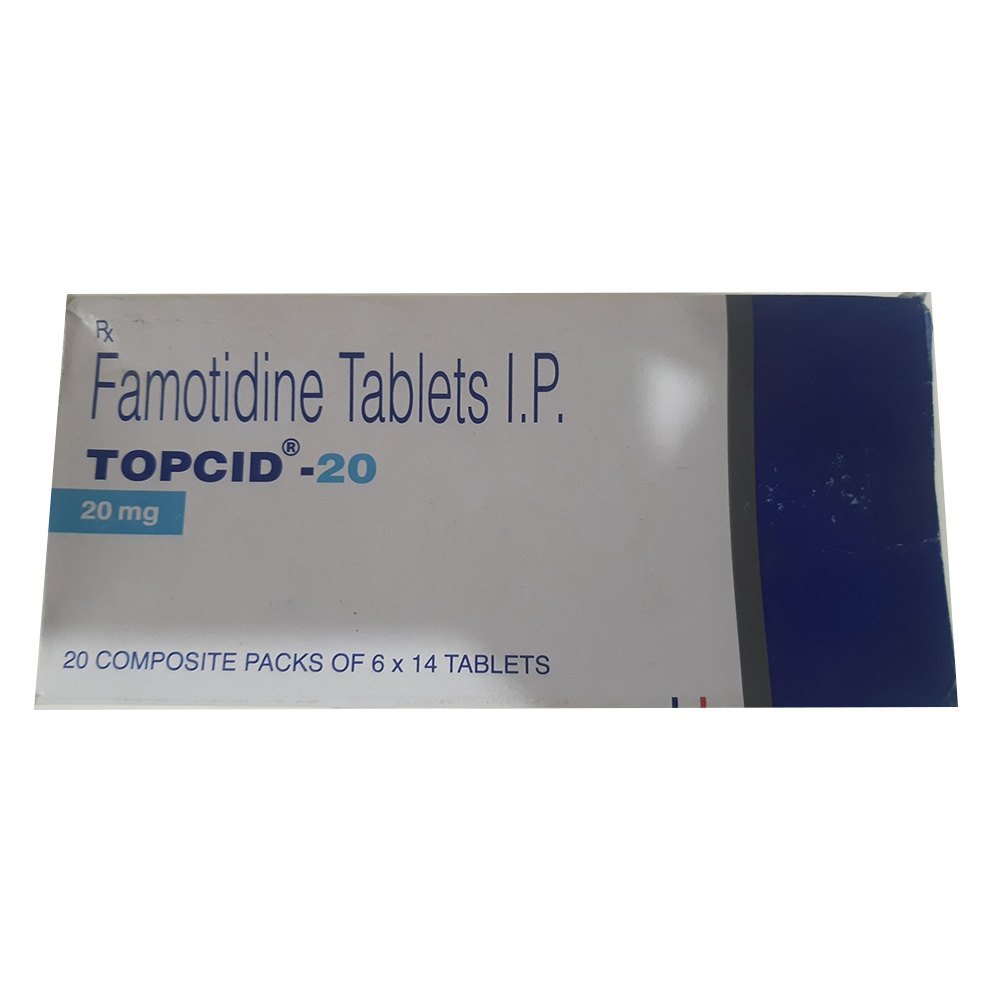
Famotidine: A Comprehensive Medical SEO Guide to H2-Receptor Antagonism
1. Introduction & Overview: Understanding Famotidine
Famotidine, widely recognized by its brand names such as Pepcid and Pepcid AC, is a potent medication belonging to the class of drugs known as histamine H2-receptor antagonists (H2RAs). Its primary function is to reduce the amount of acid produced in the stomach, thereby providing significant relief and therapeutic benefit for a range of gastrointestinal conditions characterized by excessive or problematic stomach acid.
Developed as an evolution from earlier H2RAs, Famotidine offers a favorable safety profile and efficacy, making it a cornerstone in the management of acid-related disorders. It is available in various formulations, including tablets, chewable tablets, oral suspensions, and intravenous injections, catering to both over-the-counter (OTC) use for symptomatic relief and prescription-strength applications for more chronic or severe conditions.
This exhaustive guide delves into Famotidine's intricate workings, its extensive clinical applications, precise dosing strategies, potential risks, and crucial considerations for safe and effective use.
2. Deep-Dive into Technical Specifications & Mechanisms
Understanding how Famotidine operates at a cellular level is key to appreciating its therapeutic power.
2.1. Mechanism of Action
Famotidine exerts its therapeutic effect by selectively and reversibly blocking histamine H2-receptors located on the parietal cells of the stomach lining. Here's a detailed breakdown:
- Parietal Cells: These specialized cells in the stomach are responsible for producing and secreting hydrochloric acid (HCl), which aids in digestion and protects against pathogens.
- Histamine's Role: Histamine is one of the primary endogenous stimulants of gastric acid secretion. When histamine binds to H2-receptors on parietal cells, it triggers a cascade of intracellular events.
- Intracellular Cascade: This binding activates adenylate cyclase, leading to an increase in cyclic adenosine monophosphate (cAMP). Elevated cAMP levels then stimulate the proton pump (H+/K+-ATPase), which actively pumps hydrogen ions (protons) into the stomach lumen, leading to acid secretion.
- Famotidine's Intervention: By competitively binding to these H2-receptors, Famotidine prevents histamine from activating the parietal cells. This blockade effectively diminishes the signal for acid production, regardless of whether the stimulation comes from histamine itself, gastrin, or acetylcholine (though its primary action is on histamine-mediated pathways).
- Acid Reduction: The result is a significant reduction in both basal (continuous) and nocturnal (nighttime) gastric acid secretion, as well as acid secretion stimulated by food, stress, or other factors. This reduction in acidity helps to heal ulcers, alleviate heartburn, and prevent damage to the esophageal lining.
Famotidine is highly specific for H2-receptors, minimizing its interaction with other histamine receptor types (H1, H3, H4), which contributes to its relatively focused side effect profile compared to older H2RAs like cimetidine.
2.2. Pharmacokinetics
Pharmacokinetics describes how the body handles a drug – its absorption, distribution, metabolism, and excretion.
- Absorption:
- Oral Bioavailability: Famotidine is well absorbed orally, with an average bioavailability of 40-45%. This can be slightly reduced by food, but not to a clinically significant extent, so it can be taken with or without meals.
- Onset of Action: Acid-reducing effects typically begin within 1 hour after oral administration.
- Peak Plasma Concentration: Reached within 1 to 3 hours.
- Distribution:
- Protein Binding: Famotidine has relatively low plasma protein binding (15-20%).
- Volume of Distribution: Approximately 1.3 L/kg, indicating good distribution into various body tissues.
- It crosses the placenta and is excreted in breast milk.
- Metabolism:
- Famotidine undergoes minimal first-pass hepatic metabolism. A small percentage (10-15%) is metabolized in the liver to an inactive sulfoxide metabolite.
- It does not significantly inhibit or induce the cytochrome P450 enzyme system, which is a major advantage over some other H2RAs that can cause numerous drug interactions.
- Excretion:
- Primary Route: Primarily excreted unchanged by the kidneys.
- Half-life: The plasma elimination half-life is typically 2.5 to 3.5 hours in individuals with normal renal function. This duration allows for convenient once or twice-daily dosing.
- Renal Impairment: The half-life is significantly prolonged in patients with moderate to severe renal impairment, necessitating dose adjustments to prevent accumulation and potential adverse effects.
3. Extensive Clinical Indications & Usage
Famotidine is a versatile medication with a broad spectrum of approved indications, targeting various acid-related gastrointestinal conditions.
3.1. Approved Indications
Famotidine is prescribed for both acute treatment and maintenance therapy of several conditions:
- Duodenal Ulcer:
- Acute Treatment: For active duodenal ulcers, typically a 4-8 week course.
- Maintenance Therapy: To prevent recurrence of duodenal ulcers, often at a lower daily dose.
- Gastric Ulcer:
- Acute Treatment: For active benign gastric ulcers, typically an 8-week course.
- Gastroesophageal Reflux Disease (GERD):
- Erosive Esophagitis: For the treatment of erosions in the esophagus caused by acid reflux.
- Symptomatic GERD: For the relief of heartburn and other symptoms associated with GERD.
- Pathological Hypersecretory Conditions:
- Zollinger-Ellison Syndrome: A rare condition characterized by excessive gastric acid secretion due to a gastrin-producing tumor. Famotidine helps control acid output.
- Multiple Endocrine Neoplasia (MEN) Type I: Another condition that can lead to hypersecretion.
- Heartburn/Acid Indigestion (OTC Formulations):
- For the temporary relief and prevention of heartburn associated with acid indigestion and sour stomach.
3.2. Off-label Uses
While not formally approved by regulatory bodies for these uses, Famotidine is sometimes employed off-label based on clinical evidence and practice:
- Stress Ulcer Prophylaxis: In critically ill patients (e.g., in intensive care units) to prevent stress-related mucosal damage and bleeding.
- NSAID-Induced Gastropathy Prophylaxis: To reduce the risk of gastric ulcers in patients taking nonsteroidal anti-inflammatory drugs (NSAIDs) who are at high risk.
- Urticaria and Allergic Reactions: As an adjunct in the treatment of acute allergic reactions and chronic urticaria (hives), in combination with H1-receptor antagonists, to help block the effects of histamine on the skin.
3.3. Dosage Guidelines
Dosage of Famotidine varies significantly depending on the indication, patient's age, and renal function. It is crucial to follow a healthcare provider's instructions or the guidance on the OTC product label.
Table: Adult Dosage Guidelines for Famotidine
| Indication | Recommended Oral Dose (Adults) | Duration |
|---|---|---|
| Duodenal Ulcer (Acute) | 40 mg once daily at bedtime OR 20 mg twice daily | 4-8 weeks |
| Duodenal Ulcer (Maintenance) | 20 mg once daily at bedtime | Up to 1 year, or as directed |
| Gastric Ulcer (Acute) | 40 mg once daily at bedtime | Up to 8 weeks |
| GERD (Erosive Esophagitis) | 20 mg or 40 mg twice daily | Up to 12 weeks |
| GERD (Symptomatic) | 20 mg twice daily | 6-12 weeks, or as directed |
| Zollinger-Ellison Syndrome | 20 mg every 6 hours (initial), may be increased up to 160 mg every 6 hours | Indefinite, individualized |
| Heartburn/Acid Indigestion (OTC) | 10 mg or 20 mg as needed | Not more than twice daily; max 14 days |
Pediatric Dosing:
* GERD: Dosing for pediatric patients is typically weight-based and should only be administered under the guidance of a pediatrician. For infants (1-12 months), 0.5 mg/kg once daily. For children (1-16 years), 0.5 mg/kg twice daily (max 40 mg twice daily).
* Peptic Ulcer Disease: Similar weight-based dosing, usually 0.5 mg/kg once daily at bedtime or 0.25 mg/kg twice daily.
Renal Impairment:
* For patients with creatinine clearance (CrCl) < 10 mL/min, the dose should be reduced by 50% or the dosing interval should be prolonged (e.g., 20 mg every 36-48 hours) to avoid drug accumulation.
Administration:
* Famotidine can be taken with or without food.
* For nocturnal acid control, a single daily dose is often taken at bedtime.
* OTC formulations for heartburn can be taken 15-60 minutes before eating food or drinking beverages that may cause heartburn.
4. Risks, Side Effects, & Contraindications
While generally well-tolerated, Famotidine is not without potential risks and side effects. Awareness of these is crucial for safe use.
4.1. Contraindications
- Hypersensitivity: Known allergy or hypersensitivity to Famotidine or any component of its formulation.
- Cross-reactivity: Caution is advised in patients with a history of hypersensitivity to other H2-receptor antagonists (e.g., cimetidine, ranitidine, nizatidine) due to potential cross-reactivity, though this is rare.
4.2. Warnings and Precautions
- Renal Impairment: Dose adjustment is mandatory in patients with moderate to severe renal impairment (CrCl < 60 mL/min) to prevent drug accumulation and potential adverse effects, particularly CNS effects.
- Hepatic Impairment: Use with caution in patients with severe liver disease, although significant hepatic metabolism is not a primary clearance pathway.
- Malignancy Exclusion: Symptomatic response to Famotidine does not preclude the presence of gastric malignancy. It's important to rule out gastric cancer, especially in older patients with new-onset or persistent dyspepsia.
- Vitamin B12 Deficiency: Long-term use of acid-suppressing medications, including H2RAs, can lead to malabsorption of vitamin B12, potentially causing deficiency.
- Acute Porphyria: Famotidine should be avoided in patients with a history of acute porphyria, as H2RAs have been associated with exacerbations.
- Central Nervous System (CNS) Effects: While rare, CNS effects such as confusion, hallucinations, delirium, and agitation have been reported, primarily in elderly patients or those with renal impairment.
- Cardiovascular Effects: Rapid intravenous administration of H2RAs has been associated with cardiac arrhythmias and hypotension in some patients.
4.3. Common Side Effects
Most side effects are mild and transient.
- Headache: The most commonly reported side effect.
- Dizziness: Can occur, especially with higher doses.
- Diarrhea or Constipation: Gastrointestinal disturbances are possible.
- Nausea/Vomiting: Infrequent.
- Dry Mouth: Less common.
4.4. Serious/Less Common Side Effects
These are rare but warrant immediate medical attention.
- Hypersensitivity Reactions: Rash, urticaria, pruritus, angioedema, bronchospasm, and anaphylaxis.
- Blood Dyscrasias: Leukopenia, thrombocytopenia, agranulocytosis, and pancytopenia have been reported (extremely rare).
- Hepatotoxicity: Jaundice, hepatitis, and elevated liver enzymes (rare).
- Cardiovascular: Bradycardia, tachycardia, AV block (primarily with IV use).
- Musculoskeletal: Arthralgia, myalgia (rare).
- Psychiatric: Confusion, hallucinations, depression, anxiety (more common in elderly or renally impaired).
4.5. Drug Interactions
Famotidine has a relatively low potential for drug interactions compared to cimetidine, mainly due to its minimal involvement with the cytochrome P450 system. However, some interactions are clinically significant:
- Drugs Requiring Acidic Environment for Absorption:
- Antifungals (e.g., Ketoconazole, Itraconazole): Famotidine reduces gastric acidity, which can impair the absorption of these drugs. Administer Famotidine at least 2 hours after these medications.
- HIV Protease Inhibitors (e.g., Atazanavir): Reduced acidity can decrease the absorption and efficacy of these agents. Consider alternative acid suppression or careful monitoring.
- Tyrosine Kinase Inhibitors (e.g., Dasatinib, Erlotinib): Absorption can be reduced.
- Antacids: Co-administration of antacids can reduce the absorption of Famotidine. It's generally recommended to separate administration by 1-2 hours.
- Probenecid: May decrease the renal clearance of Famotidine, leading to increased plasma concentrations of Famotidine.
- Other H2RAs: Do not take Famotidine with other H2-receptor antagonists (e.g., cimetidine, ranitidine, nizatidine) or proton pump inhibitors (PPIs) unless specifically instructed by a doctor, as this offers no additional benefit and may increase side effects.
4.6. Pregnancy and Lactation Warnings
- Pregnancy: Famotidine is classified as Pregnancy Category B. Animal reproduction studies have shown no evidence of harm to the fetus. However, there are no adequate and well-controlled studies in pregnant women. Famotidine should be used during pregnancy only if clearly needed and the potential benefits outweigh the potential risks. Always consult a healthcare provider.
- Lactation: Famotidine is excreted in human breast milk. Due to the potential for serious adverse reactions in nursing infants, a decision should be made whether to discontinue nursing or to discontinue the drug, taking into account the importance of the drug to the mother.
4.7. Overdose Management
In the event of an overdose, symptoms may include:
- Hypotension
- Tachycardia
- Vomiting
- Central nervous system effects (e.g., restlessness, confusion, seizures)
Management:
* Symptomatic and Supportive Care: There is no specific antidote for Famotidine overdose. Treatment should be symptomatic and supportive.
* Gastric Lavage: May be considered shortly after ingestion to remove unabsorbed drug.
* Activated Charcoal: Administration of activated charcoal may help reduce absorption.
* Hemodialysis: While Famotidine is removed by hemodialysis, its efficacy in overdose management is limited due to its short half-life and extensive distribution.
5. Massive FAQ Section
Here are answers to frequently asked questions about Famotidine:
Q1: What is Famotidine used for?
A1: Famotidine is primarily used to treat and prevent conditions caused by too much stomach acid. This includes heartburn, acid indigestion, gastroesophageal reflux disease (GERD), stomach ulcers (gastric ulcers), and duodenal ulcers. It's also used for conditions where the stomach produces excessive acid, like Zollinger-Ellison Syndrome.
Q2: How quickly does Famotidine work?
A2: Famotidine typically starts to reduce stomach acid within 1 hour of taking an oral dose. For heartburn relief, many people feel effects within 15-30 minutes. Its effects can last for 10-12 hours, making it suitable for once or twice-daily dosing.
Q3: Can I take Famotidine every day?
A3: For chronic conditions like GERD or to prevent ulcer recurrence, a doctor might prescribe Famotidine for daily, long-term use. For over-the-counter (OTC) heartburn relief, it's generally recommended for short-term use, usually not exceeding 14 days, unless advised by a healthcare professional. Prolonged daily use should always be discussed with a doctor.
Q4: What is the difference between Famotidine and Pepcid AC?
A4: Pepcid AC is a brand name for an over-the-counter formulation of Famotidine, typically available in 10 mg or 20 mg strengths. "Famotidine" refers to the generic drug itself. Pepcid AC is used for temporary relief and prevention of heartburn, while prescription-strength Famotidine (e.g., 20 mg, 40 mg) is used for more severe conditions like ulcers and erosive GERD.
Q5: Is Famotidine safe during pregnancy?
A5: Famotidine is classified as Pregnancy Category B, meaning animal studies have not shown harm to the fetus, but there are limited well-controlled studies in pregnant women. It is generally considered one of the safer options for acid suppression during pregnancy, but it should only be used if clearly needed and under the guidance of a healthcare provider.
Q6: Can children take Famotidine?
A6: Yes, Famotidine can be prescribed for children, including infants, for conditions like GERD or peptic ulcer disease. Dosing for pediatric patients is weight-based and must be determined by a pediatrician. OTC Famotidine products are generally not recommended for children under 12 without a doctor's advice.
Q7: What are the common side effects of Famotidine?
A7: The most common side effects are mild and include headache, dizziness, diarrhea, or constipation. Nausea and vomiting are less common. If you experience severe or persistent side effects, contact your doctor.
Q8: Can Famotidine interact with other medications?
A8: Yes, Famotidine can interact with certain medications. It can reduce the absorption of drugs that require an acidic stomach environment, such as some antifungals (e.g., ketoconazole) and certain HIV medications (e.g., atazanavir). Antacids can also reduce Famotidine's absorption, so it's best to separate their intake by 1-2 hours. Always inform your doctor or pharmacist about all medications and supplements you are taking.
Q9: How should I store Famotidine?
A9: Store Famotidine tablets and oral suspension at room temperature, away from moisture and heat. Keep the medication in its original container and out of reach of children. Do not store the oral suspension in the refrigerator; discard any unused suspension after the expiration date or specific period mentioned on the label.
Q10: What should I do if I miss a dose?
A10: If you miss a dose of Famotidine, take it as soon as you remember. However, if it is almost time for your next dose, skip the missed dose and resume your regular dosing schedule. Do not take a double dose to make up for a missed one.
Q11: Is Famotidine available over-the-counter?
A11: Yes, Famotidine is widely available over-the-counter (OTC) in lower strengths (e.g., 10 mg, 20 mg) for the treatment and prevention of heartburn and acid indigestion. Higher strengths (e.g., 40 mg) are typically prescription-only for more severe conditions.
Q12: How long can I take Famotidine for?
A12: The duration of Famotidine treatment depends on the condition being treated. For acute ulcers, it might be 4-8 weeks. For GERD, it could be up to 12 weeks or longer for maintenance. OTC use for heartburn is generally limited to 14 days. Always follow your doctor's instructions for prescription Famotidine or the label instructions for OTC products. Long-term use should be monitored by a healthcare professional due to potential risks like Vitamin B12 deficiency.