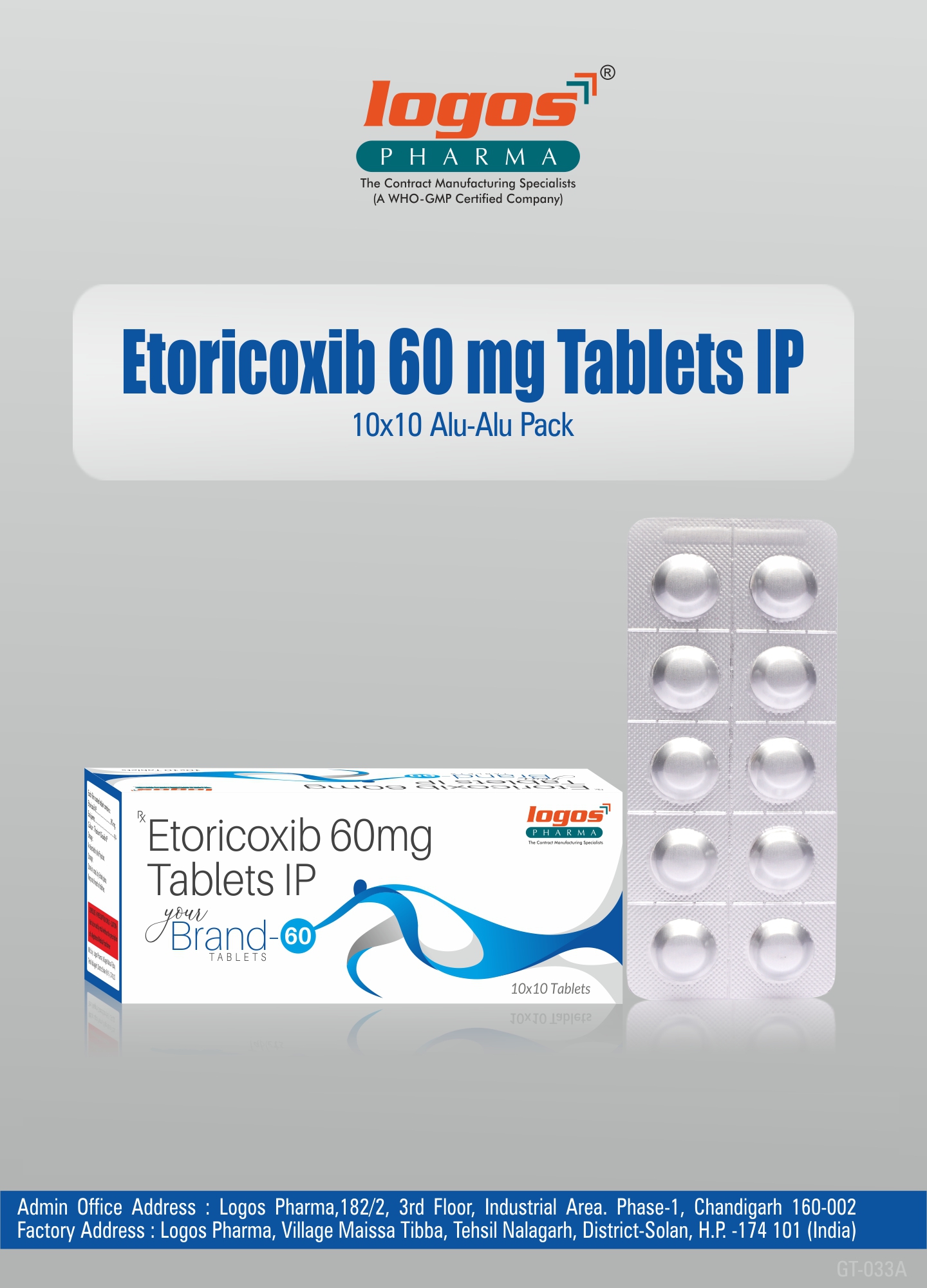
Etoricoxib: A Comprehensive Medical SEO Guide for Orthopedic Pain and Inflammation
As an expert medical SEO copywriter and orthopedic specialist, we understand the critical need for precise, authoritative, and easily digestible information regarding medications used in musculoskeletal health. Etoricoxib, a selective cyclooxygenase-2 (COX-2) inhibitor, represents a significant advancement in the management of pain and inflammation, particularly in orthopedic conditions. This extensive guide aims to provide a deep dive into Etoricoxib, covering its scientific underpinnings, clinical applications, safety profile, and practical considerations for both healthcare professionals and patients.
1. Comprehensive Introduction & Overview of Etoricoxib
Etoricoxib is a non-steroidal anti-inflammatory drug (NSAID) that belongs to the coxib class, specifically designed to selectively inhibit the cyclooxygenase-2 (COX-2) enzyme. Unlike traditional, non-selective NSAIDs (e.g., ibuprofen, naproxen) which inhibit both COX-1 and COX-2 enzymes, Etoricoxib's selectivity offers a potentially improved gastrointestinal (GI) safety profile by largely sparing the COX-1 enzyme. The COX-1 enzyme plays a crucial role in maintaining the integrity of the gastric lining and platelet aggregation.
This medication is widely prescribed for the symptomatic relief of various painful and inflammatory conditions affecting the joints, muscles, and bones. Its efficacy in reducing pain and swelling has made it a valuable tool in the orthopedic arsenal, particularly for chronic conditions like osteoarthritis and rheumatoid arthritis, as well as acute pain scenarios.
Key Highlights of Etoricoxib:
- Drug Class: Selective Cyclooxygenase-2 (COX-2) Inhibitor, a type of NSAID.
- Primary Action: Reduces pain, inflammation, and fever.
- Key Advantage: Potential for reduced gastrointestinal side effects compared to non-selective NSAIDs due to COX-2 selectivity.
- Common Uses: Osteoarthritis, Rheumatoid Arthritis, Ankylosing Spondylitis, Acute Gouty Arthritis, and acute post-operative pain.
- Formulation: Available in oral tablet form.
2. Deep-dive into Technical Specifications & Mechanisms
Understanding how Etoricoxib works at a molecular level is crucial for appreciating its therapeutic benefits and potential risks.
Mechanism of Action: Selective COX-2 Inhibition
The cyclooxygenase (COX) enzymes are central to the biosynthesis of prostaglandins, which are lipid compounds involved in pain, inflammation, and fever processes. There are two primary isoforms:
- COX-1 Enzyme: Constitutively expressed in most tissues, it produces prostaglandins that maintain physiological functions such as protecting the gastric mucosa, regulating renal blood flow, and promoting platelet aggregation.
- COX-2 Enzyme: Primarily induced during inflammatory processes by cytokines and growth factors, it produces prostaglandins that mediate pain, inflammation, and fever. It is also involved in some normal physiological functions, particularly in the kidneys and blood vessels.
Etoricoxib is a highly selective inhibitor of the COX-2 enzyme. By specifically blocking COX-2, Etoricoxib reduces the synthesis of pro-inflammatory prostaglandins without significantly inhibiting COX-1. This selectivity is theorized to:
- Reduce Inflammation: By decreasing the production of prostaglandins at inflammatory sites.
- Alleviate Pain: By reducing prostaglandin-mediated pain sensitization.
- Lower Fever: By interfering with prostaglandin synthesis in the hypothalamus.
- Minimize GI Side Effects: By preserving COX-1 activity, which is vital for gastric mucosal protection, thereby potentially reducing the risk of ulcers and bleeding associated with non-selective NSAIDs.
Pharmacokinetics: How the Body Handles Etoricoxib
Pharmacokinetics describes the movement of the drug within the body, including absorption, distribution, metabolism, and excretion.
a. Absorption
- Route: Oral administration.
- Rate: Rapidly absorbed from the gastrointestinal tract.
- Peak Plasma Concentration (Tmax): Typically reached within approximately 1 hour after administration.
- Bioavailability: High, approaching 100% after oral dosing.
- Food Effect: While food may slightly delay the time to peak concentration (Tmax) by 1-2 hours, it does not significantly alter the extent of absorption (AUC), making it suitable for administration with or without food.
b. Distribution
- Protein Binding: Highly bound to plasma proteins, approximately 92%. This means a large portion of the drug is bound and inactive, with only a small fraction freely available to exert its effects.
- Volume of Distribution: Approximately 120 liters, indicating widespread distribution into tissues.
c. Metabolism
- Primary Site: Liver.
- Enzyme System: Primarily metabolized by cytochrome P450 (CYP) enzymes, particularly CYP3A4, to form inactive metabolites.
- Metabolites: Several hydroxylated derivatives are formed, which are then further conjugated.
d. Excretion
- Route: Predominantly eliminated via the kidneys (urine) and feces.
- Excreted Forms: Primarily as metabolites, with less than 1% of the dose excreted as unchanged drug in urine.
- Half-life: The elimination half-life is approximately 22 hours, allowing for once-daily dosing.
- Renal/Hepatic Impairment: Clearance may be reduced in patients with severe renal or hepatic impairment, necessitating dose adjustments.
3. Extensive Clinical Indications & Usage
Etoricoxib is approved for the symptomatic relief of a range of acute and chronic inflammatory and painful conditions. The choice of dose and duration of treatment should always be guided by the patient's individual needs, the severity of their condition, and their overall risk profile.
Detailed Indications:
- Osteoarthritis (OA): For the symptomatic relief of pain and inflammation associated with osteoarthritis. OA is a degenerative joint disease characterized by cartilage breakdown, leading to pain, stiffness, and reduced function.
- Rheumatoid Arthritis (RA): For the symptomatic relief of pain and inflammation associated with rheumatoid arthritis. RA is a chronic autoimmune inflammatory disorder primarily affecting the joints, leading to swelling, pain, stiffness, and potential joint damage.
- Ankylosing Spondylitis (AS): For the symptomatic relief of pain and inflammation associated with ankylosing spondylitis. AS is a chronic inflammatory disease primarily affecting the spine and sacroiliac joints, causing stiffness and pain.
- Acute Gouty Arthritis: For the treatment of acute pain and inflammation in gouty arthritis. Gout is a type of inflammatory arthritis characterized by sudden, severe attacks of pain, redness, tenderness, and swelling in joints, often the big toe, caused by uric acid crystal deposition.
- Acute Pain Management:
- Post-operative Dental Surgery Pain: For the short-term treatment of moderate acute pain associated with dental surgery.
- Primary Dysmenorrhea: In some regions, it is indicated for the treatment of primary dysmenorrhea (menstrual pain).
- Chronic Low Back Pain: In some countries, Etoricoxib is approved for the treatment of chronic low back pain, a common orthopedic complaint.
Dosage Guidelines:
Dosage varies significantly based on the indication, patient's response, and any underlying conditions (e.g., renal or hepatic impairment). It is crucial to use the lowest effective dose for the shortest possible duration to minimize risks.
General Dosing Recommendations (Adults):
| Indication | Recommended Daily Dose | Maximum Daily Dose | Duration Considerations |
|---|---|---|---|
| Osteoarthritis (OA) | 30 mg or 60 mg | 60 mg | Chronic use, lowest effective dose. |
| Rheumatoid Arthritis (RA) | 60 mg or 90 mg | 90 mg | Chronic use, lowest effective dose. |
| Ankylosing Spondylitis (AS) | 60 mg or 90 mg | 90 mg | Chronic use, lowest effective dose. |
| Acute Gouty Arthritis | 120 mg | 120 mg | Max 8 days. Use only during acute attack. |
| Post-operative Dental Pain | 90 mg | 90 mg | Max 3 days for acute pain relief. |
| Primary Dysmenorrhea | 60 mg | 60 mg | Short-term, during menstrual period. |
| Chronic Low Back Pain | 60 mg | 60 mg | Chronic use, lowest effective dose. |
Special Population Considerations:
- Elderly Patients: No dose adjustment is generally necessary based on age alone. However, caution is advised due to increased risk of adverse effects in the elderly.
- Renal Impairment:
- Mild to moderate (CrCl 30-80 mL/min): No dose adjustment.
- Severe (CrCl < 30 mL/min): Not recommended.
- Hepatic Impairment:
- Mild (Child-Pugh score 5-6): Max 60 mg daily.
- Moderate (Child-Pugh score 7-9): Max 30 mg daily.
- Severe (Child-Pugh score > 9): Not recommended.
4. Risks, Side Effects, & Contraindications
While Etoricoxib offers therapeutic benefits, it is not without risks. A thorough understanding of its side effects, contraindications, and potential drug interactions is paramount for safe and effective use.
Common Side Effects:
These are generally mild and transient.
* Abdominal pain
* Dyspepsia (indigestion)
* Nausea
* Diarrhea
* Headache
* Dizziness
* Peripheral edema (swelling, particularly in ankles/legs)
* Hypertension (high blood pressure)
* Flu-like symptoms
Less Common but Potentially Serious Side Effects:
- Cardiovascular Events: Increased risk of thrombotic events (heart attack, stroke), especially with higher doses and long-term use, or in patients with pre-existing cardiovascular risk factors. This is a class effect of COX-2 inhibitors.
- Gastrointestinal Effects: Although designed to be GI-sparing, serious GI events (ulcers, bleeding, perforation) can still occur, especially in patients with a history of GI disease, the elderly, or those on concomitant therapies like aspirin.
- Renal Effects: Impaired renal function, fluid retention, acute kidney injury, particularly in patients with pre-existing renal disease, heart failure, or dehydration.
- Hepatic Effects: Elevated liver enzymes, hepatitis.
- Hypersensitivity Reactions: Rash, pruritus, angioedema, anaphylaxis.
- Skin Reactions: Severe skin reactions like Stevens-Johnson Syndrome (SJS) and Toxic Epidermal Necrolysis (TEN) are rare but serious.
Contraindications:
Etoricoxib should not be used in patients with the following conditions:
- Hypersensitivity: Known hypersensitivity to etoricoxib or any component of the formulation.
- Aspirin-Sensitive Asthma: Patients who have experienced asthma, urticaria, or allergic-type reactions after taking aspirin or other NSAIDs.
- Active Peptic Ulceration or Gastrointestinal Bleeding: Due to the risk of exacerbation.
- Severe Hepatic Impairment: (Child-Pugh score > 9).
- Severe Renal Impairment: (Creatinine clearance < 30 mL/min).
- Congestive Heart Failure (NYHA II-IV): Due to increased risk of fluid retention and cardiovascular events.
- Established Ischemic Heart Disease: (e.g., angina, myocardial infarction).
- Peripheral Arterial Disease:
- Cerebrovascular Disease: (e.g., stroke, transient ischemic attack).
- Uncontrolled Hypertension: Blood pressure should be controlled before starting treatment and monitored closely.
- Pregnancy and Lactation: As discussed below.
- Children and Adolescents: Not recommended for use in individuals under 16 years of age.
Drug Interactions:
Etoricoxib can interact with several other medications, potentially altering their effects or increasing the risk of adverse reactions.
| Interacting Drug/Class | Potential Interaction | Clinical Management / Recommendation |
|---|---|---|
| Oral Anticoagulants (e.g., Warfarin) | Increased prothrombin time/INR, increased bleeding risk. | Monitor INR closely, adjust anticoagulant dose if necessary. |
| Diuretics (e.g., Furosemide, Thiazides) | Reduced natriuretic effect of diuretics, increased risk of renal impairment. | Monitor renal function and blood pressure. |
| ACE Inhibitors & Angiotensin Receptor Blockers (ARBs) | Reduced antihypertensive effect, increased risk of renal impairment (especially in elderly/dehydrated). | Monitor blood pressure and renal function. Avoid concomitant use in high-risk patients. |
| Lithium | Increased plasma lithium levels, leading to toxicity. | Monitor lithium levels closely, reduce lithium dose if needed. |
| Methotrexate | Increased plasma methotrexate levels, increased toxicity. | Use caution, monitor for methotrexate toxicity. Consider lower Etoricoxib dose. |
| Cyclosporine & Tacrolimus | Increased nephrotoxicity. | Monitor renal function closely. |
| Oral Contraceptives | Increased plasma concentrations of ethinyl estradiol, potentially increasing adverse effects of oral contraceptives. | Consider alternative birth control methods or monitor for increased side effects. |
| Rifampicin | Decreased plasma concentrations of etoricoxib. | May require increased Etoricoxib dose (consider maximum daily dose). |
| Aspirin (low-dose for cardio protection) | Concomitant use increases risk of GI ulceration/complications. No significant antiplatelet benefit from Etoricoxib. | If necessary, administer Etoricoxib at least 2 hours after low-dose aspirin. |
Pregnancy & Lactation Warnings:
- Pregnancy: Etoricoxib is contraindicated during pregnancy.
- First and Second Trimester: NSAIDs may increase the risk of miscarriage and cardiac malformation.
- Third Trimester: All NSAIDs, including Etoricoxib, can induce premature closure of the fetal ductus arteriosus, cause persistent pulmonary hypertension in the newborn, and contribute to renal dysfunction in the fetus, potentially leading to oligohydramnios. They may also prolong labor and increase bleeding risk.
- Lactation (Breastfeeding): It is unknown whether Etoricoxib is excreted in human milk. However, many drugs are excreted in breast milk, and given the potential for serious adverse reactions in nursing infants, Etoricoxib is contraindicated during lactation. A decision must be made whether to discontinue nursing or discontinue the drug, taking into account the importance of the drug to the mother.
Overdose Management:
In the event of an Etoricoxib overdose, specific clinical guidelines are followed.
- Symptoms of Overdose: Limited experience with overdose. Symptoms may include gastrointestinal disturbances (e.g., dyspepsia, abdominal pain), renal toxicity, and cardiovascular effects (e.g., hypertension).
- Management:
- No Specific Antidote: There is no specific antidote for Etoricoxib overdose.
- Supportive Care: Treatment should be symptomatic and supportive.
- Gastric Decontamination: Consider activated charcoal within 1 hour of ingestion if a potentially toxic amount has been taken.
- Monitoring: Closely monitor vital signs and organ function, particularly renal and cardiovascular parameters.
- Dialysis: Etoricoxib is extensively protein-bound, so dialysis is unlikely to be an effective method for removing the drug.
5. Massive FAQ Section
Here are some frequently asked questions about Etoricoxib, answered by an orthopedic specialist:
Q1: What is Etoricoxib primarily used for?
A1: Etoricoxib is primarily used for the symptomatic relief of pain and inflammation associated with various musculoskeletal conditions such as osteoarthritis, rheumatoid arthritis, ankylosing spondylitis, acute gouty arthritis, and acute post-operative dental pain.
Q2: How does Etoricoxib differ from traditional NSAIDs like ibuprofen or naproxen?
A2: Etoricoxib is a selective COX-2 inhibitor, meaning it specifically targets the COX-2 enzyme responsible for inflammation and pain, while largely sparing the COX-1 enzyme. Traditional NSAIDs inhibit both COX-1 and COX-2. This selectivity may lead to a reduced risk of gastrointestinal side effects (like stomach ulcers and bleeding) compared to non-selective NSAIDs, although serious GI events can still occur.
Q3: How quickly does Etoricoxib start to work?
A3: Etoricoxib is rapidly absorbed, with peak plasma concentrations usually reached within about 1 hour. Patients often report pain relief within 30-60 minutes, with significant improvement typically noted within a few hours of the first dose.
Q4: Can I take Etoricoxib with food?
A4: Yes, Etoricoxib can be taken with or without food. While food may slightly delay the time it takes for the drug to reach its peak concentration, it does not significantly affect the overall absorption or effectiveness of the medication.
Q5: What are the most common side effects of Etoricoxib?
A5: Common side effects include abdominal pain, indigestion (dyspepsia), nausea, diarrhea, headache, dizziness, swelling (edema), and high blood pressure (hypertension). These are usually mild and temporary.
Q6: What are the serious risks associated with Etoricoxib, especially regarding the heart?
A6: Like other COX-2 inhibitors and NSAIDs, Etoricoxib carries a risk of serious cardiovascular thrombotic events, including heart attack and stroke. This risk can increase with higher doses and longer duration of use, particularly in patients with pre-existing heart conditions or risk factors. It can also increase blood pressure.
Q7: Who should NOT take Etoricoxib?
A7: Etoricoxib is contraindicated in individuals with a known allergy to the drug or other NSAIDs, active stomach ulcers or GI bleeding, severe kidney or liver disease, congestive heart failure (NYHA II-IV), established heart disease (e.g., history of heart attack or angina), peripheral arterial disease, cerebrovascular disease (e.g., history of stroke), or uncontrolled high blood pressure. It is also contraindicated in pregnancy and lactation.
Q8: Can Etoricoxib affect blood pressure?
A8: Yes, Etoricoxib can cause or worsen high blood pressure. Blood pressure should be monitored regularly, especially when starting treatment or increasing the dose. If you have high blood pressure, it should be well-controlled before starting Etoricoxib.
Q9: Is Etoricoxib addictive?
A9: No, Etoricoxib is not an opioid and is not considered addictive. It is a non-steroidal anti-inflammatory drug that works by reducing inflammation and pain.
Q10: What should I do if I miss a dose of Etoricoxib?
A10: If you miss a dose, take it as soon as you remember, unless it is almost time for your next scheduled dose. In that case, skip the missed dose and continue with your regular dosing schedule. Do not take a double dose to make up for a missed one.
Q11: Can Etoricoxib be taken long-term for chronic conditions like osteoarthritis?
A11: Yes, Etoricoxib can be prescribed for long-term management of chronic conditions like osteoarthritis, rheumatoid arthritis, and ankylosing spondylitis. However, it is crucial to use the lowest effective dose for the shortest possible duration to minimize potential risks, particularly cardiovascular and gastrointestinal side effects. Regular medical review is essential for long-term users.
Q12: How does Etoricoxib interact with blood thinners like Warfarin?
A12: Etoricoxib can increase the effect of blood thinners like Warfarin, raising the risk of bleeding. If you are taking Warfarin or similar anticoagulants, your doctor will need to monitor your blood clotting time (INR) closely and may adjust your anticoagulant dose to prevent bleeding complications. Always inform your doctor about all medications you are taking.
This comprehensive guide serves as an authoritative resource on Etoricoxib, emphasizing its role in orthopedic pain management while highlighting the critical importance of informed clinical decision-making and patient safety. Always consult with a qualified healthcare professional for personalized medical advice and treatment plans.