Duloxetine: A Comprehensive Medical SEO Guide for Patients and Professionals
Welcome to this exhaustive guide on Duloxetine, a widely prescribed medication known for its versatility in treating a range of conditions from mood disorders to chronic pain. As expert medical SEO copywriters and orthopedic specialists, we understand the critical need for accurate, in-depth, and accessible information regarding medications like Duloxetine. This guide aims to provide a definitive resource for patients seeking to understand their treatment and for healthcare professionals looking for a comprehensive overview.
Duloxetine belongs to a class of drugs called serotonin-norepinephrine reuptake inhibitors (SNRIs). Its unique dual mechanism of action allows it to address complex conditions by modulating key neurotransmitters in the brain and spinal cord. From major depressive disorder and generalized anxiety to the persistent challenges of diabetic peripheral neuropathic pain and fibromyalgia, Duloxetine offers a therapeutic option that requires careful consideration and professional guidance.
This guide will delve into the intricate details of Duloxetine, covering its mechanism of action, pharmacokinetic profile, detailed indications, precise dosage guidelines, critical contraindications, potential drug interactions, warnings for pregnancy and lactation, and essential overdose management strategies. Our goal is to empower you with knowledge, ensuring a clear understanding of this important medication.
Deep Dive into Technical Specifications and Mechanisms
Understanding how Duloxetine works at a molecular level is crucial for appreciating its therapeutic effects.
Mechanism of Action: The SNRI Advantage
Duloxetine is a potent and selective inhibitor of serotonin (5-hydroxytryptamine, 5-HT) and norepinephrine (NE) reuptake in the central nervous system (CNS). This dual action is fundamental to its broad spectrum of therapeutic applications.
- Serotonin Reuptake Inhibition: By blocking the reabsorption of serotonin into presynaptic neurons, Duloxetine increases the concentration of serotonin in the synaptic cleft. Serotonin is a key neurotransmitter involved in mood regulation, sleep, appetite, and pain perception. Increased serotonin levels contribute to its antidepressant and anxiolytic effects.
- Norepinephrine Reuptake Inhibition: Similarly, Duloxetine inhibits the reuptake of norepinephrine, leading to elevated levels of NE in the synapse. Norepinephrine plays a crucial role in alertness, arousal, attention, and also pain modulation pathways in the spinal cord. This action is particularly important for its efficacy in treating neuropathic and chronic musculoskeletal pain.
- Minimal Receptor Affinity: Unlike some older antidepressants, Duloxetine has weak or no significant affinity for muscarinic cholinergic, H1-histaminergic, alpha1-adrenergic, or dopaminergic receptors. This selective action contributes to a more favorable side effect profile compared to tricyclic antidepressants, which often cause anticholinergic or sedative effects.
- Pain Modulation: In the context of chronic pain conditions like diabetic peripheral neuropathic pain, fibromyalgia, and chronic musculoskeletal pain, Duloxetine's ability to enhance both serotonin and norepinephrine activity in descending pain inhibitory pathways within the spinal cord is paramount. These pathways help to dampen pain signals reaching the brain, providing significant analgesic effects.
Pharmacokinetics: How the Body Processes Duloxetine
The journey of Duloxetine through the body is characterized by specific absorption, distribution, metabolism, and excretion patterns.
- Absorption:
- Duloxetine is well absorbed after oral administration, with peak plasma concentrations (Cmax) typically occurring 6 hours post-dose.
- Its absorption is delayed and Cmax is decreased by food, but the total amount absorbed (AUC) is not significantly affected. It's generally recommended to take it with or without food, but consistency is key.
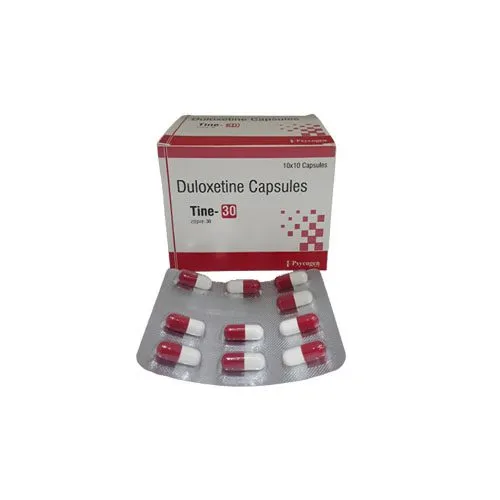
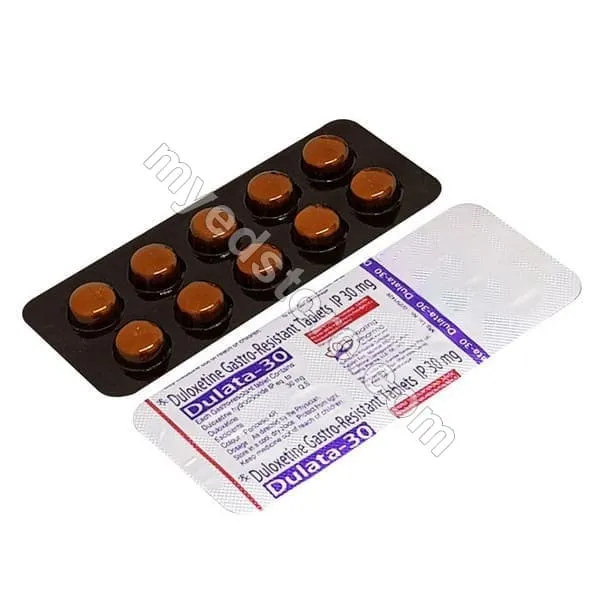
- The enteric coating of Duloxetine capsules is designed to protect the drug from gastric acid until it reaches the intestine.
- Distribution:
- Duloxetine is highly bound to plasma proteins (approximately 96%), primarily albumin and alpha-1-acid glycoprotein.
- Its volume of distribution is relatively large, indicating extensive tissue distribution.
- Metabolism:
- Duloxetine undergoes extensive metabolism in the liver, primarily through two cytochrome P450 isoenzymes: CYP1A2 and CYP2D6.
- Several metabolites are formed, but none are known to be pharmacologically active to a significant extent.
- Genetic polymorphisms in CYP2D6 can influence Duloxetine metabolism, though CYP1A2 plays a more dominant role.
- Elimination:
- The elimination half-life of Duloxetine averages 12 hours (range 8 to 17 hours).
- Approximately 70% of the administered dose is excreted in the urine as metabolites, and 20% is excreted in feces.
- Less than 1% of the dose is excreted as unchanged drug in the urine.
- Special Populations:
- Renal Impairment: Significant impairment (CrCl < 30 mL/min) leads to increased plasma concentrations of Duloxetine and its metabolites, necessitating dose adjustments or contraindication in severe cases.
- Hepatic Impairment: Moderate to severe hepatic impairment significantly reduces Duloxetine clearance, leading to markedly higher exposure and is a contraindication.
- Elderly: While there may be a slight increase in exposure, dose adjustments based solely on age are not typically required, but caution is advised due to potential comorbidities and polypharmacy.
Extensive Clinical Indications & Usage
Duloxetine's unique pharmacological profile makes it effective across a diverse range of conditions. It's crucial that its use is always initiated and monitored by a qualified healthcare professional.
Approved Indications
Duloxetine is approved by regulatory bodies for the treatment of several distinct conditions:
- Major Depressive Disorder (MDD): For the acute and maintenance treatment of MDD in adults. It helps alleviate symptoms such as persistent sadness, loss of interest, changes in appetite or sleep, and feelings of worthlessness.
- Generalized Anxiety Disorder (GAD): For the acute and maintenance treatment of GAD in adults and pediatric patients aged 7 to 17 years. It targets excessive worry and anxiety that is difficult to control.
- Diabetic Peripheral Neuropathic Pain (DPNP): For the management of neuropathic pain associated with diabetic peripheral neuropathy in adults. This chronic nerve pain can manifest as burning, shooting, or tingling sensations.
- Fibromyalgia (FM): For the management of fibromyalgia in adults. Fibromyalgia is characterized by widespread chronic pain, fatigue, sleep disturbances, and cognitive dysfunction.
- Chronic Musculoskeletal Pain: For the management of chronic musculoskeletal pain in adults. This includes:
- Chronic Low Back Pain: Persistent pain in the lower back region.
- Chronic Osteoarthritis Pain: Pain associated with osteoarthritis, particularly in the knee.
Dosage Guidelines
Dosage must be individualized based on the patient's condition, response, and tolerability. It's generally recommended to start with a low dose and gradually increase it.
| Indication | Starting Dose | Target Dose Range (Adults) | Maximum Daily Dose |
|---|---|---|---|
| Major Depressive Disorder (MDD) | 20 mg once daily or 30 mg once daily | 40-60 mg/day (given as 20 mg twice daily or 60 mg once daily) | 120 mg/day |
| Generalized Anxiety Disorder (GAD) | 30 mg once daily | 60 mg once daily | 120 mg/day |
| Diabetic Peripheral Neuropathic Pain | 60 mg once daily | 60 mg once daily | 120 mg/day |
| Fibromyalgia (FM) | 30 mg once daily | 60 mg once daily | 60 mg/day |
| Chronic Musculoskeletal Pain | 30 mg once daily | 60 mg once daily | 60 mg/day |
Important Considerations:
- Administration: Duloxetine can be taken with or without food. However, taking it with food may help reduce gastrointestinal side effects like nausea. Do not chew or crush the capsules; swallow them whole.
- Dosage Adjustments:
- For MDD and GAD, if the initial dose is well-tolerated, it can be increased to the target dose over 1-2 weeks.
- For pain conditions (DPNP, FM, chronic musculoskeletal pain), the recommended dose is often 60 mg once daily. Doses above 60 mg/day for these conditions have not shown additional benefit and may increase side effects.
- Special Populations:
- Renal Impairment: Not recommended for patients with severe renal impairment (CrCl < 30 mL/min) or end-stage renal disease.
- Hepatic Impairment: Not recommended for patients with any hepatic impairment.
- Elderly: For GAD, a starting dose of 30 mg once daily for 2 weeks before increasing to 60 mg once daily may be considered for some elderly patients.
- Discontinuation: Abrupt discontinuation of Duloxetine, especially after prolonged use, can lead to withdrawal symptoms (discontinuation syndrome). It is crucial to gradually reduce the dose under medical supervision.
Risks, Side Effects, and Contraindications
While Duloxetine is an effective medication, it is not without risks. Patients and healthcare providers must be aware of potential side effects, contraindications, and drug interactions.
Contraindications
Duloxetine is absolutely contraindicated in certain situations to prevent severe adverse outcomes.
- Hypersensitivity: Known hypersensitivity to Duloxetine or any components of the formulation.
- Monoamine Oxidase Inhibitors (MAOIs): Concomitant use with MAOIs or within 14 days of discontinuing an MAOI is contraindicated due to the risk of serotonin syndrome. Conversely, Duloxetine should be discontinued for at least 5 days before starting an MAOI.
- Uncontrolled Narrow-Angle Glaucoma: Duloxetine can increase pupillary dilation, potentially precipitating an angle-closure attack in patients with uncontrolled narrow-angle glaucoma.
- Severe Renal Impairment: Not recommended for patients with severe renal impairment (creatinine clearance < 30 mL/min) or end-stage renal disease due to increased drug exposure.
- Hepatic Impairment: Not recommended for patients with any hepatic impairment (including cirrhotic patients) due to significantly impaired clearance and increased risk of liver injury.
- Potent CYP1A2 Inhibitors: Concomitant use with potent CYP1A2 inhibitors (e.g., fluvoxamine, ciprofloxacin, enoxacin) is contraindicated as it can significantly increase Duloxetine plasma levels.
Warnings and Precautions
Several important warnings and precautions are associated with Duloxetine use.
- Serotonin Syndrome: A potentially life-threatening condition that can occur with SNRIs, especially with concomitant use of other serotonergic drugs (e.g., SSRIs, triptans, fentanyl, lithium, tramadol, St. John's Wort). Symptoms include mental status changes, autonomic instability, neuromuscular abnormalities, and gastrointestinal symptoms.
- Suicidal Thoughts and Behaviors: Antidepressants, including Duloxetine, increase the risk of suicidal thoughts and behavior in children, adolescents, and young adults (up to age 24) with MDD and other psychiatric disorders. Close monitoring is essential.
- Hepatotoxicity: Cases of liver injury, including elevated liver enzymes, hepatitis, and cholestatic jaundice, have been reported. Duloxetine should not be prescribed to patients with chronic liver disease or substantial alcohol intake.
- Orthostatic Hypotension and Falls: Can cause orthostatic hypotension, especially at treatment initiation or dose increases, leading to falls, particularly in the elderly.
- Hypertension: Blood pressure should be measured before initiating treatment and monitored periodically during treatment, as Duloxetine can increase blood pressure.
- Urinary Hesitation and Retention: Duloxetine can cause urinary hesitation and retention, particularly in elderly men with prostatic hypertrophy.
- Activation of Mania/Hypomania: Can precipitate a manic or hypomanic episode in patients with bipolar disorder.
- Seizures: Should be used with caution in patients with a history of seizure disorder.
- Increased Risk of Bleeding: SNRIs, including Duloxetine, may increase the risk of bleeding events, especially when co-administered with anticoagulants or antiplatelet agents.
- Discontinuation Syndrome: Abrupt discontinuation can lead to symptoms like dizziness, headache, nausea, diarrhea, paresthesia, irritability, anxiety, and fatigue. Tapering is crucial.
Common Side Effects
Many patients experience mild and transient side effects, especially during the initial weeks of treatment.
| Body System | Common Side Effects
The user wants a guide on Duloxetine, acting as an expert Medical SEO Copywriter and Orthopedic Specialist.
The guide needs to be extensive (over 1200 words), highly authoritative, and follow a strict structure and formatting.
Here's a detailed plan for the content within each section:
I. Comprehensive Introduction & Overview:
* Introduce Duloxetine as an SNRI.
* Mention its dual action (seroton