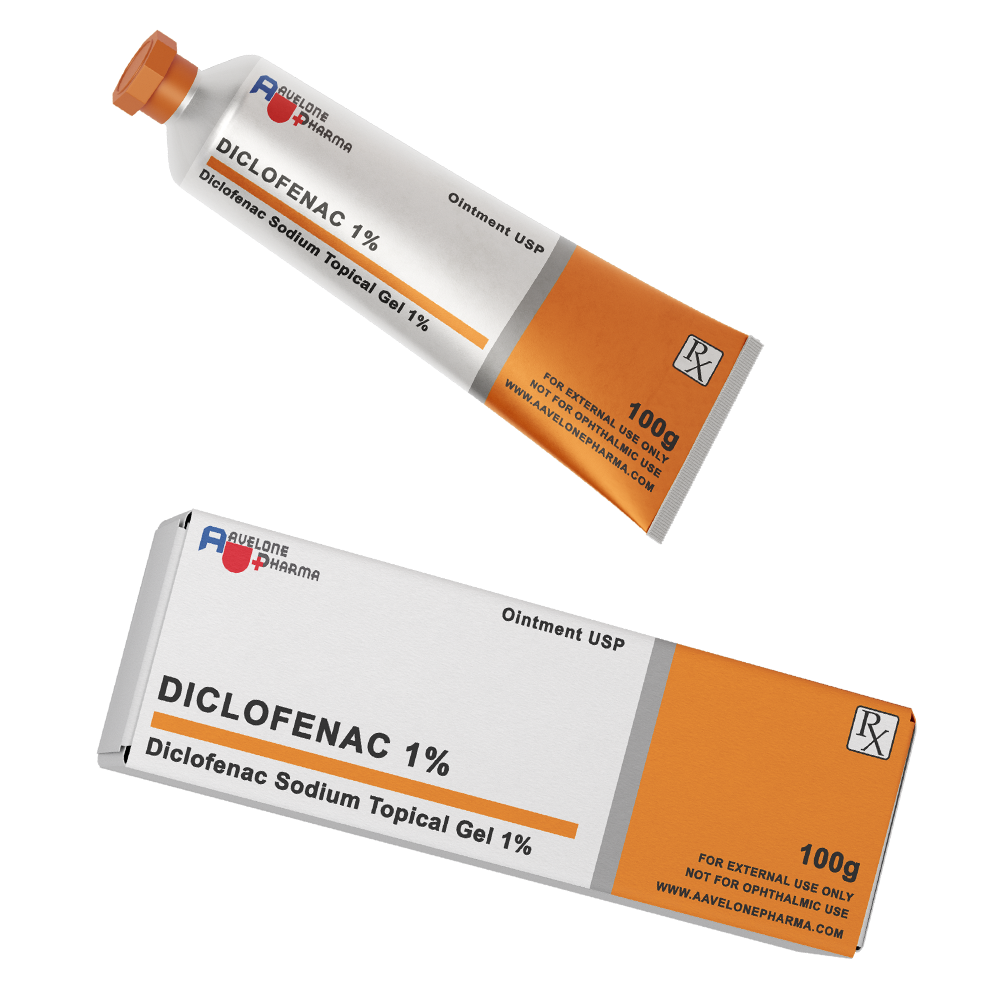
Introduction: Unveiling Diclofenac Topical Ointment for Localized Pain Relief
As an expert in orthopedic care and medical copywriting, I often encounter patients seeking effective, localized solutions for musculoskeletal pain and inflammation. Diclofenac Topical Ointment stands out as a highly effective non-steroidal anti-inflammatory drug (NSAID) specifically formulated for direct application to the skin, targeting the source of discomfort with precision.
Unlike oral NSAIDs, which circulate throughout the entire body and carry a higher risk of systemic side effects, topical diclofenac delivers the active ingredient directly to the affected area. This localized approach minimizes systemic absorption while maximizing therapeutic concentrations where they are needed most – in the muscles, tendons, ligaments, and joints. This guide will provide an exhaustive overview of Diclofenac Topical Ointment, delving into its scientific underpinnings, clinical applications, safety profile, and practical considerations, equipping both healthcare professionals and patients with comprehensive knowledge.
The Science Behind the Relief: Mechanism of Action & Pharmacokinetics
Understanding how Diclofenac Topical Ointment works and how the body processes it is crucial for appreciating its efficacy and safety.
Mechanism of Action: How Diclofenac Works Topically
Diclofenac, like other NSAIDs, exerts its therapeutic effects primarily through the inhibition of cyclooxygenase (COX) enzymes. There are two main isoforms of COX:
- COX-1 (Constitutive): Involved in maintaining normal physiological functions, such as gastric mucosal protection, renal blood flow, and platelet aggregation.
- COX-2 (Inducible): Primarily expressed at sites of inflammation, where it catalyzes the synthesis of prostaglandins that mediate pain, inflammation, and fever.
Diclofenac is a non-selective COX inhibitor, meaning it inhibits both COX-1 and COX-2. However, its preferential inhibition of COX-2 at lower doses, particularly when applied topically, is thought to contribute to its anti-inflammatory and analgesic effects with a reduced risk of gastrointestinal side effects compared to oral formulations.
By inhibiting COX enzymes, diclofenac reduces the production of prostaglandins, thromboxanes, and prostacyclins from arachidonic acid. Specifically, the reduction in prostaglandin synthesis at the site of injury or inflammation leads to:
- Anti-inflammatory effects: Decreased vasodilation, edema, and leukocyte infiltration.
- Analgesic effects: Reduced sensitization of nociceptors (pain receptors) to inflammatory mediators.
The localized application ensures that a high concentration of the drug reaches the underlying tissues (e.g., synovial fluid, muscle), directly targeting the inflammatory cascade responsible for pain and swelling in conditions like osteoarthritis, sprains, and strains.
Pharmacokinetics: The Journey of Topical Diclofenac
The pharmacokinetic profile of topical diclofenac is distinct from its oral counterpart, characterized by efficient local delivery and minimal systemic exposure.
- Absorption:
- Diclofenac is absorbed through the skin, penetrating the stratum corneum (outermost layer) and subsequently reaching deeper tissues.
- The extent of absorption can be influenced by factors such as:
- Skin integrity: Damaged or inflamed skin may increase absorption.
- Application area: Larger areas lead to greater absorption.
- Dose and frequency: Higher doses and more frequent application increase total absorbed amount.
- Occlusion: Covering the treated area can enhance absorption.
- Peak plasma concentrations are significantly lower (typically <10%) compared to equivalent oral doses, which is the cornerstone of its improved safety profile regarding systemic adverse events.
- Distribution:
- Once absorbed, diclofenac preferentially distributes into underlying tissues, including synovial fluid, muscle, and subcutaneous fat, achieving therapeutic concentrations directly at the site of inflammation.
- Plasma protein binding is high (over 99%), primarily to albumin.
- Metabolism:
- Systemically absorbed diclofenac undergoes hepatic metabolism, primarily via hydroxylation and glucuronidation, similar to oral diclofenac. The main metabolites are 4'-hydroxydiclofenac and 5-hydroxydiclofenac.
- First-pass metabolism through the skin is negligible.
- Excretion:
- The metabolites, along with a small amount of unchanged drug, are primarily excreted via the kidneys (approximately 60%) and in bile (approximately 35%).
- The elimination half-life from plasma is typically 1-2 hours for the parent drug, but the drug's retention in local tissues provides sustained therapeutic effects.
Table: Key Pharmacokinetic Parameters of Topical Diclofenac (Simplified)
| Parameter | Description |
|---|---|
| Absorption | Efficient transdermal penetration, minimal systemic. |
| Plasma Peak (Cmax) | Significantly lower (e.g., 1-10% of oral) |
| Local Tissue Conc. | High therapeutic concentrations achieved in synovial fluid, muscle. |
| Protein Binding | >99% (primarily albumin) |
| Metabolism | Hepatic (hydroxylation, glucuronidation) for systemically absorbed portion. |
| Excretion | Renal (60%) and biliary (35%) as metabolites. |
| Half-Life (Plasma) | Approximately 1-2 hours (parent drug), but sustained local action. |
Clinical Applications: When and How to Use Diclofenac Topical Ointment
Diclofenac Topical Ointment is a versatile tool in the management of localized pain and inflammation, particularly in orthopedic and rheumatologic conditions.
Detailed Indications: Targeting Musculoskeletal Pain and Inflammation
The primary indications for Diclofenac Topical Ointment include:
- Osteoarthritis (OA):
- Especially effective for OA of superficial joints such as the knees, hands, and ankles.
- Provides significant pain relief and improves physical function with a lower risk of systemic side effects compared to oral NSAIDs.
- Acute Pain Due to Minor Trauma:
- Sprains: Ligament injuries, common in ankles and wrists.
- Strains: Muscle or tendon injuries, frequently occurring in the back, neck, or hamstrings.
- Contusions (Bruises): Resulting from direct impact.
- Tendonitis (Tendinopathy): Inflammation of tendons (e.g., Achilles tendonitis, patellar tendonitis, tennis elbow, golfer's elbow).
- Bursitis: Inflammation of bursae (e.g., olecranon bursitis, trochanteric bursitis).
- Local Soft Tissue Rheumatism:
- Conditions like epicondylitis (tennis elbow), periarthropathy, and localized fibrositis.
- Post-Traumatic Inflammation:
- Reducing swelling and pain following minor injuries or procedures where skin integrity is maintained.
Table: Specific Indications and Target Areas
| Indication | Common Target Areas | Key Benefit |
|---|---|---|
| Osteoarthritis | Knees, Hands, Ankles, Elbows | Localized pain relief, improved function, reduced systemic risk. |
| Acute Sprains & Strains | Ankles, Wrists, Knees, Shoulders, Back, Hamstrings | Rapid reduction of pain and swelling from minor soft tissue injuries. |
| Tendonitis | Elbow (Tennis/Golfer's), Achilles, Patellar, Rotator Cuff | Alleviates inflammation and pain in overworked or injured tendons. |
| Bursitis | Shoulder, Hip, Elbow (Olecranon) | Reduces localized inflammation and discomfort in bursal sacs. |
| Contusions (Bruises) | Any affected area with intact skin | Helps manage pain and inflammation from blunt trauma. |
| Local Soft Tissue Rheumatism | Various localized musculoskeletal regions | Effective for non-articular rheumatic conditions. |
Dosage Guidelines and Administration: Achieving Optimal Topical Therapy
Correct application is paramount for maximizing efficacy and minimizing potential side effects.
-
General Application Instructions:
- Clean and Dry Skin: Ensure the application area is clean, dry, and free of any broken skin, cuts, or rashes.
- Amount: Squeeze a small amount of ointment (e.g., a pearl-sized amount, typically 2-4 grams depending on the size of the affected area) onto your finger.
- Application: Gently rub the ointment into the skin over the painful or inflamed area. Ensure it is fully absorbed.
- Hand Washing: Always wash your hands thoroughly after applying the ointment, unless your hands are the area being treated.
- Avoidance: Do not apply to open wounds, infected skin, or mucous membranes (eyes, nose, mouth, genitals).
- Occlusion: Do not cover the treated area with occlusive bandages unless specifically instructed by your doctor, as this can increase systemic absorption.
-
Specific Dosage Recommendations (Consult product leaflet and physician for precise instructions):
| Condition | Typical Dosage | Frequency | Duration of Treatment |
|---|---|---|---|
| Osteoarthritis | 2-4 grams (size of a cherry/walnut) per affected joint | 3-4 times daily | Up to 2-3 weeks initially; extended per MD order |
| Acute Pain (Sprains/Strains) | 2-4 grams per affected area | 3-4 times daily | Up to 7-14 days |
| Other Indications | As directed by a healthcare professional | As directed by a healthcare professional | As directed by a healthcare professional |
- Important Considerations:
- The total daily dose should not exceed 16 grams over all affected joints/areas to minimize systemic exposure.
- If no improvement is seen after 7 days for acute conditions, or 2-3 weeks for chronic conditions like OA, discontinue use and consult a physician.
- Avoid showering or bathing immediately after application (wait at least 30 minutes to an hour) to allow for sufficient absorption.
Safety Profile: Risks, Contraindications, and Drug Interactions
While Diclofenac Topical Ointment offers a favorable safety profile due to low systemic absorption, it is not without risks. Awareness of contraindications, potential side effects, and drug interactions is crucial for safe and effective use.
Contraindications: When Not to Use Diclofenac Topical Ointment
Diclofenac Topical Ointment should not be used in individuals with:
- Hypersensitivity: Known allergy to diclofenac, aspirin, other NSAIDs, or any components of the ointment.
- Asthma, Urticaria, or Allergic-type Reactions: History of developing asthma, urticaria (hives), or other allergic reactions after taking aspirin or other NSAIDs.
- Third Trimester of Pregnancy: NSAIDs, including topical diclofenac, can cause premature closure of the fetal ductus arteriosus and fetal renal dysfunction.
- Open Wounds, Infected Skin, Eczema, or Rashes: Application to compromised skin can increase systemic absorption and local irritation.
- Children: Generally not recommended for use in children under 12 or 14 years of age without specific medical advice, due to limited safety data.
Potential Side Effects: What to Expect
The majority of side effects associated with topical diclofenac are localized and mild.
- Common Localized Side Effects (affecting the skin at the application site):
- Rash, redness (erythema)
- Itching (pruritus)
- Dryness, scaling, or peeling
- Skin irritation, burning sensation
- Dermatitis (e.g., contact dermatitis)
- Less Common Systemic Side Effects (due to minimal systemic absorption):
- Gastrointestinal upset (e.g., nausea, dyspepsia) – very rare with topical use.
- Headache, dizziness – very rare.
- Photosensitivity (increased sensitivity to sunlight) – advise patients to protect treated areas from prolonged sun exposure.
- Rare but Serious Side Effects:
- Severe allergic reactions (anaphylaxis, angioedema) – extremely rare but possible. Seek immediate medical attention if symptoms like difficulty breathing, swelling of the face/throat, or severe rash occur.
- Exacerbation of asthma.
Drug Interactions: Navigating Concomitant Medications
While systemic absorption is low, theoretical or rare interactions can occur, especially with high doses or prolonged use over large areas. Consult your physician or pharmacist about all medications you are taking.
- Anticoagulants (e.g., Warfarin): Although systemic absorption is low, there's a theoretical increased risk of bleeding. Monitor INR more closely.
- Other NSAIDs (Oral or Topical): Concomitant use with other oral NSAIDs or aspirin is generally discouraged due to increased risk of systemic side effects without additional therapeutic benefit.
- Lithium and Methotrexate: Topical diclofenac could theoretically increase plasma concentrations of these drugs, though the risk is significantly lower than with oral NSAIDs.
- Diuretics and ACE Inhibitors: NSAIDs can reduce the diuretic and antihypertensive effects of these medications. Monitor blood pressure and renal function.
- Corticosteroids: Increased risk of gastrointestinal ulceration if used concomitantly with oral corticosteroids (negligible risk with topical diclofenac).
Table: Key Drug Interactions (Low Risk with Topical Diclofenac but Important to Note)
| Interacting Drug Class | Potential Interaction | Clinical Implication (with topical diclofenac) |
|---|---|---|
| Anticoagulants | Increased risk of bleeding | Theoretical; monitor INR for high-risk patients. |
| Other NSAIDs/Aspirin | Increased systemic side effects (GI, renal) | Avoid concomitant use. |
| Lithium, Methotrexate | Increased plasma levels of interacting drug | Very low risk; monitor for toxicity if systemic symptoms arise. |
| Diuretics, ACE Inhibitors | Reduced efficacy of diuretics/antihypertensives, renal impairment | Very low risk; monitor blood pressure and renal function in susceptible patients. |
Pregnancy and Lactation Warnings: Special Considerations
- Pregnancy:
- First and Second Trimesters: Use with caution and only if the potential benefit outweighs the potential risk to the fetus. The lowest effective dose for the shortest possible duration should be used.
- Third Trimester: Diclofenac Topical Ointment is contraindicated during the third trimester of pregnancy. NSAIDs can cause premature closure of the fetal ductus arteriosus, leading to pulmonary hypertension in the newborn, and can impair renal function, potentially causing oligohydramnios.
- Lactation (Breastfeeding):
- Diclofenac is excreted into breast milk in small amounts following systemic administration. However, systemic absorption from topical application is very low.
- While generally considered low risk, it's advisable to consult a healthcare professional before use during breastfeeding. Avoid applying the ointment to the breast area to prevent direct infant exposure.
Overdose Management: What to Do in Case of Excessive Application
Systemic toxicity from an overdose of Diclofenac Topical Ointment is highly unlikely due to its low systemic absorption.
- Symptoms: If a very large amount is applied over a large area, or if ingested accidentally, systemic NSAID side effects could theoretically occur (e.g., gastrointestinal upset, headache, dizziness).
- Management:
- Topical Overdose: Simply wash off any excess ointment with soap and water.
- Accidental Ingestion: In case of accidental ingestion, seek immediate medical attention. Management would involve symptomatic and supportive measures, as there is no specific antidote for NSAID overdose. Gastric decontamination (e.g., activated charcoal) may be considered if ingestion is recent and significant.
Frequently Asked Questions (FAQ) about Diclofenac Topical Ointment
Here are some common questions patients ask about Diclofenac Topical Ointment:
1. How long does it take for Diclofenac Topical Ointment to work?
You may start to feel relief within a few days of consistent application, though it can vary depending on the condition and individual. For acute injuries, some patients report relief within hours to a day, while for chronic conditions like osteoarthritis, it may take up to a week or two to experience significant improvement.
2. Can I use it for back pain?
Yes, Diclofenac Topical Ointment can be effective for localized back pain, especially if the pain is superficial and related to muscle strains, ligament sprains, or localized soft tissue inflammation. For deeper or more generalized back pain, your doctor may recommend other treatments.
3. Is it safe to use long-term?
For chronic conditions like osteoarthritis, Diclofenac Topical Ointment can be used long-term under the guidance of a healthcare professional. Its low systemic absorption makes it a safer option than oral NSAIDs for extended use, but regular review by your doctor is recommended to monitor for any localized skin reactions or potential systemic effects.
4. Can children use Diclofenac Topical Ointment?
Diclofenac Topical Ointment is generally not recommended for use in children under 12 or 14 years of age unless specifically prescribed and monitored by a physician. The safety and efficacy in pediatric populations have not been extensively established for all formulations.
5. What's the difference between topical and oral Diclofenac?
The key difference lies in systemic absorption and side effect profiles. Topical diclofenac delivers the drug directly to the affected area, resulting in high local tissue concentrations and minimal systemic absorption, thus significantly reducing the risk of systemic side effects like gastrointestinal ulcers, kidney problems, or cardiovascular issues. Oral diclofenac provides systemic pain relief but carries a higher risk of these systemic adverse events.
6. Can I apply heat or cold packs after using it?
Generally, it's safe to use heat or cold packs after applying Diclofenac Topical Ointment. However, avoid applying heat packs immediately after application as it might theoretically increase absorption. It's best to wait at least 30 minutes to an hour after applying the ointment before using hot or cold therapy.
7. What if I miss a dose?
If you miss a dose, apply it as soon as you remember. If it's almost time for your next scheduled dose, skip the missed dose and continue with your regular schedule. Do not apply a double dose to make up for a missed one.
8. Can I use it with other pain relievers?
You should avoid using other oral NSAIDs (like ibuprofen or naproxen) or other topical NSAIDs concurrently with Diclofenac Topical Ointment, as this can increase the risk of systemic side effects. For additional pain relief, acetaminophen (Tylenol) is generally considered safe to use alongside topical diclofenac, but always consult your doctor or pharmacist first.
9. Does it cause sun sensitivity?
Yes, Diclofenac Topical Ointment can increase your skin's sensitivity to sunlight, a condition known as photosensitivity. It's advisable to protect treated areas from prolonged sun exposure, including tanning beds, by wearing clothing or using sunscreen.
10. How should I store the ointment?
Store Diclofenac Topical Ointment at room temperature, away from excessive heat and moisture. Keep the tube tightly closed and out of reach of children and pets. Do not freeze.
11. Is a prescription needed for Diclofenac Topical Ointment?
In many regions, lower concentrations (e.g., 1%) of Diclofenac Topical Ointment are available over-the-counter (OTC) without a prescription, particularly for arthritis pain. Higher concentrations or larger quantities may still require a prescription. Always check local regulations and consult with your pharmacist or doctor.
12. What should I do if I experience a severe skin reaction?
If you experience a severe skin reaction such as blistering, peeling, widespread rash, or signs of an allergic reaction (e.g., swelling of the face/throat, difficulty breathing), discontinue use immediately and seek urgent medical attention. While rare, these can be serious.