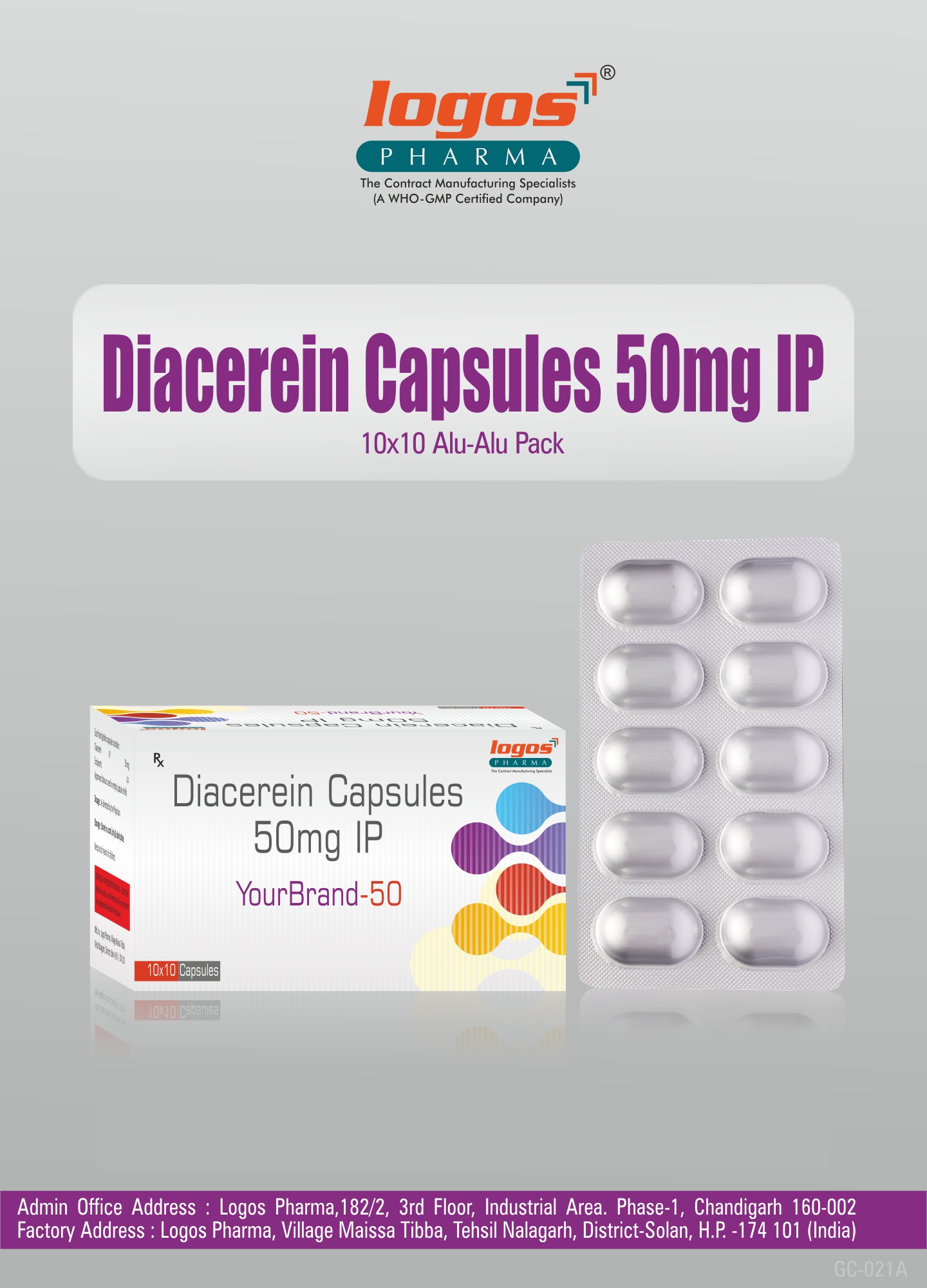
Diacerein: A Comprehensive Medical SEO Guide for Osteoarthritis Management
As an expert medical SEO copywriter and orthopedic specialist, we understand the critical need for accurate, in-depth information regarding pharmaceutical interventions. Diacerein is a unique medication often prescribed for the management of osteoarthritis (OA), a degenerative joint disease affecting millions worldwide. This comprehensive guide aims to provide an exhaustive overview of Diacerein, covering its intricate mechanisms, clinical applications, safety profile, and essential considerations for both patients and healthcare professionals.
Introduction and Overview of Diacerein
Diacerein is an anthraquinone derivative that stands apart from traditional non-steroidal anti-inflammatory drugs (NSAIDs) and simple analgesics in its approach to managing osteoarthritis. Classified as a symptomatic slow-acting drug for osteoarthritis (SYSADOA), Diacerein acts by modulating specific inflammatory pathways and inhibiting cartilage degradation, offering a disease-modifying effect over time rather than just symptomatic relief. It is not an analgesic in the immediate sense but works to reduce pain and improve joint function through its chondroprotective properties.
Unlike NSAIDs, which primarily target cyclooxygenase enzymes, Diacerein's mechanism focuses on the interleukin-1 beta (IL-1β) pathway, a key cytokine implicated in the pathogenesis of OA. This unique action profile makes it an intriguing option for long-term management, aiming to slow the progression of cartilage damage.
Deep-Dive into Technical Specifications and Mechanisms
Diacerein's therapeutic efficacy stems from its complex molecular interactions within the joint environment. It is administered as a prodrug, meaning it must be metabolized in the body to its active form, rhein, to exert its effects.
Mechanism of Action
The primary mechanism of action of Diacerein's active metabolite, rhein, revolves around the inhibition of interleukin-1 beta (IL-1β), a pro-inflammatory cytokine. IL-1β plays a pivotal role in the initiation and progression of osteoarthritis by:
- Promoting Cartilage Degradation: IL-1β stimulates chondrocytes (cartilage cells) to produce matrix metalloproteinases (MMPs) and aggrecanases, enzymes responsible for breaking down the extracellular matrix of cartilage.
- Inducing Inflammation: It upregulates the production of other inflammatory mediators such as prostaglandins, nitric oxide (NO), and various chemokines, contributing to joint pain and swelling.
- Inhibiting Cartilage Repair: IL-1β suppresses the synthesis of new proteoglycans and collagen, essential components for cartilage repair and maintenance.
Rhein intervenes in this destructive cycle by:
- Inhibiting IL-1β Synthesis: It reduces the production of IL-1β by synovial cells and chondrocytes.
- Blocking IL-1β Receptor Signaling: Rhein can interfere with the binding of IL-1β to its receptors, thereby preventing the downstream signaling cascade that leads to inflammatory and catabolic effects.
- Reducing MMP Activity: By inhibiting IL-1β, rhein indirectly reduces the synthesis and activity of MMPs, thereby preserving cartilage integrity.
- Promoting Anabolic Activity: Some studies suggest rhein may also have pro-anabolic effects, stimulating the synthesis of collagen and proteoglycans, further contributing to cartilage protection.
This multi-faceted approach distinguishes Diacerein from symptomatic pain relievers, positioning it as a potential disease-modifying agent in OA.
Pharmacokinetics
The journey of Diacerein within the body is crucial for understanding its therapeutic profile.
- Absorption: Diacerein is administered orally. It has relatively poor absorption in its unmetabolized form.
- Metabolism: Upon ingestion, Diacerein undergoes extensive first-pass metabolism in the liver and gastrointestinal tract. It is rapidly deacetylated to rhein, which is the pharmacologically active metabolite. Rhein itself then undergoes further metabolism, primarily glucuronidation and sulfation, to form inactive conjugates.
- Distribution: Rhein has a high affinity for plasma proteins, predominantly albumin. It distributes into the synovial fluid, the fluid surrounding the joints, where it exerts its therapeutic effects.
- Elimination: The majority of rhein and its metabolites are eliminated via renal excretion. The elimination half-life of rhein is approximately 4-8 hours. Impaired renal function can significantly prolong its half-life, necessitating dose adjustments.
Pharmacokinetic Summary Table:
| Parameter | Description |
|---|---|
| Route of Admin. | Oral |
| Prodrug | Yes (Diacerein) |
| Active Metabolite | Rhein |
| Metabolism | Extensive first-pass metabolism to rhein, then glucuronidation/sulfation of rhein |
| Protein Binding | High (primarily albumin) |
| Elimination | Primarily renal excretion (rhein and its conjugates) |
| Half-life (Rhein) | Approximately 4-8 hours |
Extensive Clinical Indications and Usage
Diacerein is specifically indicated for the symptomatic treatment of mild to moderate osteoarthritis of the hip and knee. Its role is particularly relevant for patients seeking an alternative to NSAIDs due to gastrointestinal intolerance or contraindications, or as an adjunct therapy.
Detailed Indications
- Symptomatic Treatment of Osteoarthritis: Diacerein is used to alleviate pain and improve joint function in patients with osteoarthritis, particularly affecting the hip and knee joints.
- Slow-Acting Effect: Patients should be counseled that the therapeutic effects of Diacerein are not immediate. Symptomatic relief typically begins after 2-4 weeks of continuous treatment, with optimal effects observed after several months.
- Long-Term Management: Due to its disease-modifying potential, Diacerein is often considered for long-term treatment protocols in OA.
- Alternative to NSAIDs: For patients who cannot tolerate or have contraindications to NSAIDs, Diacerein offers a different pharmacological approach to managing OA symptoms.
Dosage Guidelines
Accurate dosing is crucial for optimizing efficacy and minimizing side effects, particularly gastrointestinal disturbances.
- Standard Adult Dosage: The usual recommended dose for adults is 50 mg twice daily (BID).
- Initiation of Treatment: To mitigate the common side effect of diarrhea, it is often recommended to initiate treatment with a lower dose, typically 50 mg once daily, for the first 2-4 weeks. This allows the body to adapt to the medication. After this initial period, the dose can be increased to 50 mg twice daily.
- Administration: Diacerein should be taken with food to improve absorption and reduce gastrointestinal irritation.
- Duration of Treatment: The duration of treatment can be long-term, often extending for several months or even years, depending on the patient's response and tolerance. Regular clinical evaluation is necessary.
- Renal Impairment: In patients with moderate to severe renal impairment (creatinine clearance < 60 mL/min), the dosage should be reduced by half (e.g., 50 mg once daily) due to the renal elimination of rhein. It is generally contraindicated in severe renal impairment.
- Hepatic Impairment: Use with caution in patients with hepatic impairment. It is generally contraindicated in severe hepatic impairment.
Dosage Regimen Table:
| Condition | Initial Dose | Maintenance Dose | Notes |
|---|---|---|---|
| Adult OA (Normal Renal Function) | 50 mg once daily for 2-4 weeks | 50 mg twice daily | Take with food. |
| Moderate Renal Impairment (CrCl 30-60 mL/min) | 50 mg once daily (no titration needed) | 50 mg once daily | Monitor renal function closely. |
| Severe Renal Impairment (CrCl < 30 mL/min) | Contraindicated | Contraindicated | Risk of rhein accumulation. |
| Severe Hepatic Impairment | Contraindicated | Contraindicated | Increased risk of liver enzyme elevation and other adverse effects. |
Risks, Side Effects, and Contraindications
While generally well-tolerated, Diacerein is associated with certain risks, side effects, and strict contraindications that must be considered.
Common Side Effects
The most frequently reported side effects of Diacerein are gastrointestinal in nature, particularly during the initial weeks of treatment.
- Diarrhea: This is the most common side effect, often mild to moderate and transient. It typically occurs within the first few days or weeks of treatment and can be managed by starting with a lower dose.
- Abdominal Pain: Mild to moderate abdominal discomfort or pain.
- Nausea/Vomiting: Less common but can occur.
- Urine Discoloration: Diacerein can cause the urine to turn a dark yellow or brownish color. This is due to the excretion of rhein metabolites and is harmless.
- Liver Enzyme Elevation: Rarely, asymptomatic and transient increases in liver transaminases have been reported. Regular monitoring of liver function tests (LFTs) is recommended, especially in patients with pre-existing liver conditions or on long-term therapy.
Serious Side Effects (Rare)
- Severe Diarrhea: In rare cases, severe diarrhea with dehydration and electrolyte disturbances may occur.
- Hepatotoxicity: While rare, serious liver injury has been reported. Patients should be advised to report symptoms such as persistent nausea, vomiting, dark urine, yellow skin/eyes, or severe fatigue immediately.
Contraindications
Diacerein is contraindicated in several specific situations:
- Hypersensitivity: Known allergy to Diacerein, anthraquinone derivatives, or any excipients.
- Inflammatory Bowel Disease (IBD): Conditions such as Crohn's disease and ulcerative colitis. Diacerein can exacerbate gastrointestinal symptoms.
- Severe Hepatic Impairment: Due to the risk of liver enzyme elevation and potential hepatotoxicity.
- Severe Renal Impairment (CrCl < 30 mL/min): Risk of accumulation of rhein.
- Pregnancy and Lactation: Due to lack of sufficient safety data and potential risks (discussed below).
- Children and Adolescents (<18 years): Safety and efficacy have not been established.
Drug Interactions
Diacerein's efficacy and safety can be influenced by co-administration with other medications.
- Antacids: Antacids containing aluminum or magnesium hydroxide can reduce the absorption of Diacerein, thereby decreasing its efficacy. It is recommended to administer Diacerein at least 2 hours apart from antacids.
- Laxatives: Concomitant use with laxatives should be avoided, especially during the initial treatment period, as it can exacerbate diarrhea.
- Iron and Calcium Supplements: Similar to antacids, these can interfere with Diacerein absorption. Separate administration times are advised.
- Diuretics: Patients on diuretics may be at an increased risk of dehydration and hypokalemia if severe diarrhea occurs.
- Other Medications Affecting Liver Function: Caution should be exercised when co-administering Diacerein with drugs known to affect liver function.
- NSAIDs/Analgesics: While Diacerein is not an immediate analgesic, it can be safely co-administered with NSAIDs or simple analgesics (e.g., paracetamol) for initial pain control, especially during the first few weeks before Diacerein's full effects manifest.
Pregnancy and Lactation Warnings
- Pregnancy: Diacerein is generally contraindicated during pregnancy (Pregnancy Category C in some classifications). There are no adequate and well-controlled studies in pregnant women. Animal studies have shown reproductive toxicity at high doses. The potential risk to the fetus outweighs the potential benefits.
- Lactation (Breastfeeding): Diacerein and its active metabolite, rhein, are excreted in breast milk. Due to the potential for adverse effects on the nursing infant (e.g., diarrhea), Diacerein is contraindicated in breastfeeding mothers. If treatment is essential, breastfeeding should be discontinued.
Overdose Management
In the event of an overdose, the primary symptoms are typically an exaggeration of the common side effects.
- Symptoms: Severe diarrhea, potentially leading to dehydration and electrolyte imbalance. Abdominal pain may also be pronounced.
- Management:
- Discontinue Diacerein: Immediately stop the medication.
- Symptomatic and Supportive Care: Treatment should be symptomatic and supportive.
- Fluid and Electrolyte Replacement: Crucial for managing severe diarrhea and preventing dehydration. Oral rehydration solutions or intravenous fluids may be necessary.
- Monitor Liver Function: Due to the potential for liver enzyme elevation, monitoring LFTs may be considered.
- There is no specific antidote for Diacerein overdose. Hemodialysis is not considered effective due to the high protein binding of rhein.
Massive FAQ Section
Here are some frequently asked questions about Diacerein, providing quick and authoritative answers.
Q1: How quickly does Diacerein start to work?
A1: Diacerein is a slow-acting drug. You typically won't feel its full effects immediately. Symptomatic relief usually begins after 2 to 4 weeks of consistent treatment, with optimal benefits often observed after several months. It's crucial to continue taking it as prescribed, even if you don't notice immediate changes.
Q2: Can Diacerein rebuild or repair damaged cartilage?
A2: While Diacerein's primary action is to slow down cartilage degradation by inhibiting inflammatory cytokines and catabolic enzymes, some studies suggest it may also have mild pro-anabolic effects, potentially stimulating the synthesis of cartilage components. It's more accurately described as a chondroprotective agent that helps preserve existing cartilage and may contribute to its maintenance, rather than fully "rebuilding" severely damaged cartilage.
Q3: What is the main difference between Diacerein and NSAIDs for osteoarthritis?
A3: Diacerein and NSAIDs (Non-Steroidal Anti-Inflammatory Drugs) work differently. NSAIDs provide immediate pain relief and reduce inflammation by inhibiting cyclooxygenase enzymes. Diacerein, on the other hand, is a slow-acting drug that targets the underlying disease process by inhibiting interleukin-1 beta, a key mediator of cartilage destruction. Diacerein aims to slow disease progression and improve joint structure over time, while NSAIDs primarily manage symptoms. Diacerein also has a different side effect profile, notably less gastrointestinal ulceration risk but a higher incidence of diarrhea.
Q4: Why does my urine turn dark when taking Diacerein?
A4: It's common and completely harmless for Diacerein to cause your urine to turn a dark yellow or brownish color. This is due to the excretion of its active metabolite, rhein, and its conjugates in the urine. It's not a cause for concern and doesn't indicate any kidney problems.
Q5: What should I do if I experience diarrhea while taking Diacerein?
A5: Diarrhea is the most common side effect, especially at the beginning of treatment. If it's mild, continue taking the medication, as it often subsides within a few weeks. If the diarrhea is persistent, severe, or accompanied by dehydration (e.g., excessive thirst, dizziness, reduced urination), contact your doctor immediately. They may suggest reducing the dose, temporarily stopping the medication, or providing advice on managing symptoms.
Q6: Can I take Diacerein with other pain relievers?
A6: Yes, Diacerein can generally be taken with other pain relievers like paracetamol (acetaminophen) or even NSAIDs, especially during the initial weeks of treatment when Diacerein's effects are not yet fully manifest. However, always consult your doctor or pharmacist before combining medications to ensure there are no contraindications or potential interactions.
Q7: Is Diacerein safe for long-term use?
A7: Diacerein is often prescribed for long-term management of osteoarthritis. Clinical studies have supported its use for extended periods. However, long-term use requires regular monitoring by your doctor, including liver function tests, especially for patients with pre-existing conditions or those on other medications.
Q8: What if I miss a dose of Diacerein?
A8: If you miss a dose, take it as soon as you remember, unless it's almost time for your next scheduled dose. In that case, skip the missed dose and continue with your regular dosing schedule. Do not take a double dose to make up for a missed one. Consistency is key for Diacerein's slow-acting effects.
Q9: Are there any dietary restrictions while taking Diacerein?
A9: There are no specific dietary restrictions, but it's recommended to take Diacerein with food to enhance absorption and minimize gastrointestinal upset. Avoid taking it with antacids, iron supplements, or calcium supplements, as these can interfere with its absorption. If you need to take these, separate the doses by at least two hours.
Q10: Who should NOT take Diacerein?
A10: Diacerein is contraindicated in individuals with:
* Known allergy to Diacerein or anthraquinone derivatives.
* Inflammatory bowel disease (e.g., Crohn's disease, ulcerative colitis).
* Severe liver disease or severe kidney impairment (creatinine clearance < 30 mL/min).
* Pregnancy or breastfeeding.
* Children and adolescents under 18 years of age.
Always inform your doctor about your full medical history and all medications you are taking before starting Diacerein.