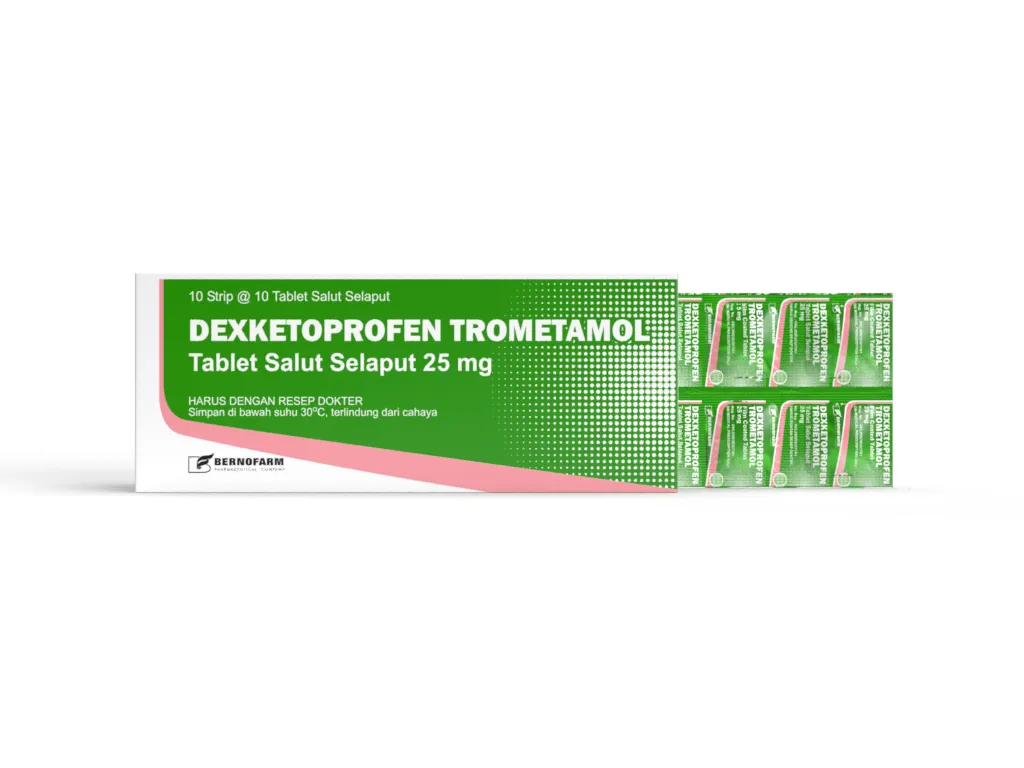


Dexketoprofen: A Comprehensive Medical SEO Guide for Fast-Acting Pain Relief
As an expert in orthopedic care and medical SEO copywriting, we understand the critical need for accurate, in-depth information regarding medications that impact patient well-being. This comprehensive guide delves into Dexketoprofen, a potent and fast-acting non-steroidal anti-inflammatory drug (NSAID), providing an exhaustive overview for healthcare professionals, patients, and those seeking authoritative medical knowledge.
1. Introduction & Overview of Dexketoprofen
Dexketoprofen is a pharmaceutical agent belonging to the class of non-steroidal anti-inflammatory drugs (NSAIDs). Specifically, it is the S-(+) enantiomer of ketoprofen, a propionic acid derivative. This distinction is crucial because the S-enantiomer is primarily responsible for the therapeutic activity of racemic ketoprofen, offering a more potent analgesic and anti-inflammatory effect at lower doses.
Marketed under various brand names globally, Dexketoprofen is recognized for its rapid onset of action, making it particularly effective in managing acute pain conditions. Its primary therapeutic actions include:
- Analgesic: Relieves pain.
- Anti-inflammatory: Reduces inflammation and swelling.
- Antipyretic: Lowers fever.
This medication is widely prescribed for a range of painful conditions, from musculoskeletal injuries and dental pain to post-operative discomfort and dysmenorrhea. Its efficacy, coupled with a relatively favorable pharmacokinetic profile, positions it as a valuable tool in pain management strategies. However, like all potent medications, its use requires a thorough understanding of its mechanisms, indications, contraindications, and potential risks.
2. Deep-Dive into Technical Specifications & Mechanisms
Understanding how Dexketoprofen works at a molecular level is fundamental to appreciating its therapeutic effects and potential side effects.
Mechanism of Action (MoA)
Dexketoprofen exerts its therapeutic effects primarily through the inhibition of prostaglandin synthesis. Prostaglandins are lipid compounds that play a crucial role in the body's inflammatory response, pain signaling, and fever generation.
The key steps in its mechanism are:
- Cyclooxygenase (COX) Inhibition: Dexketoprofen reversibly inhibits both cyclooxygenase-1 (COX-1) and cyclooxygenase-2 (COX-2) enzymes.
- COX-1: A constitutively expressed enzyme involved in maintaining physiological functions such as gastric mucosal protection, renal blood flow regulation, and platelet aggregation. Inhibition of COX-1 contributes to some of the common NSAID side effects, particularly gastrointestinal issues.
- COX-2: An inducible enzyme primarily expressed at sites of inflammation, pain, and fever. Inhibition of COX-2 is responsible for the analgesic, anti-inflammatory, and antipyretic effects.
- Reduced Prostaglandin Synthesis: By inhibiting COX enzymes, Dexketoprofen reduces the production of various prostaglandins, including:
- Prostaglandin E2 (PGE2): A major mediator of pain and inflammation, and a pyrogen.
- Prostacyclin (PGI2): Involved in vasodilation and inhibition of platelet aggregation.
- Thromboxane A2 (TXA2): Involved in vasoconstriction and platelet aggregation.
- Analgesic Effect: The reduction in PGE2 synthesis leads to decreased sensitization of peripheral pain receptors (nociceptors) to chemical mediators of pain (e.g., bradykinin, histamine, substance P), thereby alleviating pain.
- Anti-inflammatory Effect: By reducing prostaglandin synthesis, Dexketoprofen mitigates various components of the inflammatory response, such as vasodilation, increased vascular permeability, and leukocyte migration, leading to a reduction in swelling and redness.
- Antipyretic Effect: In the context of fever, prostaglandins (especially PGE2) act on the hypothalamus to elevate the body's set point. Dexketoprofen's inhibition of PGE2 synthesis helps to reset this set point, thereby reducing fever.
The advantage of Dexketoprofen being the S-enantiomer is its enhanced potency and stereoselectivity, meaning it can achieve therapeutic effects at lower doses compared to the racemic mixture, potentially leading to a more favorable safety profile for certain individuals.
Pharmacokinetics
Pharmacokinetics describes how the body handles a drug – its absorption, distribution, metabolism, and excretion (ADME). Dexketoprofen exhibits a pharmacokinetic profile well-suited for acute pain management.
Absorption
- Route: Primarily administered orally (tablets, granules) and parenterally (intramuscular, intravenous).
- Rate: Rapidly absorbed from the gastrointestinal tract following oral administration.
- Peak Plasma Concentration (Tmax): Achieved typically within 15-60 minutes after oral ingestion, contributing to its fast onset of action.
- Bioavailability: High, indicating a significant portion of the drug reaches systemic circulation.
- Food Effect: While food can delay the absorption rate (increasing Tmax) and slightly reduce Cmax, the overall extent of absorption (AUC) remains largely unaffected. For rapid relief, it's often recommended on an empty stomach, but with food to minimize GI upset.
Distribution
- Protein Binding: Highly bound to plasma proteins, primarily albumin (typically >99%). This limits its distribution into tissues and interaction with other highly protein-bound drugs.
- Volume of Distribution (Vd): Relatively small, reflecting its high protein binding and limited tissue penetration.
Metabolism
- Primary Site: Liver.
- Pathway: Primarily metabolized via glucuronidation. Dexketoprofen undergoes conjugation with glucuronic acid to form active and inactive metabolites.
- Active Metabolites: While some active metabolites may form, the parent drug (Dexketoprofen) is considered the primary active compound.
Elimination
- Route: Predominantly renal excretion.
- Form: Primarily excreted as glucuronide conjugates in the urine.
- Half-life (t½): Relatively short, typically ranging from 1 to 2.5 hours. This short half-life supports its use in acute pain conditions, allowing for flexible dosing and less accumulation with repeated doses.
- Clearance: Total body clearance is rapid.
3. Extensive Clinical Indications & Usage
Dexketoprofen's efficacy in managing acute to moderately severe pain has led to its broad application across various medical specialties.
Detailed Indications
Dexketoprofen is indicated for the symptomatic treatment of various acute painful conditions, including:
- Musculoskeletal Pain:
- Acute low back pain.
- Sprains and strains.
- Tendinitis and tenosynovitis.
- Bursitis.
- Cervicalgia (neck pain).
- Acute exacerbations of osteoarthritis (for symptomatic relief of pain and inflammation).
- Post-operative Pain:
- Following minor surgical procedures (e.g., dental extractions, orthopedic surgeries).
- Post-dental pain.
- Dysmenorrhea:
- Primary dysmenorrhea (menstrual cramps).
- Renal Colic:
- Acute pain associated with renal colic (often administered parenterally for rapid relief).
- Migraine:
- Acute treatment of moderate to severe migraine attacks.
- Other Acute Painful Conditions:
- Symptomatic relief in conditions where acute inflammation and pain are present.
Dosage Guidelines
The dosage of Dexketoprofen must be individualized based on the patient's condition, pain severity, and tolerability, always adhering to the principle of using the lowest effective dose for the shortest possible duration.
Oral Administration (Tablets, Granules)
| Condition | Standard Dose (Oral) | Maximum Daily Dose | Notes