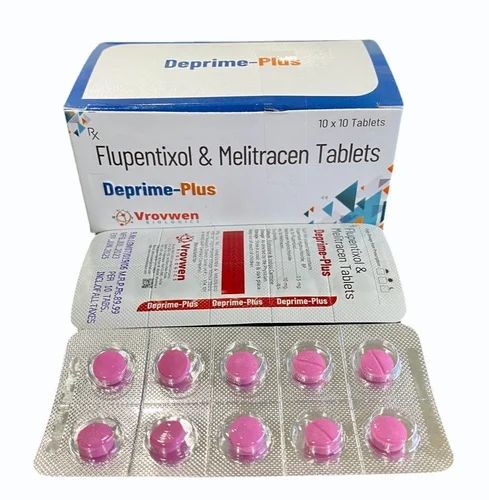
Deanxit: A Comprehensive Medical SEO Guide to Flupentixol/Melitracen
Welcome to this in-depth medical guide on Deanxit, a widely recognized medication for managing symptoms of anxiety and depression. As expert medical SEO copywriters, we aim to provide a massive, exhaustive, and authoritative resource for patients, caregivers, and healthcare professionals seeking detailed information about this unique combination therapy. Understanding your medication is crucial for effective treatment and safety.
1. Comprehensive Introduction & Overview
Deanxit is a pharmaceutical preparation that combines two active ingredients: flupentixol and melitracen. This dual-action formulation is specifically designed to address mild to moderate depressive states often accompanied by anxiety, apathy, or asthenia (fatigue). It is particularly noted for its relatively rapid onset of action and its ability to improve mood and reduce anxiety without significant sedative effects in many patients.
The therapeutic rationale behind Deanxit lies in the synergistic action of its components:
* Flupentixol: A thioxanthene derivative, which at low doses, exhibits antidepressant and anxiolytic properties.
* Melitracen: A tricyclic antidepressant (TCA) that contributes to the mood-elevating and anxiety-reducing effects.
This combination aims to provide a balanced approach to mental health, targeting both the depressive and anxious aspects of various psychological conditions.
What is Deanxit Used For?
Deanxit is typically prescribed for:
* Mild to moderate depression.
* Anxiety disorders.
* Psychosomatic conditions that manifest with anxiety and depressive symptoms.
* Asthenia or fatigue associated with depressive states.
It's important to note that Deanxit is not typically recommended for severe depression or psychotic conditions, where more potent and specific treatments are usually required.
2. Deep-Dive into Technical Specifications & Mechanisms
Understanding how Deanxit works at a molecular level is key to appreciating its therapeutic benefits and potential side effects.
2.1 Mechanism of Action
Deanxit's efficacy stems from the distinct yet complementary actions of flupentixol and melitracen on neurotransmitter systems in the brain.
Flupentixol
Flupentixol is a first-generation antipsychotic (neuroleptic) belonging to the thioxanthene class. However, in the low doses found in Deanxit, its pharmacological profile differs significantly from its antipsychotic use.
* Dopamine Receptor Modulation: At low doses, flupentixol is believed to exert its antidepressant and anxiolytic effects by modulating dopaminergic activity. While it acts as a dopamine D1 and D2 receptor antagonist, its low-dose administration may lead to a more nuanced effect, potentially enhancing dopaminergic and noradrenergic neurotransmission in specific brain regions. This enhancement is thought to contribute to its mood-elevating and activating properties.
* Noradrenaline and Serotonin Involvement: There is also evidence suggesting flupentixol may influence noradrenergic and serotonergic systems, further contributing to its broad spectrum of psychotropic effects. This can help alleviate symptoms like anhedonia, fatigue, and lack of motivation commonly associated with depression.
Melitracen
Melitracen is a tricyclic antidepressant (TCA) with a relatively balanced effect on noradrenaline and serotonin reuptake.
* Monoamine Reuptake Inhibition: Melitracen primarily acts by inhibiting the reuptake of two key monoamine neurotransmitters: noradrenaline (norepinephrine) and serotonin (5-HT) from the synaptic cleft back into the presynaptic neuron.
* Increased Neurotransmitter Availability: By blocking this reuptake, melitracen increases the concentration and availability of noradrenaline and serotonin in the synaptic space. These neurotransmitters play crucial roles in regulating mood, emotion, sleep, and appetite. Increased levels are associated with improved mood, reduced anxiety, and enhanced cognitive function.
* Anticholinergic and Antihistaminic Properties: Like other TCAs, melitracen also possesses anticholinergic and antihistaminic properties, which contribute to some of its side effects such as dry mouth, blurred vision, and sedation (though generally less pronounced than some other TCAs).
Synergistic Effect
The combination of flupentixol and melitracen in Deanxit is designed to provide a synergistic effect:
* Flupentixol's activating and anxiolytic properties complement melitracen's antidepressant action.
* This dual mechanism allows for a broader therapeutic coverage, addressing both the depressive mood and associated anxiety, often with a quicker response than single-agent therapies.
* The low dose of flupentixol minimizes the risk of typical antipsychotic side effects, while melitracen's profile offers antidepressant benefits.
2.2 Pharmacokinetics
Pharmacokinetics describes how the body handles the drug – absorption, distribution, metabolism, and excretion.
Absorption
- Oral Administration: Both flupentixol and melitracen are well absorbed from the gastrointestinal tract following oral administration.
- Peak Plasma Concentrations: Peak plasma concentrations are typically reached within a few hours for both components.
Distribution
- Extensive Distribution: Both drugs are widely distributed throughout the body, including the brain, due to their lipophilic nature.
- Plasma Protein Binding: Both flupentixol and melitracen exhibit significant plasma protein binding.
Metabolism
- Hepatic Metabolism: Both active ingredients undergo extensive metabolism in the liver, primarily via oxidation and conjugation pathways.
- Cytochrome P450 System: The cytochrome P450 (CYP) enzyme system, particularly CYP2D6 and CYP3A4, is involved in the metabolism of both flupentixol and melitracen. This is a critical consideration for potential drug interactions.
- Active Metabolites: Some metabolites may retain pharmacological activity.
Elimination
- Excretion: The metabolites of flupentixol are primarily excreted via feces and urine. Melitracen's metabolites are predominantly excreted via urine.
- Half-Life: The elimination half-life of flupentixol is relatively long (approximately 35 hours), allowing for once-daily dosing. Melitracen's half-life is shorter, typically around 19 hours. The sustained effect is primarily due to flupentixol.
3. Extensive Clinical Indications & Usage
Deanxit is a versatile medication for specific mental health conditions. Its use should always be under the guidance of a healthcare professional.
3.1 Detailed Indications
Deanxit is indicated for the treatment of:
- Mild to Moderate Depressive States: This includes reactive depression, neurotic depression, and masked depression, especially when symptoms include:
- Low mood, sadness, or hopelessness.
- Anhedonia (loss of pleasure).
- Fatigue or lack of energy (asthenia).
- Apathy or lack of motivation.
- Difficulty concentrating.
- Sleep disturbances (insomnia or hypersomnia).
- Anxiety Disorders: Particularly generalized anxiety disorder (GAD) and other anxiety states where symptoms include:
- Excessive worry and tension.
- Restlessness and agitation.
- Irritability.
- Muscle tension.
- Sleep disturbances related to anxiety.
- Psychosomatic Conditions: These are physical symptoms caused or exacerbated by psychological factors. Deanxit can be beneficial when such conditions are accompanied by anxiety and depressive features, for example:
- Irritable bowel syndrome (IBS) with mood disturbances.
- Tension headaches.
- Chronic pain syndromes where anxiety and depression are significant comorbidities.
- Asthenia (Fatigue): When fatigue is a prominent symptom of depression or anxiety, Deanxit can help improve energy levels and overall vitality.
3.2 Dosage Guidelines
Dosage must be individualized based on the patient's condition, response, and tolerance. Always follow your doctor's instructions precisely.
Standard Dosing
- Typical Starting Dose: Usually one tablet (0.5 mg flupentixol / 10 mg melitracen) once daily in the morning.
- Maintenance Dose: The dose may be increased to one tablet twice daily (morning and midday) if needed, depending on the patient's response.
- Maximum Recommended Dose: Generally, two tablets per day (1 mg flupentixol / 20 mg melitracen). Higher doses are rarely used and only under strict medical supervision.
Administration
- Deanxit tablets should be swallowed whole with water.
- It is generally recommended to take Deanxit in the morning or early afternoon to avoid potential sleep disturbances due to its activating properties.
- Avoid taking the last dose too late in the day (e.g., after 4 PM).
Special Populations
- Elderly Patients: Lower doses may be required, and titration should be slower due to increased sensitivity to side effects and potential for polypharmacy.
- Patients with Hepatic or Renal Impairment: Deanxit should be used with caution, and dose adjustments may be necessary due to impaired metabolism and excretion.
- Children and Adolescents: Deanxit is generally not recommended for use in children and adolescents under 18 years of age due to lack of sufficient safety and efficacy data.
Duration of Treatment
- Treatment duration varies but typically continues for several weeks or months to achieve stable symptom control.
- Discontinuation should always be gradual and under medical supervision to prevent withdrawal symptoms.
4. Risks, Side Effects, and Contraindications
Like all medications, Deanxit can cause side effects and has specific contraindications. It's crucial to be aware of these to ensure safe usage.
4.1 Common Side Effects
Many side effects are mild and transient, especially at the beginning of treatment.
| System Class | Common Side Effects (≥1/100 to <1/10) |
| Anticholinergic Effects | Dry mouth, blurred vision, constipation, urinary retention, dilated pupils.