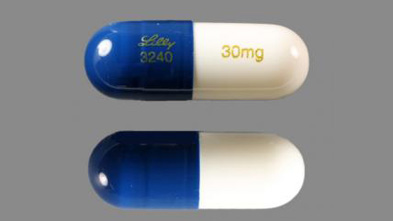
Cymbalta (Duloxetine): A Comprehensive Medical SEO Guide for Patients and Professionals
Cymbalta, known generically as duloxetine, is a widely prescribed medication that belongs to a class of drugs called serotonin-norepinephrine reuptake inhibitors (SNRIs). Originally approved for major depressive disorder and generalized anxiety disorder, its unique pharmacological profile has expanded its utility to several chronic pain conditions, making it a cornerstone in multimodal pain management strategies, particularly relevant in orthopedic and rheumatological contexts.
This exhaustive guide provides an authoritative overview of Cymbalta, delving into its mechanism of action, pharmacokinetics, detailed indications, dosage guidelines, critical contraindications, potential drug interactions, warnings for pregnancy and lactation, and essential overdose management strategies. Our aim is to equip both patients and healthcare providers with a thorough understanding of this important medication.
Understanding Cymbalta: Technical Specifications and Mechanisms
Mechanism of Action (MoA)
Duloxetine exerts its therapeutic effects primarily through the potent reuptake inhibition of both serotonin (5-HT) and norepinephrine (NE) in the central nervous system. This dual action distinguishes it from selective serotonin reuptake inhibitors (SSRIs), which primarily target serotonin.
- Serotonin Reuptake Inhibition: By blocking the reuptake of serotonin into presynaptic neurons, duloxetine increases the concentration of serotonin in the synaptic cleft. Serotonin is a key neurotransmitter involved in mood regulation, sleep, appetite, and pain perception.
- Norepinephrine Reuptake Inhibition: Similarly, duloxetine prevents the reabsorption of norepinephrine, leading to elevated levels of this neurotransmitter in the synapse. Norepinephrine plays a crucial role in alertness, arousal, stress response, and also in descending pain inhibitory pathways.
- Descending Pain Pathways: The modulation of both serotonin and norepinephrine is particularly significant for its analgesic properties. These neurotransmitters are integral to the descending pain inhibitory pathways that originate in the brain and project down to the spinal cord, helping to dampen pain signals before they reach the brain. This mechanism is thought to be central to its efficacy in neuropathic and chronic musculoskeletal pain conditions.
- Dopamine Reuptake: While duloxetine does have some affinity for dopamine reuptake inhibition, this effect is considerably weaker compared to its action on serotonin and norepinephrine.
Pharmacokinetics
The journey of duloxetine through the body is characterized by specific pharmacokinetic properties that influence its dosing and administration.
- Absorption:
- Cymbalta is administered orally as an enteric-coated capsule. The enteric coating is crucial as duloxetine is acid-labile and would be degraded in the acidic environment of the stomach.
- Peak plasma concentrations are typically achieved 6 hours after administration.
- Food does not significantly affect the peak concentration (Cmax) but can delay the time to peak concentration (Tmax).
- Distribution:
- Duloxetine is highly bound to plasma proteins (approximately 96%), primarily albumin and alpha-1 acid glycoprotein. This high protein binding is important when considering potential drug interactions with other highly protein-bound medications.
- It has a large apparent volume of distribution (approximately 1640 L), indicating extensive distribution into tissues.
- Metabolism:
- Duloxetine undergoes extensive hepatic metabolism primarily by two cytochrome P450 isoenzymes: CYP1A2 and CYP2D6.
- Metabolites are largely inactive.
- Patients who are poor metabolizers of CYP2D6 (due to genetic polymorphism) or those taking potent inhibitors of CYP1A2 or CYP2D6 may have significantly increased duloxetine exposure.
- Elimination:
- The elimination half-life of duloxetine is approximately 12 hours (ranging from 8 to 17 hours). This allows for once or twice-daily dosing.
- Excretion is predominantly renal (approximately 70% as metabolites) and fecal (approximately 20% as metabolites).
- Significant renal impairment (CrCl < 30 mL/min) or severe hepatic impairment can lead to markedly increased exposure to duloxetine and its metabolites, necessitating dose adjustments or contraindication.
Extensive Clinical Indications and Usage
Cymbalta's broad therapeutic applications stem from its dual action on serotonin and norepinephrine, making it effective for both psychiatric and chronic pain disorders.
Detailed Indications
- Major Depressive Disorder (MDD): Approved for the acute and maintenance treatment of MDD in adults. Its SNRI mechanism offers a distinct advantage for patients who may not respond adequately to SSRIs.
- Generalized Anxiety Disorder (GAD): Indicated for the acute and maintenance treatment of GAD in adults and pediatric patients aged 7 to 17 years. It helps alleviate persistent and excessive worry.
- Diabetic Peripheral Neuropathic Pain (DPNP): A significant indication for Cymbalta, particularly relevant in chronic pain management. It effectively reduces the burning, shooting, or tingling pain associated with diabetic neuropathy.
- Chronic Musculoskeletal Pain: This is a key area where Cymbalta offers significant benefit, especially from an orthopedic perspective.
- Chronic Low Back Pain: Reduces chronic low back pain, a common and debilitating condition.
- Chronic Pain due to Osteoarthritis: Specifically indicated for chronic pain associated with osteoarthritis, a prevalent degenerative joint disease.
- Fibromyalgia: Approved for the management of fibromyalgia, a chronic disorder characterized by widespread pain, fatigue, and other symptoms. Cymbalta helps to reduce pain and improve overall function in these patients.
Dosage Guidelines
Dosage of Cymbalta must always be individualized based on the patient's condition, response, and tolerability, starting with a low dose and gradually titrating upwards. Always consult a healthcare professional for specific dosing instructions.
| Indication | Starting Dose | Target/Maintenance Dose | Maximum Daily Dose |
|---|---|---|---|
| Major Depressive Disorder (MDD) | 20 mg once daily or 30 mg once daily | 40-60 mg/day (can be given as 20 mg BID or 30 mg BID) | 120 mg/day |
| Generalized Anxiety Disorder (GAD) | 20 mg once daily or 30 mg once daily | 60 mg once daily | 120 mg/day |
| Diabetic Peripheral Neuropathic Pain | 60 mg once daily | 60 mg once daily | 120 mg/day |
| Chronic Musculoskeletal Pain | 30 mg once daily for 1-2 weeks | 60 mg once daily | 60 mg/day |
| Fibromyalgia | 30 mg once daily for 1 week | 60 mg once daily | 60 mg/day |
Important Considerations:
- Administration: Cymbalta capsules should be swallowed whole and should not be chewed, crushed, or opened. The enteric coating protects the medication from stomach acid.
- Renal Impairment: Not recommended for patients with end-stage renal disease or severe renal impairment (CrCl < 30 mL/min).
- Hepatic Impairment: Not recommended for patients with chronic liver disease or cirrhosis.
- Discontinuation: Abrupt discontinuation can lead to withdrawal symptoms (dizziness, nausea, headache, paresthesia). Tapering the dose slowly over at least 2 weeks, and potentially longer, is highly recommended.
Risks, Side Effects, and Contraindications
Like all medications, Cymbalta carries potential risks, side effects, and specific contraindications that must be carefully considered.
Common Side Effects
Many side effects are mild and transient, often diminishing with continued use.
- Gastrointestinal: Nausea (very common, especially initially), dry mouth, constipation, diarrhea, abdominal pain.
- Neurological: Dizziness, headache, insomnia, somnolence, fatigue.
- Psychiatric: Increased sweating, anxiety.
- Cardiovascular: Palpitations (less common).
- Sexual Dysfunction: Decreased libido, erectile dysfunction, delayed ejaculation.
Serious Side Effects and Warnings
Patients and prescribers must be vigilant for more serious adverse events.
- Suicidal Thoughts and Behaviors (Black Box Warning): Antidepressants, including Cymbalta, increase the risk of suicidal thoughts and behavior in children, adolescents, and young adults (ages 18-24) with major depressive disorder and other psychiatric disorders. Close monitoring is essential, especially during initial treatment and dose changes.
- Serotonin Syndrome: A potentially life-threatening condition resulting from excessive serotonin activity. Symptoms include agitation, hallucinations, rapid heart rate, fever, sweating, muscle rigidity, tremor, incoordination, nausea, vomiting, and diarrhea. Risk increases with concomitant use of other serotonergic drugs.
- Hepatotoxicity: Cases of liver injury, including hepatic failure, have been reported. Patients with pre-existing liver disease or heavy alcohol use are at increased risk. Liver enzymes should be monitored.
- Orthostatic Hypotension and Syncope: Particularly at treatment initiation or dose increase, especially in elderly patients or those taking antihypertensive medications.
- Urinary Retention: Reported, especially in men with pre-existing prostatic hypertrophy.
- Severe Skin Reactions: Rare but serious dermatological reactions, including Stevens-Johnson Syndrome, have occurred. Discontinue at the first sign of rash.
- Hyponatremia: Low blood sodium levels, particularly in elderly patients, those taking diuretics, or who are volume-depleted.
- Angle-Closure Glaucoma: Can cause mydriasis (pupil dilation), potentially triggering an acute angle-closure glaucoma attack in susceptible individuals.
- Blood Pressure Increase: Can cause sustained increases in blood pressure. Blood pressure should be monitored regularly.
- Withdrawal Symptoms: Abrupt discontinuation can lead to symptoms such as dizziness, headache, nausea, diarrhea, paresthesia (electric shock-like sensations), vomiting, irritability, and anxiety. Gradual tapering is essential.
Contraindications
Cymbalta is contraindicated in the following situations:
- Hypersensitivity: Known hypersensitivity to duloxetine or any inactive ingredient.
- Monoamine Oxidase Inhibitors (MAOIs): Concomitant use with MAOIs or within 14 days of discontinuing an MAOI is absolutely contraindicated due to the risk of serotonin syndrome. Allow at least 5 days after stopping Cymbalta before starting an MAOI.
- Uncontrolled Narrow-Angle Glaucoma: Due to the risk of mydriasis and acute angle-closure attack.
- Severe Hepatic Impairment: Due to increased duloxetine exposure.
- Severe Renal Impairment (CrCl < 30 mL/min): Due to increased duloxetine and metabolite exposure.
- Concomitant use with potent CYP1A2 inhibitors: Such as fluvoxamine, ciprofloxacin, or enoxacin, due to significantly increased duloxetine exposure.
Drug Interactions
Due to its metabolism and pharmacological effects, Cymbalta can interact with numerous other medications.
- Monoamine Oxidase Inhibitors (MAOIs): (See Contraindications) – Severe, potentially fatal serotonin syndrome.
- Other Serotonergic Drugs:
- SSRIs, other SNRIs, Triptans, Tricyclic Antidepressants (TCAs), Fentanyl, Tramadol, Tryptophan, Buspirone, Amphetamines, St. John's Wort: Increased risk of serotonin syndrome. Close monitoring is required; dose reduction of one or both agents may be necessary.
- Drugs Metabolized by CYP1A2 (e.g., Theophylline, Tizanidine): Duloxetine is a moderate inhibitor of CYP1A2. Concomitant use can increase plasma concentrations of drugs primarily metabolized by CYP1A2. Tizanidine is contraindicated due to increased hypotensive and sedative effects.
- Drugs Metabolized by CYP2D6 (e.g., TCAs like desipramine, nortriptyline; Phenothiazines like thioridazine; Antiarrhythmics like flecainide, propafenone): Duloxetine is a moderate inhibitor of CYP2D6. Concomitant use can increase plasma concentrations of these drugs. Dose reduction of the co-administered drug may be necessary.
- CYP1A2 Inhibitors (e.g., Fluvoxamine, Ciprofloxacin, Enoxacin): These potent inhibitors can significantly increase duloxetine exposure, leading to increased side effects. Concomitant use with potent CYP1A2 inhibitors is contraindicated.
- CYP2D6 Inhibitors (e.g., Paroxetine, Fluoxetine, Quinidine): These inhibitors can increase duloxetine exposure.
- Anticoagulants and Antiplatelet Agents (e.g., Warfarin, Aspirin, NSAIDs): SNRIs, including duloxetine, may increase the risk of bleeding. Caution is advised, and INR should be closely monitored in patients on warfarin.
- Alcohol: Concomitant use with alcohol can increase the risk of liver injury. It is generally advised to avoid or limit alcohol consumption.
- Centrally Acting Agents: Caution with other CNS depressants due to additive effects (e.g., benzodiazepines, opioids).
Pregnancy and Lactation Warnings
Pregnancy
- Pregnancy Category C (older classification): Animal studies have shown adverse effects on fetal development. There are no adequate and well-controlled studies in pregnant women.
- Risk vs. Benefit: Cymbalta should be used during pregnancy only if the potential benefit justifies the potential risk to the fetus.
- Neonatal Complications: Exposure to SNRIs/SSRIs late in the third trimester may result in complications for the neonate requiring prolonged hospitalization, respiratory support, and tube feeding. These complications can include respiratory distress, cyanosis, apnea, seizures, temperature instability, feeding difficulty, vomiting, hypoglycemia, hypotonia, hypertonia, hyperreflexia, tremor, jitteriness, irritability, and constant crying.
- Persistent Pulmonary Hypertension of the Newborn (PPHN): Some epidemiological studies suggest an association between antidepressant use in late pregnancy and PPHN, a serious and potentially fatal condition.
Lactation (Breastfeeding)
- Excretion into Breast Milk: Duloxetine is excreted into human breast milk.
- Potential for Adverse Effects: The effects of duloxetine exposure on a breastfed infant are unknown.
- Monitoring: Caution should be exercised when Cymbalta is administered to a nursing woman. Infants should be monitored for adverse effects such as sedation, poor feeding, and poor weight gain. The decision to breastfeed while taking duloxetine should weigh the benefits of breastfeeding against the potential risks to the infant and the mother's need for the medication.
Overdose Management
In the event of an overdose, immediate medical attention is crucial.
Symptoms of Overdose
Overdose symptoms can vary but may include:
- Somnolence (drowsiness)
- Coma
- Serotonin syndrome (agitation, hyperthermia, muscle rigidity, myoclonus)
- Seizures
- Vomiting
- Tachycardia (rapid heart rate)
- Orthostatic hypotension
- Syncope
Overdose Treatment
There is no specific antidote for duloxetine overdose. Management should be supportive and symptomatic.
- Airway and Respiration: Establish and maintain a clear airway, ensure adequate ventilation and oxygenation.
- Cardiac Monitoring: Monitor cardiac rhythm and vital signs.
- Gastrointestinal Decontamination: Activated charcoal may be administered if ingested within 1-2 hours of presentation, or if a large amount was ingested, to reduce absorption. Gastric lavage may be considered in severe cases.
- Seizures: Treat seizures with benzodiazepines (e.g., lorazepam, diazepam).
- Serotonin Syndrome: If severe serotonin syndrome develops, treatment may include:
- Discontinuation of all serotonergic agents.
- Cooling measures for hyperthermia.
- Benzodiazepines for agitation and myoclonus.
- Cyproheptadine (a serotonin antagonist) in severe cases.
- Fluid Management: Intravenous fluids for hypotension.
- Dialysis: Due to the high protein binding of duloxetine, hemodialysis, peritoneal dialysis, and forced diuresis are unlikely to be effective in removing the drug from the body.
- Observation: Patients should be observed for a prolonged period due to the extended half-life of duloxetine and the potential for delayed onset of serious symptoms.
Frequently Asked Questions (FAQ) about Cymbalta
Q1: How long does Cymbalta take to start working for depression or pain?
A1: For depression and anxiety, some patients may notice initial improvements within 1-2 weeks, but full therapeutic effects often take 4-6 weeks. For chronic pain conditions like diabetic neuropathy or musculoskeletal pain, relief may begin within 1-2 weeks, but optimal pain reduction can take several weeks of consistent dosing. It's crucial to continue treatment as prescribed and discuss progress with your doctor.
Q2: Can Cymbalta be used specifically for nerve pain or orthopedic pain?
A2: Yes, absolutely. Cymbalta is specifically approved for diabetic peripheral neuropathic pain, fibromyalgia, and chronic musculoskeletal pain, including chronic low back pain and chronic pain due to osteoarthritis. Its dual action on serotonin and norepinephrine helps modulate pain signals in the central nervous system, making it an effective option for various types of chronic pain, often as part of a comprehensive orthopedic treatment plan.
Q3: What are the withdrawal symptoms if I stop taking Cymbalta abruptly?
A3: Abrupt discontinuation of Cymbalta can lead to withdrawal symptoms, often referred to as antidepressant discontinuation syndrome. These can include dizziness, nausea, headache, paresthesia (tingling or "electric shock" sensations), vomiting, irritability, anxiety, and insomnia. It is crucial to taper the dose slowly under medical supervision over several weeks to minimize these effects.
Q4: Is Cymbalta considered an addictive drug?
A4: Cymbalta is not considered addictive in the same way opioids or stimulants are, as it does not cause drug-seeking behavior or euphoria. However, due to the potential for significant withdrawal symptoms upon abrupt cessation, many people feel dependent on it to avoid these uncomfortable effects. This is why a gradual tapering schedule is always recommended.
Q5: Can I drink alcohol while taking Cymbalta?
A5: It is generally advised to avoid or significantly limit alcohol consumption while taking Cymbalta. Both alcohol and duloxetine are metabolized by the liver, and combining them can increase the risk of liver damage. Additionally, both can cause drowsiness and dizziness, and their combined effect can be additive, impairing coordination and judgment.
Q6: How should I stop taking Cymbalta safely?
A6: You should never stop taking Cymbalta suddenly without consulting your doctor. Your healthcare provider will guide you through a gradual tapering schedule, slowly reducing your dose over several weeks or even months. This process helps your body adjust and minimizes the severity of withdrawal symptoms.
Q7: What is the difference between Cymbalta and an SSRI (Selective Serotonin Reuptake Inhibitor)?
A7: The primary difference lies in their mechanism of action. SSRIs (e.g., sertraline, fluoxetine) primarily increase serotonin levels in the brain. Cymbalta, as an SNRI (Serotonin-Norepinephrine Reuptake Inhibitor), increases both serotonin and norepinephrine levels. This dual action gives Cymbalta a broader spectrum of activity, particularly in treating chronic pain conditions in addition to depression and anxiety.
Q8: Is Cymbalta safe for long-term use?
A8: Yes, Cymbalta is often prescribed for long-term use, especially for chronic conditions like major depressive disorder, generalized anxiety disorder, fibromyalgia, and chronic neuropathic or musculoskeletal pain. Regular follow-up with your doctor is essential to monitor for side effects, assess efficacy, and ensure continued safety, including monitoring blood pressure and liver function.
Q9: Does Cymbalta cause weight gain?
A9: Weight changes with Cymbalta can vary. Some patients may experience a small amount of weight loss initially, while others may experience a modest weight gain with long-term use. However, significant weight gain is less commonly associated with duloxetine compared to some other antidepressants. If you are concerned about weight changes, discuss them with your healthcare provider.
Q10: What should I do if I miss a dose of Cymbalta?
A10: If you miss a dose, take it as soon as you remember. However, if it's almost time for your next scheduled dose, skip the missed dose and continue with your regular dosing schedule. Do not take a double dose to make up for a missed one, as this can increase the risk of side effects. Always maintain a consistent dosing routine.
Q11: Can Cymbalta affect blood pressure?
A11: Yes, Cymbalta can cause an increase in blood pressure in some patients. It's important for your blood pressure to be monitored regularly, especially when starting treatment or increasing the dose. If you have pre-existing hypertension, your doctor will need to manage it carefully while you are on Cymbalta.
Q12: How does Cymbalta help with fibromyalgia?
A12: Cymbalta helps manage fibromyalgia by modulating the central nervous system's perception of pain. By increasing the levels of serotonin and norepinephrine, it enhances the descending pain inhibitory pathways, which helps to reduce the widespread pain, tenderness, and other symptoms associated with fibromyalgia. It is one of the few medications specifically approved for this condition.