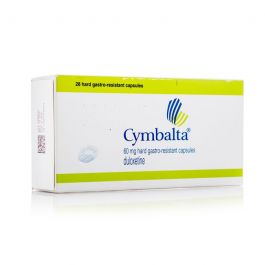
1. Comprehensive Introduction & Overview: Understanding Cymbalta (Duloxetine)
Cymbalta, known generically as duloxetine, is a prescription medication widely recognized for its dual action in managing both mental health conditions and chronic pain. As a Serotonin-Norepinephrine Reuptake Inhibitor (SNRI), it plays a crucial role in balancing neurotransmitters in the brain and spinal cord, which are vital for mood regulation and pain perception. This comprehensive guide aims to provide an exhaustive overview of Cymbalta, delving into its technical specifications, clinical applications, potential risks, and essential management considerations.
Developed to address a range of debilitating conditions, Cymbalta offers therapeutic benefits for individuals grappling with:
* Major Depressive Disorder (MDD)
* Generalized Anxiety Disorder (GAD)
* Diabetic Peripheral Neuropathic Pain (DPNP)
* Fibromyalgia (FM)
* Chronic Musculoskeletal Pain, including chronic low back pain and chronic pain due to osteoarthritis.
Understanding Cymbalta is paramount for both patients and healthcare providers to ensure safe, effective, and informed treatment decisions. This guide will serve as an authoritative resource, detailing its mechanism of action, pharmacokinetic profile, precise indications, dosing strategies, contraindications, potential drug interactions, warnings for special populations, and crucial overdose management protocols.
2. Deep-Dive into Technical Specifications & Mechanisms
What is Duloxetine?
Duloxetine hydrochloride is a selective serotonin and norepinephrine reuptake inhibitor (SNRI). It is chemically distinct from tricyclic, tetracyclic, or other antidepressant agents. Its chemical structure is (S)-(+)-N-methyl-3-(1-naphthalenyloxy)-3-(2-thienyl)propylamine hydrochloride.
Mechanism of Action (How Cymbalta Works)
Cymbalta's therapeutic efficacy stems from its ability to enhance the activity of two key neurotransmitters in the central nervous system: serotonin (5-HT) and norepinephrine (NE).
- Dual Reuptake Inhibition: Duloxetine selectively inhibits the reuptake of both serotonin and norepinephrine from the synaptic cleft, thereby increasing their concentrations in the synapse. This increased availability of neurotransmitters is thought to modulate mood, anxiety, and pain pathways.
- Impact on Pain Pathways: Beyond its antidepressant and anxiolytic effects, duloxetine's SNRI action is particularly relevant for its pain-relieving properties. By enhancing norepinephrine and serotonin activity in the descending inhibitory pain pathways originating from the brainstem, it helps to dampen pain signals transmitted from the periphery to the brain. This mechanism is crucial for its effectiveness in neuropathic and chronic musculoskeletal pain conditions.
- Specificity: Duloxetine has minimal affinity for dopaminergic, histaminic H1, alpha1-adrenergic, or muscarinic cholinergic receptors, which contributes to its relatively favorable side effect profile compared to older antidepressants with broader receptor activity.
Pharmacokinetics: How the Body Processes Cymbalta
Understanding how the body absorbs, distributes, metabolizes, and eliminates duloxetine is essential for optimizing dosing and predicting potential interactions or adverse effects.
| Pharmacokinetic Parameter | Description |
|---|---|
| Absorption | Well absorbed orally. Peak plasma concentrations (Tmax) occur 6-10 hours post-dose. Food delays Tmax and slightly decreases Cmax, but the overall extent of absorption (AUC) is not significantly affected. Enteric coating prevents degradation in stomach acid. |
| Distribution | Highly bound to plasma proteins (>90%), primarily albumin and alpha1-acid glycoprotein. Volume of distribution is approximately 1640 L, indicating extensive tissue distribution. |
| Metabolism | Extensively metabolized in the liver by cytochrome P450 (CYP) enzymes, primarily CYP1A2 and, to a lesser extent, CYP2D6. Multiple metabolites are formed, but none are known to be pharmacologically active to a significant extent. |
| Elimination | The mean elimination half-life is approximately 12 hours (range: 8-17 hours). Excretion is primarily via urine (approximately 70%) as metabolites, with a smaller portion (approximately 20%) excreted in feces. |
| Special Populations | Renal Impairment: Significant increase in AUC and Cmax in severe renal impairment (CrCl <30 mL/min), necessitating contraindication. Hepatic Impairment: Markedly increased AUC and half-life, contraindicating use in chronic liver disease. Elderly: Slightly increased Cmax and AUC, but no routine dose adjustment is typically required unless other risk factors are present. |
3. Extensive Clinical Indications & Usage
Cymbalta is approved for a diverse range of conditions, highlighting its broad therapeutic utility.
Approved Indications for Cymbalta (Duloxetine)
- Major Depressive Disorder (MDD): For the acute and maintenance treatment of MDD. It helps to alleviate symptoms such as persistent sadness, loss of interest, changes in appetite or sleep, and feelings of worthlessness.
- Generalized Anxiety Disorder (GAD): For the acute and maintenance treatment of GAD. It helps manage excessive worry, tension, and other physical symptoms associated with chronic anxiety.
- Diabetic Peripheral Neuropathic Pain (DPNP): For the management of neuropathic pain associated with diabetic peripheral neuropathy. This includes burning, shooting, or tingling pain in the extremities.
- Fibromyalgia (FM): For the management of fibromyalgia. Duloxetine helps reduce widespread chronic pain, fatigue, and other symptoms characteristic of FM.
- Chronic Musculoskeletal Pain:
- Chronic Low Back Pain: For the management of chronic low back pain.
- Chronic Pain due to Osteoarthritis: For the management of chronic pain due to osteoarthritis.
Dosage Guidelines
Dosage must be individualized based on the patient's condition, response, and tolerability. It is crucial to start with a low dose and gradually increase it to the target therapeutic dose.
General Principles:
- Administer Cymbalta orally, with or without food.
- Swallow capsules whole; do not chew, crush, or open them, as this can affect the enteric coating and lead to premature release of the drug, potentially causing irritation or reduced efficacy.
- Discontinuation should always involve a gradual tapering to minimize withdrawal symptoms.
Specific Dosage Recommendations:
| Indication | Initial Dose | Target/Maintenance Dose | Maximum Dose per Day |
|---|---|---|---|
| Major Depressive Disorder (MDD) | 40 mg/day (20 mg twice daily) or 60 mg once daily | 60 mg/day (once daily or 30 mg twice daily) | 120 mg |
| Generalized Anxiety Disorder (GAD) | 30 mg once daily | 60 mg once daily; some may benefit from up to 120 mg/day | 120 mg |
| Diabetic Peripheral Neuropathic Pain | 60 mg once daily | 60 mg once daily | 60 mg |
| Fibromyalgia (FM) | 30 mg once daily for 1 week | 60 mg once daily | 60 mg |
| Chronic Musculoskeletal Pain | 30 mg once daily for 1 week | 60 mg once daily | 60 mg |
Special Populations:
- Renal Impairment: Contraindicated in patients with severe renal impairment (CrCl <30 mL/min) or end-stage renal disease (ESRD).
- Hepatic Impairment: Contraindicated in patients with chronic liver disease or cirrhosis due to significantly impaired metabolism.
- Elderly Patients: Dosage adjustments are generally not required, but caution is advised, and monitoring for adverse effects is recommended.
Discontinuation of Treatment:
Abrupt discontinuation of Cymbalta, particularly after prolonged use, can lead to withdrawal symptoms (e.g., dizziness, headache, nausea, paresthesia, vomiting, irritability, anxiety, insomnia). A gradual dose reduction over at least 2 weeks is recommended, though the optimal tapering schedule may vary depending on the individual and duration of treatment.
4. Risks, Side Effects, and Contraindications
While Cymbalta offers significant therapeutic benefits, it is associated with a range of potential side effects and critical contraindications that must be carefully considered.
Common Side Effects (Occurring in ≥5% of patients)
- Gastrointestinal: Nausea, dry mouth, constipation, diarrhea, abdominal pain, vomiting.
- Nervous System: Dizziness, headache, insomnia, somnolence, fatigue.
- Other: Increased sweating, blurred vision, sexual dysfunction (e.g., decreased libido, delayed ejaculation), loss of appetite.
Serious Side Effects & Warnings
- Suicidality: Antidepressants, including duloxetine, increase the risk of suicidal thoughts and behavior in children, adolescents, and young adults (ages 18-24) with MDD and other psychiatric disorders. Close monitoring is essential, especially during initial treatment and dose changes.
- Hepatotoxicity: Cases of liver failure, sometimes fatal, have been reported. Patients with chronic liver disease or substantial alcohol intake are at increased risk. Liver enzyme monitoring may be considered.
- Serotonin Syndrome: A potentially life-threatening condition resulting from excessive serotonergic activity. Symptoms include mental status changes (e.g., agitation, hallucinations), autonomic instability (e.g., tachycardia, labile blood pressure), neuromuscular abnormalities (e.g., tremor, hyperreflexia), and gastrointestinal symptoms (e.g., nausea, diarrhea). Risk increases with concomitant use of other serotonergic drugs.
- Mania/Hypomania: Activation of mania/hypomania has been reported in a small proportion of patients with mood disorders treated with other marketed antidepressants.
- Orthostatic Hypotension and Falls: Patients, particularly the elderly, may experience orthostatic hypotension and associated falls.
- Urinary Retention: Duloxetine can cause urinary hesitation and retention. Use with caution in patients with a history of urinary obstruction.
- Hypertension: Blood pressure should be measured prior to initiating treatment and monitored periodically throughout treatment.
- Angle-Closure Glaucoma: The pupil-dilating effect of duloxetine may trigger an angle-closure attack in patients with anatomically narrow angles who do not have a patent iridectomy.
- Severe Skin Reactions: Rare but serious dermatological reactions, including Stevens-Johnson Syndrome, have been reported. Discontinue Cymbalta at the first appearance of rash, skin lesions, or mucosal involvement.
- Discontinuation Syndrome: Abrupt cessation can lead to symptoms such as dizziness, headache, nausea, paresthesia, vomiting, irritability, and anxiety.
Contraindications
Cymbalta is contraindicated in specific situations to prevent severe adverse outcomes:
- Hypersensitivity: Known hypersensitivity to duloxetine or any inactive ingredients in the formulation.
- Monoamine Oxidase Inhibitors (MAOIs): Concomitant use or use within 14 days of discontinuing an MAOI is contraindicated due to the risk of serotonin syndrome. Similarly, duloxetine should not be used within 5 days of discontinuing Cymbalta before initiating an MAOI.
- Uncontrolled Narrow-Angle Glaucoma: Risk of angle-closure attack.
- Severe Renal Impairment: Patients with creatinine clearance <30 mL/min or end-stage renal disease (ESRD).
- Hepatic Impairment: Patients with chronic liver disease or cirrhosis.
- Potent CYP1A2 Inhibitors: Concomitant use with potent CYP1A2 inhibitors (e.g., fluvoxamine, ciprofloxacin, enoxacin) is contraindicated as it can significantly increase duloxetine plasma concentrations.
Drug Interactions
Duloxetine can interact with numerous medications, potentially altering its efficacy or increasing the risk of adverse effects.
| Category of Interaction | Interacting Drugs | Clinical Implications