Coxibs: A Comprehensive Medical SEO Guide to Selective COX-2 Inhibitors
Welcome to this in-depth medical SEO guide on Coxibs, a crucial class of medications known as selective cyclooxygenase-2 (COX-2) inhibitors. As expert Medical SEO Copywriters and Orthopedic Specialists, we aim to provide an exhaustive, authoritative resource for healthcare professionals, patients, and anyone seeking a profound understanding of these powerful anti-inflammatory and analgesic agents. This guide will delve into their unique mechanism, clinical applications, safety profiles, and essential considerations for optimal use.
1. Introduction & Overview of Coxibs
Coxibs represent a specialized subgroup within the broader category of Non-Steroidal Anti-Inflammatory Drugs (NSAIDs). Their primary distinction lies in their selective inhibition of the cyclooxygenase-2 (COX-2) enzyme, setting them apart from traditional, non-selective NSAIDs that inhibit both COX-1 and COX-2 enzymes. This selectivity was developed with the aim of reducing the gastrointestinal (GI) side effects commonly associated with conventional NSAIDs, while still providing potent anti-inflammatory and pain-relieving effects.
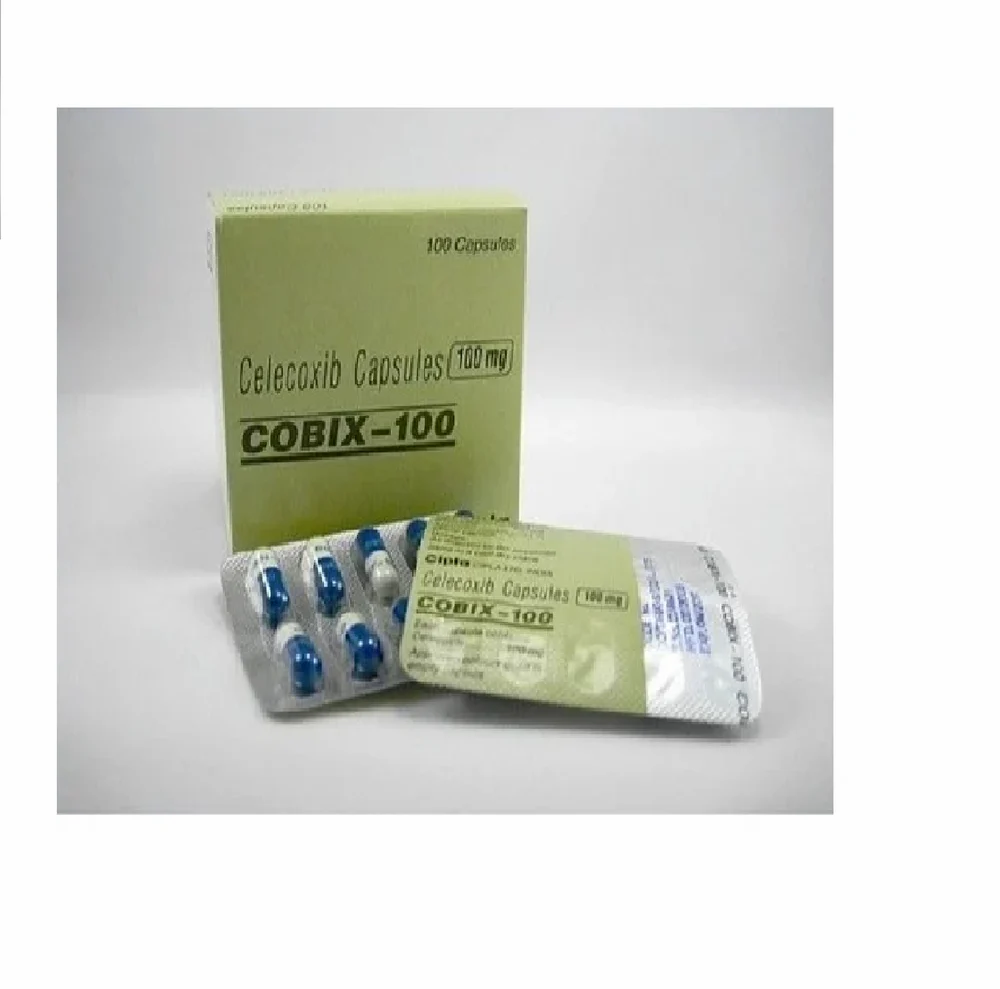
The development of Coxibs was a significant advancement in pain management, offering a therapeutic option for patients requiring long-term NSAID therapy, particularly those at higher risk for GI complications. Common examples of Coxibs include celecoxib (e.g., Celebrex) and etoricoxib (e.g., Arcoxia). While some Coxibs, such as rofecoxib (e.g., Vioxx), were withdrawn from the market due to cardiovascular safety concerns, the remaining agents continue to play a vital role in managing various inflammatory and painful conditions, particularly in orthopedics and rheumatology.
2. Deep-Dive into Technical Specifications & Mechanisms
2.1. Mechanism of Action: Selective COX-2 Inhibition
To understand how Coxibs work, it's essential to first grasp the role of cyclooxygenase (COX) enzymes in the body. COX enzymes are responsible for the conversion of arachidonic acid into prostaglandins, prostacyclins, and thromboxanes – lipid mediators that play diverse roles in physiological processes and pathological conditions. There are two primary isoforms:
- COX-1 (Constitutive Cyclooxygenase): This enzyme is constitutively expressed in most tissues and is involved in "housekeeping" functions. It produces prostaglandins that protect the gastric mucosa, maintain renal blood flow, and facilitate platelet aggregation (via thromboxane A2).
- COX-2 (Inducible Cyclooxygenase): While also constitutively expressed in some tissues (e.g., kidney, brain, bone), COX-2 is primarily induced at sites of inflammation by cytokines and growth factors. It produces prostaglandins that mediate pain, inflammation, and fever.
How Coxibs Work:
Coxibs are designed to selectively inhibit the COX-2 enzyme, thereby reducing the production of inflammatory prostaglandins without significantly impacting COX-1 activity. This selective inhibition is intended to:
- Reduce Inflammation: By decreasing prostaglandin E2 (PGE2) production at inflammatory sites.
- Alleviate Pain: By blocking the sensitizing effects of prostaglandins on nociceptors (pain receptors).
- Lower Fever: By reducing prostaglandin production in the hypothalamus.
Comparison of COX-1 and COX-2 Functions:
| Feature | COX-1 | COX-2 |
|---|---|---|
| Expression | Constitutive (always present) | Inducible (upregulated by inflammation), some constitutive roles |
| Primary Role | "Housekeeping" functions | Inflammation, pain, fever |
| Key Products | Gastric protection, platelet aggregation | Inflammatory prostaglandins (PGE2), prostacyclin (PGI2) in vessels |
| Inhibition by | Non-selective NSAIDs (e.g., ibuprofen) | Coxibs (e.g., celecoxib), Non-selective NSAIDs |
| Clinical Impact | Gastric ulcers, bleeding, renal dysfunction | Anti-inflammatory, analgesic, antipyretic, potential CV effects |
2.2. Pharmacokinetics
The pharmacokinetic profile of Coxibs dictates their absorption, distribution, metabolism, and excretion (ADME) within the body. While specific parameters vary slightly between individual Coxibs, general characteristics apply.
- Absorption: Coxibs are generally well-absorbed orally, with peak plasma concentrations (Tmax) typically reached within 2-4 hours after administration. Food can sometimes delay absorption but usually does not significantly affect the total bioavailability.
- Distribution: They are highly protein-bound (typically >90%), primarily to albumin. This high protein binding means that only the unbound fraction is pharmacologically active and available to exert its effects.
- Metabolism: Coxibs are primarily metabolized in the liver, predominantly by the cytochrome P450 (CYP450) enzyme system. For instance, celecoxib is extensively metabolized by CYP2C9, while etoricoxib is metabolized by CYP3A4. This hepatic metabolism often results in inactive metabolites.
- Excretion: The metabolites are primarily excreted via the urine and feces. The elimination half-life varies among Coxibs (e.g., celecoxib ~11 hours, etoricoxib ~22 hours), influencing dosing frequency.
- Special Populations:
- Elderly: May have reduced metabolism and excretion, potentially leading to higher plasma concentrations and requiring dose adjustments.
- Hepatic Impairment: Patients with moderate to severe liver dysfunction may have significantly impaired metabolism, necessitating dose reduction or contraindicating use.
- Renal Impairment: While primarily hepatically metabolized, significant renal dysfunction can affect excretion of metabolites and fluid balance, requiring caution and dose adjustment.
3. Extensive Clinical Indications & Usage
Coxibs are indicated for a wide range of conditions characterized by pain and inflammation. Their selective COX-2 inhibition makes them a preferred choice for certain patient populations, especially those at increased risk of gastrointestinal complications from traditional NSAIDs.
3.1. Detailed Indications
- Osteoarthritis (OA): Management of the signs and symptoms of OA, including pain and stiffness, particularly in weight-bearing joints.
- Rheumatoid Arthritis (RA): Relief of signs and symptoms of RA, a chronic inflammatory autoimmune disease affecting joints.
- Ankylosing Spondylitis (AS): Treatment of signs and symptoms of AS, a chronic inflammatory disease primarily affecting the spine.
- Acute Pain: Short-term management of various types of acute pain, such as:
- Post-surgical pain (e.g., orthopedic surgery, dental procedures).
- Traumatic pain.
- Musculoskeletal pain (e.g., sprains, strains).
- Primary Dysmenorrhea: Relief of menstrual pain and cramping.
- Familial Adenomatous Polyposis (FAP): Celecoxib specifically is indicated as an adjunct to usual care to reduce the number of adenomatous colorectal polyps in patients with FAP. This indication is based on its potential role in inhibiting polyp growth, though it does not replace regular surveillance.
- Acute Gouty Arthritis: Etoricoxib is specifically indicated for the treatment of acute gouty arthritis.
3.2. Dosage Guidelines
Dosage regimens for Coxibs are highly dependent on the specific drug, the indication, and individual patient factors (age, renal/hepatic function, concomitant medications). It is crucial to always use the lowest effective dose for the shortest possible duration.
General Dosage Examples (Illustrative, consult prescribing information for specifics):
| Indication | Celecoxib (e.g., Celebrex) | Etoricoxib (e.g., Arcoxia) |
|---|---|---|
| Osteoarthritis | 200 mg once daily or 100 mg twice daily | 30 mg or 60 mg once daily |
| Rheumatoid Arthritis | 100 mg or 200 mg twice daily | 60 mg or 90 mg once daily |
| Ankylosing Spondylitis | 200 mg once daily or 100 mg twice daily | 60 mg or 90 mg once daily |
| Acute Pain | Initial 400 mg, then 200 mg if needed on day 1; 200 mg BID | 60 mg, 90 mg, or 120 mg once daily (short-term, max 8 days for 120 mg) |
| Primary Dysmenorrhea | Initial 400 mg, then 200 mg if needed on day 1; 200 mg BID | 120 mg once daily (short-term) |
| Acute Gouty Arthritis | Not a primary indication | 120 mg once daily (short-term, max 8 days) |
| FAP (Celecoxib only) | 400 mg twice daily | N/A |
Dosage Adjustments:
- Elderly: Initiate therapy at the lower end of the dosing range.
- Hepatic Impairment: Moderate hepatic impairment often requires a 50% dose reduction (e.g., max 200 mg/day for celecoxib). Severe hepatic impairment is generally a contraindication.
- Renal Impairment: Mild to moderate renal impairment usually does not require dose adjustment, but caution is advised. Severe renal impairment is generally a contraindication.
Administration: Coxibs can generally be taken with or without food. However, taking them with food may help reduce potential GI upset.
4. Risks, Side Effects, and Contraindications
While Coxibs offer significant benefits, particularly in terms of GI safety compared to non-selective NSAIDs, they are not without risks. A thorough understanding of their safety profile is paramount.
4.1. Contraindications
- Hypersensitivity: Known allergy to Coxibs, sulfonamides (for celecoxib), or any excipients.
- Aspirin/NSAID Sensitivity: History of asthma, urticaria, or other allergic-type reactions after taking aspirin or other NSAIDs.
- Active GI Bleeding/Ulceration: Patients with active peptic ulcer disease or gastrointestinal bleeding.
- Severe Heart Failure: New York Heart Association (NYHA) Class II-IV heart failure.
- Peri-operative Pain in CABG Surgery: Contraindicated for the treatment of peri-operative pain in the setting of coronary artery bypass graft (CABG) surgery due to increased risk of myocardial infarction and stroke.
- Severe Hepatic/Renal Impairment: Patients with severe liver disease or advanced kidney disease.
- Inflammatory Bowel Disease: Caution is advised, and some guidelines consider it a contraindication in active IBD.
- Third Trimester of Pregnancy: Due to the risk of premature closure of the fetal ductus arteriosus.
4.2. Warnings and Precautions
- Cardiovascular (CV) Thrombotic Events: Coxibs, like all NSAIDs, carry a black box warning regarding an increased risk of serious cardiovascular thrombotic events, including myocardial infarction (MI) and stroke, which can be fatal. This risk may increase with duration of use and in patients with pre-existing CV disease or risk factors.
- Gastrointestinal (GI) Events: While designed to be safer for the GI tract, Coxibs still carry a risk of serious GI adverse events, including bleeding, ulceration, and perforation of the stomach or intestines, which can be fatal. This risk is present even without warning symptoms.
- Renal Effects: NSAIDs, including Coxibs, can cause dose-dependent renal toxicity, including acute renal failure, interstitial nephritis, and nephrotic syndrome. They can also cause fluid retention, edema, and new onset or worsening of hypertension.
- Hepatic Effects: Elevations in liver enzymes can occur. Rare cases of severe liver reactions, including fulminant hepatitis, liver necrosis, and hepatic failure, some fatal, have been reported.
- Hypertension: Coxibs can lead to new onset hypertension or worsening of pre-existing hypertension, potentially increasing cardiovascular risk. Blood pressure should be monitored closely.
- Heart Failure: Fluid retention and edema have been observed, which can exacerbate heart failure. Use with caution in patients with heart failure or risk factors.
- Anaphylactoid Reactions: As with other NSAIDs, anaphylactoid reactions can occur in patients without prior exposure.
- Skin Reactions: Serious skin reactions, including exfoliative dermatitis, Stevens-Johnson syndrome (SJS), and toxic epidermal necrolysis (TEN), have been reported. Discontinue immediately at the first appearance of rash or any sign of hypersensitivity.
- Hematologic Effects: Can cause anemia due to occult or gross blood loss or an effect on erythropoiesis.
- Pre-existing Asthma: Patients with asthma may have aspirin-sensitive asthma, which can be exacerbated by NSAIDs.
4.3. Adverse Drug Reactions (Side Effects)
The most common side effects are generally mild to moderate and include:
- Gastrointestinal: Abdominal pain, diarrhea, dyspepsia, flatulence, nausea.
- Central Nervous System: Headache, dizziness.
- Cardiovascular: Peripheral edema, hypertension.
- Other: Upper respiratory tract infection, rash.
Less common but serious side effects include those listed under warnings and precautions (e.g., GI bleeding, MI, stroke, renal failure, severe skin reactions).
4.4. Drug Interactions
Coxibs can interact with various medications, potentially altering their efficacy or increasing the risk of adverse events.
- Anticoagulants (e.g., Warfarin): Increased risk of bleeding. Close monitoring of INR is essential.
- Antiplatelet Agents (e.g., Aspirin, Clopidogrel): Concomitant use with low-dose aspirin for CV prophylaxis should be carefully considered due to increased GI bleeding risk. Coxibs do not inhibit platelet aggregation directly, so they cannot substitute for aspirin in CV prevention.
- ACE Inhibitors / Angiotensin Receptor Blockers (ARBs): Reduced antihypertensive effect and increased risk of renal impairment, especially in elderly or volume-depleted patients.
- Diuretics (e.g., Furosemide, Thiazides): Reduced diuretic and antihypertensive effects.
- Lithium: Increased plasma lithium levels, leading to potential toxicity.
- Methotrexate: Increased methotrexate plasma levels and toxicity.
- Cyclosporine / Tacrolimus: Increased risk of nephrotoxicity.
- Fluconazole (CYP2C9 Inhibitor): Significantly increases celecoxib plasma concentrations, requiring a dose reduction of celecoxib.
- Dextromethorphan (CYP2D6 Substrate): Coxibs can inhibit CYP2D6, potentially increasing dextromethorphan levels.
- Oral Contraceptives: Potential for altered efficacy, though clinical significance is debated.
- Other NSAIDs: Concomitant use of a Coxib with a non-selective NSAID should be avoided due to increased risk of adverse events without additive benefit.
4.5. Pregnancy and Lactation Warnings
- Pregnancy:
- First and Second Trimester: Generally categorized as Pregnancy Category C. Should only be used if the potential benefit justifies the potential risk to the fetus.
- Third Trimester: Categorized as Pregnancy Category D. Contraindicated due to the risk of premature closure of the fetal ductus arteriosus, which can lead to pulmonary hypertension in the newborn. Can also inhibit uterine contractions and increase the risk of maternal and fetal bleeding.
- Lactation: Coxibs are excreted in breast milk in small amounts. The decision to continue or discontinue nursing or the drug should take into account the importance of the drug to the mother and the potential risks to the infant. Generally, use is not recommended unless deemed absolutely necessary by a healthcare provider.
4.6. Overdose Management
In the event of an overdose with a Coxib, symptoms can vary depending on the amount ingested and individual patient factors.
- Symptoms of Overdose: May include lethargy, drowsiness, nausea, vomiting, epigastric pain, and gastrointestinal bleeding. More serious effects can occur, such as hypertension, acute renal failure, respiratory depression, and coma.
- Management:
- Symptomatic and Supportive Care: There is no specific antidote for Coxib overdose. Treatment should be symptomatic and supportive.
- Gastric Decontamination: Consider gastric lavage or activated charcoal within the first hour of ingestion if a potentially toxic amount has been taken.
- Monitoring: Closely monitor vital signs, renal function, and liver function.
- Hemodialysis: Hemodialysis is unlikely to be beneficial due to the high protein binding of Coxibs.
5. Frequently Asked Questions (FAQ) about Coxibs
Q1: What is a Coxib and how is it different from a traditional NSAID?
A1: Coxibs are a class of NSAIDs known as selective COX-2 inhibitors. Traditional NSAIDs (like ibuprofen, naproxen) inhibit both COX-1 and COX-2 enzymes. Coxibs primarily target COX-2, which is responsible for inflammation and pain, while largely sparing COX-1, which protects the stomach lining and helps with blood clotting. This selectivity aims to reduce gastrointestinal side effects.
Q2: Are Coxibs safer for the stomach than traditional NSAIDs?
A2: Yes, Coxibs were developed to offer improved gastrointestinal safety compared to non-selective NSAIDs. They typically have a lower risk of causing stomach ulcers, bleeding, and perforation, especially in patients at high risk for these complications. However, the risk is not eliminated entirely.
Q3: Do Coxibs have cardiovascular risks?
A3: Yes, Coxibs, like all NSAIDs, carry a warning about an increased risk of serious cardiovascular thrombotic events, including heart attack and stroke. This risk may be higher with longer duration of use and in patients with pre-existing heart disease or risk factors. They are contraindicated after coronary artery bypass graft (CABG) surgery.
Q4: Can I take Coxibs if I have high blood pressure?
A4: You should use Coxibs with caution if you have high blood pressure. They can cause new onset hypertension or worsen existing hypertension. Your blood pressure should be monitored closely if you are taking a Coxib, and your doctor may need to adjust your blood pressure medication.
Q5: Is it safe to take Coxibs with aspirin?
A5: Concomitant use of Coxibs with low-dose aspirin for cardiovascular protection increases the risk of gastrointestinal bleeding. While Coxibs do not directly affect platelet aggregation like aspirin, the combination should be carefully evaluated by your doctor, weighing the benefits against the increased risks.
Q6: How long can I take a Coxib?
A6: Coxibs should generally be used at the lowest effective dose for the shortest possible duration to manage symptoms. Long-term use, especially at higher doses, can increase the risk of cardiovascular and gastrointestinal adverse events. Your doctor will determine the appropriate duration based on your condition and risk factors.
Q7: What should I do if I miss a dose?
A7: If you miss a dose, take it as soon as you remember. However, if it's almost time for your next scheduled dose, skip the missed dose and continue with your regular dosing schedule. Do not take a double dose to make up for a missed one.
Q8: Can Coxibs be used for children?
A8: The use of Coxibs in children varies by specific drug and indication. For example, celecoxib is approved for use in juvenile rheumatoid arthritis in children 2 years and older. Always consult a pediatrician or specialist for appropriate dosing and indications in pediatric patients.
Q9: What are the signs of a serious side effect I should watch out for?
A9: Seek immediate medical attention if you experience signs of serious side effects such as: severe stomach pain, black or tarry stools, vomit that looks like coffee grounds (signs of GI bleeding); chest pain, shortness of breath, sudden weakness on one side of the body, slurred speech (signs of heart attack or stroke); swelling of the face or throat, difficulty breathing, severe skin rash, blistering (signs of allergic reaction); yellowing of skin/eyes, dark urine, severe fatigue (signs of liver problems); or decreased urination, swelling in legs/feet (signs of kidney problems).
Q10: Are there any dietary restrictions while taking Coxibs?
A10: There are generally no specific dietary restrictions while taking Coxibs. However, taking them with food may help reduce potential stomach upset. It's always advisable to maintain a balanced diet and discuss any dietary concerns with your healthcare provider.
Q11: Can I drink alcohol while taking Coxibs?
A11: It is generally advisable to limit or avoid alcohol consumption while taking Coxibs. Alcohol can irritate the stomach lining, and combining it with Coxibs (or any NSAID) may increase the risk of gastrointestinal irritation, ulcers, and bleeding.
Q12: What if I have kidney or liver problems?
A12: If you have pre-existing kidney or liver problems, you must inform your doctor. Coxibs are primarily metabolized by the liver and excreted by the kidneys. Severe impairment in either organ can lead to accumulation of the drug and increased risk of side effects. Your doctor may need to adjust your dosage or contraindicate the use of Coxibs altogether.