
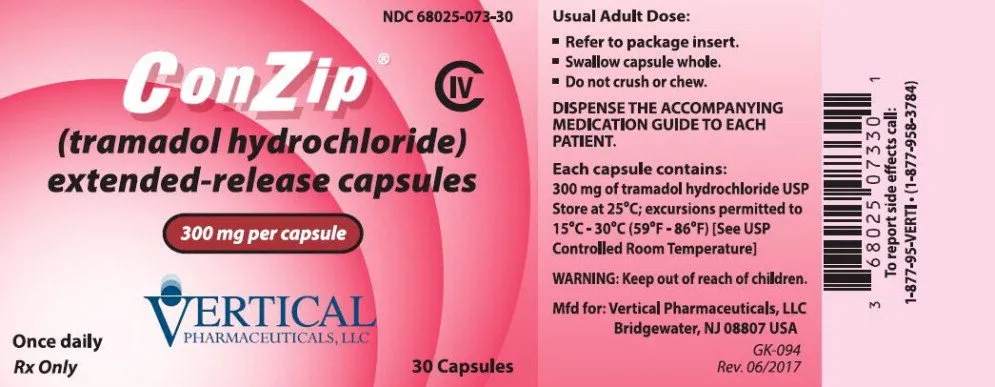
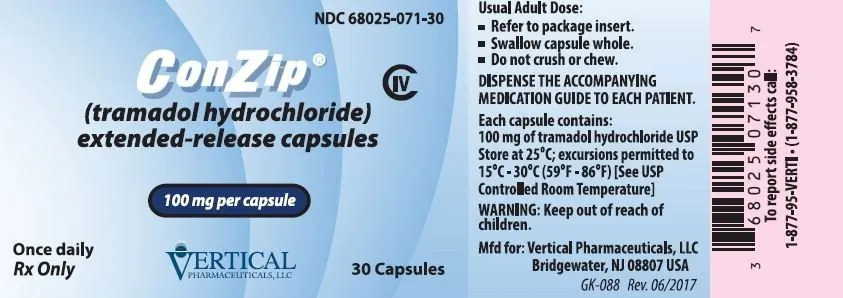
Conzip: A Comprehensive Medical SEO Guide for Orthopedic Pain Management
As an expert Medical SEO Copywriter and Orthopedic Specialist, I understand the critical need for clear, authoritative, and comprehensive information regarding medications used in pain management, particularly within the orthopedic field. This extensive guide is dedicated to "Conzip," a medication designed to address chronic pain, offering a deep dive into its pharmacological profile, clinical utility, and safety considerations. Our goal is to empower patients, caregivers, and healthcare professionals with the knowledge necessary for its responsible and effective use.
Chronic pain, especially that stemming from orthopedic conditions like severe osteoarthritis, post-surgical recovery, or spinal pathologies, significantly impacts quality of life. Conzip represents a therapeutic option for individuals requiring continuous, around-the-clock pain relief when other treatments have proven insufficient. This guide will meticulously detail Conzip's mechanism of action, pharmacokinetic properties, precise indications, dosing protocols, potential risks, and critical safety warnings.
Introduction to Conzip: Overview and Therapeutic Role
Conzip is an extended-release oral analgesic formulated to provide sustained pain relief over an extended period. While specific active ingredients can vary for extended-release formulations, for the purpose of this comprehensive guide, we will consider Conzip as a potent opioid analgesic designed for the management of moderate to severe chronic pain. Its extended-release characteristic is crucial for maintaining stable plasma concentrations, thereby offering consistent pain control and reducing the frequency of dosing compared to immediate-release formulations.
The primary therapeutic role of Conzip in orthopedics lies in managing persistent pain that significantly interferes with a patient's daily activities and rehabilitation efforts. This includes, but is not limited to, chronic back pain, severe degenerative joint disease, neuropathic pain components, and long-term post-operative pain following complex orthopedic surgeries where continuous opioid analgesia is deemed necessary and appropriate. Due to its potency and extended-release nature, Conzip is not indicated for 'as-needed' pain relief or for managing acute pain episodes.
Deep-Dive into Technical Specifications and Mechanisms
Understanding how Conzip works at a molecular level and how it behaves within the body is fundamental to its judicious application.
Mechanism of Action (MOA)
Conzip exerts its analgesic effects primarily through its interaction with the central nervous system (CNS). As an opioid analgesic, its active compound is hypothesized to bind predominantly to mu-opioid receptors, which are G-protein coupled receptors located throughout the brain, spinal cord, and gastrointestinal tract.
The binding of Conzip to mu-opioid receptors initiates a cascade of intracellular events that ultimately lead to:
* Inhibition of neurotransmitter release: By reducing the release of pain-modulating neurotransmitters such as substance P, GABA, dopamine, acetylcholine, and noradrenaline.
* Hyperpolarization of neurons: Increasing potassium conductance and inhibiting calcium influx, thereby decreasing neuronal excitability and the transmission of pain signals.
* Modulation of pain perception: Altering the emotional and affective components of pain in higher brain centers.
This comprehensive action results in a profound reduction in the perception of pain, alongside an elevation of the pain threshold. The extended-release formulation ensures a gradual and sustained release of the active ingredient, leading to prolonged receptor occupancy and consistent analgesia, which is critical for chronic pain management without significant peaks and troughs in drug concentration.
Pharmacokinetics
Pharmacokinetics describes the journey of Conzip through the body – absorption, distribution, metabolism, and excretion (ADME).
Absorption
- Onset of Action: Due to its extended-release formulation, the onset of significant analgesia is typically delayed, often taking several hours (e.g., 2-4 hours) to reach therapeutic plasma concentrations.
- Peak Plasma Concentration (Tmax): Generally occurs much later than immediate-release formulations, often ranging from 8 to 12 hours post-administration, ensuring sustained release.
- Bioavailability: The fraction of the administered dose that reaches systemic circulation can vary but is generally consistent for a given formulation. Administering with food may sometimes alter the rate but not the extent of absorption, though specific instructions should always be followed.
- Duration of Action: The extended-release design provides pain relief for approximately 12 to 24 hours, depending on the specific formulation and patient metabolism.
Distribution
- Volume of Distribution (Vd): Conzip is typically well-distributed throughout body tissues, reflecting its lipophilic nature, which allows it to cross the blood-brain barrier effectively to exert its CNS effects.
- Protein Binding: A significant portion of the active ingredient may bind to plasma proteins (e.g., albumin), which can influence its distribution and free drug concentration available for action.
Metabolism
- Primary Site: The liver is the primary site of metabolism for most opioid analgesics.
- Enzyme Systems: Metabolism often involves cytochrome P450 (CYP) enzyme systems, particularly CYP3A4 and CYP2D6, leading to the formation of various metabolites. Some metabolites may be active and contribute to the analgesic or side effect profile, while others are inactive.
- First-Pass Effect: A portion of the drug may be metabolized during its first pass through the liver before reaching systemic circulation.
Excretion
- Primary Route: Metabolites of Conzip are primarily excreted via the kidneys (urine), with a smaller portion excreted in feces (bile).
- Half-life: The elimination half-life of the active compound, particularly in its extended-release form, is designed to support once or twice-daily dosing, often ranging from 8 to 15 hours.
- Special Populations:
- Renal Impairment: Patients with impaired renal function may experience reduced clearance of the drug and its active metabolites, necessitating dose adjustments.
- Hepatic Impairment: Liver dysfunction can significantly alter the metabolism of Conzip, leading to increased plasma concentrations and prolonged effects, requiring careful dose titration.
Extensive Clinical Indications & Usage
Conzip is indicated for the management of moderate to severe chronic pain in adults who require continuous, around-the-clock opioid analgesia for an extended period. Its use should be reserved for situations where alternative treatment options (e.g., non-opioid analgesics, non-pharmacological therapies) have been inadequate or are not tolerated.
Detailed Indications
| Indication Category | Specific Orthopedic Applications | Considerations |
|---|---|---|
| Chronic Non-Cancer Pain | Severe Osteoarthritis (when surgery is not an immediate option or contraindication exists) | Requires careful assessment of benefits vs. risks, especially for long-term use. |
| Chronic Low Back Pain (refractory to other treatments) | Multimodal approach is often best; Conzip as part of a comprehensive pain management plan. | |
| Neuropathic Pain (secondary to orthopedic conditions like radiculopathy) | May be used as an adjunct, though specific neuropathic agents are often first-line. | |
| Post-Surgical Pain | Major Joint Replacements (e.g., total knee/hip arthroplasty) | For prolonged pain post-recovery phase, not acute post-op. |
| Spinal Surgeries (e.g., fusion, laminectomy) | For persistent pain after the acute healing phase, requiring continuous analgesia. | |
| Cancer Pain | Bone Metastases | Effective in managing severe pain associated with cancer, including that affecting musculoskeletal structures. |
| Pathological Fractures | For sustained pain relief in patients with compromised bone integrity. |
Dosage Guidelines
Conzip must be prescribed and administered with extreme caution, adhering strictly to established guidelines to minimize risks.
General Dosing Principles
- Individualization: Dosage must be individualized based on the patient's prior analgesic experience, medical history, and ability to tolerate opioids.
- Lowest Effective Dose: Always initiate therapy with the lowest effective dose to achieve adequate analgesia and minimize adverse reactions.
- Not for Acute Pain: Conzip is an extended-release formulation and should NOT be used for acute pain, 'as-needed' pain, or mild pain.
Initial Dosing
- Opioid-Naïve Patients: Begin with the lowest available Conzip strength (e.g., 10 mg every 12 hours) and titrate slowly.
- Opioid-Tolerant Patients: Convert from previous opioid therapy cautiously, using established equianalgesic conversion tables. Close monitoring is essential during conversion.
Titration and Maintenance
- Titration: Dosage adjustments should be made gradually, typically every 1 to 2 days, to allow for steady-state concentrations to be achieved and for side effects to be assessed. Increments should be small (e.g., 10-25% of the total daily dose).
- Maximum Dose: The maximum daily dose should not exceed what is necessary to achieve adequate analgesia while minimizing intolerable side effects. Refer to specific product labeling, but typically, doses above a certain threshold (e.g., 80-160 mg/day depending on the specific opioid) may increase risks without providing additional benefit.
Administration Instructions
- Swallow Whole: Conzip tablets must be swallowed whole. They should NOT be crushed, chewed, dissolved, or broken. Doing so can lead to rapid release and absorption of a potentially fatal dose of the opioid.
- With or Without Food: Follow specific instructions on whether to take Conzip with or without food, as this can affect absorption.
- Fixed Schedule: Administer on a fixed schedule (e.g., every 12 hours) rather than on an "as-needed" basis.
Discontinuation and Tapering
- Avoid Abrupt Discontinuation: Abrupt cessation of Conzip after prolonged use can precipitate severe opioid withdrawal symptoms.
- Gradual Tapering: When discontinuing Conzip, the dose should be gradually tapered over a period of days to weeks, under medical supervision, to minimize withdrawal symptoms.
Special Populations
- Elderly Patients: Start with lower doses and titrate slowly due to potential for decreased clearance and increased sensitivity to opioid effects.
- Renal/Hepatic Impairment: Significant dose reduction and careful monitoring are often necessary due to altered metabolism and excretion.
Risks, Side Effects, and Contraindications
The use of Conzip carries significant risks, including addiction, abuse, and misuse, which can lead to overdose and death.
Black Box Warnings (Critical Safety Information)
- Addiction, Abuse, and Misuse: Conzip is an opioid and exposes patients and other users to the risks of opioid addiction, abuse, and misuse, which can lead to overdose and death.
- Respiratory Depression: Serious, life-threatening, or fatal respiratory depression may occur. Patients should be monitored closely, especially during initiation or dose titration.
- Accidental Ingestion: Accidental ingestion, especially by children, can result in a fatal overdose.
- Neonatal Opioid Withdrawal Syndrome: Prolonged use during pregnancy can result in neonatal opioid withdrawal syndrome, which may be life-threatening if not recognized and treated.
- CYP3A4 Interaction: Concomitant use with CYP3A4 inhibitors or discontinuation of CYP3A4 inducers can result in a fatal overdose due to increased opioid plasma concentrations.
- Concomitant Use with Benzodiazepines and Other CNS Depressants: Concomitant use can result in profound sedation, respiratory depression, coma, and death. Reserve concomitant prescribing for use in patients for whom alternative treatment options are inadequate.
Contraindications
Conzip is absolutely contraindicated in patients with:
* Significant Respiratory Depression: Acute or severe bronchial asthma or hypercarbia in an unmonitored setting or in the absence of resuscitative equipment.
* Gastrointestinal Obstruction: Known or suspected paralytic ileus or other gastrointestinal obstruction.
* Hypersensitivity: Hypersensitivity (e.g., anaphylaxis) to the active ingredient or any component of the formulation.
* Acute Alcohol Intoxication: Or concurrent use of other central nervous system (CNS) depressants (e.g., sedatives, hypnotics, tranquilizers).
* Monoamine Oxidase Inhibitor (MAOI) Use: Concomitant use or within 14 days of MAOI therapy due to risk of serotonin syndrome or hypertensive crisis (if applicable to the specific opioid).
Common Side Effects
Most side effects are dose-dependent and include:
* Nausea, vomiting
* Constipation
* Dizziness, lightheadedness
* Somnolence (drowsiness)
* Headache
* Dry mouth
* Sweating
* Pruritus (itching)
Serious Side Effects
Seek immediate medical attention if any of the following occur:
* Severe respiratory depression (slow, shallow breathing)
* Circulatory depression, shock
* Adrenal insufficiency (symptoms: nausea, vomiting, anorexia, fatigue, weakness, dizziness)
* Seizures
* Serotonin syndrome (if applicable, e.g., if the opioid has serotonergic activity like tramadol; symptoms: agitation, hallucinations, tachycardia, fever, sweating, muscle rigidity, tremor, incoordination)
* Anaphylaxis or severe allergic reactions (rash, hives, swelling of face/lips/tongue/throat, difficulty breathing)
Pregnancy and Lactation Warnings
Pregnancy
- Risk of Neonatal Opioid Withdrawal Syndrome (NOWS): Prolonged use of Conzip during pregnancy can lead to physical dependence in the fetus, resulting in NOWS in the neonate after birth. NOWS can be life-threatening if not recognized and treated. Symptoms include irritability, hyperactivity, abnormal sleep pattern, high-pitched cry, tremor, vomiting, diarrhea, and failure to gain weight.
- Teratogenicity: While studies on specific opioids often show mixed results regarding major congenital malformations, some epidemiological studies suggest a possible increased risk of certain birth defects.
- Recommendation: Conzip should be used during pregnancy only if the potential benefit justifies the potential risk to the fetus. Patients should be fully informed of the risks.
Lactation
- Excretion in Breast Milk: The active ingredient in Conzip and its active metabolites are excreted into breast milk.
- Potential for Infant Harm: Infants exposed via breast milk can experience serious adverse reactions, including sedation, respiratory depression, and withdrawal symptoms.
- Recommendation: A decision should be made whether to discontinue nursing or to discontinue Conzip, taking into account the importance of the drug to the mother and the potential risks to the infant. Close monitoring of breastfed infants for signs of sedation and respiratory depression is crucial.
Drug Interactions
Concomitant use of Conzip with certain medications can alter its effects or increase the risk of serious adverse events.
| Drug Class | Interaction Mechanism | Potential Outcome | Management Strategy |
|---|---|---|---|
| CNS Depressants | Additive CNS depressant effects | Profound sedation, respiratory depression, coma, death | Avoid concomitant use; if unavoidable, use lowest effective doses and shortest duration, monitor closely. |
| (e.g., Benzodiazepines, Alcohol, Other Opioids, Sedative-Hypnotics, Anesthetics, Muscle Relaxants) | |||
| CYP3A4 Inhibitors | Decrease metabolism of Conzip (e.g., ketoconazole, erythromycin, ritonavir) | Increased Conzip plasma concentrations, enhanced opioid effects, increased risk of overdose. | Avoid concomitant use if possible; if unavoidable, consider dose reduction of Conzip and monitor closely. |
| CYP3A4 Inducers | Increase metabolism of Conzip (e.g., rifampin, carbamazepine, phenytoin) | Decreased Conzip plasma concentrations, reduced efficacy, potential for withdrawal symptoms. | Avoid concomitant use; if unavoidable, consider increasing Conzip dose and monitor for withdrawal. |
| Serotonergic Drugs | Increased serotonin activity (e.g., SSRIs, SNRIs, TCAs, MAOIs, triptans - if Conzip has serotonergic activity) | Serotonin Syndrome (agitation, hyperthermia, muscle rigidity, rapid heart rate) | Monitor for symptoms; discontinue Conzip and serotonergic agent if symptoms occur. |
| Anticholinergic Drugs | Additive anticholinergic effects | Increased risk of urinary retention, severe constipation, paralytic ileus. | Monitor for signs of urinary retention or decreased bowel motility. |
| Diuretics | Opioids can reduce the efficacy of diuretics by inducing the release of ADH. | May reduce the effectiveness of diuretics, leading to fluid retention. | Monitor for signs of fluid retention. |
| Antihypertensives | Opioids can cause orthostatic hypotension. | Increased risk of hypotension, especially orthostatic. | Monitor blood pressure, advise patients to rise slowly. |
Overdose Management
Opioid overdose is a medical emergency requiring immediate intervention.
Symptoms of Overdose
- Classic Triad: Pinpoint pupils (miosis), respiratory depression (slow, shallow, or absent breathing), and somnolence progressing to coma.
- Other Symptoms: Skeletal muscle flaccidity, cold and clammy skin, bradycardia, hypotension, circulatory collapse, cardiac arrest, and death.
Immediate Actions
- Emergency Services: Call emergency medical services immediately (e.g., 911).
- Airway and Breathing: Ensure a patent airway. Provide ventilatory support (e.g., bag-valve-mask) if breathing is inadequate or absent.
- Naloxone Administration: Administer naloxone, an opioid antagonist, if available and trained to do so. Naloxone rapidly reverses the effects of opioids. Multiple doses may be required, especially with extended-release formulations like Conzip, due to its prolonged duration of action.
- Supportive Care: Maintain adequate oxygenation, manage hypotension with fluids and vasopressors as needed, and address any other complications.
- Observation: Due to the extended-release nature of Conzip, patients may require prolonged observation and repeated naloxone administration, as the opioid effects may outlast the duration of naloxone's action.
Massive FAQ Section
Here are some frequently asked questions regarding Conzip, providing concise and clear answers.
1. What is Conzip used for?
Conzip is used for the management of moderate to severe chronic pain in adults who require continuous, around-the-clock opioid analgesia for an extended period, especially when other treatments have been insufficient or are not tolerated. In orthopedics, this often includes conditions like severe chronic back pain, osteoarthritis, or long-term post-surgical pain.
2. How should I take Conzip?
Conzip tablets must be swallowed whole with water. Do NOT crush, chew, dissolve, or break the tablets, as this can lead to a rapid release of the medication and a potentially fatal overdose. Take it exactly as prescribed by your doctor, usually once or twice daily on a fixed schedule.
3. Can I crush or chew Conzip tablets?
Absolutely NOT. Crushing, chewing, dissolving, or breaking Conzip tablets will destroy the extended-release mechanism, leading to a rapid and potentially dangerous absorption of the entire dose, which can result in a fatal overdose.
4. What are the most common side effects of Conzip?
Common side effects include nausea, vomiting, constipation, dizziness, drowsiness, headache, dry mouth, and sweating. Many of these can be managed, but always discuss any persistent or bothersome side effects with your healthcare provider.
5. Is Conzip addictive?
Yes, Conzip is an opioid and carries a significant risk of addiction, abuse, and misuse. It can lead to physical dependence and withdrawal symptoms if stopped suddenly after prolonged use. It's crucial to use Conzip exactly as prescribed and under strict medical supervision.
6. Can I drink alcohol while taking Conzip?
No, you should strictly avoid alcohol consumption while taking Conzip. Alcohol can significantly increase the depressant effects of Conzip on the central nervous system, leading to profound sedation, severe respiratory depression, coma, and even death.
7. What should I do if I miss a dose?
If you miss a dose of Conzip, take it as soon as you remember, unless it is almost time for your next scheduled dose. In that case, skip the missed dose and resume your regular dosing schedule. Do not take a double dose to make up for a missed one. Contact your doctor or pharmacist if you are unsure.
8. How long does Conzip take to work?
Due to its extended-release formulation, Conzip does not provide immediate pain relief. It typically takes several hours (e.g., 2-4 hours) for the medication to begin working effectively, with peak pain relief often occurring 8-12 hours after administration. Its purpose is to provide continuous, sustained relief over an extended period.
9. Can Conzip be used for acute pain?
No, Conzip is specifically formulated for chronic pain management requiring continuous, around-the-clock analgesia. It is NOT indicated for 'as-needed' pain relief or for managing acute pain, as its extended-release properties mean a delayed onset of action.
10. How do I safely stop taking Conzip?
Do NOT stop taking Conzip abruptly. Abrupt discontinuation can lead to severe opioid withdrawal symptoms. Your doctor will create a gradual tapering schedule to slowly reduce your dose over days or weeks, allowing your body to adjust and minimize withdrawal symptoms.
11. What are the signs of a Conzip overdose?
Signs of a Conzip overdose include extremely slow or shallow breathing, pinpoint pupils, extreme drowsiness or inability to wake up, cold and clammy skin, limp muscles, and a slow heartbeat. An overdose is a medical emergency; seek immediate medical attention. Naloxone can reverse an opioid overdose.
12. Is Conzip safe during pregnancy or breastfeeding?
Conzip is generally not recommended during pregnancy due to the risk of neonatal opioid withdrawal syndrome in the newborn and potential for birth defects. It is also excreted in breast milk and can cause serious adverse effects in a breastfed infant. Discuss the risks and benefits thoroughly with your doctor if you are pregnant, planning to become pregnant, or breastfeeding.