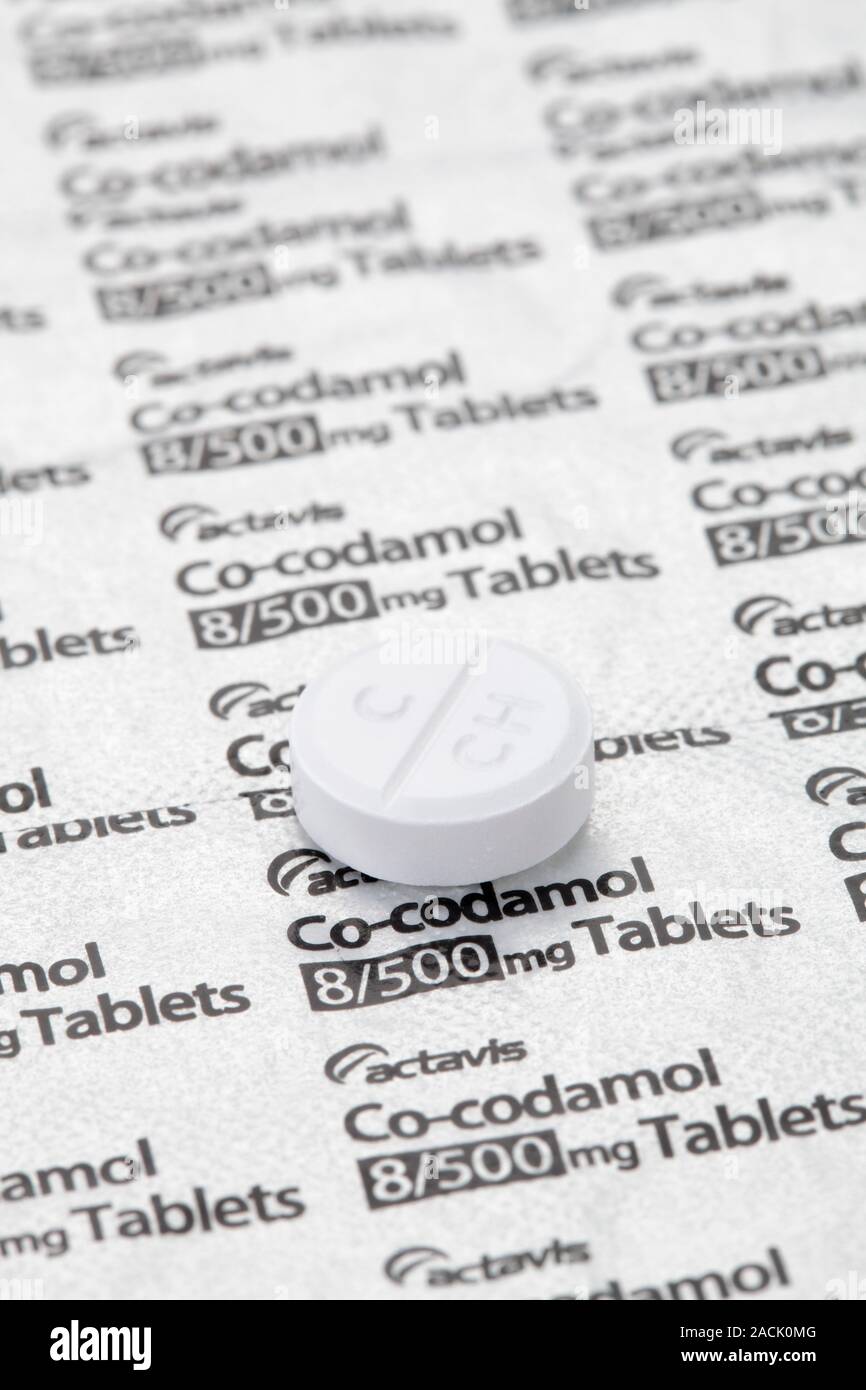
Co-Codamol: An Expert's Comprehensive Guide to This Powerful Analgesic
As an expert Medical SEO Copywriter and Orthopedic Specialist, I frequently encounter patients seeking effective solutions for moderate to severe pain. Co-Codamol stands as a widely prescribed combination analgesic, offering relief when standard paracetamol alone proves insufficient. This comprehensive guide delves into every critical aspect of Co-Codamol, from its intricate mechanisms of action to detailed dosage guidelines, potential risks, and crucial safety considerations. Our aim is to provide an authoritative resource for patients, caregivers, and healthcare professionals alike, promoting safe and informed use of this important medication.
1. Comprehensive Introduction & Overview
Co-Codamol is a compound analgesic medication comprising two active pharmaceutical ingredients: paracetamol (also known as acetaminophen) and codeine phosphate. This synergistic combination provides enhanced pain relief compared to either component used alone. Paracetamol acts as a non-opioid analgesic and antipyretic, while codeine is an opioid analgesic, a prodrug that is metabolized into morphine, exerting its effects primarily on the central nervous system.
Available in various strengths, Co-Codamol is primarily indicated for the short-term management of acute moderate pain that is not relieved by other analgesics like paracetamol or ibuprofen alone. Its dual mechanism addresses pain through different pathways, making it a potent option for conditions ranging from musculoskeletal injuries and post-operative pain to severe headaches and dental discomfort. However, due to the opioid component, its use necessitates careful consideration of potential side effects, dependency, and interactions.
What is Co-Codamol?
Co-Codamol is a fixed-dose combination drug, meaning it contains specific amounts of two different active ingredients in each tablet or capsule. These ingredients are:
- Paracetamol (Acetaminophen): A common pain reliever and fever reducer.
- Codeine Phosphate: A mild opioid analgesic.
This combination is designed to provide more effective pain relief than either drug individually, particularly for pain that is moderate in intensity.
Why is it Prescribed?
Co-Codamol is prescribed when over-the-counter pain relievers are not strong enough to control pain. Its opioid component, codeine, makes it suitable for short-term relief of acute pain, but it is generally not recommended for chronic pain management due to the risk of dependency and other opioid-related side effects.
2. Deep-Dive into Technical Specifications & Mechanisms
Understanding how Co-Codamol works at a cellular and systemic level is crucial for appreciating its therapeutic benefits and potential risks. The two components, paracetamol and codeine, act via distinct yet complementary pathways.
Mechanism of Action
Paracetamol (Acetaminophen)
The precise mechanism of paracetamol is still not fully understood, but it is believed to exert its analgesic and antipyretic effects primarily through central nervous system (CNS) mechanisms.
- Central Cyclooxygenase Inhibition: Paracetamol is thought to selectively inhibit cyclooxygenase (COX) enzymes, particularly COX-2 and possibly COX-3, within the CNS. Unlike NSAIDs, it has minimal peripheral anti-inflammatory activity. By inhibiting COX, it reduces the synthesis of prostaglandins, which are key mediators of pain and fever.
- Serotonergic Pathways: It may also modulate serotonergic descending pain pathways, enhancing the body's natural pain-inhibiting systems.
- Cannabinoid System: Some research suggests paracetamol's active metabolite, AM404, may interact with the endocannabinoid system, contributing to its analgesic effects.
Codeine Phosphate
Codeine is a weak opioid agonist. Its analgesic effect is primarily due to its metabolism into morphine.
- Prodrug Conversion: Codeine itself has low affinity for opioid receptors. It acts as a prodrug, meaning it must be metabolized in the liver to its active form, morphine, primarily by the cytochrome P450 enzyme CYP2D6.
- Mu-Opioid Receptor Agonism: Morphine then binds to mu-opioid receptors in the CNS, spinal cord, and gastrointestinal tract. This binding leads to:
- Analgesia: Decreased perception of pain and increased pain tolerance.
- Respiratory Depression: Reduced sensitivity of the brainstem respiratory center to carbon dioxide.
- Sedation: Depression of cortical and subcortical areas.
- Euphoria/Dysphoria: Altered mood.
- Gastrointestinal Effects: Decreased gut motility, leading to constipation.
- Cough Suppression: Direct action on the cough center in the medulla.
- Genetic Variability (CYP2D6): The efficacy and side effect profile of codeine can vary significantly among individuals due to genetic polymorphisms in the CYP2D6 enzyme.
- Ultra-rapid metabolizers: Convert codeine to morphine very quickly and efficiently, leading to higher-than-expected morphine levels, increased analgesic effect, and a greater risk of opioid toxicity (e.g., respiratory depression).
- Poor metabolizers: Convert codeine to morphine slowly or not at all, resulting in little to no analgesic effect.
Pharmacokinetics
Pharmacokinetics describes how the body processes the drug – absorption, distribution, metabolism, and excretion.
- Absorption:
- Both paracetamol and codeine are rapidly and well-absorbed from the gastrointestinal tract following oral administration.
- Peak plasma concentrations are typically reached within 30-60 minutes for paracetamol and 60 minutes for codeine.
- Distribution:
- Both drugs are widely distributed throughout body tissues.
- Paracetamol has low protein binding (10-25%).
- Codeine has moderate protein binding (approximately 25%).
- Both can cross the placental barrier and are excreted into breast milk.
- Metabolism:
- Paracetamol: Primarily metabolized in the liver by glucuronidation and sulfation to inactive conjugates, which are then excreted. A small amount is metabolized by CYP2E1 to a highly reactive, toxic intermediate (N-acetyl-p-benzoquinone imine, NAPQI), which is rapidly detoxified by conjugation with glutathione. In overdose, glutathione stores become depleted, leading to NAPQI accumulation and hepatotoxicity.
- Codeine: Primarily metabolized in the liver.
- Approximately 5-10% is O-demethylated to morphine (active metabolite) by CYP2D6.
- N-demethylation to norcodeine (inactive) by CYP3A4 is another major pathway.
- Glucuronidation to codeine-6-glucuronide (active) also occurs.
- Excretion:
- Both paracetamol and codeine and their metabolites are primarily excreted by the kidneys in the urine.
- The elimination half-life of paracetamol is typically 2-3 hours.
- The elimination half-life of codeine is approximately 2.5-4 hours.
3. Extensive Clinical Indications & Usage
Co-Codamol is indicated for the short-term relief of moderate pain that is not relieved by other analgesics such as paracetamol or ibuprofen alone. As an orthopedic specialist, I often see its utility in managing acute musculoskeletal pain.
Specific Indications
- Musculoskeletal Pain:
- Acute back pain (e.g., lumbar strain, disc herniation).
- Osteoarthritis exacerbations.
- Soft tissue injuries (sprains, strains).
- Fibromyalgia (short-term management of flares).
- Post-fracture pain.
- Post-operative Pain:
- Following minor surgical procedures where non-opioids are insufficient.
- Dental surgery pain.
- Headaches and Migraines:
- Tension headaches.
- Migraine attacks (when other treatments fail).
- Dental Pain:
- Toothache.
- Pain after tooth extraction.
- Dysmenorrhoea (Period Pain):
- Severe menstrual cramps.
- Cancer Pain:
- Can be used as part of a stepped approach to cancer pain management, particularly for moderate pain.
Dosage Guidelines
Co-Codamol is available in several strengths, referring to the amount of codeine per 500 mg of paracetamol:
- Co-Codamol 8/500 mg: Contains 8 mg codeine phosphate and 500 mg paracetamol.
- Co-Codamol 15/500 mg: Contains 15 mg codeine phosphate and 500 mg paracetamol.
- Co-Codamol 30/500 mg: Contains 30 mg codeine phosphate and 500 mg paracetamol.
The 8/500 mg strength is available over-the-counter in some regions, while 15/500 mg and 30/500 mg are prescription-only.
General Adult Dosage (18 years and over):
| Strength | Single Dose | Maximum Daily Dose | Dosing Interval |
|---|---|---|---|
| 8/500 mg | 1-2 tablets | 8 tablets (4000 mg paracetamol, 64 mg codeine) | Every 4-6 hours |
| 15/500 mg | 1-2 tablets | 8 tablets (4000 mg paracetamol, 120 mg codeine) | Every 4-6 hours |
| 30/500 mg | 1-2 tablets | 8 tablets (4000 mg paracetamol, 240 mg codeine) | Every 4-6 hours |
Important Considerations:
- Duration of Use: Due to the codeine component, Co-Codamol should be used for the shortest possible duration, typically no more than 3 days, to prevent the development of tolerance and dependence.
- Maximum Paracetamol Dose: Never exceed the maximum daily dose of 4000 mg (4g) of paracetamol from all sources within a 24-hour period to avoid severe liver damage.
- Elderly Patients: Dosage may need to be reduced in elderly patients due to reduced renal and hepatic function, and increased sensitivity to opioid effects.
- Renal Impairment: Dose reduction may be necessary. For severe renal impairment, Co-Codamol is generally contraindicated or used with extreme caution.
- Hepatic Impairment: Use with extreme caution or contraindicated in severe hepatic impairment due to the paracetamol component.
- Children:
- Co-Codamol is generally not recommended for children under 12 years of age due to the risk of opioid toxicity, particularly respiratory depression.
- It is strictly contraindicated in children under 18 years who undergo tonsillectomy and/or adenoidectomy for obstructive sleep apnoea due to increased risk of serious and life-threatening adverse reactions.
- Use in adolescents (12-18 years) for pain relief is only recommended if other pain medicines (e.g., paracetamol or ibuprofen alone) are not considered effective.
4. Risks, Side Effects, & Contraindications
Like all medications, Co-Codamol carries a risk of side effects and is contraindicated in certain situations. It's vital to be aware of these to ensure safe usage.
Common Side Effects (affecting more than 1 in 100 people):
- Gastrointestinal: Constipation (very common with codeine), nausea, vomiting, abdominal pain.
- Central Nervous System: Drowsiness, dizziness, lightheadedness, sedation.
- Other: Sweating, dry mouth.
Less Common but Potentially Serious Side Effects:
- Allergic Reactions: Rash, itching, swelling (especially of the face, tongue, or throat), severe dizziness, trouble breathing (anaphylaxis – rare but serious).
- Respiratory Depression: Slow, shallow breathing (due to codeine). This is a medical emergency, especially in ultra-rapid metabolizers or overdose.
- Liver Damage: Primarily due to paracetamol overdose or chronic high doses, can be severe and life-threatening.
- Kidney Damage: Rare, but possible with chronic high doses.
- Dependency and Addiction: Codeine is an opioid and can lead to physical and psychological dependence with prolonged use. Withdrawal symptoms can occur if discontinued abruptly.
- Serotonin Syndrome: Rare, but possible when codeine is combined with other serotonergic drugs (e.g., SSRIs). Symptoms include agitation, hallucinations, rapid heart rate, fever, muscle stiffness, and severe nausea/vomiting/diarrhea.
- Adrenal Insufficiency: Rare, but chronic opioid use can lead to fatigue, weakness, lack of appetite, and dizziness.
Contraindications
Co-Codamol should NOT be used in individuals with:
- Hypersensitivity: Known allergy to paracetamol, codeine, other opioids, or any excipients in the formulation.
- Acute Respiratory Depression: Any condition causing significantly depressed breathing.
- Acute Asthma Attack: Opioids can worsen respiratory conditions.
- Head Injury / Raised Intracranial Pressure: Opioids can mask symptoms and increase intracranial pressure.
- Severe Liver Disease: Due to the paracetamol component's hepatotoxicity.
- Severe Renal Impairment: Accumulation of drugs and metabolites.
- Children Post-Tonsillectomy/Adenoidectomy: Especially for obstructive sleep apnoea, due to increased risk of serious adverse events including death, related to ultra-rapid metabolism of codeine.
- Breastfeeding Mothers: Due to the risk of infant opioid toxicity, particularly if the mother is an ultra-rapid metabolizer of codeine.
- Known Ultra-Rapid Metabolizers of CYP2D6: Due to the risk of opioid toxicity.
- Concurrent Use of Monoamine Oxidase Inhibitors (MAOIs): Or within 14 days of stopping MAOIs, due to potential for severe, life-threatening reactions.
- Alcohol Intoxication: Exacerbates CNS depressant effects.
Warnings and Precautions
- Dependence and Withdrawal: Long-term use can lead to physical dependence. Do not stop abruptly after prolonged use; a gradual reduction may be necessary.
- Tolerance: Over time, a higher dose may be needed to achieve the same effect.
- Driving and Operating Machinery: Co-Codamol can cause drowsiness, dizziness, and impaired judgment. Avoid these activities until you know how the medication affects you.
- Concurrent CNS Depressants: Use with caution with other medications that cause sedation (e.g., benzodiazepines, other opioids, alcohol).
- Elderly Patients: Increased risk of side effects, particularly respiratory depression and constipation.
- Pre-existing Respiratory Conditions: Use with caution in patients with chronic obstructive pulmonary disease (COPD) or other respiratory disorders.
- Gastrointestinal Conditions: Use with caution in conditions like inflammatory bowel disease due to effects on gut motility.
5. Drug Interactions
Drug interactions can alter the effects of Co-Codamol or increase the risk of adverse reactions. Always inform your doctor or pharmacist about all medications, supplements, and herbal products you are taking.
Interactions with Codeine:
- CNS Depressants:
- Alcohol: Greatly increases sedation, drowsiness, and respiratory depression. Avoid concurrent use.
- Benzodiazepines (e.g., diazepam, lorazepam): Increased risk of profound sedation, respiratory depression, coma, and death. Concurrent use should be avoided or used with extreme caution under strict medical supervision.
- Other Opioid Analgesics: Additive CNS depression and respiratory depression.
- Sedatives/Hypnotics (e.g., zolpidem): Increased sedation.
- Antihistamines (sedating, e.g., promethazine): Increased sedation.
- Tricyclic Antidepressants (TCAs, e.g., amitriptyline): Increased CNS depression and anticholinergic effects.
- Monoamine Oxidase Inhibitors (MAOIs):
- Risk of severe, potentially fatal reactions (e.g., hyperpyrexia, coma). Co-Codamol is contraindicated in patients taking MAOIs or within 14 days of stopping them.
- CYP2D6 Inhibitors:
- SSRIs (e.g., fluoxetine, paroxetine): Can inhibit the conversion of codeine to morphine, reducing its analgesic effect.
- Quinidine, Ritonavir, Bupropion: Can reduce codeine's efficacy.
- CYP2D6 Inducers:
- Rifampicin: Can increase the metabolism of codeine to morphine, potentially increasing the risk of opioid toxicity.
- Anticholinergics (e.g., atropine, some antihistamines):
- Increased risk of severe constipation and urinary retention.
- Naloxone:
- Opioid antagonist, can reverse the effects of codeine, used in overdose.
Interactions with Paracetamol:
- Other Paracetamol-Containing Products:
- Crucial to avoid exceeding the maximum daily dose of paracetamol (4000 mg) by taking multiple products that contain it. Check labels carefully.
- Warfarin and other Oral Anticoagulants:
- Chronic use of high doses of paracetamol can potentiate the anticoagulant effect of warfarin, increasing the risk of bleeding. Regular INR monitoring is advised.
- Enzyme Inducers (e.g., carbamazepine, phenobarbital, phenytoin, rifampicin):
- Can increase the formation of the toxic NAPQI metabolite of paracetamol, increasing the risk of hepatotoxicity.
- Cholestyramine:
- Reduces the absorption of paracetamol if given within one hour.
- Metoclopramide and Domperidone:
- Can increase the absorption rate of paracetamol.
6. Pregnancy and Lactation Warnings
The use of Co-Codamol during pregnancy and breastfeeding requires careful consideration due to potential risks to the fetus and infant.
Pregnancy
- Paracetamol (Category B): Generally considered safe for use during pregnancy when used at recommended doses for short periods. However, recent studies suggest potential links to developmental issues with prolonged or high-dose use, necessitating caution.
- Codeine (Category C):
- First Trimester: Limited human data, but animal studies suggest potential for congenital malformations. Generally avoided.
- Third Trimester/Near Term: Chronic use can lead to neonatal abstinence syndrome (NAS) in the newborn, characterized by irritability, hypertonia, tremors, feeding difficulties, and respiratory distress.
- During Labor and Delivery: Use of codeine close to delivery can cause respiratory depression in the neonate.
- Overall: Co-Codamol should generally be avoided during pregnancy unless the potential benefits outweigh the risks, and only under strict medical supervision. If used, the lowest effective dose for the shortest duration should be employed.
Lactation (Breastfeeding)
- Codeine: Co-Codamol is generally contraindicated in breastfeeding mothers. Codeine is excreted into breast milk, and a significant portion of it is converted to morphine in the mother's body.
- Risk of Infant Opioid Toxicity: Infants, especially neonates, are highly sensitive to opioids. If the mother is an ultra-rapid metabolizer of CYP2D6, dangerously high levels of morphine can be transferred to the infant through breast milk. This can lead to serious adverse reactions in the infant, including:
- Excessive sleepiness
- Difficulty feeding
- Breathing difficulties (slow or shallow breathing)
- Limpness (hypotonia)
- Even death
- Mothers should be advised to look for signs of opioid toxicity in their infants and seek immediate medical attention if observed.
- Risk of Infant Opioid Toxicity: Infants, especially neonates, are highly sensitive to opioids. If the mother is an ultra-rapid metabolizer of CYP2D6, dangerously high levels of morphine can be transferred to the infant through breast milk. This can lead to serious adverse reactions in the infant, including:
- Paracetamol: Considered compatible with breastfeeding at usual therapeutic doses, as only small amounts are excreted into breast milk and are generally not harmful to the infant.
- Conclusion: Due to the significant risks associated with codeine, alternative pain relief options that do not contain opioids are generally preferred for breastfeeding mothers.
7. Overdose Management
Co-Codamol overdose is a medical emergency that requires immediate attention. Overdose can result from either the paracetamol or codeine component, or both, leading to distinct and potentially life-threatening complications.
Symptoms of Overdose
Paracetamol Overdose:
Symptoms may not appear immediately, making early intervention critical.
- Early Symptoms (first 24 hours): Nausea, vomiting, abdominal pain, anorexia, pallor, malaise, sweating.
- Later Symptoms (24-48 hours and beyond):
- Liver Damage: Right upper quadrant pain, tenderness, jaundice, elevated liver enzymes (AST, ALT), coagulopathy (increased INR), hepatic encephalopathy, liver failure.
- Renal Impairment: Acute tubular necrosis.
Codeine Overdose:
Symptoms are characteristic of opioid toxicity.
- Central Nervous System: Profound drowsiness, sedation, stupor, coma, pinpoint pupils (miosis).
- Respiratory System: Severe respiratory depression (slow, shallow, or absent breathing), cyanosis (bluish discoloration of skin/lips).
- Cardiovascular System: Hypotension, bradycardia.
- Musculoskeletal: Flaccid paralysis, cold and clammy skin.
- Gastrointestinal: Decreased gut motility.
Emergency Treatment
Immediate medical attention is paramount for any suspected Co-Codamol overdose. Call emergency services immediately.
General Management:
- Assessment: Rapid assessment of airway, breathing, circulation (ABCs).
- Supportive Care: Maintain airway, provide oxygen, assist ventilation if necessary. Monitor vital signs (respiratory rate, heart rate, blood pressure, oxygen saturation, temperature).
- Gastric Decontamination:
- Activated Charcoal: May be administered within 1 hour of ingestion if the patient is conscious and can protect their airway, to reduce absorption of both drugs.
- Gastric Lavage: Rarely indicated, only in specific circumstances and within a very short time frame.
Specific Treatment for Paracetamol Overdose:
- N-acetylcysteine (NAC): This is the antidote for paracetamol toxicity.
- Timing is Crucial: NAC is most effective when administered within 8 hours of ingestion, but can still be beneficial up to 24 hours or even later, especially with very large overdoses.
- Mechanism: NAC replenishes hepatic glutathione stores, which are vital for detoxifying the toxic NAPQI metabolite. It also has direct antioxidant and anti-inflammatory properties.
- Administration: Typically given intravenously over a prolonged period (e.g., 20-hour infusion protocol).
- Liver Transplant: May be necessary in cases of fulminant hepatic failure.
Specific Treatment for Codeine Overdose:
- Naloxone: This is a pure opioid antagonist that rapidly reverses the effects of opioids.
- Administration: Typically given intravenously, but can also be given intramuscularly or subcutaneously.
- Dosing: Titrated to reverse respiratory depression without precipitating severe withdrawal symptoms in opioid-dependent individuals.
- Repeat Doses: Naloxone has a shorter half-life than codeine/morphine, so repeated doses or a continuous infusion may be necessary to prevent recurrence of opioid toxicity.
Prognosis
The prognosis of Co-Codamol overdose depends heavily on the amount ingested, the time to presentation, and the promptness and appropriateness of medical intervention. Early and aggressive management significantly improves outcomes.
8. Massive FAQ Section
Q1: What is Co-Codamol used for?
Co-Codamol is used for the short-term relief of moderate pain that is not adequately relieved by other pain relievers like paracetamol or ibuprofen alone. This includes pain from injuries, surgery, dental procedures, headaches, and some musculoskeletal conditions.
Q2: Is Co-Codamol addictive?
Yes, Co-Codamol contains codeine, which is an opioid. Opioids can cause physical and psychological dependence, especially with prolonged or high-dose use. It's recommended for short-term use (typically no more than 3 days) to minimize this risk.
Q3: How long can I take Co-Codamol?
For over-the-counter strengths, it's generally recommended for use for a maximum of 3 consecutive days. For prescription strengths, your doctor will advise on the appropriate duration, but it should always be for the shortest possible time to manage acute pain. Prolonged use increases the risk of dependence and other side effects.
Q4: Can I drink alcohol with Co-Codamol?
No, it is strongly advised to avoid alcohol while taking Co-Codamol. Both alcohol and codeine are central nervous system depressants, and combining them can significantly increase side effects such as drowsiness, dizziness, sedation, and potentially life-threatening respiratory depression.
Q5: What's the difference between Co-Codamol 8/500, 15/500, and 30/500?
The numbers refer to the amount of codeine (in milligrams) per 500 mg of paracetamol.
* 8/500 mg: Contains 8 mg codeine and 500 mg paracetamol.
* 15/500 mg: Contains 15 mg codeine and 500 mg paracetamol.
* 30/500 mg: Contains 30 mg codeine and 500 mg paracetamol.
The higher the codeine content, the stronger the opioid effect, but also the greater the risk of opioid-related side effects. The 8/500 mg strength is often available over-the-counter, while the others are prescription-only.
Q6: Can children take Co-Codamol?
Co-Codamol is generally not recommended for children under 12 years of age due to the risk of serious side effects, including breathing problems. It is strictly contraindicated in children under 18 who have had tonsillectomy or adenoidectomy for obstructive sleep apnoea. For adolescents (12-18 years), it should only be used if other pain relievers are ineffective and under strict medical guidance.
Q7: Can I drive or operate machinery after taking Co-Codamol?
No, Co-Codamol can cause drowsiness, dizziness, and impaired judgment, especially when you first start taking it or if you increase your dose. You should not drive or operate heavy machinery until you know how the medication affects you and are confident it doesn't impair your ability to perform these tasks safely.
Q8: What should I do if I miss a dose of Co-Codamol?
If you miss a dose, take it as soon as you remember, unless it's nearly time for your next scheduled dose. In that case, skip the missed dose and continue with your regular dosing schedule. Do not take a double dose to make up for a missed one. Always adhere to the recommended dosing interval (usually 4-6 hours).
Q9: Are there any natural alternatives to Co-Codamol?
While Co-Codamol is a specific combination drug, various non-pharmacological and over-the-counter options can help manage pain. These include heat/cold therapy, physical therapy, exercise, acupuncture, massage, and medications like ibuprofen, naproxen, or paracetamol alone. For chronic pain, a multidisciplinary approach involving lifestyle changes, psychological support, and other therapies is often recommended. Always consult your doctor before trying new treatments.
Q10: How quickly does Co-Codamol work?
Both paracetamol and codeine are rapidly absorbed. You can typically expect to feel the pain-relieving effects of Co-Codamol within 30 to 60 minutes after taking a dose. The effects usually last for about 4 to 6 hours.
Q11: What are the signs of a Co-Codamol overdose?
Signs of overdose can be severe and require immediate medical attention.
* Paracetamol overdose signs: Nausea, vomiting, abdominal pain, loss of appetite, sweating, and later (after 24-48 hours) jaundice (yellowing of skin/eyes), dark urine, and signs of liver failure.
* Codeine overdose signs: Extreme drowsiness, confusion, pinpoint pupils, slow or shallow breathing, cold and clammy skin, limp muscles, and loss of consciousness.
If you suspect an overdose, seek emergency medical help immediately.
Q12: Why is Co-Codamol contraindicated in breastfeeding mothers?
Co-Codamol is contraindicated during breastfeeding primarily due to the codeine component. Codeine is converted to morphine in the body and can pass into breast milk. If the mother is an "ultra-rapid metabolizer" of codeine, dangerously high levels of morphine can be transferred to the infant, leading to serious and potentially fatal opioid toxicity in the baby (e.g., severe drowsiness, breathing difficulties, limpness).