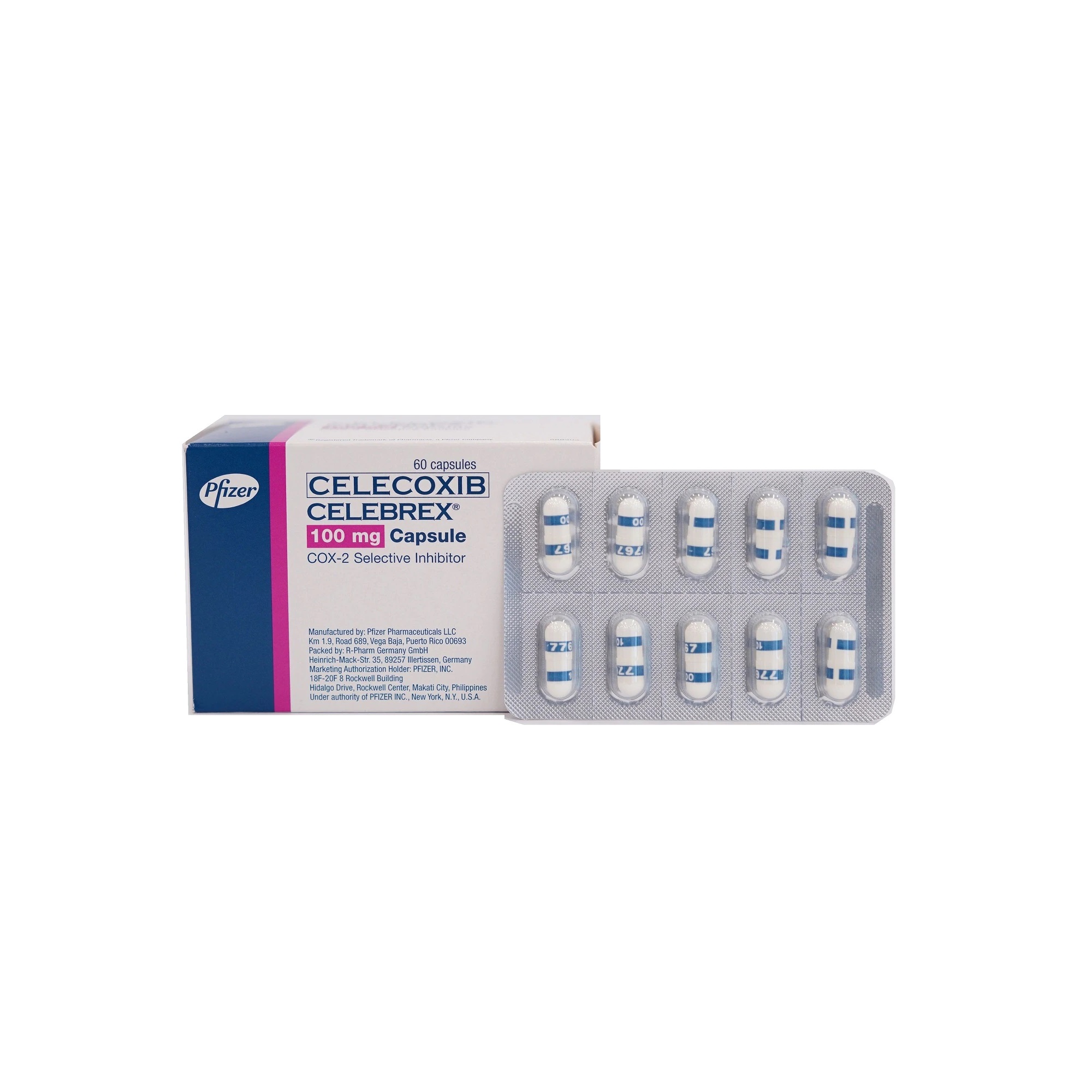
Celebrex (Celecoxib): An In-Depth Medical SEO Guide
As an expert medical SEO copywriter specializing in orthopedics, I understand the critical need for accurate, comprehensive, and accessible information regarding medications like Celebrex (celecoxib). This guide aims to provide a definitive resource for patients, caregivers, and healthcare professionals seeking to understand the nuances of this widely prescribed medication.
1. Comprehensive Introduction & Overview
Celebrex, with its generic name celecoxib, is a non-steroidal anti-inflammatory drug (NSAID) that belongs to a specific class known as selective cyclooxygenase-2 (COX-2) inhibitors. Unlike traditional, non-selective NSAIDs (such as ibuprofen or naproxen) that inhibit both COX-1 and COX-2 enzymes, celecoxib was developed to specifically target the COX-2 enzyme. This selectivity was intended to provide effective pain and inflammation relief while potentially reducing the gastrointestinal side effects commonly associated with non-selective NSAIDs.
Key Highlights of Celebrex:
- Drug Class: Selective COX-2 Inhibitor, NSAID
- Primary Use: Management of pain and inflammation associated with various musculoskeletal and inflammatory conditions.
- Mechanism: Targets the COX-2 enzyme, which is primarily responsible for mediating inflammation and pain.
- Formulation: Available in capsule form for oral administration.
- Prescription Status: Requires a prescription from a licensed healthcare provider.
This guide will delve into the intricate details of Celebrex, covering its mechanism of action, how it's processed by the body, its approved uses, precise dosing instructions, potential risks, drug interactions, and crucial safety considerations for specific populations.
2. Deep-Dive into Technical Specifications / Mechanisms
Understanding how Celebrex works at a molecular level is crucial for appreciating its benefits and limitations.
Mechanism of Action: Selective COX-2 Inhibition
To comprehend celecoxib's action, we must first understand the role of cyclooxygenase (COX) enzymes:
- COX-1 Enzyme: This "housekeeping" enzyme is constitutively expressed (always present) in most tissues. It plays vital roles in maintaining physiological functions, including:
- Protecting the gastric mucosa (stomach lining).
- Regulating renal blood flow.
- Mediating platelet aggregation (blood clotting).
- COX-2 Enzyme: This enzyme is primarily inducible, meaning its expression significantly increases in response to inflammatory stimuli, cytokines, and growth factors. It is largely responsible for:
- Synthesizing prostaglandins that mediate pain, inflammation, and fever.
- Playing a role in certain pathological processes, including some cancers and cardiovascular disease.
How Celebrex Works:
Celecoxib selectively inhibits the COX-2 enzyme. By doing so, it reduces the production of prostaglandins that contribute to pain, inflammation, and fever at sites of injury or disease. The theoretical advantage of COX-2 selectivity is that it spares the COX-1 enzyme, thereby aiming to preserve the beneficial physiological functions mediated by COX-1, such as gastrointestinal protection and normal platelet function, compared to non-selective NSAIDs. However, it's important to note that this GI safety advantage is relative, and serious GI events can still occur.
Pharmacokinetics: How Your Body Processes Celebrex
Pharmacokinetics describes the journey of a drug through the body – how it's absorbed, distributed, metabolized, and excreted (ADME).
- Absorption:
- Celecoxib is rapidly absorbed after oral administration.
- Peak plasma concentrations (Tmax) are typically reached within 2-4 hours.
- Taking Celebrex with a high-fat meal can delay Tmax by about 1-2 hours but can increase the overall absorption (AUC) by 10-20%.
- Distribution:
- It is extensively bound to plasma proteins, primarily albumin, with binding exceeding 97%.
- The volume of distribution is approximately 400 L, indicating wide distribution into tissues.
- Metabolism:
- Celecoxib is primarily metabolized in the liver by the cytochrome P450 2C9 (CYP2C9) enzyme system.
- It undergoes hydroxylation, oxidation, and glucuronidation, resulting in inactive metabolites.
- Genetic variations in CYP2C9 can affect celecoxib metabolism, with "poor metabolizers" potentially having higher drug levels and increased risk of side effects.
- Excretion:
- The elimination of celecoxib occurs primarily through metabolism, with less than 3% of the dose excreted unchanged in urine or feces.
- Approximately 57% of the dose is excreted in the feces and 27% in the urine, predominantly as inactive metabolites.
- The elimination half-life is approximately 8-12 hours, allowing for once or twice-daily dosing.
Special Populations:
* Hepatic Impairment: Patients with moderate hepatic impairment (Child-Pugh Class B) may have significantly increased celecoxib exposure, necessitating dose reduction. It is not recommended for severe hepatic impairment (Child-Pugh Class C).
* Renal Impairment: While limited data suggest no significant change in celecoxib clearance in mild to moderate renal impairment, caution is advised in patients with severe renal impairment due to the potential for NSAID-induced renal effects.
3. Extensive Clinical Indications & Usage
Celebrex is approved for the symptomatic treatment of various inflammatory and painful conditions. The goal is always to use the lowest effective dose for the shortest duration consistent with individual patient treatment goals.
Approved Indications for Celebrex
Celecoxib is indicated for:
- Osteoarthritis (OA) in Adults: For the relief of signs and symptoms of osteoarthritis, a degenerative joint disease.
- Rheumatoid Arthritis (RA) in Adults: For the relief of signs and symptoms of rheumatoid arthritis, a chronic autoimmune inflammatory disorder.
- Juvenile Rheumatoid Arthritis (JRA) in Patients 2 Years and Older: For the relief of signs and symptoms of JRA.
- Ankylosing Spondylitis (AS) in Adults: For the relief of signs and symptoms of ankylosing spondylitis, a chronic inflammatory disease primarily affecting the spine.
- Acute Pain in Adults: For the management of acute pain, such as post-surgical pain, musculoskeletal pain, or dental pain.
- Primary Dysmenorrhea in Adults: For the treatment of menstrual pain.
Dosage Guidelines
Dosage must be individualized based on the patient's condition, response to therapy, and risk factors.
| Indication | Adult Dosage | Pediatric Dosage (JRA, 2+ years) |
|---|---|---|
| Osteoarthritis (OA) | 200 mg once daily OR 100 mg twice daily. | Not applicable |
| Rheumatoid Arthritis (RA) | 100 mg twice daily OR 200 mg twice daily. | Not applicable |
| Ankylosing Spondylitis (AS) | 200 mg once daily OR 100 mg twice daily. May increase to 400 mg daily if needed. | Not applicable |
| Acute Pain | Initial 400 mg, followed by an additional 200 mg if needed on the first day. Subsequent days: 200 mg twice daily. | Not applicable |
| Primary Dysmenorrhea | Initial 400 mg, followed by an additional 200 mg if needed on the first day. Subsequent days: 200 mg twice daily. | Not applicable |
| Juvenile Rheumatoid Arthritis (JRA) | Not applicable | 10-25 kg: 50 mg twice daily. >25 kg: 100 mg twice daily. (Maximum daily dose 200 mg) |
Important Considerations for Dosage:
- Hepatic Impairment: For patients with moderate hepatic impairment (Child-Pugh Class B), the celecoxib dose should be reduced by approximately 50% (e.g., maximum 200 mg daily). Not recommended for severe hepatic impairment (Child-Pugh Class C).
- Poor CYP2C9 Metabolizers: Patients known to be poor CYP2C9 metabolizers should receive celecoxib at half the lowest recommended dose.
- Elderly Patients: While no specific dosage adjustment is generally required, elderly patients may be more sensitive to NSAID side effects. Start at the lower end of the dosing range and monitor closely.
- Administration: Celebrex can be taken with or without food. Taking it with food may help reduce the likelihood of gastrointestinal upset.
4. Risks, Side Effects, or Contraindications
While Celebrex offers therapeutic benefits, it is crucial to be aware of its potential risks and contraindications.
Black Box Warnings (Most Serious Warnings)
The FDA mandates "Black Box Warnings" for Celebrex due to serious potential risks:
- Cardiovascular (CV) Thrombotic Events: NSAIDs, including Celebrex, increase the risk of serious cardiovascular thrombotic events, myocardial infarction (heart attack), and stroke, which can be fatal. This risk may increase with the duration of use and in patients with pre-existing cardiovascular disease or risk factors. Celebrex is contraindicated for the treatment of peri-operative pain in the setting of coronary artery bypass graft (CABG) surgery.
- Gastrointestinal (GI) Risk: NSAIDs, including Celebrex, increase the risk of serious gastrointestinal adverse events, including bleeding, ulceration, and perforation of the stomach or intestines, which can be fatal. These events can occur at any time during use and without warning symptoms. Elderly patients and those with a history of GI disease are at greater risk.
Common Side Effects (Occurring in ≥2% of patients)
| Body System | Common Side Effects ## 5. Frequently Asked Questions (FAQ) About Celebrex
Q1: What exactly is Celebrex used for?
A1: Celebrex (celecoxib) is a prescription non-steroidal anti-inflammatory drug (NSAID) used to relieve pain, inflammation, swelling, and stiffness caused by various conditions. Its primary indications include osteoarthritis, rheumatoid arthritis, juvenile rheumatoid arthritis (in children 2 years and older), ankylosing spondylitis, acute pain (e.g., post-surgical), and primary dysmenorrhea (menstrual pain).
Q2: How does Celebrex differ from other NSAIDs like ibuprofen or naproxen?
A2: Celebrex is a selective COX-2 inhibitor, meaning it primarily blocks the COX-2 enzyme, which is largely responsible for inflammation and pain. Traditional NSAIDs like ibuprofen or naproxen are non-selective, inhibiting both COX-1 and COX-2 enzymes. The theoretical advantage of Celebrex's selectivity is a reduced risk of gastrointestinal side effects (like stomach ulcers or bleeding) compared to non-selective NSAIDs, although serious GI events can still occur.
Q3: Is Celebrex safer for my stomach than other NSAIDs?
A3: Studies have shown that Celebrex may have a lower risk of certain serious gastrointestinal (GI) side effects (like ulcers and bleeding) compared to non-selective NSAIDs, particularly in patients at higher GI risk. However, it's crucial to understand that Celebrex still carries a "Black Box Warning" for GI risk, and serious GI events can occur at any time without warning. Always discuss your GI history and risk factors with your doctor.
Q4: How long does Celebrex take to work, and how long do its effects last?
A4: Many patients may start to feel pain relief within 30-60 minutes after taking Celebrex, especially for acute pain. For chronic conditions like arthritis, it might take several days to a week to experience the full therapeutic effect. The effects of a single dose typically last around 8-12 hours, which supports its once or twice-daily dosing regimen.
Q5: Can I take Celebrex with alcohol?
A5: It is generally advised to avoid or limit alcohol consumption while taking Celebrex. Both Celebrex and alcohol can irritate the stomach lining and increase the risk of gastrointestinal bleeding or ulcers. Combining them can amplify this risk. Alcohol can also potentially impact liver function, which is where Celebrex is metabolized.
Q6: What should I do if I miss a dose of Celebrex?
A6: If you miss a dose, take it as soon as you remember. However, if it's almost time for your next scheduled dose, skip the missed dose and resume your regular dosing schedule. Do not double the dose to catch up, as this can increase the risk of side effects.
Q7: Can Celebrex cause heart problems?
A7: Yes, Celebrex, like all NSAIDs, carries a "Black Box Warning" regarding an increased risk of serious cardiovascular thrombotic events, including heart attack and stroke, which can be fatal. This risk may increase with higher doses and longer durations of use, and in patients with pre-existing heart conditions or risk factors. It should not be used for pain right before or after heart bypass surgery (CABG). Discuss your cardiovascular health with your doctor before starting Celebrex.
Q8: Is Celebrex a narcotic or addictive?
A8: No, Celebrex is not a narcotic, opioid, or addictive substance. It is a non-steroidal anti-inflammatory drug (NSAID) that works by reducing inflammation and pain through a different mechanism than opioids. It does not produce euphoria or the same type of dependence as narcotics.
Q9: Can I take Celebrex if I have a sulfa allergy?
A9: Celebrex contains a sulfonamide moiety, meaning it has a chemical structure similar to sulfa drugs. Therefore, Celebrex is contraindicated in patients