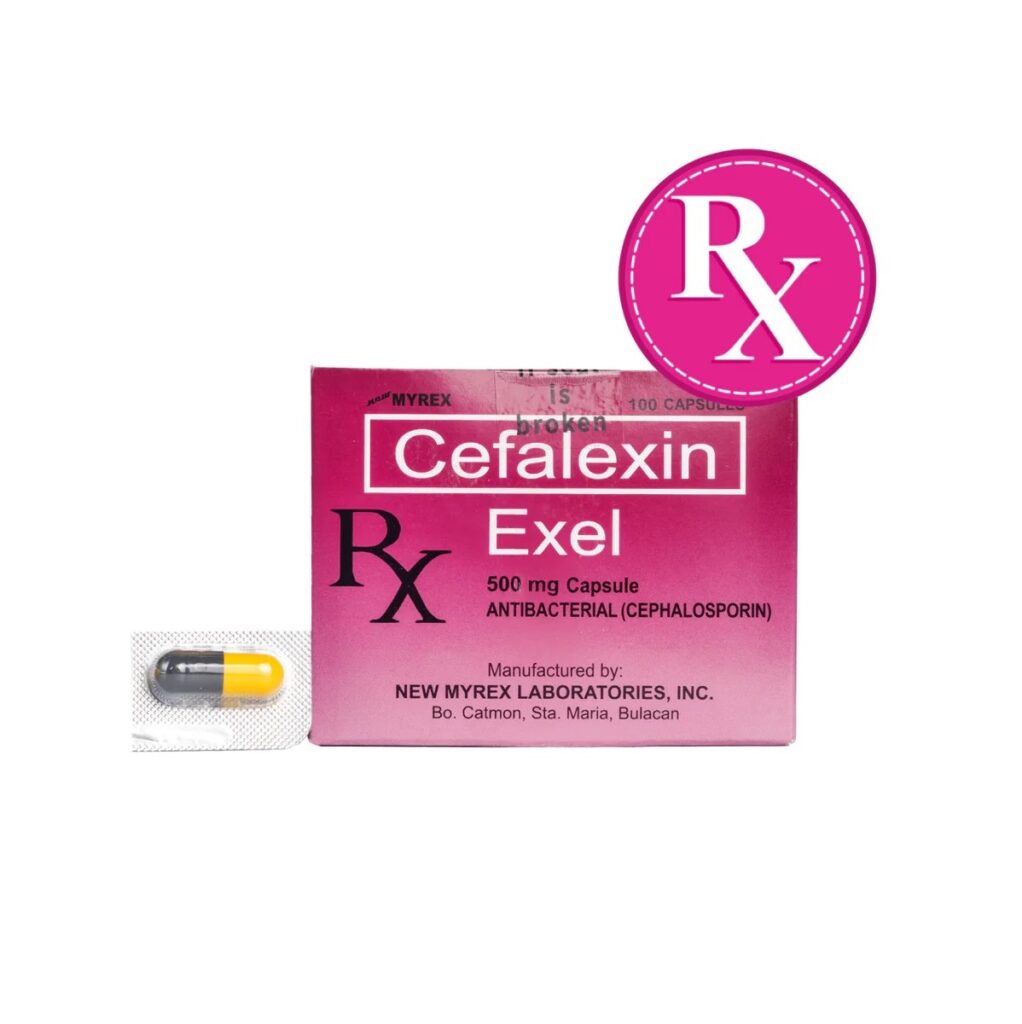
Cefalexin: A Comprehensive Medical SEO Guide for Bacterial Infections
Welcome to this in-depth guide on Cefalexin, a widely prescribed antibiotic crucial in combating various bacterial infections. As an expert medical SEO copywriter and orthopedic specialist, my aim is to provide you with a highly authoritative, exhaustive, and easy-to-understand resource covering every critical aspect of this medication. Understanding Cefalexin's proper use, mechanisms, and potential considerations is paramount for both healthcare professionals and patients seeking reliable information.
1. Introduction & Overview of Cefalexin
Cefalexin, also commonly known by brand names such as Keflex, is a first-generation cephalosporin antibiotic. It belongs to a class of beta-lactam antibiotics that are structurally and pharmacologically related to penicillins. First introduced in the early 1970s, Cefalexin has since become a cornerstone in the treatment of a broad spectrum of bacterial infections due to its excellent oral absorption and favorable safety profile.
This medication is bactericidal, meaning it kills bacteria rather than just inhibiting their growth. It is particularly effective against many Gram-positive bacteria, including strains of Staphylococcus aureus and Streptococcus pyogenes, which are common culprits in skin, soft tissue, and respiratory infections. It also shows activity against some Gram-negative organisms, making it a versatile choice for conditions like urinary tract infections.
Key Highlights of Cefalexin:
- Type: First-generation cephalosporin antibiotic.
- Action: Bactericidal (kills bacteria).
- Administration: Primarily oral.
- Primary Use: Treatment of susceptible bacterial infections.
- Safety Profile: Generally well-tolerated with a long history of clinical use.
2. Deep-Dive into Technical Specifications & Mechanisms
To fully appreciate Cefalexin's efficacy, it's essential to understand how it works within the body and against bacterial pathogens.
Mechanism of Action
Cefalexin's bactericidal action stems from its ability to interfere with bacterial cell wall synthesis. Bacteria, unlike human cells, possess a rigid cell wall that protects them from osmotic lysis. This cell wall is primarily composed of peptidoglycans, which are cross-linked into a strong mesh-like structure.
- Targeting Penicillin-Binding Proteins (PBPs): Cefalexin, like other beta-lactam antibiotics, mimics the structure of D-Ala-D-Ala, a dipeptide component of the peptidoglycan precursor. This allows it to bind irreversibly to specific enzymes known as Penicillin-Binding Proteins (PBPs). PBPs are crucial bacterial enzymes responsible for the final transpeptidation (cross-linking) step in peptidoglycan synthesis.
- Inhibition of Cross-linking: By binding to PBPs, Cefalexin inhibits their transpeptidase activity, preventing the formation of stable peptidoglycan cross-links.
- Cell Wall Weakening and Lysis: The weakened, defective cell wall can no longer withstand the internal osmotic pressure of the bacterial cell. This leads to the influx of water, resulting in bacterial cell swelling, lysis, and ultimately, cell death.
Spectrum of Activity (General Overview):
| Type of Bacteria | Susceptible Organisms |
|---|---|
| Gram-Positive | Staphylococcus aureus (methicillin-susceptible strains) |
| Streptococcus pyogenes (Group A Strep) | |
| Streptococcus pneumoniae | |
| Coagulase-negative Staphylococci | |
| Gram-Negative | Escherichia coli |
| Klebsiella pneumoniae | |
| Proteus mirabilis | |
| Some strains of Haemophilus influenzae (less reliable) |
It's important to note that Cefalexin is not active against MRSA (Methicillin-Resistant Staphylococcus aureus), Pseudomonas aeruginosa, or most anaerobic bacteria.
Pharmacokinetics
Pharmacokinetics describes how the body handles a drug—its absorption, distribution, metabolism, and excretion.
- Absorption: Cefalexin is rapidly and almost completely absorbed from the gastrointestinal (GI) tract after oral administration. Peak plasma concentrations are typically achieved within 1 to 2 hours. While food may delay the rate of absorption, it generally does not diminish the total amount absorbed, making it flexible for administration with or without meals.
- Distribution: Cefalexin distributes widely into various body tissues and fluids, including:
- Bone and joint fluid (relevant for orthopedic infections)
- Pleural fluid
- Bile
- Urine
- Pericardial fluid
It crosses the placenta and is excreted in low concentrations into breast milk. However, its penetration into the cerebrospinal fluid (CSF) is poor, limiting its use in meningitis.
- Metabolism: Cefalexin is minimally metabolized in the body. Approximately 70-80% of the administered dose is excreted unchanged.
- Excretion: The primary route of elimination for Cefalexin is renal excretion. It is excreted almost entirely by the kidneys via both glomerular filtration and tubular secretion. The elimination half-life in individuals with normal renal function is approximately 0.5 to 1.2 hours. In patients with impaired renal function, the half-life is significantly prolonged, necessitating dosage adjustments.
3. Extensive Clinical Indications & Usage
Cefalexin's broad spectrum of activity makes it a valuable treatment option for a variety of bacterial infections. It is typically prescribed when the causative organism is known or highly suspected to be susceptible to Cefalexin.
Detailed Indications
Cefalexin is commonly indicated for the treatment of infections caused by susceptible strains of the designated microorganisms in the following conditions:
- Respiratory Tract Infections:
- Pharyngitis (strep throat) and Tonsillitis caused by Streptococcus pyogenes.
- Bronchitis and Pneumonia (often as step-down therapy after IV antibiotics or for milder cases).
- Otitis Media (Middle Ear Infection): Caused by Streptococcus pneumoniae, Haemophilus influenzae, Staphylococcus aureus, Streptococcus pyogenes, and Moraxella catarrhalis.
- Skin and Soft Tissue Infections (SSTIs):
- Cellulitis (bacterial infection of the skin and underlying tissues).
- Impetigo (a contagious skin infection, especially common in children).
- Furunculosis (boils) and Carbuncles.
- Erysipelas.
- Folliculitis.
- Often used for infections caused by Staphylococcus aureus (methicillin-susceptible) and Streptococcus pyogenes.
- Bone and Joint Infections:
- Osteomyelitis (bone infection) and Septic Arthritis (joint infection) caused by susceptible Staphylococcus aureus and Proteus mirabilis. Often used as oral step-down therapy after initial intravenous treatment. As an orthopedic specialist, I frequently see Cefalexin utilized for less severe bone infections or as a continuation from IV antibiotics for stable, susceptible cases.
- Urinary Tract Infections (UTIs):
- Acute Cystitis (bladder infection).
- Pyelonephritis (kidney infection) in milder cases.
- Often caused by Escherichia coli, Proteus mirabilis, and Klebsiella pneumoniae.
- Dental Infections:
- Abscesses.
- As prophylaxis for certain dental procedures in patients at risk of infective endocarditis (though amoxicillin is often preferred).
- Surgical Prophylaxis: In selected surgical procedures where there is a risk of infection from susceptible organisms, particularly skin flora.
Dosage Guidelines
Dosage of Cefalexin varies depending on the infection type, severity, patient's age, weight, and renal function. It is crucial to adhere strictly to the prescribed dosage and duration of treatment.
General Adult Dosing:
- Typical Dose: 250 mg to 500 mg every 6 hours (q6h) or 500 mg every 12 hours (q12h).
- Severe Infections / Bone & Joint Infections: Up to 1 gram (1000 mg) every 6 hours (q6h).
- Duration: Typically 7 to 14 days, but can vary based on infection. For Streptococcus pyogenes infections, treatment should be at least 10 days to prevent acute rheumatic fever.
Pediatric Dosing:
- Typical Dose: 25 to 50 mg/kg/day administered in divided doses.
- Severe Infections / Otitis Media: Up to 75 to 100 mg/kg/day in divided doses.
- Maximum Daily Dose: Generally not to exceed 4 grams (4000 mg) per day for adults and children.
Dosage Adjustments in Renal Impairment:
Since Cefalexin is primarily eliminated by the kidneys, dosage adjustments are necessary for patients with impaired renal function to prevent accumulation and potential toxicity.
| Creatinine Clearance (CrCl) | Recommended Dosage Regimen |
|---|---|
| > 60 mL/min | No dosage adjustment needed. |
| 30-59 mL/min | Standard dose every 8-12 hours. |
| 15-29 mL/min | Standard dose every 12-24 hours. |
| < 15 mL/min | Standard dose every 24-48 hours (e.g., 250 mg every 24-48 hours). |
| Hemodialysis Patients | Administer a loading dose followed by supplemental doses after dialysis sessions. |
Administration Instructions:
- Cefalexin can be taken with or without food. Taking it with food may help reduce gastrointestinal upset.
- Always complete the full course of antibiotics as prescribed, even if symptoms improve, to ensure complete eradication of the infection and prevent the development of antibiotic resistance.
4. Risks, Side Effects, and Contraindications
While Cefalexin is generally safe, it's crucial to be aware of its potential risks, side effects, and situations where its use is contraindicated.
Contraindications
- Hypersensitivity to Cephalosporins: Cefalexin is absolutely contraindicated in patients with a known history of severe allergic reactions to Cefalexin or any other cephalosporin antibiotic.
- Severe Penicillin Allergy: Patients with a history of severe immediate hypersensitivity reactions (e.g., anaphylaxis, Stevens-Johnson syndrome) to penicillin antibiotics should generally avoid Cefalexin due to the potential for cross-reactivity (estimated at 5-10%). For less severe penicillin allergies (e.g., mild rash), the risk is lower, but caution is still advised.
Warnings and Precautions
- Hypersensitivity Reactions: Serious and sometimes fatal hypersensitivity (anaphylactic) reactions have been reported with beta-lactam antibiotics, including Cefalexin. Discontinue immediately if an allergic reaction occurs and initiate appropriate medical management.
- Clostridioides difficile-Associated Diarrhea (CDAD): Nearly all antibacterial agents, including Cefalexin, have been reported to cause CDAD, ranging from mild diarrhea to fatal colitis. If CDAD is suspected, Cefalexin should be discontinued, and appropriate therapy instituted.
- Renal Impairment: Dosage adjustments are necessary in patients with impaired renal function to prevent drug accumulation. Careful monitoring is advised.
- Pseudomembranous Colitis: This condition has been observed with nearly all antibacterial agents and may range in severity.
- Prolonged Use: Prolonged use may result in the overgrowth of non-susceptible organisms, including fungi.
- Direct Coombs' Test: A false-positive direct Coombs' test has been reported during treatment with cephalosporin antibiotics.
- Urinary Glucose Tests: Cefalexin may cause a false-positive reaction for glucose in the urine with Benedict's or Fehling's solutions or with Clinitest tablets, but not with enzyme-based tests (e.g., Clinistix, Tes-Tape).
Common Side Effects
Most side effects associated with Cefalexin are mild and transient.
- Gastrointestinal:
- Diarrhea (most common)
- Nausea
- Vomiting
- Abdominal pain
- Dyspepsia
- Hypersensitivity Reactions:
- Rash
- Urticaria (hives)
- Pruritus (itching)
- Genitourinary:
- Genital and anal pruritus
- Vaginitis
- Genital moniliasis (yeast infection)
- Central Nervous System:
- Dizziness
- Headache
- Other:
- Fatigue
Serious Side Effects (Rare but Possible)
- Severe Allergic Reactions: Anaphylaxis, angioedema.
- Severe Skin Reactions: Stevens-Johnson syndrome (SJS), toxic epidermal necrolysis (TEN).
- Clostridioides difficile-Associated Diarrhea (CDAD): Severe, persistent diarrhea.
- Hematologic: Eosinophilia, neutropenia, thrombocytopenia, hemolytic anemia.
- Hepatic: Transient elevations in liver enzymes (AST, ALT).
- Renal: Reversible interstitial nephritis (rare).
- Neurological: Seizures (especially with high doses in patients with renal impairment).
Drug Interactions
It's crucial to inform your healthcare provider about all medications you are taking, including over-the-counter drugs, supplements, and herbal remedies, to avoid potential drug interactions.
- Probenecid: Co-administration with probenecid (a uricosuric agent) significantly increases and prolongs Cefalexin plasma concentrations by reducing its renal tubular secretion. This interaction can be exploited therapeutically in some cases but requires careful monitoring.
- Metformin: Cefalexin may increase plasma concentrations of metformin (an antidiabetic drug) by inhibiting its renal excretion. Patients taking both medications should be monitored for potential metformin toxicity.
- Oral Anticoagulants (e.g., Warfarin): Although rare, some cephalosporins may alter vitamin K synthesis or platelet function, potentially enhancing the anticoagulant effect of warfarin. Monitoring of International Normalized Ratio (INR) is advisable, especially at the start or end of Cefalexin therapy.
- Other Nephrotoxic Drugs: While Cefalexin itself is not highly nephrotoxic, concurrent use with other potentially nephrotoxic drugs (e.g., aminoglycosides, potent diuretics like furosemide) should be approached with caution, particularly in patients with pre-existing renal impairment.
- Live Bacterial Vaccines (e.g., Typhoid Vaccine): Antibiotics like Cefalexin may reduce the therapeutic effect of live bacterial vaccines. It's generally recommended to complete antibiotic therapy before vaccination.
Pregnancy and Lactation Warnings
- Pregnancy: Cefalexin is classified as Pregnancy Category B. This means that animal reproduction studies have failed to demonstrate a risk to the fetus, and there are no adequate and well-controlled studies in pregnant women. However, it should only be used during pregnancy if clearly needed and the potential benefits outweigh the potential risks. Always consult your doctor.
- Lactation (Breastfeeding): Cefalexin is excreted in human milk in low concentrations. While generally considered compatible with breastfeeding, caution should be exercised. Monitor breastfed infants for potential adverse effects such as diarrhea, candidiasis (thrush), or allergic reactions (e.g., rash).
5. Overdose Management
In the event of an overdose with Cefalexin, immediate medical attention is necessary.
Symptoms of Overdose
Symptoms of Cefalexin overdose are typically an exaggeration of common side effects and may include:
- Nausea
- Vomiting
- Diarrhea
- Epigastric distress
- Hematuria (blood in urine, rare)
- Neurological symptoms: Seizures, especially in patients with pre-existing renal impairment where the drug can accumulate to toxic levels in the central nervous system.
Management of Overdose
Management of Cefalexin overdose is primarily symptomatic and supportive.
- Gastric Decontamination: If the overdose is recent (within 1-2 hours of ingestion) and substantial, gastric lavage or administration of activated charcoal may be considered to reduce absorption.
- Supportive Care: Maintain airway, breathing, and circulation. Monitor vital signs.
- No Specific Antidote: There is no specific antidote for Cefalexin overdose.
- Hemodialysis: Cefalexin is dialyzable. Hemodialysis may be useful in accelerating the removal of Cefalexin from the body, especially in severe cases or in patients with renal impairment where drug accumulation is significant.
6. Massive FAQ Section
Here are answers to some of the most frequently asked questions about Cefalexin:
Q1: What is Cefalexin primarily used for?
A1: Cefalexin is a first-generation cephalosporin antibiotic used to treat a wide range of bacterial infections, including those affecting the respiratory tract (e.g., strep throat), skin and soft tissues (e.g., cellulitis), bones and joints (e.g., osteomyelitis), and urinary tract (e.g., bladder infections).
Q2: How quickly does Cefalexin start to work?
A2: While you may start to feel better within 24-48 hours of starting Cefalexin, it's crucial to complete the entire prescribed course of medication. The time it takes for symptoms to resolve fully depends on the type and severity of the infection.
Q3: Can I take Cefalexin with food?
A3: Yes, Cefalexin can be taken with or without food. Taking it with food may help reduce gastrointestinal side effects like nausea or stomach upset.
Q4: What should I do if I miss a dose of Cefalexin?
A4: If you miss a dose, take it as soon as you remember, unless it's almost time for your next scheduled dose. In that case, skip the missed dose and resume your regular dosing schedule. Do not double the dose to catch up.
Q5: Can children take Cefalexin?
A5: Yes, Cefalexin is commonly prescribed for children, often in a liquid suspension form, for various bacterial infections. Pediatric dosing is based on the child's weight and the severity of the infection. Always follow your pediatrician's instructions.
Q6: Is Cefalexin a penicillin? Can I take it if I'm allergic to penicillin?
A6: No, Cefalexin is not a penicillin; it is a cephalosporin antibiotic. However, there is a possibility of cross-reactivity between penicillins and cephalosporins, particularly in individuals with a history of severe penicillin allergy. If you have a severe penicillin allergy, inform your doctor, as Cefalexin might be contraindicated. For mild penicillin allergies, it may be used with caution.
Q7: Can Cefalexin cause yeast infections?
A7: Yes, like many antibiotics, Cefalexin can disrupt the natural balance of bacteria in the body, including beneficial bacteria that keep yeast in check. This can sometimes lead to yeast infections, particularly vaginal yeast infections in women.
Q8: How long do I need to take Cefalexin?
A8: The duration of treatment varies depending on the type and severity of the infection. It can range from 5-7 days for milder infections to several weeks for more severe conditions like bone infections. It is critical to complete the entire course as prescribed by your doctor, even if your symptoms improve, to ensure the infection is fully eradicated and to prevent antibiotic resistance.
Q9: What should I avoid while taking Cefalexin?
A9: You should generally avoid alcohol while taking antibiotics, as it can worsen side effects like stomach upset or dizziness. Also, avoid self-treating other conditions without consulting your doctor, especially if it involves other medications that could interact with Cefalexin. Always follow your doctor's specific advice.
Q10: Does Cefalexin treat viral infections?
A10: No, Cefalexin is an antibacterial medication and is only effective against bacterial infections. It will not work for viral infections such as the common cold, flu, or COVID-19. Using antibiotics for viral infections contributes to antibiotic resistance.
Q11: How should Cefalexin be stored?
A11: Cefalexin capsules or tablets should be stored at room temperature, away from moisture and heat. The oral suspension (liquid form) usually needs to be refrigerated after mixing and should be discarded after a specific period (typically 14 days), as indicated on the label. Always check the specific storage instructions on your medication.
Q12: Can Cefalexin affect birth control?
A12: There is no significant evidence to suggest that Cefalexin directly reduces the effectiveness of hormonal birth control pills. However, if you experience severe diarrhea or vomiting while taking Cefalexin, the absorption of your birth control pills might be affected. In such cases, consider using a backup method of contraception. Always discuss concerns with your healthcare provider.