Capsaicin Cream: A Comprehensive Medical SEO Guide to Topical Pain Management
1. Introduction & Overview of Capsaicin Cream
Welcome to the definitive guide on Capsaicin Cream, a widely recognized topical analgesic derived from the chili pepper plant (genus Capsicum). As expert medical SEO copywriters and orthopedic specialists, we aim to provide an exhaustive, authoritative resource for patients and healthcare professionals alike. Capsaicin cream offers a unique approach to pain management, primarily targeting localized neuropathic and musculoskeletal pain without the systemic side effects often associated with oral medications.
This guide will delve into the intricate science behind capsaicin's pain-relieving properties, its diverse clinical applications, proper usage, potential risks, and essential safety considerations. Understanding capsaicin cream empowers individuals to make informed decisions regarding their pain management strategies.
2. Deep-Dive into Technical Specifications & Mechanisms
Capsaicin, the active ingredient in various topical formulations, is a potent agonist of the Transient Receptor Potential Vanilloid 1 (TRPV1) receptor. This specific interaction is central to its analgesic effects.
2.1. Mechanism of Action
The pain-relieving mechanism of capsaicin is complex and multifaceted, primarily involving the desensitization of nociceptive nerve fibers.
- TRPV1 Receptor Activation: Capsaicin binds to and activates the TRPV1 receptor, a ligand-gated ion channel primarily found on C-fiber and A-delta sensory neurons. These neurons are responsible for transmitting pain and temperature sensations.
- Initial Excitation and Burning Sensation: Upon initial application, capsaicin causes an influx of calcium ions into the neuron, leading to depolarization and the release of substance P (a neuropeptide involved in pain transmission). This immediate activation is perceived as a burning, stinging, or itching sensation, which is a characteristic and expected initial response.
- Desensitization of Nociceptors: Continuous or repeated exposure to capsaicin leads to a sustained activation of TRPV1. This prolonged activation results in several physiological changes:
- Depletion of Neurotransmitters: The continuous release of substance P eventually depletes its stores in the nerve terminals. With less substance P available, the transmission of pain signals to the central nervous system is significantly reduced.
- Receptor Desensitization: The TRPV1 receptors themselves become less responsive to further stimuli.
- Reversible Defunctionalization: In some cases, prolonged exposure can lead to a reversible defunctionalization of the sensory nerve fibers, essentially rendering them less capable of transmitting pain signals.
- Analgesic Effect: The cumulative effect of substance P depletion and nociceptor desensitization results in a pronounced and sustained analgesic effect, typically developing over days to weeks of consistent application.
2.2. Pharmacokinetics
Capsaicin's pharmacokinetic profile is favorable for topical pain management, emphasizing localized action.
- Absorption: When applied topically, capsaicin is absorbed locally through the skin. The extent of systemic absorption is generally minimal, especially with standard concentrations (e.g., 0.025% to 0.1%) and proper application. Higher concentrations (e.g., 8% patch used in clinics) may result in slightly greater systemic absorption, but still typically below levels that cause significant systemic effects.
- Distribution: Due to minimal systemic absorption, capsaicin's distribution is largely confined to the local application site, specifically within the superficial layers of the skin and underlying nerve endings.
- Metabolism: Any systemically absorbed capsaicin is rapidly metabolized in the liver by cytochrome P450 enzymes, primarily CYP3A4, into inactive metabolites.
- Excretion: Metabolites are primarily excreted in the urine. The rapid metabolism and excretion contribute to the low risk of systemic accumulation.
- Onset and Duration of Action:
- Onset: The initial burning sensation occurs almost immediately upon application. The therapeutic analgesic effect, however, typically begins after several days to 2 weeks of consistent, multiple-times-daily application, as substance P depletion is a gradual process.
- Duration: The analgesic effect can persist for several hours after a single application, and with regular use, the pain relief can be sustained.
3. Extensive Clinical Indications & Usage
Capsaicin cream is indicated for the temporary relief of minor aches and pains of muscles and joints associated with various conditions. Its efficacy shines particularly in chronic, localized pain syndromes.
3.1. Detailed Indications
- Neuropathic Pain:
- Post-Herpetic Neuralgia (PHN): This is one of the most well-studied and effective indications for capsaicin cream. PHN is persistent pain following a herpes zoster (shingles) infection. Capsaicin helps desensitize the damaged nerve fibers responsible for the chronic pain.
- Diabetic Peripheral Neuropathy (DPN): Capsaicin can provide symptomatic relief for the burning, tingling, and pain associated with DPN, particularly in the feet.
- Other Peripheral Neuropathies: May be used off-label for other localized neuropathic pain conditions under medical supervision.
- Musculoskeletal Pain:
- Osteoarthritis (OA): Especially effective for localized joint pain in conditions like knee or hand osteoarthritis, where it can be applied directly over the affected joint.
- Rheumatoid Arthritis (RA): Can help manage localized pain associated with RA flare-ups or chronic joint pain.
- Fibromyalgia: While fibromyalgia involves widespread pain, capsaicin cream can be beneficial for specific, localized tender points or areas of heightened pain.
- Back Pain/Neck Pain: For localized myofascial pain or chronic mechanical back/neck pain, capsaicin can offer relief.
- Minor Sprains and Strains: For temporary relief of muscle soreness following mild injuries.
3.2. Dosage Guidelines and Administration
Appropriate application is crucial for maximizing efficacy and minimizing side effects.
- Typical Concentrations: Over-the-counter (OTC) capsaicin creams typically range from 0.025% to 0.1% strength. Prescription-strength patches (e.g., 8%) are for in-clinic application by a healthcare professional.
- Application Frequency:
- For most OTC formulations, apply a thin layer to the affected area 3 to 4 times daily.
- Consistency is key; skip doses may reduce efficacy.
- Application Technique:
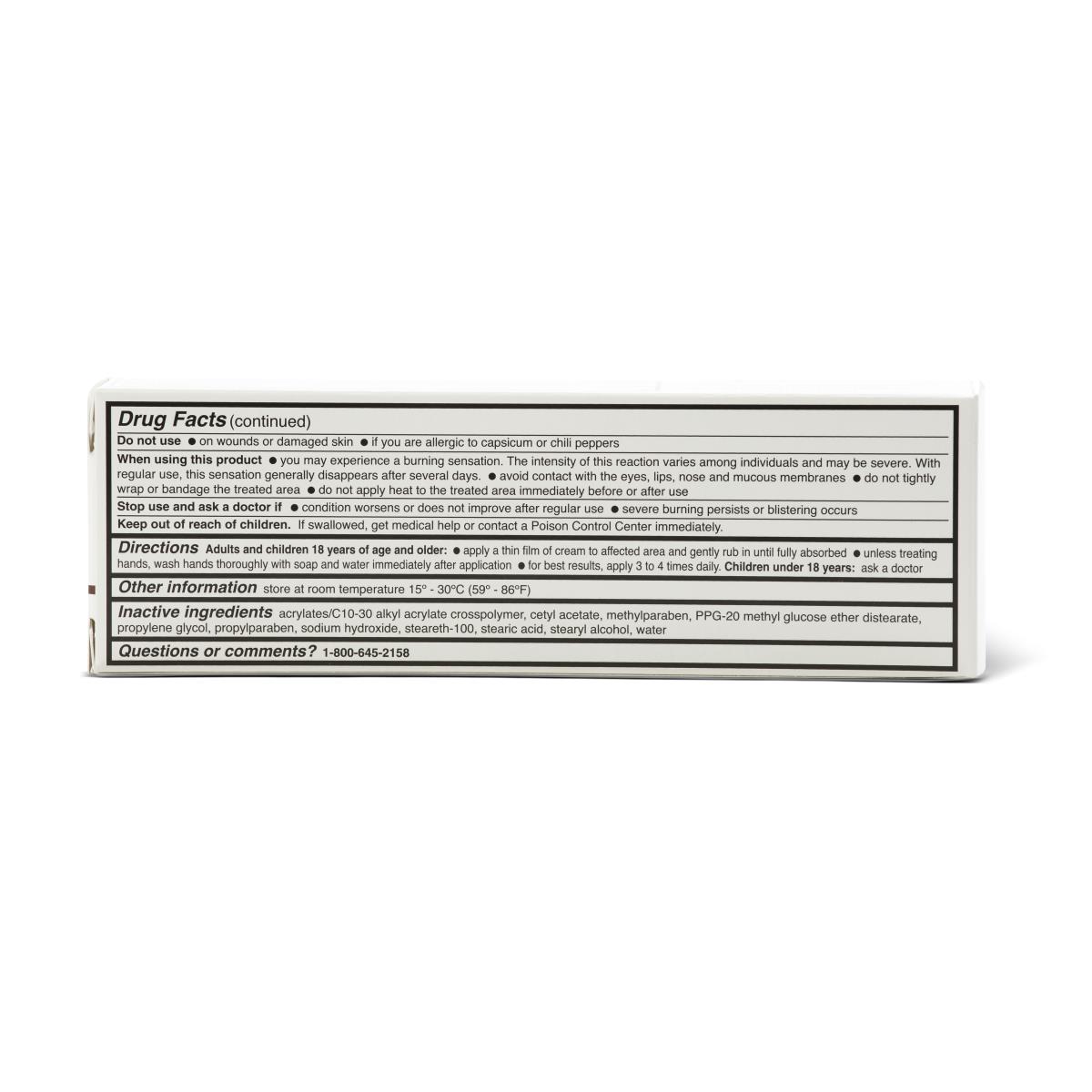
- Wash Hands Thoroughly: Before and immediately after application, wash hands with soap and water to prevent accidental transfer to sensitive areas.
- Clean and Dry Skin: Ensure the skin area is clean, dry, and free from cuts or abrasions before applying.
- Apply a Thin Layer: Squeeze a small amount of cream onto your fingertips and gently rub it into the affected area until fully absorbed. Do not apply excessively.
- Avoid Sensitive Areas: Strictly avoid contact with eyes, mouth, nostrils, genitals, and any broken, irritated, or sensitive skin. If accidental contact occurs, rinse thoroughly with cool water and seek medical attention if irritation persists.
- Do Not Bandage Tightly: Do not tightly bandage the treated area, as this can increase systemic absorption and irritation.
- Heat Application: Do not apply external heat (e.g., heating pads, hot water bottles) immediately before or after applying capsaicin cream, as this can intensify the burning sensation.
- Duration of Use: Continue using consistently for at least 2-4 weeks to assess full therapeutic benefit. Some conditions may require longer-term use under medical guidance.
- Pediatric Use: Generally not recommended for children under 18 without specific medical advice due to potential for severe irritation.
4. Risks, Side Effects, and Contraindications
While generally safe for topical use, capsaicin cream does have potential side effects and specific contraindications.
4.1. Common Side Effects
The most frequent side effects are localized and related to the TRPV1 activation:
- Burning/Stinging Sensation: This is the most common and expected side effect, especially during the first few days or weeks of use. It usually diminishes with continued application as nerve desensitization occurs.
- Erythema (Redness): Localized redness at the application site is common.
- Itching: Pruritus can occur, particularly when first starting treatment.
- Warmth: A sensation of warmth is normal.
Management of Side Effects:
* If the burning is severe or intolerable, wash the area thoroughly with soap and cool water.
* Cool compresses may help alleviate discomfort.
* Do not apply ice directly to the skin for prolonged periods.
* Consider reducing application frequency temporarily or using a lower concentration, then gradually increasing as tolerated.
4.2. Less Common Side Effects
- Skin Irritation/Rash: Persistent redness, swelling, or blistering may indicate an allergic reaction or excessive irritation, requiring discontinuation and medical advice.
- Dry Skin: Can occur with prolonged use.
- Cough/Respiratory Irritation: If inhaled, especially from hands after application, it can cause coughing or sneezing.
4.3. Contraindications
- Hypersensitivity: Known allergy or hypersensitivity to capsaicin or any component of the cream.
- Broken or Irritated Skin: Do not apply to open wounds, cuts, abraded skin, sunburned skin, or areas of active skin inflammation/rash. This can lead to severe burning and systemic absorption.
- Mucous Membranes and Eyes: Strict contraindication due to severe irritation.
- Children: Generally contraindicated for children under 12 years of age due to increased sensitivity and potential for adverse reactions. Consult a pediatrician for specific guidance.
- Concomitant Heat Application: Avoid using heating pads, hot baths, or tight bandages immediately after application, as this can significantly intensify the burning sensation and increase absorption.
4.4. Drug Interactions
Due to minimal systemic absorption, drug interactions with topical capsaicin cream are generally rare and not clinically significant.
- Other Topical Agents: Exercise caution when using other topical medications or irritating substances on the same area, as this could potentially enhance skin irritation.
- Systemic Medications: No significant known interactions with oral medications have been reported for standard topical capsaicin cream. However, patients on multiple medications should always consult their physician.
4.5. Pregnancy and Lactation Warnings
- Pregnancy Category C: Animal reproduction studies have shown an adverse effect on the fetus and there are no adequate and well-controlled studies in humans, but potential benefits may warrant use of the drug in pregnant women despite potential risks.
- Recommendation: Use during pregnancy should only be considered if the potential benefit justifies the potential risk to the fetus, and always under the direct supervision of a healthcare provider.
- Lactation: It is unknown whether capsaicin is excreted in human milk. Due to the potential for adverse effects on nursing infants, a decision should be made whether to discontinue nursing or to discontinue the drug, taking into account the importance of the drug to the mother.
- General Advice: Pregnant or breastfeeding individuals should always consult their doctor before using capsaicin cream or any new medication.
4.6. Overdose Management
Topical overdose of capsaicin cream is unlikely to cause systemic toxicity due to poor absorption.
- Symptoms of Topical Overdose: Exaggerated local burning, stinging, erythema, and potentially blistering.
- Management:
- Immediate Washing: Thoroughly wash the affected skin area with copious amounts of cool water and mild soap. Do not use hot water, as this can intensify the sensation.
- Symptomatic Relief: Apply cool compresses. Over-the-counter hydrocortisone cream (1%) may help reduce inflammation and itching if not contraindicated.
- Medical Consultation: If symptoms are severe, persistent, or if blistering occurs, seek immediate medical attention.
- Systemic Overdose: Extremely rare with topical application. If, by some unusual circumstance, a large quantity was ingested or absorbed systemically, symptoms could include gastrointestinal upset (nausea, vomiting, diarrhea), respiratory irritation, or cardiovascular effects. In such an event, immediate emergency medical care is required.
5. Massive FAQ Section
Here are some frequently asked questions about Capsaicin Cream:
Q1: How long does it take for capsaicin cream to start working?
A1: You might feel an initial burning sensation immediately, but the actual pain relief typically takes time. Most people experience noticeable improvement after 1-2 weeks of consistent, multiple-times-daily application. Full therapeutic benefit can take up to 4 weeks.
Q2: Why does capsaicin cream cause a burning sensation?
A2: The burning sensation is a normal part of how capsaicin works. It activates specific pain receptors (TRPV1) in your skin, which initially causes a feeling similar to heat or burning. With repeated use, these nerve endings become desensitized, and the burning sensation usually lessens, while the pain relief increases.
Q3: Can I use capsaicin cream on any part of my body?
A3: It is intended for external use on muscles and joints. You must avoid applying it to sensitive areas like your eyes, mouth, nose, genitals, or any broken, irritated, or sunburned skin. Always wash your hands thoroughly after application.
Q4: What should I do if the burning sensation is too intense?
A4: If the burning is severe or intolerable, immediately wash the affected area with cool water and mild soap. Do not use hot water. Applying a cool compress can also help. If irritation persists or worsens, stop using the cream and consult your doctor.
Q5: Is capsaicin cream addictive?
A5: No, capsaicin cream is not addictive. It works locally on nerve endings and does not have systemic addictive properties like some oral pain medications.
Q6: Can children use capsaicin cream?
A6: Capsaicin cream is generally not recommended for children under 12 years of age without specific medical advice from a pediatrician. Children's skin can be more sensitive, leading to increased irritation.
Q7: How often should I apply capsaicin cream?
A7: For most over-the-counter formulations, apply a thin layer to the affected area 3 to 4 times daily. Consistency is crucial for optimal results. Always follow the specific instructions on your product label or as advised by your healthcare provider.
Q8: Does capsaicin cream cure the underlying condition causing the pain?
A8: No, capsaicin cream provides symptomatic relief of pain. It does not cure the underlying condition (e.g., osteoarthritis, neuropathy). It helps manage the pain symptoms, allowing for improved function and quality of life.
Q9: Can I use capsaicin cream with other pain medications or creams?
A9: It's generally safe to use capsaicin cream with oral pain relievers. However, be cautious when using it with other topical creams, especially those that might also cause skin irritation. Always consult your doctor or pharmacist before combining topical treatments to avoid potential interactions or excessive skin irritation.
Q10: What happens if I accidentally get capsaicin cream in my eyes?
A10: If you accidentally get capsaicin cream in your eyes, immediately rinse them thoroughly with large amounts of cool water for at least 15-20 minutes. Do not rub your eyes. If irritation persists, seek immediate medical attention.
Q11: Can I cover the area with a bandage after applying capsaicin cream?
A11: You should not tightly bandage the treated area. A loose dressing or clothing is generally acceptable, but tight bandages can trap heat and increase the intensity of the burning sensation and potentially increase absorption.
Q12: Is there a prescription-strength capsaicin product?
A12: Yes, there are higher-concentration capsaicin patches (e.g., 8%) available by prescription. These are typically applied in a clinical setting by a healthcare professional for specific conditions like post-herpetic neuralgia and provide longer-lasting relief after a single application. These are different from the daily-use creams.
Q13: Does capsaicin cream have an odor?
A13: Some formulations may have a faint, characteristic chili-like odor, but many modern creams are formulated to be relatively odorless or have a mild, pleasant scent.
This comprehensive guide aims to equip you with all the necessary information to understand and utilize capsaicin cream effectively and safely for your pain management needs. Always consult with your healthcare provider for personalized medical advice.