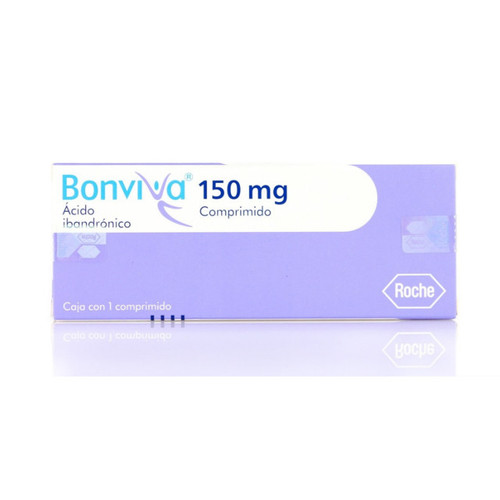
Boniva (Ibandronate): A Comprehensive Medical SEO Guide for Osteoporosis Management
Welcome to this in-depth guide on Boniva (ibandronate), a critical medication in the fight against osteoporosis. As expert Medical SEO Copywriters and Orthopedic Specialists, we aim to provide a definitive resource for patients, caregivers, and healthcare professionals seeking authoritative information on this vital therapy. Understanding Boniva's role, how it works, and its safe usage is paramount for optimizing bone health and preventing debilitating fractures.
1. Introduction & Overview of Boniva
Boniva is the brand name for ibandronate sodium, a potent bisphosphonate medication used primarily in the management of osteoporosis. Osteoporosis is a skeletal disorder characterized by compromised bone strength predisposing a person to an increased risk of fracture. It often progresses silently, with the first symptom being a painful fracture. Boniva works by helping to slow down bone loss, increase bone density, and reduce the risk of fractures, particularly in the spine.
This guide will delve into the scientific underpinnings of Boniva, from its molecular mechanism of action to its pharmacokinetic profile, ensuring a complete understanding of how this medication impacts bone metabolism. We will cover detailed indications, precise dosage guidelines, potential risks, and crucial safety considerations, including drug interactions, contraindications, and special warnings for specific patient populations.
What is Osteoporosis?
Osteoporosis literally means "porous bone." It's a condition where bones become weak and brittle, so brittle that a fall or even mild stresses like bending over or coughing can cause a fracture. These fractures most commonly occur in the hip, wrist, or spine. Bone is a living tissue that is constantly being broken down and replaced. With osteoporosis, the creation of new bone doesn't keep up with the removal of old bone.
The Role of Bisphosphonates
Bisphosphonates like ibandronate are the most commonly prescribed medications for osteoporosis. They are synthetic analogues of pyrophosphate, an endogenous bone mineralization inhibitor. Their primary action is to inhibit bone resorption by interfering with the activity of osteoclasts, the cells responsible for breaking down bone tissue.
2. Deep-Dive into Technical Specifications & Mechanisms
Understanding how Boniva works at a cellular and molecular level is crucial for appreciating its therapeutic benefits.
2.1. Mechanism of Action
Boniva (ibandronate) is a nitrogen-containing bisphosphonate. Its primary mechanism of action involves the selective inhibition of osteoclast-mediated bone resorption. Here's a breakdown:
- Bone Affinity: Ibandronate has a high affinity for hydroxyapatite crystals, the mineral component of bone. It rapidly binds to bone surfaces, particularly those undergoing active resorption.
- Osteoclast Uptake: When osteoclasts begin to resorb bone, they internalize ibandronate.
- Enzyme Inhibition: Once inside the osteoclast, ibandronate interferes with the mevalonate pathway, specifically inhibiting farnesyl pyrophosphate synthase (FPPS). This enzyme is crucial for the biosynthesis of isoprenoid lipids, which are essential for the post-translational modification (prenylation) of small GTPases (e.g., Ras, Rho, Rac).
- Osteoclast Dysfunction: Inhibition of FPPS leads to a lack of prenylated proteins, which are vital for osteoclast function, survival, and cytoskeletal integrity. This disruption impairs the osteoclast's ability to form a ruffled border and resorb bone efficiently.
- Apoptosis Promotion: Ultimately, ibandronate promotes osteoclast apoptosis (programmed cell death), leading to a reduction in the number and activity of these bone-resorbing cells.
- Net Effect: The net effect is a decrease in bone turnover, a reduction in the rate of bone loss, and a gradual increase in bone mineral density (BMD), particularly at sites prone to osteoporotic fractures such as the spine and hip.
2.2. Pharmacokinetics
The pharmacokinetic profile of ibandronate is characterized by its unique interaction with bone tissue and its elimination pathways.
Absorption:
- Oral Bioavailability: Oral ibandronate has very low absolute bioavailability, typically less than 1% of the administered dose. This is significantly affected by food, beverages (other than plain water), and certain medications.
- Food Effect: When taken with food or beverages other than plain water, the bioavailability is further reduced by approximately 90%.
- Timing: To maximize absorption, oral ibandronate must be taken on an empty stomach with plain water.
Distribution:
- Bone Sequestration: Once absorbed, ibandronate rapidly distributes to bone, where it binds strongly to hydroxyapatite. Approximately 40-50% of the absorbed dose is sequestered in bone.
- Plasma Protein Binding: In plasma, ibandronate is approximately 85-87% bound to proteins.
Metabolism:
- Ibandronate is not metabolized in humans. It is eliminated unchanged.
Elimination:
- Renal Excretion: Approximately 50% of the systemically available ibandronate is eliminated by the kidneys via glomerular filtration and tubular secretion.
- Bone Release: The remaining portion is taken up by bone and is slowly released from the bone matrix over time.
- Half-Life: The terminal elimination half-life is approximately 10-72 hours, but its pharmacodynamic effect on bone can persist for much longer due to its strong binding to bone.
3. Extensive Clinical Indications & Usage
Boniva is specifically indicated for the management of osteoporosis in postmenopausal women.
3.1. Detailed Indications
Boniva is approved for:
- Treatment of Postmenopausal Osteoporosis: This is the primary indication, aimed at increasing bone mineral density (BMD) and reducing the incidence of vertebral (spinal) fractures. Clinical trials have demonstrated its efficacy in reducing the risk of new vertebral fractures.
- Prevention of Postmenopausal Osteoporosis: For women at high risk of developing osteoporosis, Boniva can be used to prevent bone loss and maintain BMD.
It's important to note that Boniva's efficacy in reducing non-vertebral fractures has not been definitively established in all studies, although bisphosphonates as a class are generally considered to reduce overall fracture risk.
3.2. Dosage Guidelines
Boniva is available in two formulations: oral tablets and intravenous (IV) injection. Adherence to specific administration instructions is critical for efficacy and safety.
Oral Dosage:
- Formulation: 150 mg tablet
- Frequency: Once a month
- Administration Instructions (CRITICAL):
- Take on the first day of the month or on the same day each month.
- Take at least 60 minutes before the first food or drink (other than plain water) or any other oral medication or supplement (including calcium, antacids, vitamins).
- Take with a full glass (6 to 8 ounces) of plain water only. Do not use mineral water, coffee, tea, juice, or other beverages.
- Swallow the tablet whole. Do not chew, crush, or suck on the tablet.
- Remain in an upright position (sitting or standing) for at least 60 minutes after taking the dose to minimize the risk of esophageal irritation.
- Do not lie down until after your first food of the day.
- Do not eat, drink (other than plain water), or take other medications for at least 60 minutes after taking Boniva.
Intravenous (IV) Dosage:
- Formulation: 3 mg pre-filled syringe
- Frequency: Once every three months
- Administration: Administered by a healthcare professional as an intravenous injection over 15 to 30 seconds.
- Important Considerations:
- Ensure the patient is adequately hydrated before administration.
- Calcium and vitamin D supplementation are recommended for all patients receiving Boniva, regardless of formulation.
Missed Dose Management:
- Oral (Monthly):
- If the monthly dose is missed and the next scheduled dose is more than 7 days away, take one 150 mg tablet in the morning after the date it was remembered. Then return to taking the tablet once a month on the originally chosen day of the month.
- If the monthly dose is missed and the next scheduled dose is within 7 days, wait until the next scheduled dose and continue to take one tablet once a month on the originally chosen day of the month. Do not take two tablets in the same week.
- IV (Quarterly): Contact your healthcare provider to reschedule the injection as soon as possible.
Duration of Therapy:
The optimal duration of bisphosphonate therapy is an area of ongoing research. Many clinicians consider a "drug holiday" after 3-5 years of treatment, especially for patients at lower fracture risk. This decision should be made in consultation with a healthcare provider, weighing the individual patient's fracture risk, bone mineral density, and potential side effects.
4. Risks, Side Effects, and Contraindications
While Boniva is an effective treatment, it's associated with a range of potential side effects and specific contraindications that must be carefully considered.
4.1. Contraindications
Boniva is absolutely contraindicated in patients with:
- Hypocalcemia: Pre-existing hypocalcemia must be corrected before initiating Boniva therapy.
- Inability to Stand or Sit Upright for at Least 60 Minutes: Due to the risk of esophageal adverse reactions.
- Known Hypersensitivity: To ibandronate or any component of the formulation.
- Abnormalities of the Esophagus: That delay esophageal emptying, such as stricture or achalasia, which increase the risk of esophageal adverse reactions.
4.2. Warnings and Precautions
Several important warnings and precautions are associated with Boniva use:
- Upper Gastrointestinal Adverse Reactions: Oral bisphosphonates can cause local irritation of the upper gastrointestinal mucosa. Esophagitis, esophageal ulcers, and esophageal erosions, sometimes severe and requiring hospitalization, have been reported. Patients must adhere strictly to administration instructions.
- Osteonecrosis of the Jaw (ONJ): This is a rare but serious adverse event, characterized by progressive destruction and exposure of bone in the jaw. Risk factors include cancer, concomitant therapies (chemotherapy, corticosteroids), poor oral hygiene, pre-existing dental disease, invasive dental procedures (e.g., extractions), and smoking. A dental examination with preventive dentistry should be considered prior to bisphosphonate treatment in patients with concomitant risk factors.
- Atypical Femoral Fractures (AFF): Low-trauma femoral shaft fractures have been reported in patients on bisphosphonate therapy. These fractures may occur with minimal or no trauma and can be preceded by dull, aching thigh or groin pain for weeks or months. Any patient presenting with new thigh or groin pain should be evaluated for an atypical femoral fracture.
- Musculoskeletal Pain: Severe and occasionally incapacitating bone, joint, and/or muscle pain has been reported.
- Hypocalcemia: Bisphosphonates can cause transient decreases in serum calcium. Correct hypocalcemia and vitamin D deficiency prior to initiating therapy.
- Renal Impairment: Boniva is not recommended for patients with severe renal impairment (creatinine clearance < 30 mL/min) due to limited clinical experience.
- Ocular Inflammation: Cases of uveitis, scleritis, or episcleritis requiring treatment have been reported.
- Allergic Reactions: Rare cases of hypersensitivity reactions, including anaphylactic reaction/shock, have occurred.
4.3. Common Side Effects
The most frequently reported side effects include:
- Flu-like symptoms (especially with IV formulation)
- Dyspepsia (indigestion)
- Nausea, abdominal pain
- Diarrhea or constipation
- Headache
- Musculoskeletal pain (back pain, joint pain)
- Pain in extremity
- Rash
4.4. Drug Interactions
| Interacting Substance | Effect of Interaction