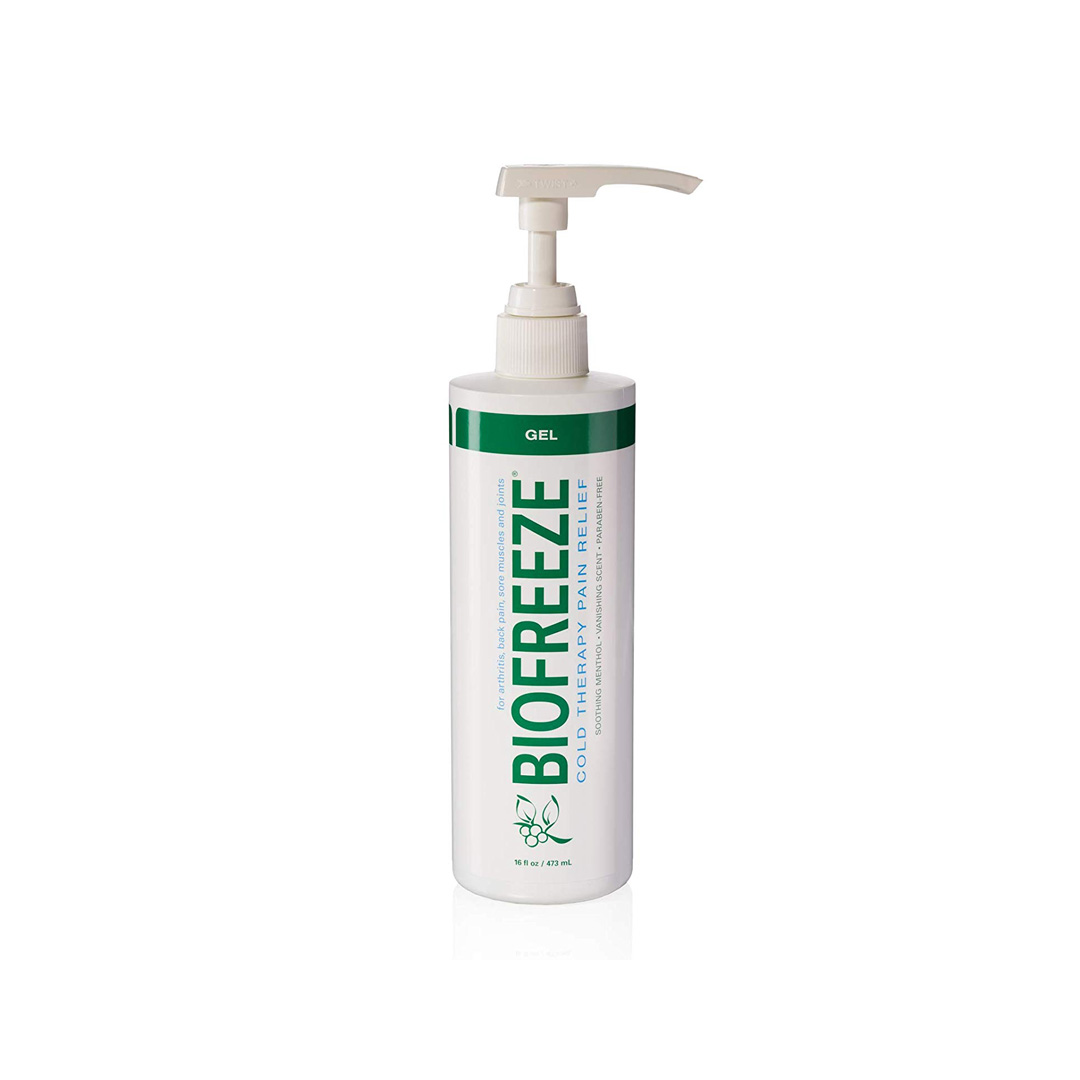
Biofreeze Gel: An Expert Orthopedic Guide to Topical Pain Management
As an expert Medical SEO Copywriter and Orthopedic Specialist, I frequently encounter patients seeking effective, accessible solutions for musculoskeletal pain. Biofreeze Gel stands out as a widely recognized and utilized topical analgesic, offering a non-pharmacological approach to pain relief that complements various therapeutic modalities. This comprehensive guide delves into the intricate details of Biofreeze Gel, providing authoritative insights into its mechanism, clinical applications, safety profile, and more.
1. Comprehensive Introduction & Overview
Biofreeze Gel is a leading topical analgesic formulated to provide temporary relief from minor aches and pains of muscles and joints associated with simple backache, arthritis, strains, bruises, and sprains. Its popularity stems from its ease of use, rapid onset of action, and the distinctive "cold therapy" sensation it imparts without the use of ice.
At its core, Biofreeze Gel utilizes the power of menthol, a natural organic compound derived from peppermint or other mint oils. Unlike oral pain medications that act systemically, Biofreeze works locally, directly at the site of pain, making it an attractive option for localized discomfort with minimal systemic side effects. It has become a staple in physical therapy clinics, chiropractic offices, athletic training rooms, and home medicine cabinets worldwide, valued for its ability to help patients manage pain and improve mobility.
2. Deep-dive into Technical Specifications / Mechanisms
Understanding how Biofreeze Gel works provides crucial insight into its efficacy and safety.
### Mechanism of Action
The primary active ingredient in Biofreeze Gel is menthol. Its analgesic effect is multifaceted and involves several neurophysiological pathways:
- TRPM8 Receptor Activation: Menthol is a selective agonist for the Transient Receptor Potential Melastatin 8 (TRPM8) receptor, also known as the "cold and menthol receptor." When applied to the skin, menthol binds to and activates these receptors. This activation sends "cold" signals to the brain, effectively distracting it from pain signals. This creates a sensation of cooling that can override or diminish the perception of pain, a phenomenon often described as the "gate control theory of pain."
- Counter-Irritant Effect: By producing a mild irritation or stimulation of nerve endings in the skin, menthol creates a sensation that diverts attention from the deeper, more severe pain. This counter-irritant effect helps to block the transmission of pain signals to the brain.
- Vasodilation and Increased Blood Flow: While initially causing a sensation of cold, menthol can also induce a mild vasodilation (widening of blood vessels) in the applied area. This increased blood flow can help to remove metabolic waste products and deliver oxygen and nutrients to the affected tissues, potentially aiding in the healing process and reducing muscle soreness.
- Mild Analgesic Properties: Beyond the counter-irritant effect, menthol may also possess direct analgesic properties by influencing pain pathways at a neuronal level, though the exact mechanisms are still subjects of ongoing research.
### Pharmacokinetics
The pharmacokinetic profile of menthol when applied topically is characterized by minimal systemic absorption, which is a key factor in Biofreeze Gel's favorable safety profile.
- Topical Absorption: When Biofreeze Gel is applied to the skin, menthol is readily absorbed through the stratum corneum (outermost layer of the skin). The extent of absorption is generally low, limiting its entry into the systemic circulation. Factors influencing absorption include skin integrity, application area size, and duration of contact.
- Distribution: Due to minimal systemic absorption, menthol largely remains localized to the superficial tissues where it is applied. Any small amounts that enter the bloodstream are rapidly distributed.
- Metabolism: Systemically absorbed menthol is primarily metabolized in the liver. The main metabolic pathway involves glucuronidation, where menthol is conjugated with glucuronic acid to form menthol glucuronide, a more water-soluble compound.
- Excretion: The menthol glucuronide conjugates, along with any unmetabolized menthol, are predominantly excreted via the kidneys in urine.
- Onset and Duration of Action: Users typically experience a rapid onset of cooling sensation and pain relief, often within minutes of application. The analgesic effect generally lasts for several hours, with individual variations depending on the severity of pain and the amount applied.
3. Extensive Clinical Indications & Usage
Biofreeze Gel's localized action and broad applicability make it a versatile tool in managing various types of musculoskeletal pain.
### Detailed Indications
Biofreeze Gel is indicated for the temporary relief of minor aches and pains associated with:
-
Musculoskeletal Pain:
- Arthritis: Especially effective for localized pain associated with osteoarthritis and acute flares of rheumatoid arthritis in joints such as knees, hands, and shoulders.
- Muscle Strains and Sprains: Common injuries from sports or daily activities, affecting muscles and ligaments. Biofreeze can alleviate pain and promote comfort during recovery.
- Back Pain: Ranging from acute lower back pain due to muscle strain to chronic non-specific backache.
- Neck Pain: Often due to muscle tension, poor posture, or minor injuries.
- Shoulder Pain: Including pain from rotator cuff strains, tendinitis, or general muscle soreness.
- Knee Pain: From overuse, minor injuries, or arthritic conditions.
- Fibromyalgia: Can provide localized symptomatic relief for tender points and generalized muscle aching.
- Tendinitis/Tendonitis: Inflammation of tendons, such as tennis elbow (lateral epicondylitis), golfer's elbow (medial epicondylitis), or Achilles tendinitis.
- Bursitis: Inflammation of the bursae, fluid-filled sacs that cushion joints.
- Bruises: Helps to alleviate the pain associated with contusions.
- Post-Exercise Soreness (DOMS): Delayed Onset Muscle Soreness after intense physical activity.
- Neuropathic Pain (Mild Cases): While not a primary treatment for severe neuropathic pain, some individuals report adjunctive relief for localized nerve pain.
-
Adjunctive Therapy: Biofreeze Gel is frequently used as an adjunct to other therapeutic interventions, enhancing patient comfort and facilitating rehabilitation:
- Physical Therapy: Applied before or after exercises to reduce pain and improve range of motion.
- Chiropractic Care: Used to soothe muscles surrounding adjusted areas.
- Massage Therapy: Can be incorporated into massage for a cooling, soothing effect.
- R.I.C.E. Protocol: Complements Rest, Ice, Compression, and Elevation for acute injuries, particularly when ice application is impractical or uncomfortable.
### Dosage Guidelines
Proper application is crucial for maximizing efficacy and ensuring safety.
- Adults and Children 2 years of age and older:
- Apply a thin layer to the affected area not more than 3 to 4 times daily.
- Gently massage into the skin until thoroughly absorbed.
- Wash hands thoroughly with soap and water after each application to prevent accidental contact with eyes or mucous membranes.
- Children under 2 years of age:
- Consult a physician before use. Menthol can be irritating and potentially harmful if absorbed in young children.
- Special Considerations:
- Do not apply to wounds, damaged skin, or mucous membranes.
- Avoid tight bandages over the treated area.
- Do not use with a heating pad or external heat, as this can increase absorption and risk of skin irritation or burns.
- Discontinue use and consult a doctor if the condition worsens, symptoms persist for more than 7 days, or clear up and occur again within a few days, or if excessive skin irritation develops.
4. Risks, Side Effects, or Contraindications
While generally safe, it's important to be aware of potential risks and situations where Biofreeze Gel should not be used.
### Contraindications
- Hypersensitivity: Individuals with a known allergy or hypersensitivity to menthol, isopropyl alcohol, or any other ingredients in Biofreeze Gel should avoid its use.
- Broken or Damaged Skin: Application to open wounds, cuts, abrasions, or severely irritated skin is contraindicated due to the risk of increased irritation, pain, and potentially higher systemic absorption.
- Mucous Membranes and Eyes: Biofreeze Gel should never be applied near the eyes, mouth, nose, or other mucous membranes, as it can cause severe irritation and a burning sensation.
- Children Under 2 Years: The use of menthol-containing products in very young children is generally discouraged without medical consultation due to the potential for respiratory distress or central nervous system effects with higher absorption.
- Concurrent Heat Application: Do not use Biofreeze Gel with heating pads, hot water bottles, or other external heat sources. The combination can lead to severe skin irritation, burns, or an increased rate of absorption.
### Potential Side Effects
Side effects are generally mild and localized due to the topical nature of the product.
- Local Skin Reactions:
- Redness (Erythema): A common, usually transient, reaction.
- Irritation/Itching: Mild sensations that typically subside.
- Rash: Less common, but can occur, especially in sensitive individuals.
- Burning/Stinging Sensation: While a cooling sensation is expected, an excessive or prolonged burning sensation may indicate irritation or hypersensitivity.
- Allergic Reactions (Rare):
- In rare cases, more severe allergic reactions may occur, including hives, swelling (angioedema), or difficulty breathing. Immediate medical attention is required if these symptoms develop.
- Systemic Effects (Extremely Rare):
- Due to minimal systemic absorption, systemic side effects are exceedingly rare. However, if very large quantities are applied over extensive areas of broken skin, or if accidentally ingested (especially by children), menthol can lead to systemic toxicity. Symptoms could include nausea, vomiting, abdominal pain, drowsiness, ataxia, or even seizures.
### Drug Interactions
Given its minimal systemic absorption, Biofreeze Gel has a very low potential for significant drug interactions with orally administered medications.
- Topical Interactions: It is generally advisable to avoid applying other topical analgesics or medicated creams concurrently on the exact same skin area without consulting a healthcare professional. This is primarily to prevent additive skin irritation rather than systemic drug interactions.
- No Known Significant Systemic Drug Interactions: There are no well-documented or clinically significant systemic drug interactions with Biofreeze Gel's menthol component.
### Pregnancy and Lactation Warnings
- Pregnancy: Data on the use of menthol-containing topical products during human pregnancy are limited. While systemic absorption is minimal, caution is generally advised. Pregnant individuals should consult their physician before using Biofreeze Gel to weigh the potential benefits against any theoretical risks.
- Lactation (Breastfeeding): It is unknown whether menthol or its metabolites are excreted in human breast milk. Due to the lack of definitive data, nursing mothers should also consult their physician prior to use. If used, care should be taken to avoid applying the product to the breast area to prevent accidental ingestion by the infant.
### Overdose Management
- Topical Overdose: Applying an excessive amount of Biofreeze Gel topically is unlikely to cause severe systemic effects due to poor absorption. However, it can lead to increased local skin irritation, redness, or a pronounced burning sensation.
- Management: If excessive irritation occurs, wash the affected skin area thoroughly with soap and cool water.
- Accidental Ingestion: Accidental ingestion, particularly by children, is the most significant concern for overdose. Even small amounts of menthol can be toxic to young children.
- Symptoms of Ingestion: Can include nausea, vomiting, abdominal pain, diarrhea, drowsiness, ataxia (lack of muscle coordination), and in severe cases, central nervous system depression or seizures.
- Management: Seek immediate medical attention or contact a poison control center (e.g., 1-800-222-1222 in the US) without delay. Do not induce vomiting unless specifically instructed by a healthcare professional. Treatment is symptomatic and supportive, focusing on managing symptoms and ensuring vital functions.
5. Massive FAQ Section
Here are answers to frequently asked questions about Biofreeze Gel, compiled from an orthopedic perspective:
### Q1: What is the main active ingredient in Biofreeze Gel?
A1: The primary active ingredient in Biofreeze Gel is menthol, typically found in concentrations ranging from 3% to 10% depending on the specific product formulation. Menthol is a natural organic compound derived from mint plants.
### Q2: How does Biofreeze Gel work to relieve pain?
A2: Biofreeze Gel works through a counter-irritant mechanism. Menthol activates specific cold receptors (TRPM8) in the skin, creating a cooling sensation that distracts the brain from pain signals. This "gate control" effect helps to reduce the perception of pain, providing temporary relief. It also may cause mild vasodilation, increasing local blood flow.
### Q3: Can Biofreeze Gel be used for arthritis pain?
A3: Yes, Biofreeze Gel is a popular choice for relieving minor aches and pains associated with arthritis, particularly osteoarthritis and localized flares of rheumatoid arthritis. Its topical application allows for direct targeting of painful joints like knees, hands, and shoulders.
### Q4: How often can I apply Biofreeze Gel?
A4: For adults and children 2 years of age and older, Biofreeze Gel can be applied to the affected area not more than 3 to 4 times daily. It's important to apply a thin layer and gently massage it in. Always wash your hands thoroughly after application.
### Q5: Are there any side effects of using Biofreeze Gel?
A5: Side effects are generally mild and localized. They may include temporary skin redness, irritation, itching, or a burning/stinging sensation at the application site. Severe allergic reactions (hives, swelling, difficulty breathing) are rare but require immediate medical attention.
### Q6: Can I use Biofreeze Gel on broken skin or open wounds?
A6: No, Biofreeze Gel should never be applied to broken skin, open wounds, cuts, or severely irritated skin. This can lead to increased irritation, pain, and potentially greater systemic absorption of menthol.
### Q7: Is Biofreeze Gel safe to use during pregnancy or breastfeeding?
A7: Due to limited data on menthol's effects during pregnancy and lactation, caution is advised. While systemic absorption is minimal, it is recommended that pregnant or breastfeeding individuals consult their physician before using Biofreeze Gel.
### Q8: Can Biofreeze Gel interact with other medications?
A8: Biofreeze Gel has a very low potential for significant drug interactions with oral medications because its systemic absorption is minimal. However, it's generally best to avoid applying other topical medicated products to the same area simultaneously to prevent additive skin irritation.
### Q9: What should I do if I accidentally ingest Biofreeze Gel?
A9: Accidental ingestion, especially by children, can be serious. If Biofreeze Gel is swallowed, seek immediate medical attention or contact a poison control center (e.g., 1-800-222-1222 in the US) without delay. Do not induce vomiting unless advised by a healthcare professional.
### Q10: Can children use Biofreeze Gel?
A10: Biofreeze Gel is generally considered safe for children 2 years of age and older, with careful application and supervision. However, for children under 2 years old, you must consult a physician before use, as menthol can pose risks to very young children.
### Q11: How long does the pain relief from Biofreeze Gel last?
A11: The pain relief provided by Biofreeze Gel typically lasts for several hours, often between 3 to 6 hours, though this can vary depending on the individual, the severity of the pain, and the amount applied. Reapplication is possible up to 3-4 times daily.
### Q12: Is Biofreeze Gel an anti-inflammatory?
A12: Biofreeze Gel's primary mechanism is pain relief through its counter-irritant and cooling effects. While it may indirectly aid in reducing discomfort associated with inflammation by improving local blood flow, it is not classified as a direct anti-inflammatory drug like NSAIDs (e.g., ibuprofen). Its main role is symptomatic pain management.