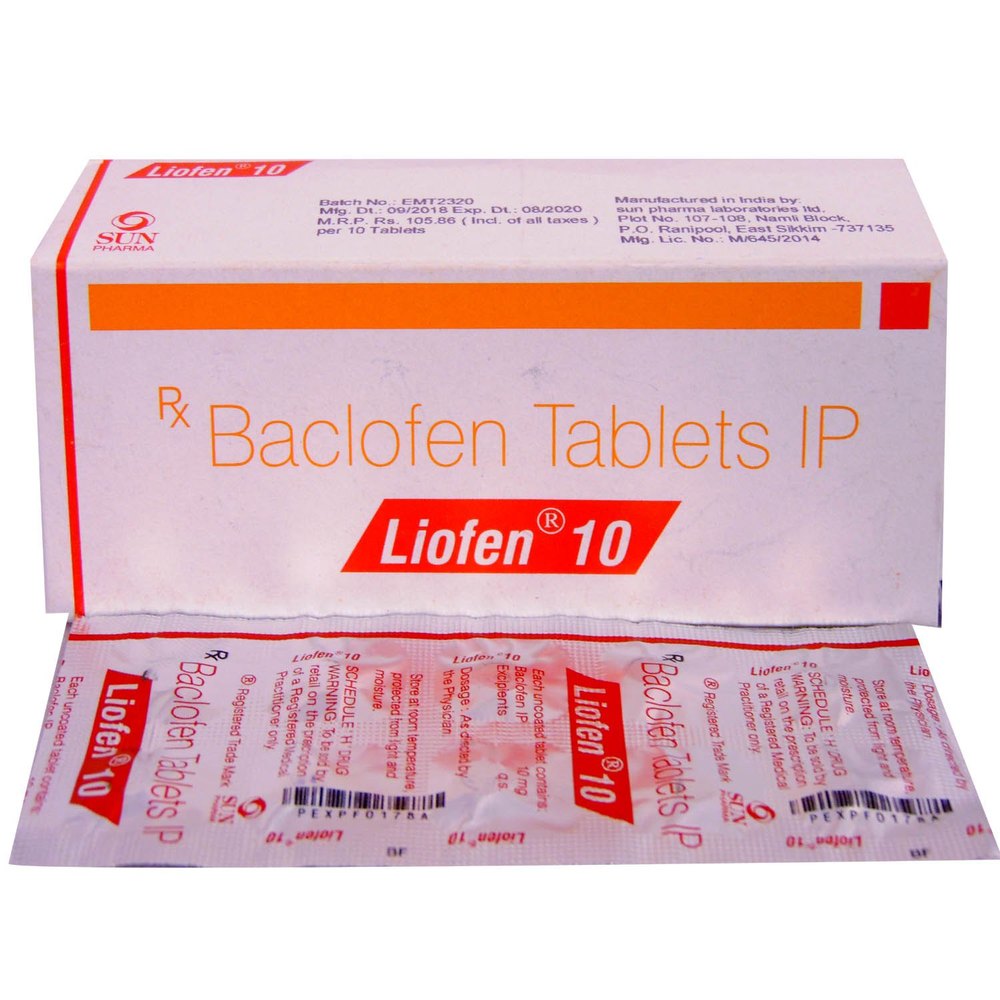
Baclofen: A Comprehensive Medical Guide for Spasticity Management
Baclofen is a widely recognized and indispensable medication primarily used to manage spasticity, a debilitating neurological condition characterized by increased muscle tone, stiffness, and involuntary muscle spasms. As an expert in orthopedic care and medical pharmacology, understanding Baclofen's intricate mechanisms, precise applications, and potential risks is paramount for optimizing patient outcomes. This exhaustive guide provides an authoritative deep-dive into Baclofen, covering its scientific underpinnings, clinical applications, safety profile, and practical considerations.
Introduction to Baclofen
Baclofen, a gamma-aminobutyric acid (GABA) derivative, acts as a central nervous system depressant. It was first synthesized in 1962 and initially investigated as an antiepileptic agent before its potent antispasticity properties were discovered. It is available in oral tablet form and as an injectable solution for intrathecal administration, offering flexible treatment options tailored to the severity and nature of spasticity.
Spasticity often results from damage to the brain or spinal cord, disrupting the normal balance of excitatory and inhibitory signals to muscles. Conditions like multiple sclerosis (MS), spinal cord injury (SCI), cerebral palsy, and stroke are common culprits. By effectively reducing muscle hypertonicity and the frequency of painful spasms, Baclofen significantly improves patient comfort, mobility, and overall quality of life, facilitating rehabilitation efforts and daily activities.
Deep Dive into Technical Specifications and Mechanisms
Understanding how Baclofen works at a molecular level is crucial for appreciating its therapeutic effects.
Mechanism of Action (MoA)
Baclofen's primary mechanism of action involves agonizing, or activating, the GABA-B receptors located presynaptically and postsynaptically within the spinal cord.
- GABA-B Receptor Agonism: Baclofen is a selective agonist for the GABA-B receptors. GABA (gamma-aminobutyric acid) is the primary inhibitory neurotransmitter in the central nervous system.
- Presynaptic Inhibition: When Baclofen activates presynaptic GABA-B receptors, it inhibits the release of excitatory neurotransmitters (like glutamate and aspartate) from primary afferent nerve terminals in the spinal cord. This reduces the excitability of motor neurons.
- Postsynaptic Inhibition: Activation of postsynaptic GABA-B receptors leads to an increase in potassium conductance (efflux of K+ ions) and a decrease in calcium conductance (influx of Ca2+ ions) in the neuron. This results in hyperpolarization of the neuronal membrane, making the neuron less excitable and less likely to fire an action potential.
- Reduced Polysynaptic Reflexes: The net effect of these actions is a decrease in the transmission of monosynaptic and polysynaptic reflexes at the spinal cord level. This translates to reduced muscle tone, fewer involuntary spasms, and relief from pain associated with spasticity.
- Central Action: While its primary site of action is the spinal cord, Baclofen also exerts some effects on supraspinal centers, contributing to its overall CNS depressant properties and potential for sedation.
Pharmacokinetics
The pharmacokinetic profile of Baclofen varies significantly between oral and intrathecal administration, influencing its onset, duration, and systemic effects.
Oral Baclofen Pharmacokinetics:
- Absorption: Rapidly and extensively absorbed from the gastrointestinal tract. Peak plasma concentrations are typically reached within 2-3 hours after an oral dose.
- Bioavailability: Approximately 70-85%.
- Distribution: Distributes widely throughout the body, but only a small amount crosses the blood-brain barrier. This limited CNS penetration necessitates higher oral doses to achieve therapeutic concentrations in the spinal cord, leading to more systemic side effects.
- Protein Binding: Low, approximately 30%.
- Metabolism: Minimally metabolized in the liver (about 15%) via deamination. The main metabolite is β-(p-chlorophenyl)-γ-hydroxybutyric acid, which is inactive.
- Elimination: Primarily excreted unchanged by the kidneys (70-80%) within 72 hours.
- Half-life: The elimination half-life is approximately 3.5 to 4 hours.
Intrathecal Baclofen Pharmacokinetics:
- Administration: Directly delivered into the subarachnoid space via a surgically implanted pump and catheter system.
- Distribution: Distributes directly into the cerebrospinal fluid (CSF), bypassing the blood-brain barrier. This allows for much lower doses to achieve therapeutic concentrations at the spinal cord, minimizing systemic side effects.
- Onset of Action: Rapid, typically within 30-60 minutes after a bolus dose, and sustained with continuous infusion.
- Elimination: Cleared from the CSF via bulk flow and absorption into the systemic circulation.
- Half-life: The half-life in the CSF is longer than in plasma, allowing for sustained effects.
Extensive Clinical Indications & Usage
Baclofen is indicated for the management of spasticity arising from various neurological conditions. Its route of administration is chosen based on the severity of spasticity, patient response, and tolerance to oral therapy.
Detailed Indications
Oral Baclofen:
- Spasticity resulting from Multiple Sclerosis (MS): Effective in reducing flexor spasms, concomitant pain, clonus, and muscular rigidity.
- Spasticity resulting from Spinal Cord Injuries (SCI): Helps alleviate muscle spasms, pain, and stiffness associated with traumatic or non-traumatic spinal cord lesions.
- Other Spinal Cord Diseases: May be used for spasticity associated with conditions like amyotrophic lateral sclerosis (ALS) or other degenerative spinal conditions, though often off-label for these specific uses.
- Cerebral Palsy (Off-label): While not officially FDA-approved for cerebral palsy in oral form, it is frequently used off-label, especially in children, to manage generalized spasticity when other treatments are insufficient.
Intrathecal Baclofen (ITB) Therapy:
Intrathecal Baclofen is reserved for patients with severe, intractable spasticity who have not responded adequately to oral Baclofen or other antispasticity agents, or who experience intolerable side effects at effective oral doses.
- Severe Spasticity of Spinal Origin:
- Multiple Sclerosis (MS): For patients with severe, chronic spasticity.
- Spinal Cord Injury (SCI): For severe spasticity leading to significant functional impairment or pain.
- Severe Spasticity of Cerebral Origin:
- Cerebral Palsy (CP): For children and adults with severe spasticity originating from cerebral causes, especially when oral medications are ineffective or cause intolerable side effects.
- Stroke and Traumatic Brain Injury (TBI): For chronic, severe spasticity post-stroke or TBI.
Patient Selection for ITB: A rigorous screening process, including a test dose of intrathecal Baclofen, is crucial to determine responsiveness and identify suitable candidates for pump implantation.
Dosage Guidelines
Dosage must be individualized and carefully titrated to achieve the desired therapeutic effect with minimal side effects.
Oral Baclofen Dosage:
- Initial Dose: Typically 5 mg orally three times a day (TID).
- Titration: The dose is gradually increased by 5 mg increments every 3 days as needed, up to a maximum of 20 mg TID or QID.
- Maintenance Dose: Usually ranges from 30 mg to 80 mg per day in divided doses.
- Maximum Recommended Dose: Generally 80 mg per day, though some patients may tolerate up to 100 mg per day under strict medical supervision.
- Discontinuation: Should be tapered gradually over 1-2 weeks to avoid withdrawal symptoms.
Table 1: Oral Baclofen Dosing Schedule (Example)
| Day/Week | Morning (mg) | Midday (mg) | Evening (mg) | Total Daily Dose (mg) |
|---|---|---|---|---|
| Day 1-3 | 5 | 5 | 5 | 15 |
| Day 4-6 | 10 | 5 | 5 | 20 |
| Day 7-9 | 10 | 10 | 5 | 25 |
| Day 10-12 | 10 | 10 | 10 | 30 |
| ... | ... | ... | ... | ... |
| Max | 20 | 20 | 20 or 10 | 80-100 |
Intrathecal Baclofen (ITB) Dosage:
ITB therapy requires specialized management by healthcare professionals experienced in pump implantation and programming.
- Test Dose: A single bolus injection of 25 mcg, 50 mcg, or 75 mcg into the intrathecal space to assess patient response. A positive response indicates a significant decrease in muscle tone and frequency/severity of spasms.
- Initial Continuous Dose:
- For patients responding to 50 mcg test dose: Start with 100-150 mcg/day.
- For patients responding to 75 mcg test dose: Start with 150-200 mcg/day.
- Administered via continuous infusion pump.
- Titration: After the initial 24-hour period, the daily dose can be increased by 10-30% once every 24 hours, until the desired clinical effect is achieved. Increments should be smaller (10-15%) for cerebral spasticity.
- Maintenance Dose: Highly variable, ranging from 12 mcg/day to 2000 mcg/day, with an average of 300-800 mcg/day for spinal spasticity and 90-700 mcg/day for cerebral spasticity.
- Refills: The pump reservoir requires regular refills, typically every 1-3 months, depending on the dose and reservoir volume.
- Discontinuation: Abrupt discontinuation of ITB can lead to a severe and potentially life-threatening withdrawal syndrome. It must be tapered slowly under medical supervision.
Risks, Side Effects, and Contraindications
Like all medications, Baclofen carries potential risks and side effects. Patient education and careful monitoring are essential.
Common Side Effects
Many side effects are dose-dependent and may diminish with continued therapy.
- Central Nervous System (CNS):
- Drowsiness, sedation (most common)
- Dizziness, lightheadedness
- Weakness, fatigue
- Headache
- Insomnia, nightmares
- Confusion, disorientation
- Ataxia (impaired coordination)
- Gastrointestinal:
- Nausea, vomiting
- Constipation, diarrhea
- Dry mouth
- Cardiovascular:
- Hypotension (low blood pressure)
- Palpitations
- Genitourinary:
- Urinary frequency, retention
- Erectile dysfunction
- Other:
- Muscle pain
- Rash, pruritus (itching)
- Sweating
Serious Side Effects and Warnings
- Withdrawal Syndrome (Oral & Intrathecal): Abrupt discontinuation, especially of high doses or intrathecal therapy, can lead to severe withdrawal symptoms including:
- Exaggerated rebound spasticity
- Hallucinations, paranoia, psychosis
- Seizures
- High fever, muscle rigidity (similar to neuroleptic malignant syndrome)
- Rhabdomyolysis
- Multiple organ failure and death.
- Management: Reinstitute Baclofen at the previous dose or a higher dose, and slowly taper. Supportive care is crucial.
- CNS Depression: Baclofen can cause significant CNS depression, impairing mental and physical abilities. Patients should be cautioned against driving or operating heavy machinery.
- Seizures: While Baclofen can be used in patients with epilepsy, it may lower the seizure threshold in some individuals. Caution is advised.
- Overdose: Can lead to profound CNS depression, respiratory depression, coma, and seizures (detailed below).
- Intrathecal Specific Risks:
- Catheter-related complications: Infection, dislodgement, kinking, breakage.
- Pump malfunction: Mechanical failure, empty reservoir.
- Meningitis: Rare but serious infection.
- CSF leakage: Can cause headaches.
Contraindications
- Hypersensitivity: Known hypersensitivity to Baclofen or any component of the formulation.
- Intrathecal Specific: Intravenous administration of intrathecal Baclofen is contraindicated. Patients with a known infection should not undergo pump implantation.
Precautions
- Renal Impairment: Baclofen is primarily renally excreted. Dose reduction is necessary in patients with impaired kidney function to prevent accumulation and toxicity.
- Hepatic Impairment: Use with caution, though metabolism is minimal.
- Epilepsy/Seizure Disorders: May exacerbate seizures in some patients.
- Psychotic Disorders: May worsen psychotic symptoms.
- Peptic Ulcer Disease: Use with caution.
- Hypertonia/Spasticity necessary for posture/balance: Baclofen can reduce muscle tone to an extent that impairs a patient's ability to maintain posture or ambulate. Careful assessment is required.
- Elderly Patients: More susceptible to CNS side effects; lower starting doses and slower titration are recommended.
Drug Interactions
- CNS Depressants: Concurrent use with alcohol, benzodiazepines, opioids, tricyclic antidepressants (TCAs), antihistamines, or other sedatives can potentiate CNS depression, leading to increased drowsiness, sedation, and respiratory depression.
- Antihypertensive Agents: Baclofen may cause a further reduction in blood pressure when co-administered with antihypertensive medications.
- Tricyclic Antidepressants (TCAs): Concomitant use with Baclofen has been reported to cause enhanced muscle hypotonia.
- Levodopa/Carbidopa: Exacerbation of parkinsonian symptoms has been reported in patients taking both drugs.
- MAO Inhibitors: Use with caution, theoretical risk of increased CNS effects.
Pregnancy and Lactation Warnings
- Pregnancy Category C: Animal studies have shown adverse effects on the fetus (e.g., omphalocele, incomplete sternal ossification) at doses higher than therapeutic human doses. There are no adequate and well-controlled studies in pregnant women. Baclofen should be used during pregnancy only if the potential benefit justifies the potential risk to the fetus.
- Lactation: Baclofen is excreted in human milk in small, clinically insignificant amounts. However, caution should be exercised when Baclofen is administered to a nursing woman. The benefits of breastfeeding should be weighed against the potential risks to the infant.
Overdose Management
Baclofen overdose can be serious and potentially life-threatening.
Symptoms of Overdose:
- Central Nervous System:
- Profound drowsiness, somnolence
- Dizziness, lightheadedness
- Confusion, disorientation
- Hyporeflexia (diminished reflexes)
- Muscle hypotonia (flaccidity)
- Respiratory depression, apnea (cessation of breathing)
- Coma
- Seizures (especially in children or individuals with pre-existing seizure disorders)
- Cardiovascular:
- Bradycardia (slow heart rate)
- Hypotension (low blood pressure)
- Other:
- Hypothermia (low body temperature)
- Vomiting
- Pupil constriction or dilation
Treatment of Overdose:
There is no specific antidote for Baclofen overdose. Management is primarily supportive and symptomatic.
- Airway Management: Ensure a patent airway. Endotracheal intubation and mechanical ventilation may be necessary if respiratory depression is severe.
- Gastric Decontamination: For oral overdose, consider activated charcoal if ingested within 1-2 hours and the patient is conscious and can protect their airway. Gastric lavage may be considered in severe cases.
- Supportive Care:
- Maintain stable vital signs (blood pressure, heart rate, temperature).
- Administer intravenous fluids for hypotension.
- Monitor cardiac function with ECG.
- Closely observe neurological status.
- Seizure Management: If seizures occur, administer benzodiazepines (e.g., lorazepam, diazepam) intravenously.
- Physostigmine (Consideration): While not routinely recommended, physostigmine, a cholinesterase inhibitor, has been reported to transiently reverse some CNS effects of Baclofen overdose in isolated cases. Its use is controversial and should only be considered by specialists in a critical care setting due to potential adverse effects.
- Renal Elimination: Since Baclofen is primarily renally excreted, maintaining adequate urine output is important. Hemodialysis is generally not effective for Baclofen removal due to its low protein binding and small volume of distribution, but it might be considered in severe renal failure or massive overdose.
Frequently Asked Questions (FAQ) About Baclofen
Q1: What is Baclofen primarily used for?
A1: Baclofen is primarily used to treat spasticity, a condition characterized by muscle stiffness, spasms, and tightness, often caused by neurological conditions like multiple sclerosis, spinal cord injury, cerebral palsy, and stroke. It helps reduce muscle tone and the frequency of painful spasms.
Q2: How does Baclofen work to reduce spasticity?
A2: Baclofen works by acting on GABA-B receptors in the spinal cord. It increases the activity of inhibitory neurotransmitters, which reduces the excitability of nerve cells that control muscles. This leads to decreased muscle tone and fewer spasms.
Q3: What is the difference between oral and intrathecal Baclofen?
A3: Oral Baclofen is taken by mouth and is absorbed systemically. Intrathecal Baclofen is delivered directly into the spinal fluid via a surgically implanted pump and catheter. Intrathecal delivery allows for much lower doses to reach the spinal cord, minimizing systemic side effects, and is typically reserved for severe, intractable spasticity unresponsive to oral therapy.
Q4: Can Baclofen be stopped suddenly?
A4: No, Baclofen should never be stopped suddenly, especially if you're on high doses or intrathecal therapy. Abrupt discontinuation can lead to a severe and potentially life-threatening withdrawal syndrome, including exaggerated spasticity, hallucinations, seizures, high fever, and even death. Doses must be tapered gradually under medical supervision.
Q5: What are the most common side effects of Baclofen?
A5: Common side effects include drowsiness, dizziness, weakness, fatigue, headache, nausea, and insomnia. These side effects are often dose-dependent and may lessen over time as your body adjusts to the medication.
Q6: Can Baclofen interact with other medications?
A6: Yes, Baclofen can interact with other medications. It can increase the sedative effects of other CNS depressants like alcohol, benzodiazepines, opioids, and certain antihistamines. It may also interact with antihypertensive drugs, potentially lowering blood pressure further. Always inform your doctor about all medications and supplements you are taking.
Q7: Is Baclofen safe during pregnancy or breastfeeding?
A7: Baclofen is a Pregnancy Category C drug, meaning animal studies have shown potential risks to the fetus. It should only be used during pregnancy if the potential benefits outweigh the potential risks. Small amounts are excreted in breast milk, so caution is advised for nursing mothers. Discuss the risks and benefits with your healthcare provider.
Q8: How long does it take for oral Baclofen to start working?
A8: The effects of oral Baclofen are usually noticed within 1-2 hours after taking a dose, with peak effects occurring around 2-3 hours. However, finding the optimal dose and achieving significant relief from spasticity often requires a gradual titration process over several days or weeks.
Q9: What should I do if I miss a dose of Baclofen?
A9: If you miss a dose of oral Baclofen, take it as soon as you remember, unless it's almost time for your next scheduled dose. In that case, skip the missed dose and continue with your regular dosing schedule. Do not double up on doses to make up for a missed one. For intrathecal Baclofen, pump adjustments are typically managed by your healthcare provider.
Q10: Can Baclofen be used for muscle spasms not related to spasticity?
A10: While Baclofen is effective for spasticity, it is not typically the first-line treatment for general muscle spasms (e.g., from muscle strains or injuries) that are not associated with neurological conditions. Other muscle relaxants or pain relievers may be more appropriate for those types of spasms. Its use should be guided by a physician.
Q11: How is intrathecal Baclofen therapy managed long-term?
A11: Intrathecal Baclofen therapy involves a surgically implanted pump that continuously delivers Baclofen into the spinal fluid. Long-term management includes regular pump refills (typically every 1-3 months), dose adjustments based on patient response and evolving spasticity, and monitoring for pump-related complications or infections. Patients require close follow-up with their medical team.
Q12: What are the signs of Baclofen overdose?
A12: Signs of Baclofen overdose include severe drowsiness, dizziness, confusion, muscle weakness, slow or shallow breathing, low blood pressure, slow heart rate, and potentially seizures or coma. If an overdose is suspected, seek immediate emergency medical attention.
By adhering to these guidelines and maintaining open communication with healthcare providers, patients utilizing Baclofen can optimize their treatment outcomes and significantly improve their quality of life in the face of challenging spasticity.