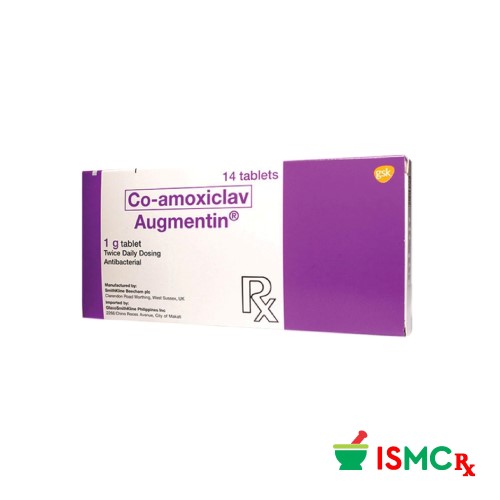
Augmentin: A Comprehensive Medical SEO Guide for Patients and Professionals
Comprehensive Introduction & Overview
Augmentin, a widely recognized and prescribed antibiotic, represents a significant advancement in the fight against bacterial infections. It is a combination medication comprising two active ingredients: amoxicillin and clavulanic acid. Amoxicillin is a penicillin-class antibiotic, known for its broad spectrum of activity against many common bacteria. However, some bacteria have developed resistance to amoxicillin and similar antibiotics by producing enzymes called beta-lactamases, which destroy the antibiotic before it can act. This is where clavulanic acid plays its crucial role. Clavulanic acid is a beta-lactamase inhibitor that protects amoxicillin from degradation, thereby extending its antibacterial spectrum to include many resistant strains.
As an expert Medical SEO Copywriter and Orthopedic Specialist, I understand the critical importance of effective antibiotic therapy, especially in conditions that can affect bone and joint health. Augmentin's enhanced spectrum makes it a go-to choice for a variety of infections, including those frequently encountered in orthopedic practice, such as certain skin and soft tissue infections, and even some bone and joint infections when susceptibility is confirmed or highly suspected. This guide aims to provide an exhaustive overview of Augmentin, covering its technical specifications, clinical applications, safety profile, and practical considerations for both patients and healthcare providers. Understanding this medication thoroughly is key to its appropriate and effective use, ensuring optimal patient outcomes while minimizing the risks of resistance and adverse effects.
Deep-Dive into Technical Specifications / Mechanisms
Mechanism of Action
The synergistic action of amoxicillin and clavulanic acid is the cornerstone of Augmentin's efficacy.
-
Amoxicillin: This component is a semi-synthetic penicillin antibiotic. Its primary mechanism involves interfering with bacterial cell wall synthesis.
- Target: Amoxicillin binds to specific proteins called penicillin-binding proteins (PBPs), which are located in the bacterial cell membrane. PBPs are crucial enzymes involved in the final stages of peptidoglycan synthesis, a vital component of the bacterial cell wall.
- Inhibition: By binding to PBPs, amoxicillin inhibits the transpeptidation reaction, preventing the cross-linking of peptidoglycan strands. This weakens the bacterial cell wall.
- Result: The compromised cell wall leads to increased osmotic pressure within the bacterium, ultimately causing cell lysis and death. This makes amoxicillin a bactericidal agent.
-
Clavulanic Acid: This component is a potent, irreversible beta-lactamase inhibitor.
- Target: Clavulanic acid has a high affinity for a wide range of beta-lactamase enzymes produced by many Gram-positive and Gram-negative bacteria. These enzymes are responsible for hydrolyzing the beta-lactam ring of antibiotics like amoxicillin, rendering them inactive.
- Inhibition: Clavulanic acid binds covalently to the active site of beta-lactamase enzymes, forming a stable complex that irreversibly inactivates them. This "sacrificial" inhibition protects amoxicillin from enzymatic degradation.
- Result: With beta-lactamase enzymes neutralized, amoxicillin can effectively reach and bind to its PBP targets, restoring its antibacterial activity against resistant strains. Clavulanic acid itself possesses weak antibacterial activity, but its primary role is to enhance amoxicillin's potency.
Together, this combination broadens the spectrum of Augmentin to include many beta-lactamase-producing bacteria that would otherwise be resistant to amoxicillin alone.
Pharmacokinetics
Understanding how Augmentin is absorbed, distributed, metabolized, and excreted is vital for appropriate dosing and management.
-
Absorption:
- Both amoxicillin and clavulanic acid are well absorbed from the gastrointestinal tract after oral administration.
- Absorption is generally rapid and nearly complete.
- Taking Augmentin at the start of a meal can enhance absorption of clavulanic acid and minimize potential gastrointestinal upset.
- Peak plasma concentrations are typically reached within 1-2 hours.
-
Distribution:
- Both components are widely distributed throughout the body into various tissues and fluids, including the lungs, middle ear fluid, pleural and peritoneal fluids, bile, and urine.
- Penetration into the cerebrospinal fluid (CSF) is poor unless the meninges are inflamed.
- Plasma protein binding is relatively low for both amoxicillin (approximately 17-20%) and clavulanic acid (approximately 25%).
-
Metabolism:
- Amoxicillin: Undergoes limited metabolism in the body; a significant portion is excreted unchanged.
- Clavulanic Acid: Is more extensively metabolized. It undergoes hydrolysis and decarboxylation, with several metabolites identified.
-
Excretion:
- The primary route of elimination for both amoxicillin and clavulanic acid is renal excretion.
- Both are eliminated via glomerular filtration and active tubular secretion.
- Approximately 60-70% of amoxicillin and 40-65% of clavulanic acid are excreted unchanged in the urine within the first 6 hours after administration.
- Half-life: The elimination half-life for both components is short, typically around 1 to 1.5 hours, necessitating multiple daily doses.
- Renal Impairment: Due to its significant renal excretion, dosage adjustments are crucial in patients with impaired renal function to prevent accumulation and potential toxicity. Hemodialysis can remove both components from the blood.
Extensive Clinical Indications & Usage
Augmentin's broad spectrum of activity, particularly against beta-lactamase-producing strains, makes it a valuable antibiotic for treating a wide array of bacterial infections. It is crucial to note that Augmentin should only be used for infections proven or strongly suspected to be caused by susceptible bacteria to reduce the development of drug-resistant bacteria.
Detailed Indications
Augmentin is indicated for the treatment of infections caused by susceptible isolates of the designated bacteria in the following conditions:
-
Upper Respiratory Tract Infections (URTIs):
- Acute Bacterial Sinusitis (ABS): Often caused by Haemophilus influenzae, Moraxella catarrhalis, and Streptococcus pneumoniae. Augmentin is a common choice for empiric therapy, especially when resistance is suspected.
- Acute Otitis Media (AOM): A frequent indication in pediatric patients, often caused by S. pneumoniae, H. influenzae, and M. catarrhalis. High-dose Augmentin formulations are often preferred for resistant cases.
- Pharyngitis/Tonsillitis: When caused by beta-lactamase-producing strains, though penicillin remains the first-line for Streptococcus pyogenes unless resistance is confirmed.
-
Lower Respiratory Tract Infections (LRTIs):
- Community-Acquired Pneumonia (CAP): Effective against common CAP pathogens like S. pneumoniae and H. influenzae, including beta-lactamase-producing strains.
- Acute Exacerbations of Chronic Bronchitis (AECB): Particularly useful in patients with underlying chronic obstructive pulmonary disease (COPD) where H. influenzae and M. catarrhalis are common culprits.
-
Skin and Skin Structure Infections (SSSIs):
- Cellulitis and Abscesses: Effective against Staphylococcus aureus (including methicillin-susceptible strains) and Streptococcus species, especially when beta-lactamase production is a concern.
- Animal and Human Bite Wounds: Polymicrobial infections are common, and Augmentin provides coverage against typical oral flora, including Pasteurella multocida (animal bites) and anaerobes.
- Infected Wounds: For superficial and deep wound infections where susceptible organisms are identified.
-
Urinary Tract Infections (UTIs):
- Cystitis and Pyelonephritis: Effective against common uropathogens like Escherichia coli, Klebsiella species, and Proteus mirabilis, particularly when beta-lactamase production is a factor, or for recurrent/complicated UTIs.
-
Dental Infections:
- Odontogenic Infections and Dental Abscesses: Often polymicrobial, involving anaerobes and oral streptococci. Augmentin is a frequent choice due to its broad coverage.
-
Bone and Joint Infections (Orthopedic Relevance):
- As an Orthopedic Specialist, I recognize Augmentin's utility in certain bone and joint infections. While often not a first-line monotherapy for severe osteomyelitis or septic arthritis, it can be valuable:
- Prophylaxis/Treatment of Bite-Related Infections: For bite wounds that penetrate to bone or joint, Augmentin is crucial due to its coverage of typical bite flora.
- Early Osteomyelitis or Septic Arthritis: In cases where beta-lactamase-producing Staphylococcus aureus or Streptococcus species are suspected, or in polymicrobial infections, Augmentin can be part of a broader regimen, especially after surgical debridement.
- Post-operative Infections: For superficial or deep surgical site infections where susceptible organisms are identified, particularly in cases involving hardware that may require coverage for common skin flora.
- It is essential to culture and determine susceptibility for definitive treatment of bone and joint infections, and Augmentin's role is typically guided by these results.
- As an Orthopedic Specialist, I recognize Augmentin's utility in certain bone and joint infections. While often not a first-line monotherapy for severe osteomyelitis or septic arthritis, it can be valuable:
Dosage Guidelines
Dosage of Augmentin varies significantly based on the severity and type of infection, the patient's age and weight, and renal function. It is available in various formulations, including immediate-release tablets, extended-release tablets, and oral suspensions.
General Administration Instructions:
- Take Augmentin at the start of a meal to minimize potential gastrointestinal intolerance.
- Complete the full prescribed course of therapy, even if symptoms improve, to prevent the development of drug-resistant bacteria.
Standard Formulations (Amoxicillin/Clavulanic Acid Ratio 2:1, 4:1, 7:1, 14:1)
| Formulation Type | Amoxicillin/Clavulanic Acid Ratio | Common Strengths (Amoxicillin/Clavulanic Acid) |
|---|---|---|
| Immediate-Release Tabs | 2:1, 4:1 | 250 mg/125 mg, 500 mg/125 mg, 875 mg/125 mg |
| Extended-Release Tabs | 16:1 | 1000 mg/62.5 mg (Augmentin XR) |
| Oral Suspension | 4:1, 7:1, 14:1 | 125 mg/31.25 mg/5 mL, 200 mg/28.5 mg/5 mL, |
| 250 mg/62.5 mg/5 mL, 400 mg/57 mg/5 mL, | ||
| 600 mg/42.9 mg/5 mL |
Adult and Adolescent Dosing (>12 years or >40 kg):
- Mild to Moderate Infections (e.g., uncomplicated UTIs, skin infections):
- 500 mg/125 mg tablet every 8 hours OR
- 875 mg/125 mg tablet every 12 hours.
- Severe Infections (e.g., severe sinusitis, LRTIs, complicated skin infections):
- 875 mg/125 mg tablet every 12 hours.
- Augmentin XR (Extended-Release) for specific indications (e.g., CAP, ABS):
- Two 1000 mg/62.5 mg tablets every 12 hours. (Note: XR formulation is not interchangeable with immediate-release tablets).
Pediatric Dosing (<12 years or <40 kg):
- Dosing is based on the amoxicillin component and varies by infection severity and formulation.
- Standard Dosing: 20-45 mg/kg/day of amoxicillin, divided every 8 or 12 hours.
- High-Dose Dosing (e.g., AOM, severe sinusitis): 80-90 mg/kg/day of amoxicillin, divided every 12 hours (using the 600 mg/42.9 mg per 5 mL suspension).
- Maximum daily dose: Should not exceed the adult maximum daily dose.
- Oral Suspension: Must be accurately measured using the provided dosing device.
Dosage in Renal Impairment:
- Creatinine Clearance (CrCl) > 30 mL/min: No dose adjustment needed.
- CrCl 10-30 mL/min: 500 mg/125 mg every 12 hours.
- CrCl < 10 mL/min: 500 mg/125 mg every 24 hours.
- Hemodialysis: Patients should receive 500 mg/125 mg during dialysis and an additional dose at the end of dialysis.
- Note: The extended-release formulation (Augmentin XR) is generally not recommended for patients with CrCl < 30 mL/min.
Dosage in Hepatic Impairment:
- Use with caution. Monitor liver function at regular intervals.
Risks, Side Effects, or Contraindications
While Augmentin is generally well-tolerated, it is associated with a range of potential side effects and has specific contraindications.
Contraindications
- Hypersensitivity: Patients with a history of severe hypersensitivity reactions (e.g., anaphylaxis, Stevens-Johnson Syndrome) to amoxicillin, clavulanic acid, any penicillin, or other beta-lactam antibiotics.
- History of Augmentin-Associated Jaundice/Hepatic Dysfunction: Patients who have experienced cholestatic jaundice or hepatic dysfunction previously associated with Augmentin therapy.
- Infectious Mononucleosis: Augmentin, like other aminopenicillins, should be avoided in patients with infectious mononucleosis due to a high incidence of rash development.
Common Side Effects (affecting >1% of patients)
- Gastrointestinal: Diarrhea (most common), nausea, vomiting, abdominal pain, dyspepsia. Taking with food can help mitigate these.
- Skin: Rash, urticaria.
- Fungal: Candidiasis (oral thrush, vaginal yeast infection) due to disruption of normal flora.
- Other: Headache.
Serious Side Effects (rare but potentially severe)
- Hypersensitivity Reactions: Anaphylaxis, angioedema, serum sickness-like reactions, severe cutaneous adverse reactions (SCARs) including Stevens-Johnson Syndrome (SJS), toxic epidermal necrolysis (TEN), acute generalized exanthematous pustulosis (AGEP), and drug reaction with eosinophilia and systemic symptoms (DRESS syndrome). These require immediate medical attention.
- Hepatotoxicity: Cholestatic jaundice, hepatitis, elevated liver enzymes. Can be severe and prolonged, with a higher incidence in older adults and males. Liver function should be monitored.
- Clostridioides difficile-Associated Diarrhea (CDAD): Can range from mild diarrhea to fatal colitis. Should be considered in all patients who present with diarrhea following antibiotic use.
- Hematologic Effects: Anemia (including hemolytic anemia), thrombocytopenia, leukopenia, agranulocytosis, prolongation of bleeding time and prothrombin time.
- Renal Effects: Interstitial nephritis.
- Central Nervous System Effects: Dizziness, headache, insomnia, reversible hyperactivity, agitation, anxiety. Convulsions are rare but can occur, especially with high doses or in patients with impaired renal function.
Drug Interactions
Augmentin can interact with other medications, potentially altering their effects or increasing the risk of adverse reactions.
- Probenecid: Co-administration with probenecid decreases the renal tubular secretion of amoxicillin, leading to increased and prolonged blood levels of amoxicillin. It does not affect clavulanic acid levels.
- Oral Anticoagulants (e.g., Warfarin): Augmentin may prolong prothrombin time (INR) in patients receiving oral anticoagulants. Close monitoring of INR is necessary, and dose adjustments of the anticoagulant may be required.
- Methotrexate: Augmentin may reduce the renal clearance of methotrexate, potentially increasing methotrexate toxicity.
- Oral Contraceptives: While clinical significance is debated, some antibiotics may reduce the efficacy of oral contraceptives. Patients should be advised to use an additional non-hormonal method of contraception during and for a short period after Augmentin therapy.
- Allopurinol: Concomitant use of allopurinol and amoxicillin may increase the incidence of skin rash.
- Mycophenolate Mofetil (MMF): Augmentin may reduce the plasma concentrations of the active metabolite of MMF. Clinical monitoring is recommended.
- Typhoid Vaccine (Live Oral): Antibiotics can inactivate the live bacterial components of the typhoid vaccine. Administration should be separated by a sufficient interval.
Pregnancy and Lactation Warnings
- Pregnancy: Augmentin is classified as Pregnancy Category B.
- Animal reproduction studies have shown no evidence of harm to the fetus. However, there are no adequate and well-controlled studies in pregnant women.
- Augmentin should be used during pregnancy only if clearly needed and the potential benefits outweigh the potential risks.
- There have been reports of an increased risk of necrotizing enterocolitis in premature infants exposed to Augmentin in utero, though further research is needed.
- Lactation: Both amoxicillin and clavulanic acid are excreted into breast milk.
- Infants exposed through breast milk may experience diarrhea, candidiasis (fungal infection of mucous membranes), or skin rash.
- Sensitization of the infant is also a possibility.
- Use with caution in nursing mothers, and monitor the infant for adverse effects. The decision to discontinue nursing or discontinue the drug should consider the importance of the drug to the mother.
Overdose Management
In the event of an Augmentin overdose, symptoms can range from gastrointestinal distress to more severe effects.
- Symptoms of Overdose:
- Most commonly, gastrointestinal symptoms such as abdominal pain, vomiting, and diarrhea.
- Rash, hyperactivity, or drowsiness.
- In rare cases, renal impairment, crystalluria (leading to renal failure), or convulsions may occur, especially in patients with pre-existing renal impairment or those receiving very high doses.
- Management of Overdose:
- Supportive Care: Treatment is primarily symptomatic and supportive. Pay close attention to fluid and electrolyte balance.
- Gastrointestinal Decontamination: If the overdose is recent, activated charcoal may be considered, but its efficacy is limited if absorption has already occurred. Gastric lavage may be considered in severe, recent ingestions.
- Renal Function Monitoring: Monitor renal function closely, especially in patients at risk for crystalluria. Adequate fluid intake should be maintained to prevent amoxicillin crystalluria.
- Hemodialysis: Both amoxicillin and clavulanic acid can be removed from the circulation by hemodialysis. This can be an effective measure in cases of severe overdose, particularly in patients with impaired renal function.
- No Specific Antidote: There is no specific antidote for Augmentin overdose.
A Massive FAQ Section
Q1: What is Augmentin used for?
A1: Augmentin is a broad-spectrum antibiotic used to treat a variety of bacterial infections. These include upper and lower respiratory tract infections (like sinusitis, ear infections, pneumonia), skin and soft tissue infections (such as cellulitis, animal/human bites), urinary tract infections, dental infections, and certain bone and joint infections. It is effective against bacteria that produce beta-lactamase enzymes, which would otherwise be resistant to amoxicillin alone.
Q2: How does Augmentin work?
A2: Augmentin works through its two components: amoxicillin and clavulanic acid. Amoxicillin is a penicillin antibiotic that kills bacteria by disrupting their cell wall synthesis. Clavulanic acid protects amoxicillin from bacterial enzymes (beta-lactamases) that would normally inactivate it, thereby extending amoxicillin's ability to fight a wider range of resistant bacteria.
Q3: What are the common side effects of Augmentin?
A3: The most common side effects include gastrointestinal issues such as diarrhea, nausea, vomiting, and abdominal pain. Other common side effects can include skin rash and candidiasis (yeast infections, like oral thrush or vaginal yeast infections). Taking Augmentin with food can often help reduce stomach upset.
Q4: Can I take Augmentin if I'm allergic to penicillin?
A4: No, Augmentin should not be taken if you have a known allergy to penicillin or other beta-lactam antibiotics. Such allergies can cause severe reactions like anaphylaxis, which is life-threatening. Always inform your doctor about any drug allergies you have.
Q5: How long does it take for Augmentin to work?
A5: You might start to feel better within a few days of starting Augmentin. However, it's crucial to complete the entire course of medication as prescribed by your doctor, even if your symptoms improve. Stopping early can lead to the infection returning and contribute to antibiotic resistance.
Q6: Should I take Augmentin with food?
A6: Yes, it is generally recommended to take Augmentin at the start of a meal or with a snack. This helps to reduce potential gastrointestinal side effects like nausea and diarrhea, and can also enhance the absorption of clavulanic acid.
Q7: What should I do if I miss a dose of Augmentin?
A7: If you miss a dose, take it as soon as you remember. However, if it's almost time for your next dose, skip the missed dose and continue with your regular dosing schedule. Do not take a double dose to make up for a missed one.
Q8: Can Augmentin cause yeast infections?
A8: Yes, Augmentin, like many other antibiotics, can disrupt the natural balance of bacteria in your body, including beneficial bacteria. This can lead to an overgrowth of yeast, causing candidiasis (yeast infections) in areas like the mouth (oral thrush) or vagina. If you experience symptoms of a yeast infection, consult your doctor.
Q9: Is Augmentin safe during pregnancy or while breastfeeding?
A9: Augmentin is classified as Pregnancy Category B, meaning animal studies have shown no harm, but human studies are limited. It should only be used during pregnancy if clearly needed and the potential benefits outweigh the risks. Both amoxicillin and clavulanic acid pass into breast milk, so caution is advised when breastfeeding. Your doctor will weigh the risks and benefits for you and your baby.
Q10: Can children take Augmentin?
A10: Yes, Augmentin is commonly prescribed for children, especially for conditions like acute otitis media (ear infections) and sinusitis. Pediatric dosing is based on the child's weight and the severity of the infection, using specific oral suspension formulations. It's crucial to use the provided measuring device for accurate dosing.
Q11: What happens if I stop taking Augmentin early?
A11: Stopping Augmentin early can have several negative consequences. It may not fully eradicate the infection, leading to a relapse of symptoms. More importantly, it can contribute to the development of antibiotic resistance, making future infections harder to treat. Always complete the full course as prescribed.
Q12: How should Augmentin be stored?
A12: Immediate-release tablets should be stored at room temperature, away from moisture and heat. Oral suspensions, once reconstituted, must be stored in the refrigerator and discarded