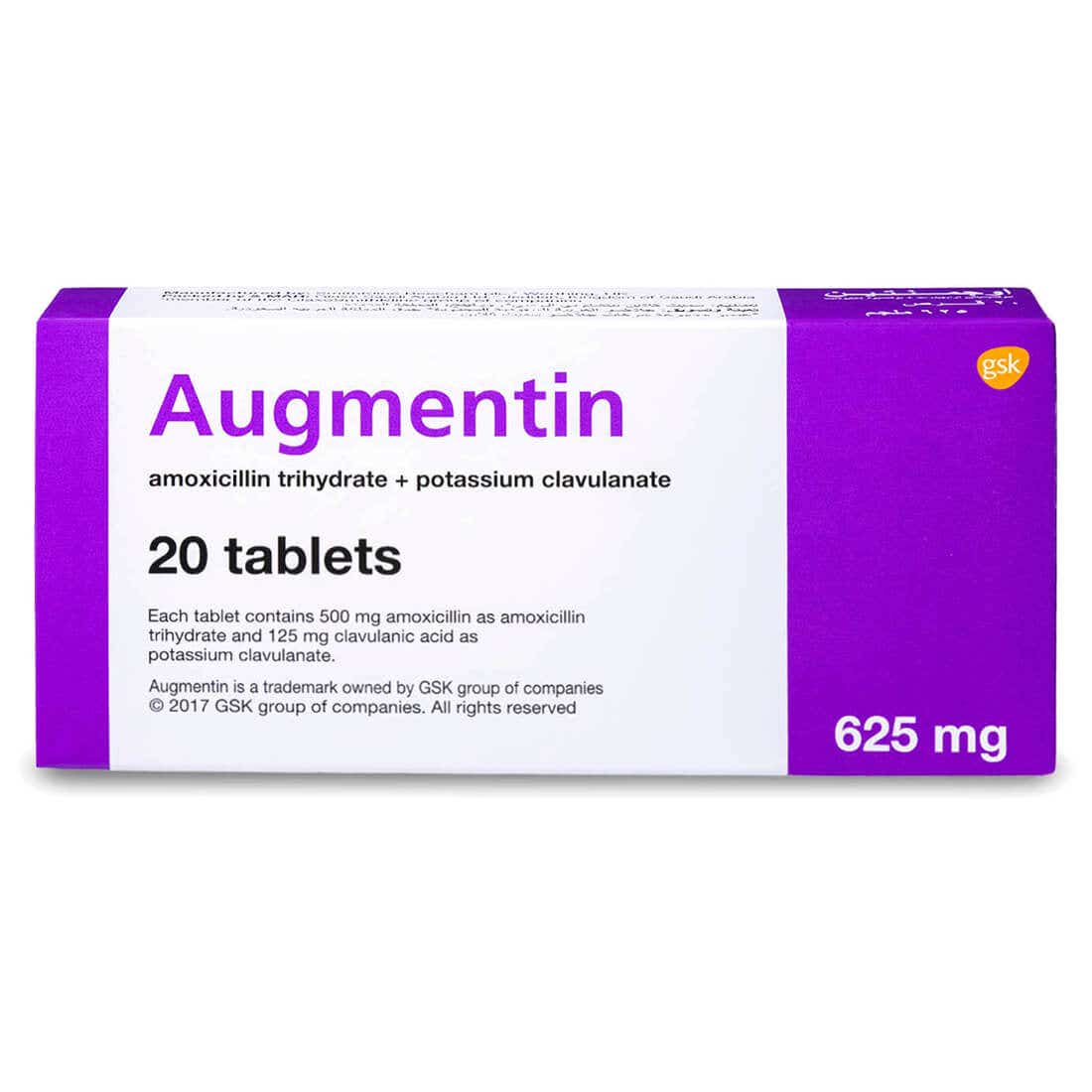
Augmentin: A Comprehensive Medical SEO Guide
Augmentin, a widely prescribed antibiotic, represents a significant advancement in the fight against bacterial infections. This detailed guide, crafted by an expert Medical SEO Copywriter and Orthopedic Specialist, delves into every critical aspect of Augmentin, providing authoritative insights into its mechanism, clinical applications, safety profile, and more. Understanding Augmentin is crucial for both healthcare professionals and patients seeking to make informed decisions about its use.
Introduction & Overview of Augmentin
Augmentin is a combination antibiotic consisting of amoxicillin, a penicillin-class antibacterial drug, and clavulanate potassium, a beta-lactamase inhibitor. This synergistic combination makes Augmentin effective against a broader spectrum of bacteria compared to amoxicillin alone, particularly against strains that produce beta-lactamase enzymes. Beta-lactamases are bacterial enzymes that can inactivate many penicillin-type antibiotics, rendering them ineffective. Clavulanic acid's role is to neutralize these enzymes, thereby protecting amoxicillin and allowing it to exert its bactericidal effect.
First introduced to the market by GlaxoSmithKline, Augmentin has become a cornerstone in the treatment of various common and severe bacterial infections across different body systems. Its utility spans from respiratory tract infections to complex skin and soft tissue infections, and even bone and joint infections, which are of particular interest from an orthopedic perspective.
Key Components of Augmentin
- Amoxicillin: A semi-synthetic penicillin that inhibits bacterial cell wall synthesis.
- Clavulanate Potassium: A beta-lactamase inhibitor that extends amoxicillin's spectrum of activity against beta-lactamase-producing bacteria.
This guide aims to provide a massive, exhaustive, and highly authoritative resource on Augmentin, covering its technical specifications, clinical applications, potential risks, and management strategies.
Deep-Dive into Technical Specifications & Mechanisms
Understanding how Augmentin works at a molecular level is fundamental to appreciating its efficacy and appropriate use.
Mechanism of Action
The dual action of Augmentin is its defining characteristic:
-
Amoxicillin's Action: Amoxicillin belongs to the beta-lactam class of antibiotics. Its primary mechanism involves interfering with the synthesis of the bacterial cell wall. Specifically, amoxicillin binds to penicillin-binding proteins (PBPs) located on the inner membrane of the bacterial cell wall. These PBPs are crucial enzymes involved in the final stages of peptidoglycan synthesis, a major component of the bacterial cell wall. By binding to PBPs, amoxicillin inhibits the transpeptidation reaction, preventing the cross-linking of peptidoglycan chains. This disruption leads to a weakened, osmotically unstable cell wall, ultimately resulting in bacterial cell lysis and death (bactericidal effect).
-
Clavulanate Potassium's Action: Many bacteria have developed resistance to beta-lactam antibiotics by producing beta-lactamase enzymes. These enzymes hydrolyze the beta-lactam ring of antibiotics like amoxicillin, rendering them inactive. Clavulanate potassium is a potent, irreversible inhibitor of a wide range of clinically important beta-lactamases. It binds strongly to these enzymes, forming a stable, inactive complex, thereby "sacrificing" itself to protect amoxicillin. This allows amoxicillin to reach and bind to its target PBPs, restoring its activity against beta-lactamase-producing strains that would otherwise be resistant.
The combination results in a broader spectrum of activity, including many Staphylococcus aureus (not MRSA), Haemophilus influenzae, Moraxella catarrhalis, and certain Klebsiella species, which often produce beta-lactamases.
Pharmacokinetics
The pharmacokinetics of Augmentin describe how the body absorbs, distributes, metabolizes, and excretes its components.
Absorption
- Oral Bioavailability: Both amoxicillin and clavulanate are well-absorbed from the gastrointestinal tract following oral administration.
- Effect of Food: Absorption is optimal when taken at the start of a meal. Taking Augmentin with food can also help reduce potential gastrointestinal upset. Peak plasma concentrations are typically reached within approximately 1 to 2.5 hours for both components.
Distribution
- Tissue Penetration: Both amoxicillin and clavulanate distribute widely into various tissues and body fluids, including the lungs, pleural fluid, middle ear fluid, peritoneal fluid, urine, and tonsils.
- Protein Binding: Amoxicillin is approximately 18% protein-bound, while clavulanate is about 25% protein-bound.
- CSF Penetration: Penetration into the cerebrospinal fluid (CSF) is generally low when meninges are uninflamed but increases with meningeal inflammation.
Metabolism
- Amoxicillin: Only a small proportion of amoxicillin is metabolized in the body.
- Clavulanate: Clavulanate is extensively metabolized into inactive metabolites.
Excretion
- Primary Route: Both amoxicillin and clavulanate are primarily excreted by the kidneys.
- Amoxicillin is excreted largely unchanged (approximately 60-70% of the dose) via glomerular filtration and tubular secretion.
- Clavulanate is excreted via glomerular filtration and also undergoes some tubular secretion, with approximately 25-40% excreted unchanged.
- Half-life: The elimination half-life for both amoxicillin and clavulanate is approximately 1 to 1.5 hours in individuals with normal renal function.
- Renal Impairment: In patients with impaired renal function, the elimination half-life of both components is prolonged, necessitating dosage adjustments.
Extensive Clinical Indications & Usage
Augmentin is indicated for the treatment of various bacterial infections caused by susceptible organisms. The choice of Augmentin should be based on local susceptibility patterns and clinical judgment, ideally confirmed by culture and sensitivity testing.
Detailed Indications
Augmentin is approved for the treatment of infections in adults and pediatric patients:
- Upper Respiratory Tract Infections:
- Acute Bacterial Sinusitis: Often caused by Streptococcus pneumoniae, Haemophilus influenzae, and Moraxella catarrhalis.
- Acute Otitis Media: Common in children, caused by similar pathogens.
- Tonsillitis/Pharyngitis: When a bacterial cause is suspected and resistant strains are prevalent.
- Lower Respiratory Tract Infections:
- Community-Acquired Pneumonia (CAP): Particularly when beta-lactamase-producing organisms are suspected.
- Acute Exacerbations of Chronic Bronchitis (AECB): In patients with underlying chronic obstructive pulmonary disease (COPD).
- Skin and Soft Tissue Infections:
- Cellulitis: Infections of the dermis and subcutaneous tissue.
- Animal and Human Bites: Due to the polymicrobial nature of these wounds, often involving Pasteurella multocida and beta-lactamase-producing anaerobes.
- Abscesses and Wound Infections: When susceptible organisms are identified.
- Diabetic Foot Infections: Often polymicrobial and can involve resistant strains.
- Urinary Tract Infections (UTIs):
- Cystitis and Pyelonephritis: Especially complicated UTIs or those caused by resistant Escherichia coli or Klebsiella species.
- Bone and Joint Infections:
- Osteomyelitis: Infections of the bone, often requiring prolonged antibiotic courses. Augmentin can be effective against susceptible Staphylococcus aureus (non-MRSA) and certain gram-negative organisms.
- Septic Arthritis: Infection of a joint, often requiring prompt treatment to prevent joint destruction.
- As an Orthopedic Specialist, I frequently encounter these challenging infections where Augmentin's broad spectrum, especially against beta-lactamase producers, can be invaluable, often as part of a tailored treatment regimen.
- Dental Infections:
- Odontogenic Infections: Such as dental abscesses, often caused by oral anaerobes and streptococci.
Important Considerations for Usage
- Bacterial vs. Viral: Augmentin is effective only against bacterial infections and should not be used for viral infections (e.g., common cold, flu).
- Culture and Sensitivity: Whenever possible, culture and susceptibility information should be considered when initiating or modifying antibacterial therapy.
- Empiric Therapy: Augmentin may be used as empiric therapy when there is a high suspicion of beta-lactamase-producing bacteria and awaiting culture results is not feasible.
Dosage Guidelines
Dosage of Augmentin varies significantly based on the severity and site of infection, patient age, weight, and renal function. It is available in various formulations (tablets, chewable tablets, oral suspension) and strengths, usually expressed as the amoxicillin/clavulanate ratio.
General Dosing Recommendations (Adults and Adolescents > 12 years)
| Infection Severity | Amoxicillin/Clavulanate Strength | Dosing Frequency |
|---|---|---|
| Mild to Moderate | 500 mg/125 mg Tablet | Every 8 hours |
| 875 mg/125 mg Tablet | Every 12 hours | |
| Severe | 875 mg/125 mg Tablet | Every 12 hours |
| 2000 mg/125 mg XR Tablet (Augmentin XR) | Every 12 hours |
- Note: The extended-release (XR) formulation (Augmentin XR) is specifically designed for certain infections like community-acquired pneumonia and acute bacterial sinusitis, providing a higher amoxicillin dose.
Pediatric Dosing (Children < 12 years)
Pediatric dosing is typically based on the amoxicillin component, calculated by weight. Oral suspension formulations are commonly used.
- Standard Dosing: 20-45 mg/kg/day (amoxicillin component) divided and administered every 8 or 12 hours, depending on the specific product and infection.
- Severe Infections or Otitis Media: Higher doses, up to 90 mg/kg/day (amoxicillin component), divided every 12 hours may be used, especially with high-dose formulations (e.g., 400 mg/57 mg per 5 mL suspension).
- Neonates and Infants < 3 months: Due to immature renal function, specific lower dosing regimens are required.
Dosing in Renal Impairment
Augmentin is primarily eliminated by the kidneys, so dosage adjustments are critical in patients with impaired renal function to prevent accumulation and potential toxicity.
| Creatinine Clearance (CrCl) | Recommended Adult Dosing (e.g., for 875 mg/125 mg tablet) |
|---|---|
| >30 mL/min | No dosage adjustment needed. |
| 10-30 mL/min | 500 mg/125 mg every 12 hours. |
| <10 mL/min | 500 mg/125 mg every 24 hours. |
| Hemodialysis | 500 mg/125 mg every 24 hours, with an additional dose during and at the end of dialysis. |
- Note: The 875 mg/125 mg tablet and the XR formulations are generally not recommended for patients with CrCl < 30 mL/min. Specific pediatric guidelines also exist for renal impairment.
Dosing in Hepatic Impairment
Augmentin should be used with caution in patients with hepatic impairment. Liver function should be monitored at regular intervals.
Administration
- With Food: Always administer Augmentin at the start of a meal to enhance absorption and minimize potential gastrointestinal intolerance.
- Complete the Course: Patients should be instructed to complete the entire prescribed course of therapy, even if symptoms improve, to prevent the development of antibiotic resistance and ensure complete eradication of the infection.
Risks, Side Effects, and Contraindications
While Augmentin is a highly effective antibiotic, it is not without potential risks. A thorough understanding of its side effects and contraindications is crucial for safe prescribing and use.
Contraindications
Augmentin is contraindicated in patients with:
- History of severe hypersensitivity reaction (e.g., anaphylaxis, Stevens-Johnson syndrome) to amoxicillin, clavulanate, or any other beta-lactam antibacterial drug (e.g., penicillins, cephalosporins). Cross-reactivity among beta-lactams can occur.
- History of Augmentin-associated cholestatic jaundice or hepatic dysfunction. These reactions can be severe and prolonged.
- Infectious Mononucleosis: Patients with infectious mononucleosis treated with amoxicillin or ampicillin may develop a morbilliform rash. Augmentin should be avoided in these patients.
Common Side Effects (incidence ≥ 1%)
These are generally mild and transient:
- Gastrointestinal:
- Diarrhea (most common, up to 30%)
- Nausea
- Vomiting
- Abdominal pain
- Skin:
- Rash
- Urticaria (hives)
- Fungal:
- Vaginal candidiasis (yeast infection)
- Oral candidiasis (thrush)
Serious and Less Common Side Effects (incidence < 1%)
These require immediate medical attention:
- Hypersensitivity Reactions:
- Anaphylaxis: A severe, life-threatening allergic reaction.
- Severe Cutaneous Adverse Reactions (SCARs): Including Stevens-Johnson syndrome (SJS), toxic epidermal necrolysis (TEN), acute generalized exanthematous pustulosis (AGEP), and drug reaction with eosinophilia and systemic symptoms (DRESS syndrome).
- Angioedema, serum sickness-like reactions.
- Hepatotoxicity:
- Cholestatic jaundice and hepatitis: Can be severe, prolonged, and rarely fatal. More common in older adults, males, and with prolonged treatment. Onset can be delayed for several weeks after cessation of therapy.
- Clostridioides difficile-associated Diarrhea (CDAD):
- Can range from mild diarrhea to fatal pseudomembranous colitis. Can occur during or after antibiotic treatment.
- Renal Effects:
- Interstitial nephritis, crystalluria (especially with high doses and dehydration).
- Hematologic Effects:
- Anemia, thrombocytopenia, leukopenia, agranulocytosis (rare, reversible).
- Central Nervous System (CNS) Effects:
- Headache, dizziness, agitation, anxiety, insomnia, confusion, convulsions (especially with high doses or in renally impaired patients).
Warnings and Precautions
- Liver and Renal Function: Monitor liver and renal function periodically during prolonged therapy.
- Superinfections: Prolonged use may result in the overgrowth of non-susceptible organisms, including fungi.
- Allergic Reactions: Elicit a detailed history of previous hypersensitivity reactions to penicillins, cephalosporins, or other allergens.
- Phenylketonuria: Chewable tablets and oral suspension may contain aspartame, a source of phenylalanine.
- Coagulation Abnormalities: Rarely, prolongation of prothrombin time (INR) has been reported, especially with concomitant anticoagulant therapy.
Drug Interactions
Augmentin can interact with several other medications, potentially altering their efficacy or increasing the risk of adverse effects.
| Interacting Drug/Class | Interaction Mechanism | Clinical Implication & Management |
|---|---|---|
| Probenecid | Decreases renal tubular secretion of amoxicillin. | Increases and prolongs amoxicillin blood levels. Co-administration is generally not recommended unless specifically intended (e.g., for specific STI treatments where higher amoxicillin levels are desired). |
| Oral Anticoagulants (e.g., Warfarin) | May alter gut flora, potentially affecting vitamin K synthesis and metabolism. | May prolong prothrombin time (INR). Increased risk of bleeding. Close monitoring of INR is essential, and anticoagulant dosage adjustment may be necessary. |
| Methotrexate | Amoxicillin may reduce renal excretion of methotrexate. | Increased methotrexate levels and potential for toxicity (e.g., myelosuppression, mucositis). Avoid concomitant use or monitor methotrexate levels closely and reduce methotrexate dose if necessary. |
| Allopurinol | Increased incidence of rash. | Concomitant use with amoxicillin (and other penicillins) is associated with a higher incidence of skin rashes. |
| Oral Contraceptives | May decrease efficacy of oral contraceptives by altering gut flora and enterohepatic recirculation. | Advise patients to use an alternative or additional method of contraception (e.g., barrier method) while taking Augmentin and for a short period after. |
| Mycophenolate Mofetil | Amoxicillin/clavulanate may reduce plasma concentrations of mycophenolic acid (MPA), the active metabolite of mycophenolate mofetil. | Potential for reduced immunosuppressive effect. Close clinical monitoring of the transplant patient and therapeutic drug monitoring of MPA levels are recommended during co-administration and after discontinuation of Augmentin. |
| Typhoid Vaccine (live oral) | Antibiotics may inactivate the live bacterial components of the vaccine. | Reduces the therapeutic effect of the live oral typhoid vaccine. Administer the vaccine at least 24 hours after the last dose of Augmentin, or avoid concomitant use. |
| ** | ||
| ** | ||
| :-------------------------------------------------------------------------------------------------------------------------------------------------------------------------------------------------------------------------------------------------------------------------------------------------------------------------------------------------------------------------------------------------------------------------------------------------------------------------------------------------------------------------------------------------------------------------------------------------------------------------------------------------------------------------------------------------------------------------------------------------------------------------------------------------------------------------------------------------------------------------------------------------------------------------------------------------------------------------------------------------------------------------------------------------------------------------------------------------------------------------------------------------------------------------------------------------------------------------------------------------------------------------------------------------------------------------------------------------------------------------------------------------------------------------------------------------------------------------------------------------------------------------------------------------------------------------------------------------------------------------------------------------------------------------------------------------------------------------------------------------------------------------------------------------------------------------------------------------------------------------------------------------------------------------------------------------------------------------------------------------------------------------------------------------------------------------------------------------------------------------------------------------------------------------------------------------------------------------------------------------------------------------------------------------------------------------------------------------------------------------------------------------------------------------------------------------------------------------------------------------------------------------------------------------------------------------------------------------------------------------------------------------------------------------------------------------------------------------------------------------------------------------------------------------------------------------------------------------------------------------------------------------------------------------------------------------------------------------------------------------------------------------------------------------------------------------------------------------------------------------------------------------------------------------------------------------------------------------------------------------------------------------------------------------------------------------------------------------------------------------------------------------------------------------------- |