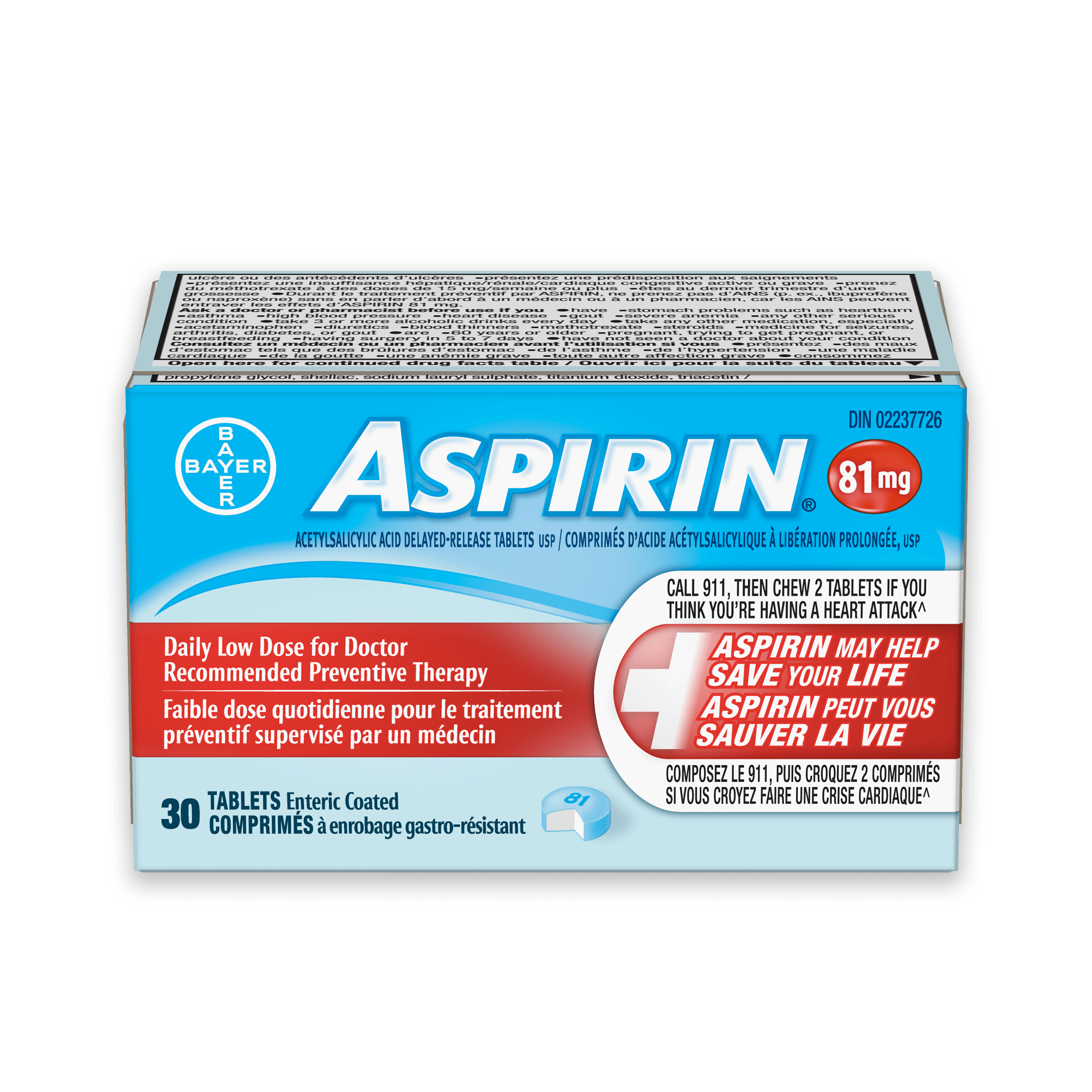
Aspirin (Enteric Coated): An Expert Medical SEO Guide
Aspirin, or acetylsalicylic acid (ASA), stands as one of the most widely used medications globally, celebrated for its diverse therapeutic properties. While regular aspirin dissolves quickly in the stomach, its enteric-coated (EC) counterpart offers a modified release profile designed to protect the stomach lining from potential irritation. This comprehensive guide, crafted by an expert Medical SEO Copywriter and Orthopedic Specialist, delves into the intricate details of Aspirin (Enteric Coated), covering its mechanism of action, pharmacokinetics, detailed indications, dosage guidelines, contraindications, drug interactions, pregnancy/lactation warnings, and critical overdose management.
1. Introduction & Overview: The Role of Enteric-Coated Aspirin
Aspirin (Enteric Coated) is a non-steroidal anti-inflammatory drug (NSAID) with analgesic (pain-relieving), antipyretic (fever-reducing), anti-inflammatory, and antiplatelet (blood-thinning) properties. Its unique enteric coating is a polymeric layer that prevents the tablet from dissolving in the acidic environment of the stomach. Instead, it passes through to the more alkaline environment of the small intestine, where it then dissolves and is absorbed.
The primary rationale behind the enteric coating is to minimize the direct irritant effect of aspirin on the gastric mucosa, thereby reducing the risk of gastrointestinal (GI) side effects such as dyspepsia, heartburn, and, more seriously, gastric ulcers and bleeding. This makes enteric-coated aspirin particularly suitable for individuals requiring long-term aspirin therapy, especially for cardiovascular disease prevention, where daily administration is crucial.
First synthesized in 1853 and commercialized by Bayer in 1897, aspirin's enduring legacy is a testament to its broad utility and continuous research into its mechanisms and applications. Enteric-coated formulations represent a significant advancement in patient tolerability and adherence for chronic use.
2. Deep-Dive into Technical Specifications & Mechanisms
Understanding how Aspirin (EC) works requires an appreciation of its chemical properties, how the body processes it, and its molecular targets.
2.1 Chemical Structure & Formulation
Aspirin is chemically known as acetylsalicylic acid (ASA), an ester of salicylic acid. The acetyl group is crucial for its irreversible inhibition of cyclooxygenase enzymes. The enteric coating itself is typically composed of polymers like cellulose acetate phthalate, hydroxypropyl methylcellulose phthalate, or methacrylic acid copolymers, designed to be stable at gastric pH (<5) and dissolve at intestinal pH (>5.5).
2.2 Mechanism of Action
Aspirin's therapeutic effects stem primarily from its irreversible inhibition of cyclooxygenase (COX) enzymes: COX-1 and COX-2.
- Irreversible COX Inhibition: Unlike most NSAIDs, which reversibly inhibit COX enzymes, aspirin acetylates a serine residue in the active site of both COX-1 and COX-2, leading to their irreversible inactivation.
- Antiplatelet Effect (Low Doses): At low doses (e.g., 75-162 mg), aspirin predominantly inhibits COX-1 in platelets. Platelets lack a nucleus and thus cannot synthesize new COX-1 enzymes. This irreversible inhibition blocks the synthesis of thromboxane A2 (TXA2), a potent vasoconstrictor and inducer of platelet aggregation. This antiplatelet effect lasts for the lifetime of the platelet (7-10 days), providing sustained protection against thrombotic events.
- Analgesic, Anti-inflammatory, and Antipyretic Effects (Higher Doses): At higher doses, aspirin also inhibits COX-2, which is induced at sites of inflammation and mediates the synthesis of pro-inflammatory prostaglandins. By reducing prostaglandin synthesis, aspirin diminishes pain perception (analgesic), reduces inflammation (anti-inflammatory), and lowers fever by acting on the hypothalamus (antipyretic).
2.3 Pharmacokinetics
The pharmacokinetic profile of enteric-coated aspirin differs significantly from immediate-release formulations due to the delayed absorption.
- Absorption:
- The enteric coating delays the dissolution of the tablet until it reaches the small intestine, typically 3-6 hours after ingestion.
- Once dissolved, acetylsalicylic acid is rapidly absorbed, primarily from the small intestine.
- Peak plasma concentrations of salicylate (the primary active metabolite) are generally achieved 3-12 hours post-ingestion, which is considerably later than immediate-release aspirin.
- Food can further delay gastric emptying, potentially prolonging the time to absorption for EC aspirin.
- Distribution:
- Aspirin and its metabolite, salicylic acid, are widely distributed throughout most body tissues and fluids, including the central nervous system (CNS), breast milk, and across the placenta.
- Salicylic acid is highly protein-bound, primarily to albumin.
- Metabolism:
- Aspirin is rapidly hydrolyzed to salicylic acid by esterases in the gastrointestinal mucosa, red blood cells, and liver.
- Salicylic acid undergoes further metabolism in the liver, forming several inactive metabolites, including salicyluric acid, salicyl phenolic glucuronide, and salicyl acyl glucuronide.
- Excretion:
- Salicylate and its metabolites are primarily excreted by the kidneys.
- The rate of excretion is highly dependent on urine pH; alkaline urine increases the excretion of free salicylate.
- The elimination half-life of aspirin itself is very short (15-20 minutes), as it is rapidly converted to salicylic acid. The half-life of salicylic acid is dose-dependent: approximately 2-3 hours at low doses, but it can extend to 15-30 hours at anti-inflammatory or toxic doses due to saturation of hepatic metabolic pathways.
3. Extensive Clinical Indications & Usage
Enteric-coated aspirin is primarily favored for its long-term benefits, particularly in cardiovascular and cerebrovascular disease prevention.
3.1 Cardiovascular Disease (CVD) Prevention
- Secondary Prevention: This is the most established and widely accepted indication. Aspirin (EC) is crucial for individuals who have already experienced a cardiovascular event.
- Post-Myocardial Infarction (MI): Reduces the risk of recurrent MI and cardiovascular death.
- Post-Ischemic Stroke or Transient Ischemic Attack (TIA): Reduces the risk of recurrent stroke.
- Unstable Angina Pectoris: Prevents progression to MI.
- Coronary Artery Bypass Graft (CABG) and Percutaneous Coronary Intervention (PCI): Reduces the risk of graft occlusion and stent thrombosis.
- Peripheral Artery Disease (PAD): Reduces thrombotic events in patients with PAD.
- Primary Prevention: The use of aspirin for primary prevention (in individuals without a history of CVD) is more nuanced and requires careful consideration of individual risk factors versus bleeding risk.
- High-Risk Individuals: May be considered for adults aged 40-70 years who are at increased risk of atherosclerotic cardiovascular disease (ASCVD) but not at increased risk of bleeding.
- Not Recommended for Routine Primary Prevention: Generally not recommended for adults >70 years or those at increased bleeding risk, or for low-risk individuals.
3.2 Pain Relief, Anti-inflammatory, and Antipyretic Uses
While immediate-release aspirin is more common for acute relief due to faster absorption, enteric-coated aspirin can be used for these purposes, especially when sustained action or gastric protection is desired, though its delayed onset of action can be a limitation.
* Mild to Moderate Pain: Headaches, muscle aches, toothaches, menstrual pain.
* Inflammatory Conditions: Rheumatoid arthritis, osteoarthritis, juvenile idiopathic arthritis (though rarely used in children due to Reye's risk).
* Fever Reduction: For general febrile conditions, with strict avoidance in children and adolescents due to Reye's Syndrome risk.
3.3 Other Potential Uses
- Preeclampsia Prevention: Low-dose aspirin (EC) may be recommended for pregnant individuals at high risk of preeclampsia, usually initiated in the first trimester.
- Colorectal Cancer Prevention: Emerging evidence suggests low-dose aspirin may reduce the risk of colorectal cancer, particularly in individuals with a family history or certain genetic predispositions, but this is not a routine recommendation and requires careful risk-benefit analysis.
3.4 Dosage Guidelines
Dosage varies significantly depending on the indication. Enteric-coated tablets should be swallowed whole and not crushed, chewed, or cut to preserve the coating's integrity.
- Cardiovascular and Cerebrovascular Prevention:
- Low-Dose Aspirin: Typically 75 mg to 162 mg once daily. The most common "baby aspirin" dose is 81 mg.
- Acute Coronary Syndromes (e.g., suspected MI): While EC aspirin is for long-term use, in an acute setting, immediate-release chewable aspirin is preferred for rapid absorption (e.g., 160-325 mg). EC aspirin would not provide rapid enough antiplatelet effect.
- Pain, Inflammation, and Fever:
- Adults: 325 mg to 650 mg every 4-6 hours as needed. Maximum dose typically 4 grams (4000 mg) in 24 hours.
- Anti-inflammatory Doses: Higher doses may be required for conditions like rheumatoid arthritis, often 3-5 grams/day in divided doses, titrated to response and tolerability.
- Preeclampsia Prevention:
- Typically 81 mg to 162 mg once daily, starting between 12-16 weeks of gestation.
4. Risks, Side Effects, and Contraindications
While beneficial, aspirin carries significant risks, especially with long-term use or in susceptible individuals.
4.1 Common Side Effects
- Gastrointestinal upset: Nausea, dyspepsia, heartburn.
- Increased bleeding time.
4.2 Serious Side Effects
- Gastrointestinal Bleeding and Ulceration: Even with enteric coating, the systemic antiplatelet effect increases the risk of bleeding in the GI tract, potentially leading to ulcers, perforation, and hemorrhage.
- Hemorrhagic Stroke: Increased risk, particularly in elderly patients or those with uncontrolled hypertension.
- Hypersensitivity Reactions:
- Aspirin-Exacerbated Respiratory Disease (AERD): A non-allergic hypersensitivity reaction characterized by asthma, nasal polyps, and rhinosinusitis, triggered by aspirin or other NSAIDs.
- Anaphylaxis: Rare but severe allergic reaction.
- Angioedema, Urticaria.
- Reye's Syndrome: A rare but severe and potentially fatal condition causing brain and liver damage. It primarily affects children and adolescents recovering from viral infections (e.g., influenza, chickenpox) who have taken aspirin. Aspirin use is contraindicated in children and adolescents with suspected or confirmed viral infections.
- Salicylism (Chronic Toxicity): Occurs with chronic high-dose use or overdose. Symptoms include tinnitus (ringing in the ears), hearing loss, dizziness, nausea, vomiting, confusion, and hyperventilation.
- Renal Impairment: Can cause acute kidney injury, especially in dehydrated patients or those with pre-existing renal dysfunction, by inhibiting renal prostaglandin synthesis.
- Hepatic Toxicity: Rare, but can cause elevated liver enzymes, especially in patients with pre-existing liver disease.
4.3 Contraindications
- Known Hypersensitivity/Allergy to Aspirin or other NSAIDs: Including those with AERD.
- Active Peptic Ulcer Disease or GI Bleeding: Due to increased risk of exacerbation.
- Bleeding Disorders: Hemophilia, von Willebrand disease, thrombocytopenia, or other coagulopathies.
- Children and Adolescents with Viral Infections: Due to the risk of Reye's Syndrome.
- Severe Hepatic Impairment.
- Severe Renal Impairment.
- Last Trimester of Pregnancy: Risk of premature closure of the fetal ductus arteriosus, prolonged labor, and increased maternal/fetal bleeding.
- Concomitant use with Methotrexate (at high doses): Increased methotrexate toxicity.
- Concomitant use with other Anticoagulants (e.g., Warfarin) without careful monitoring: Significantly increased bleeding risk.
4.4 Drug Interactions
Aspirin interacts with numerous medications, increasing the risk of adverse effects.
| Drug Class | Interaction Mechanism | Clinical Consequence |
|---|---|---|
| Anticoagulants | Enhanced antiplatelet/anticoagulant effect | Significantly increased risk of bleeding (e.g., warfarin, heparin, direct oral anticoagulants) |
| Other NSAIDs | Additive GI toxicity; competition for COX-1 binding (e.g., ibuprofen, naproxen) | Increased risk of GI bleeding/ulcers; potential reduction of aspirin's antiplatelet effect if ibuprofen taken before aspirin. |
| Corticosteroids | Increased risk of GI ulceration and bleeding | Enhanced mucosal damage. |
| SSRIs/SNRIs | Impaired platelet function; increased GI bleeding risk | Increased risk of GI hemorrhage. |
| Methotrexate | Reduced renal clearance of methotrexate | Increased methotrexate toxicity (myelosuppression, nephrotoxicity). |
| Sulfonylureas/Insulin | Enhanced hypoglycemic effect | Risk of hypoglycemia. |
| Uricosuric Agents | Reduced efficacy of uricosuric agents (e.g., probenecid) | Impaired gout control. |
| ACE Inhibitors/ARBs/Diuretics | Reduced antihypertensive effect; risk of renal dysfunction | Impaired blood pressure control; potential kidney injury. |
| Alcohol | Additive GI irritation; increased GI bleeding risk | Enhanced gastric damage. |
4.5 Pregnancy and Lactation Warnings
- Pregnancy:
- First and Second Trimester (Category C): Generally avoided unless the potential benefit outweighs the risk. Low-dose aspirin may be used in specific cases for preeclampsia prevention under strict medical supervision.
- Third Trimester (Category D): Contraindicated. Can cause premature closure of the fetal ductus arteriosus, leading to pulmonary hypertension in the newborn. It can also inhibit labor, prolong gestation, and increase the risk of maternal and fetal bleeding.
- Lactation:
- Aspirin and its metabolites are excreted into breast milk.
- Low-dose aspirin (e.g., 81 mg daily) is generally considered compatible with breastfeeding, as the amount transferred to the infant is small.
- High doses or long-term use should be avoided due to potential risks to the infant, including bleeding, metabolic acidosis, or Reye's Syndrome if the infant has a viral infection. Always consult a healthcare provider.
4.6 Overdose Management (Salicylism)
Aspirin overdose, also known as salicylism, can be acute or chronic and ranges from mild to life-threatening.
- Symptoms:
- Mild/Moderate: Tinnitus, hearing loss, vertigo, nausea, vomiting, abdominal pain, hyperventilation, sweating, thirst.
- Severe: Metabolic acidosis, respiratory alkalosis, confusion, delirium, seizures, coma, pulmonary edema, cardiovascular collapse, renal failure, hyperthermia.
- Treatment:
- Immediate Medical Attention: Crucial for any suspected overdose.
- Decontamination:
- Activated Charcoal: Administered orally if the patient presents within 1-2 hours of ingestion and is cooperative.
- Gastric Lavage: May be considered in severe, life-threatening ingestions if performed early.
- Supportive Care:
- Maintain airway, breathing, and circulation (ABCs).
- Intravenous fluids to correct dehydration and maintain renal function.
- Correction of electrolyte imbalances and acid-base disturbances.
- Glucose administration for hypoglycemia.
- Enhanced Elimination:
- Urinary Alkalinization: Intravenous sodium bicarbonate is used to alkalinize the urine (target pH 7.5-8.5), which significantly increases the renal excretion of salicylate.
- Hemodialysis: Indicated for severe poisoning (e.g., very high salicylate levels, severe acidosis, renal failure, CNS manifestations like seizures or coma) as it effectively removes salicylate from the blood.
- Monitoring: Frequent monitoring of salicylate levels, blood gases, electrolytes, and vital signs is essential.
5. Massive FAQ Section
Here are some frequently asked questions about Aspirin (Enteric Coated):
Q1: What is the main difference between regular aspirin and enteric-coated aspirin?
The main difference lies in their dissolution. Regular aspirin dissolves in the stomach, providing faster relief but increasing the risk of stomach irritation. Enteric-coated (EC) aspirin has a special coating that prevents it from dissolving until it reaches the small intestine. This delays absorption but helps protect the stomach lining, making it suitable for long-term use.
Q2: Why is enteric-coated aspirin often recommended for long-term use?
EC aspirin is recommended for long-term use, especially for cardiovascular prevention, because its coating minimizes direct contact with the stomach lining. This significantly reduces the risk of gastrointestinal side effects like heartburn, indigestion, and potentially serious issues like stomach ulcers and bleeding, which are common with regular aspirin when taken daily over extended periods.
Q3: Can I crush or chew enteric-coated aspirin?
No, you should never crush, chew, or break enteric-coated aspirin tablets. Doing so will destroy the special coating, allowing the aspirin to dissolve in the stomach. This negates the protective benefit of the coating and increases the risk of stomach irritation and bleeding. Always swallow the tablet whole with a full glass of water.
Q4: How long does it take for enteric-coated aspirin to work?
Due to its delayed dissolution in the small intestine, enteric-coated aspirin takes longer to exert its effects compared to immediate-release aspirin. For pain relief, it may take several hours. For its antiplatelet effect, while absorption is delayed, the systemic effect on platelets will still last for the lifetime of the platelet (7-10 days) once absorbed. It is not suitable for acute pain or emergency situations requiring rapid antiplatelet action (e.g., suspected heart attack).
Q5: Is "baby aspirin" the same as enteric-coated aspirin?
"Baby aspirin" typically refers to low-dose aspirin, commonly 81 mg. Many low-dose aspirin formulations are indeed enteric-coated to facilitate long-term daily use for cardiovascular prevention. However, not all baby aspirin is enteric-coated, and not all enteric-coated aspirin is baby aspirin (higher dose EC aspirin exists). Always check the product label.
Q6: Can I take enteric-coated aspirin with other pain relievers like ibuprofen?
Taking enteric-coated aspirin with other NSAIDs like ibuprofen or naproxen is generally not recommended without medical advice. This combination can increase the risk of gastrointestinal bleeding and ulcers. Additionally, ibuprofen can interfere with aspirin's antiplatelet effect if taken shortly before aspirin. Always consult your doctor or pharmacist about drug interactions.
Q7: What are the signs of aspirin overdose (salicylism)?
Signs of aspirin overdose, or salicylism, can include ringing in the ears (tinnitus), dizziness, nausea, vomiting, rapid breathing (hyperventilation), confusion, and excessive sweating. In severe cases, it can lead to seizures, coma, and serious metabolic disturbances. If you suspect an overdose, seek immediate medical attention.
Q8: Who should NOT take enteric-coated aspirin?
Aspirin (EC) should not be taken by individuals with:
* An allergy or hypersensitivity to aspirin or other NSAIDs.
* Active stomach ulcers or a history of GI bleeding.
* Bleeding disorders (e.g., hemophilia).
* Children and adolescents with viral infections (due to Reye's Syndrome risk).
* Severe liver or kidney disease.
* Pregnant individuals in their third trimester.
* Those on certain medications like blood thinners (without strict medical supervision).
Q9: Is it safe to take enteric-coated aspirin during pregnancy?
Aspirin is generally avoided in the first and second trimesters unless specifically prescribed by a doctor for high-risk conditions like preeclampsia. It is contraindicated in the third trimester due to risks to the fetus, including premature closure of the ductus arteriosus and increased bleeding risk for both mother and baby. Always discuss aspirin use with your healthcare provider if you are pregnant or planning to become pregnant.
Q10: Does enteric-coated aspirin interact with alcohol?
Yes, taking enteric-coated aspirin with alcohol is strongly discouraged. Alcohol can further irritate the stomach lining and increase the risk of gastrointestinal bleeding, which is already a known side effect of aspirin. This combination significantly heightens the risk of ulcers and hemorrhage.
Q11: How long does the antiplatelet effect of aspirin last?
The antiplatelet effect of aspirin is irreversible and lasts for the lifetime of the platelet, which is typically 7 to 10 days. This means that even after you stop taking aspirin, your platelets will remain inhibited until new, unexposed platelets are produced by your bone marrow. This is why doctors often advise discontinuing aspirin several days before surgery.
Q12: Can enteric-coated aspirin prevent a first heart attack?
For individuals who have never had a heart attack or stroke (primary prevention), the decision to take aspirin (EC) is complex. It may be considered for adults aged 40-70 years who are at increased risk of atherosclerotic cardiovascular disease (ASCVD) but not at increased risk of bleeding. However, it is generally not recommended for routine primary prevention in low-risk individuals or those over 70, due to the increased risk of bleeding outweighing the potential benefits. Always consult your doctor to assess your individual risk factors.