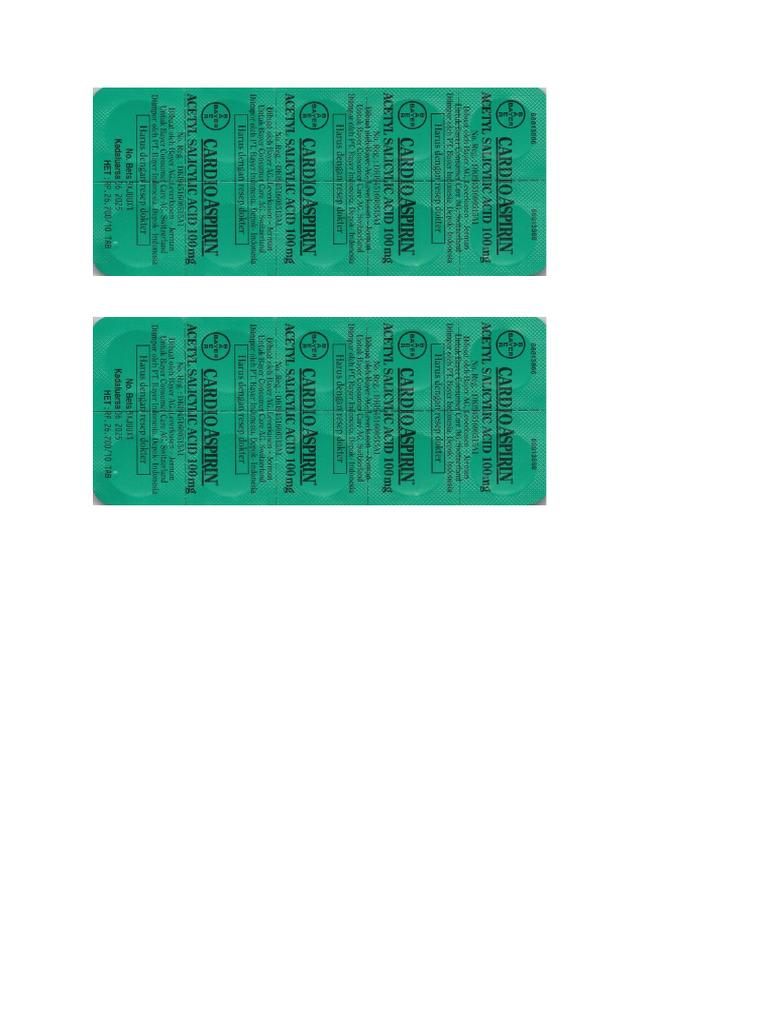
Aspirin: A Comprehensive Medical Guide to Acetylsalicylic Acid
Aspirin, scientifically known as acetylsalicylic acid (ASA), stands as one of the oldest and most widely used medications globally. Discovered in its stable form by Felix Hoffmann at Bayer in 1897, Aspirin has revolutionized pain management, anti-inflammatory therapy, and perhaps most significantly, cardiovascular disease prevention. From alleviating a simple headache to preventing life-threatening heart attacks and strokes, its multifaceted actions make it an indispensable tool in modern medicine. This authoritative guide delves deep into Aspirin's intricate mechanisms, diverse clinical applications, crucial safety considerations, and essential management protocols, providing a robust resource for both patients and healthcare professionals.
Introduction to Aspirin (Acetylsalicylic Acid)
Aspirin belongs to a class of drugs known as non-steroidal anti-inflammatory drugs (NSAIDs). However, its unique irreversible inhibition of cyclooxygenase enzymes sets it apart, particularly concerning its potent antiplatelet effects. Primarily recognized for its analgesic (pain-relieving), antipyretic (fever-reducing), and anti-inflammatory properties, Aspirin's role in cardiovascular health has garnered significant attention, making it a cornerstone in the prevention and management of thrombotic events. Its widespread availability over-the-counter often belies its complex pharmacology and the necessity for judicious use.
Deep-Dive into Technical Specifications & Mechanisms
Understanding how Aspirin works is crucial to appreciating its diverse therapeutic applications and potential risks.
Mechanism of Action
Aspirin's primary mechanism of action involves the irreversible inhibition of cyclooxygenase (COX) enzymes. There are two main isoforms:
- COX-1 (Cyclooxygenase-1): This enzyme is constitutively expressed in most tissues and plays a vital role in maintaining normal physiological functions. It is responsible for the production of prostaglandins that protect the gastric mucosa, maintain renal blood flow, and, crucially, for the synthesis of thromboxane A2 (TXA2) in platelets. TXA2 is a potent vasoconstrictor and platelet aggregator.
- COX-2 (Cyclooxygenase-2): This isoform is primarily induced during inflammation and is responsible for the production of prostaglandins that mediate pain, inflammation, and fever.
Aspirin acetylates a serine residue in the active site of both COX-1 and COX-2 enzymes, leading to their irreversible inhibition.
- Antiplatelet Effect: This is Aspirin's most unique and clinically significant effect, particularly at low doses. By irreversibly inhibiting COX-1 in platelets, Aspirin prevents the synthesis of TXA2 for the lifetime of the platelet (approximately 7-10 days). Since platelets lack a nucleus, they cannot synthesize new COX-1 enzymes, making the inhibition permanent. This reduces platelet aggregation and clot formation, crucial for preventing cardiovascular events.
- Analgesic and Antipyretic Effects: Inhibition of COX-2 (and to a lesser extent COX-1) reduces the production of prostaglandins that sensitize pain receptors and elevate body temperature in the hypothalamus.
- Anti-inflammatory Effect: By inhibiting prostaglandin synthesis, Aspirin reduces the inflammatory response characterized by redness, swelling, pain, and heat. This effect typically requires higher doses than those used for antiplatelet therapy.
Pharmacokinetics
The journey of Aspirin through the body involves several key steps:
- Absorption: Aspirin is rapidly absorbed from the gastrointestinal (GI) tract, primarily in the stomach and small intestine. Peak plasma concentrations are typically reached within 1-2 hours. Enteric-coated formulations delay absorption, protecting the stomach but potentially delaying onset of action.
- Hydrolysis: Once absorbed, Aspirin is rapidly hydrolyzed by esterases in the GI wall, plasma, and liver to its active metabolite, salicylic acid. This conversion is so rapid that Aspirin itself has a very short half-life (15-20 minutes).
- Distribution: Salicylic acid is widely distributed throughout the body, including synovial fluid, cerebrospinal fluid, and breast milk. It readily crosses the placental barrier. Salicylic acid is highly protein-bound (80-90%), primarily to albumin.
- Metabolism: Salicylic acid is primarily metabolized in the liver to various inactive conjugates, including salicyluric acid, salicyl phenolic glucuronide, and salicyl acyl glucuronide.
- Excretion: The metabolites, along with a small amount of unmetabolized salicylic acid, are primarily excreted by the kidneys. Renal excretion of salicylic acid is pH-dependent; it is increased in alkaline urine and decreased in acidic urine. The half-life of salicylic acid varies with dose, ranging from 2-4 hours at low doses to 15-30 hours at anti-inflammatory doses due to saturation of metabolic pathways.
Extensive Clinical Indications & Usage
Aspirin's versatility is reflected in its wide array of clinical indications, each requiring specific dosage considerations.
Analgesia and Antipyresis
- Mild to Moderate Pain: Effective for headaches, muscle aches, dental pain, menstrual cramps (dysmenorrhea), and general body aches.
- Fever: Reduces elevated body temperature associated with various conditions.
Anti-inflammatory Conditions
- Rheumatic Fever: Used to manage the inflammatory symptoms, particularly arthralgia and arthritis.
- Rheumatoid Arthritis and Osteoarthritis: Provides symptomatic relief from pain and inflammation in chronic arthritic conditions, often requiring higher doses.
Antiplatelet Therapy (Cardiovascular and Cerebrovascular Prevention)
This is a critical area where Aspirin has profound impact.
- Primary Prevention of Cardiovascular Disease (CVD):
- Considered for select high-risk individuals without a history of CVD but with an elevated 10-year atherosclerotic cardiovascular disease (ASCVD) risk, typically in the range of 10-20% or higher, and a low bleeding risk. Decision making is individualized and should involve shared decision-making with a healthcare provider.
- Secondary Prevention of Cardiovascular Events:
- Acute Myocardial Infarction (MI): Administered immediately upon suspicion of MI to reduce clot formation and limit cardiac damage.
- History of MI or Ischemic Stroke: Daily low-dose Aspirin significantly reduces the risk of recurrent events.
- Transient Ischemic Attacks (TIAs): Prevents subsequent ischemic strokes.
- Unstable Angina: Used to prevent progression to MI.
- Post-Percutaneous Coronary Intervention (PCI) and Coronary Artery Bypass Graft (CABG): Essential to prevent stent thrombosis and graft occlusion.
- Peripheral Artery Disease (PAD): Reduces the risk of MI, stroke, and vascular death in patients with PAD.
- Prevention of Preeclampsia: Low-dose Aspirin is recommended for pregnant individuals at high risk of preeclampsia, typically started in the first trimester.
Dosage Guidelines
Dosage varies significantly based on the indication, patient's age, and other factors. Always consult a healthcare professional for personalized advice.
| Indication | Typical Adult Dosage | Notes |
|---|---|---|
| Pain/Fever (Analgesic/Antipyretic) | 325 mg to 650 mg every 4-6 hours as needed. Max 4g/day. | Often available over-the-counter in 325 mg (regular strength) or 500 mg (extra strength) tablets. |
| Inflammation (Anti-inflammatory) | 2.4 g to 4 g per day in divided doses (e.g., 650 mg every 4 hours). | Requires higher doses; close monitoring for side effects is essential. |
| Acute Myocardial Infarction (MI) | 160 mg to 325 mg chewed initially, then daily low-dose. | Chewing allows for faster absorption and antiplatelet effect. |
| Secondary CVD Prevention (MI, Stroke, TIA) | 75 mg to 100 mg once daily. | Low-dose Aspirin is sufficient for antiplatelet effect. |
| Primary CVD Prevention | 75 mg to 100 mg once daily. | Individualized decision based on risk/benefit analysis. |
| Preeclampsia Prevention | 81 mg to 162 mg once daily, typically starting at 12-16 weeks gestation. | Consult obstetrician for exact dosing and timing. |
Important Administration Notes:
* With Food: Aspirin should generally be taken with food or milk to minimize gastrointestinal upset.
* Enteric-Coated Aspirin: These formulations are designed to dissolve in the small intestine rather than the stomach, potentially reducing gastric irritation. However, they may have delayed absorption.
* Chewing for Acute Events: In acute coronary syndromes (e.g., suspected MI), non-enteric-coated Aspirin should be chewed to facilitate rapid absorption and antiplatelet action.
Risks, Side Effects, and Contraindications
While highly effective, Aspirin is not without risks. Awareness of potential side effects and contraindications is paramount for safe usage.
Common Side Effects
- Gastrointestinal (GI) Upset: Nausea, dyspepsia, heartburn, stomach pain.
- Increased Bleeding Risk: Minor bleeding, such as nosebleeds or easy bruising.
Serious Side Effects
- Gastrointestinal Ulceration and Bleeding: Aspirin, especially at higher doses or with prolonged use, can erode the protective gastric mucosa, leading to ulcers, perforations, and severe GI bleeding.
- Hemorrhagic Stroke: Increased risk, particularly in individuals with uncontrolled hypertension or other risk factors.
- Reye's Syndrome: A rare but severe and potentially fatal condition causing swelling in the liver and brain. It primarily affects children and teenagers recovering from a viral infection (e.g., flu, chickenpox) who have taken Aspirin. Aspirin is contraindicated in children and adolescents with viral infections.
- Hypersensitivity Reactions: Allergic reactions can range from skin rashes (urticaria, angioedema) to severe bronchospasm (Aspirin-exacerbated respiratory disease, AERD) and anaphylaxis, especially in individuals with asthma, rhinitis, and nasal polyps (Samter's Triad).
- Tinnitus and Hearing Loss: Especially at high doses, salicylism (Aspirin toxicity) can manifest as ringing in the ears and reversible hearing impairment.
- Renal Impairment: Chronic high-dose Aspirin use can rarely lead to analgesic nephropathy or exacerbate pre-existing renal dysfunction, particularly in dehydrated individuals or those with heart failure.
Contraindications
Aspirin should not be used in individuals with the following conditions:
- Known Hypersensitivity: Allergy to Aspirin, other salicylates, or NSAIDs.
- Active Peptic Ulcer Disease or GI Bleeding: Due to high risk of exacerbation.
- Bleeding Disorders: Hemophilia, von Willebrand disease, or other coagulation defects.
- Children and Adolescents with Viral Infections: Due to the risk of Reye's Syndrome.
- Severe Renal or Hepatic Impairment: Impaired drug metabolism and excretion.
- Third Trimester of Pregnancy: Risk of premature closure of the fetal ductus arteriosus, pulmonary hypertension, and prolonged labor.
- Concomitant High-Dose Methotrexate Therapy: Increases methotrexate toxicity.
- Severe Uncontrolled Hypertension: Increased risk of hemorrhagic stroke.
Drug Interactions
Aspirin can interact with numerous medications, altering their effects or increasing the risk of adverse events.
| Interacting Drug Class | Interaction Mechanism | Clinical Consequence |
|---|---|---|
| Anticoagulants | Synergistic antiplatelet/anticoagulant effect (e.g., Warfarin, Heparin, NOACs) | Significantly increased risk of bleeding (GI, intracranial, etc.). |
| Other NSAIDs | Additive GI toxicity; may interfere with Aspirin's antiplatelet effect (e.g., Ibuprofen) | Increased risk of GI bleeding and ulceration. Ibuprofen can block Aspirin's access to COX-1, reducing its cardioprotective effect if taken shortly before Aspirin. |
| Corticosteroids | Increased risk of GI ulceration and bleeding. | Concurrent use significantly elevates GI bleeding risk. |
| SSRIs/SNRIs | Increased risk of GI bleeding due to platelet dysfunction. | Caution advised, consider gastroprotective agents. |
| Methotrexate | Reduced renal clearance of methotrexate. | Increased methotrexate toxicity (myelosuppression, nephrotoxicity). Avoid high-dose concomitant use. |
| Uricosurics (e.g., Probenecid) | Aspirin inhibits the uricosuric action. | Reduced efficacy of drugs used to treat gout. |
| Antihypertensives | May reduce the antihypertensive effects (e.g., ACE inhibitors, ARBs, Beta-blockers, Diuretics) | Aspirin can cause sodium and fluid retention and interfere with prostaglandin-mediated renal blood flow. |
| Alcohol | Increased risk of GI bleeding and ulceration. | Avoid or limit alcohol consumption while taking Aspirin. |
| Sulfonylureas | May enhance the hypoglycemic effect. | Monitor blood glucose levels closely. |
Pregnancy and Lactation Warnings
- Pregnancy:
- First and Second Trimester (Category C): Generally avoided unless the potential benefit outweighs the risk. Some studies suggest a possible link to miscarriage or congenital malformations, though data are inconsistent. Low-dose Aspirin is used for preeclampsia prevention in high-risk cases under strict medical supervision.
- Third Trimester (Category D): Absolutely contraindicated. Can cause premature closure of the fetal ductus arteriosus, leading to pulmonary hypertension in the newborn. It can also prolong labor and increase maternal and fetal bleeding risk.
- Lactation: Aspirin and its metabolite, salicylic acid, are excreted into breast milk. While low doses (e.g., 81 mg daily) are generally considered compatible with breastfeeding by some experts, high doses should be avoided due to potential for Reye's Syndrome in the infant and other adverse effects. Consult a healthcare provider.
Overdose Management (Salicylate Toxicity)
Aspirin overdose, known as salicylism, can be severe and life-threatening.
- Symptoms:
- Mild to Moderate: Tinnitus, hearing loss, vertigo, nausea, vomiting, abdominal pain, hyperventilation (respiratory alkalosis), altered mental status.
- Severe: Metabolic acidosis, hyperpyrexia, dehydration, hypokalemia, hypoglycemia, pulmonary edema, seizures, coma, cardiovascular collapse, renal failure.
- Management:
- Immediate Medical Attention: Seek emergency medical care immediately.
- Gastric Decontamination: Activated charcoal can be administered if the patient presents within a few hours of ingestion. Gastric lavage may be considered in massive ingestions.
- Fluid and Electrolyte Management: Aggressive intravenous fluid resuscitation, correction of electrolyte imbalances (especially potassium), and hypoglycemia.
- Alkalinization of Urine: Intravenous sodium bicarbonate is administered to alkalinize the urine (pH 7.5-8.0), which increases the renal excretion of salicylic acid.
- Hemodialysis: Indicated for severe poisoning (e.g., very high serum salicylate levels, severe acidosis, renal failure, pulmonary edema, altered mental status unresponsive to other therapies).
- Supportive Care: Management of hyperthermia, seizures, and respiratory distress.
Massive FAQ Section
Here are answers to some frequently asked questions about Aspirin:
Q1: What is the difference between Aspirin and other NSAIDs like Ibuprofen?
Aspirin is unique among NSAIDs because it irreversibly inhibits COX enzymes, particularly COX-1 in platelets. This results in a long-lasting antiplatelet (blood-thinning) effect, which is crucial for cardiovascular prevention. Other NSAIDs like ibuprofen or naproxen reversibly inhibit COX enzymes, meaning their effects are temporary and they do not provide the same sustained antiplatelet benefit. In fact, some NSAIDs can interfere with Aspirin's cardioprotective effects if taken concurrently.
Q2: Can I take Aspirin daily for heart health without a doctor's recommendation?
No, daily Aspirin therapy for heart health, especially for primary prevention (if you haven't had a heart attack or stroke), should only be initiated after consulting a healthcare professional. While Aspirin can prevent cardiovascular events, it also carries a risk of bleeding, including serious gastrointestinal or intracranial bleeding. A doctor can assess your individual risk factors for heart disease and bleeding to determine if Aspirin therapy is appropriate for you.
Q3: What are the signs of an Aspirin allergy?
Signs of an Aspirin allergy can range from mild to severe. Mild symptoms include hives, skin rash, or itching. More severe reactions can involve difficulty breathing (bronchospasm, especially in asthmatics), swelling of the face, lips, or throat (angioedema), nasal congestion, runny nose, or even anaphylaxis, which is a life-threatening allergic reaction. If you suspect an Aspirin allergy, seek immediate medical attention.
Q4: Why is Aspirin not given to children with flu or chickenpox?
Aspirin is contraindicated in children and adolescents recovering from viral infections like the flu or chickenpox due to the risk of Reye's Syndrome. Reye's Syndrome is a rare but severe condition that can cause swelling in the liver and brain, leading to permanent brain damage or death. Always use acetaminophen or ibuprofen for fever and pain relief in children with viral illnesses, as recommended by a pediatrician.
Q5: How should I take Aspirin to minimize stomach upset?
To minimize stomach upset, always take Aspirin with food or a full glass of water or milk. Enteric-coated Aspirin formulations can also help by delaying dissolution until the small intestine, bypassing the stomach. However, even enteric-coated Aspirin can still cause GI irritation or bleeding with prolonged use or in susceptible individuals. If stomach upset persists, consult your doctor.
Q6: Can Aspirin interact with herbal supplements?
Yes, Aspirin can interact with certain herbal supplements, potentially increasing the risk of bleeding. Examples include ginkgo biloba, garlic supplements, ginger, and feverfew, which all have natural antiplatelet or anticoagulant properties. Always inform your doctor or pharmacist about all herbal supplements, vitamins, and over-the-counter medications you are taking to avoid harmful interactions.
Q7: What should I do if I miss a dose of Aspirin?
If you miss a dose of daily low-dose Aspirin for cardiovascular prevention, take it as soon as you remember, unless it's almost time for your next dose. In that case, skip the missed dose and resume your regular dosing schedule. Do not take a double dose to make up for a missed one. Consistent daily use is important for its antiplatelet effect. If you are unsure, consult your healthcare provider.
Q8: Is enteric-coated Aspirin safer for my stomach?
Enteric-coated Aspirin is designed to dissolve in the small intestine rather than the stomach, which can reduce direct irritation to the stomach lining and potentially lower the risk of dyspepsia. However, it does not completely eliminate the risk of gastrointestinal bleeding or ulcers, as Aspirin's systemic antiplatelet effect (which increases bleeding risk) still occurs after absorption. For individuals at high risk of GI complications, additional gastroprotective medications may be prescribed.
Q9: What is the role of Aspirin in cancer prevention?
Emerging research suggests that long-term, low-dose Aspirin use may reduce the risk of certain cancers, particularly colorectal cancer. The mechanism is thought to involve Aspirin's anti-inflammatory properties and its effect on cellular pathways involved in cancer development. However, this is not a universal recommendation, and the benefits must be weighed against the bleeding risks. Aspirin for cancer prevention is currently not a standard recommendation for the general population and should only be considered after a thorough discussion with a healthcare provider.
Q10: How long does Aspirin stay in your system, particularly its antiplatelet effect?
Aspirin itself has a very short half-life (about 15-20 minutes) as it is rapidly converted to salicylic acid. Salicylic acid has a longer half-life (2-4 hours at low doses). However, Aspirin's irreversible antiplatelet effect lasts for the lifetime of the platelet, which is about 7 to 10 days. This means that even if you stop taking Aspirin, its blood-thinning effect will persist for roughly a week until new platelets are produced. This is important to consider before surgery or dental procedures.
Q11: Can Aspirin thin your blood too much?
Yes, Aspirin can thin your blood too much, especially when taken at higher doses, combined with other blood thinners (like warfarin or other NSAIDs), or in individuals with pre-existing bleeding disorders. This can lead to an increased risk of significant bleeding, including gastrointestinal bleeding (ulcers, melena, hematemesis), nosebleeds, easy bruising, or, in severe cases, hemorrhagic stroke. It's crucial to adhere to prescribed dosages and report any signs of unusual bleeding to your doctor immediately.
Q12: What are the symptoms of Aspirin overdose (salicylate toxicity)?
Symptoms of Aspirin overdose (salicylate toxicity) can vary based on severity. Mild symptoms often include ringing in the ears (tinnitus), dizziness, nausea, vomiting, and hyperventilation. As toxicity worsens, symptoms can progress to confusion, agitation, fever, sweating, severe dehydration, metabolic acidosis, rapid breathing, hallucinations, seizures, and even coma. If an overdose is suspected, immediate emergency medical attention is critical.