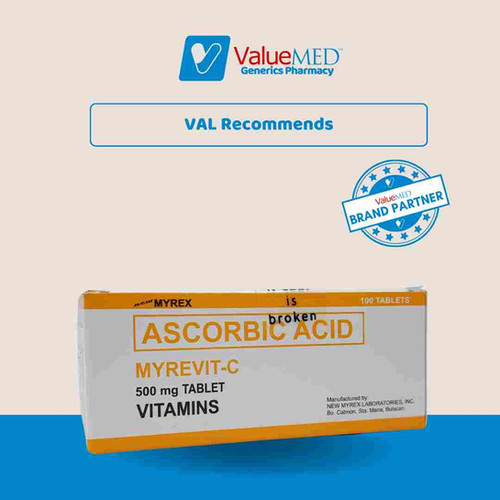
Ascorbic Acid (Sustained-release): A Comprehensive Medical SEO Guide
1. Introduction & Overview of Ascorbic Acid (Sustained-release)
Ascorbic Acid, commonly known as Vitamin C, is an essential water-soluble vitamin vital for numerous physiological functions in the human body. Unlike most animals, humans cannot synthesize Vitamin C endogenously and must obtain it through diet or supplementation. It is renowned for its potent antioxidant properties and its indispensable role as a cofactor in various enzymatic reactions.
The development of sustained-release (SR) formulations of Ascorbic Acid represents a significant advancement in supplementation. Traditional, immediate-release Vitamin C is rapidly absorbed and excreted, leading to transient peaks in plasma concentration followed by quick declines. Sustained-release formulations are engineered to release Ascorbic Acid gradually over several hours, aiming to maintain more stable and prolonged therapeutic blood levels. This controlled release mechanism is designed to enhance bioavailability, reduce gastrointestinal side effects often associated with large bolus doses, and optimize the body's utilization of the vitamin.
This comprehensive guide delves into the intricate details of sustained-release Ascorbic Acid, covering its mechanism of action, pharmacokinetics, detailed indications, dosage guidelines, potential risks, and interactions, providing an authoritative resource for healthcare professionals and individuals seeking to understand this crucial nutrient.
2. Deep-dive into Technical Specifications & Mechanisms
Chemical Structure and Properties
Ascorbic Acid is chemically identified as L-ascorbic acid. It is a six-carbon lactone with a molecular formula of C₆H₈O₆. Its structure contains an enediol group, which is responsible for its potent reducing (electron-donating) properties. As a water-soluble vitamin, it readily dissolves in aqueous environments, making its absorption and distribution throughout the body relatively efficient. Its redox potential is fundamental to its biological functions, allowing it to act as an antioxidant and a cofactor for metalloenzymes.
Mechanism of Action
Ascorbic Acid's diverse physiological roles stem primarily from its capacity to donate electrons, making it a powerful reducing agent.
-
Antioxidant Activity: Ascorbic Acid is a primary, non-enzymatic antioxidant in the aqueous phases of the body. It directly scavenges various reactive oxygen species (ROS) such as superoxide radical, hydroxyl radical, and singlet oxygen, as well as reactive nitrogen species (RNS). By neutralizing these free radicals, it protects cellular components like DNA, proteins, and lipids from oxidative damage, which is implicated in aging and numerous chronic diseases. Furthermore, it plays a crucial role in regenerating other antioxidants, notably alpha-tocopherol (Vitamin E), from its radical form, thereby extending its antioxidant capacity.
-
Enzymatic Cofactor: Ascorbic Acid acts as a cofactor for at least eight human enzymes, primarily monooxygenases and dioxygenases. Its role is often to maintain the iron or copper prosthetic atoms of these enzymes in their reduced state, enabling their catalytic activity.
- Collagen Synthesis: Perhaps its most well-known role, Ascorbic Acid is essential for the post-translational hydroxylation of proline and lysine residues by prolyl and lysyl hydroxylases. These hydroxylation reactions are critical for the formation of stable, cross-linked collagen fibers, which are the primary structural protein in connective tissues, skin, bones, cartilage, blood vessels, and teeth. Without adequate Vitamin C, collagen synthesis is impaired, leading to the characteristic symptoms of scurvy, such as fragile blood vessels and poor wound healing.
- Carnitine Synthesis: It is a cofactor for two enzymes involved in carnitine biosynthesis: trimethyllysine hydroxylase and gamma-butyrobetaine hydroxylase. Carnitine is vital for the transport of long-chain fatty acids into mitochondria, where they are oxidized for energy production.
- Neurotransmitter Synthesis: Ascorbic Acid is required for the activity of dopamine beta-hydroxylase, an enzyme that converts dopamine to norepinephrine, a crucial neurotransmitter. It also acts as a cofactor for peptidylglycine alpha-amidating monooxygenase, involved in the processing of various peptide hormones and neurotransmitters.
- Tyrosine Metabolism: It is involved in the metabolism of tyrosine, specifically as a cofactor for homogentisate 1,2-dioxygenase.
- Steroidogenesis: Ascorbic Acid is present in high concentrations in the adrenal glands and plays a role in the synthesis of adrenal corticosteroids.
-
Immune Function: Ascorbic Acid contributes to immune defense by supporting various cellular functions of both the innate and adaptive immune systems. It enhances phagocytic function of neutrophils, promotes lymphocyte proliferation, augments natural killer cell activity, and modulates cytokine production. It also supports the integrity of epithelial barriers, which serve as the first line of defense against pathogens.
-
Iron Absorption: Ascorbic Acid significantly enhances the absorption of non-heme iron (iron from plant sources) in the gastrointestinal tract. It achieves this by reducing ferric iron (Fe3+) to the more soluble and absorbable ferrous iron (Fe2+) and by forming soluble iron chelates, preventing the formation of insoluble iron compounds.
Pharmacokinetics
The pharmacokinetic profile of sustained-release Ascorbic Acid is designed to optimize its therapeutic effects.
- Absorption: Ascorbic Acid is absorbed primarily in the small intestine, predominantly via active transport involving sodium-dependent vitamin C transporters (SVCTs). At high doses, passive diffusion also contributes. Sustained-release formulations are engineered to release the vitamin gradually, allowing for extended contact with absorption sites and potentially increasing the total amount absorbed over time compared to an equivalent immediate-release dose. This slow release avoids saturation of transport mechanisms that can occur with high bolus doses, which often leads to significant unabsorbed vitamin being excreted.
- Distribution: Once absorbed, Ascorbic Acid is widely distributed throughout the body. It accumulates in various tissues and organs, with the highest concentrations found in the adrenal glands, pituitary gland, brain, leukocytes, and eyes. Intracellular concentrations are typically higher than plasma concentrations, reflecting its active uptake by cells.
- Metabolism: Ascorbic Acid is partially metabolized in the body. The primary metabolic pathway involves oxidation to dehydroascorbic acid, which retains some biological activity and can be reduced back to ascorbic acid. Further metabolism can lead to irreversible products such as 2,3-diketogulonic acid and ultimately oxalic acid, which is then excreted.
- Excretion: Ascorbic Acid and its metabolites are primarily excreted by the kidneys. Renal reabsorption occurs via active transport, but this mechanism can be saturated at high plasma concentrations. Sustained-release formulations, by maintaining more consistent plasma levels below saturation thresholds, may help reduce rapid urinary excretion and maximize retention.
- Half-life: The elimination half-life of Ascorbic Acid varies depending on the dose and saturation levels. In healthy individuals at typical intake, it can range from 8 to 40 days. Sustained-release aims to extend the effective half-life within the plasma by continuously replenishing the system.
| Pharmacokinetic Parameter | Immediate-Release Ascorbic Acid | Sustained-Release Ascorbic Acid |
|---|---|---|
| Absorption Rate | Rapid | Gradual, prolonged |
| Peak Plasma Levels | High, transient | Lower, more consistent |
| Absorption Efficiency | Decreases significantly at high doses | Improved at higher doses by avoiding transporter saturation |
| Urinary Excretion | Rapid, higher proportion of unabsorbed dose | Slower, potentially less waste |
| Plasma Half-Life | Shorter effective duration | Longer effective duration |
3. Extensive Clinical Indications & Usage
Ascorbic Acid (Sustained-release) is indicated for a variety of conditions, primarily related to its antioxidant and collagen-synthesizing properties.
Primary Indications
- Prevention and Treatment of Scurvy: This is the classic and definitive indication for Ascorbic Acid. Scurvy results from severe Vitamin C deficiency and manifests with symptoms like fatigue, malaise, gingivitis (swollen, bleeding gums), petechiae (small red spots on the skin), ecchymoses (bruising), impaired wound healing, joint pain, and anemia. Sustained-release formulations can effectively replete Vitamin C stores and reverse these symptoms.
- Immune Support: Ascorbic Acid is widely used to bolster the immune system.
- Common Cold: While not a cure, supplementation (especially sustained-release to maintain levels) has been shown to reduce the duration and severity of common cold symptoms. For individuals under severe physical stress (e.g., marathon runners, soldiers in subarctic conditions), prophylactic supplementation may also reduce the incidence of colds.
- Adjuvant in Severe Infections: High-dose intravenous Ascorbic Acid is under investigation as an adjuvant therapy in critical conditions such as sepsis and acute respiratory distress syndrome (ARDS) due to its anti-inflammatory and antioxidant properties. While promising, these applications are typically off-label and require medical supervision.
- Wound Healing: Given its critical role in collagen synthesis, Ascorbic Acid is indispensable for proper wound healing. It is often supplemented in patients recovering from surgery, trauma, burns, or those with chronic wounds (e.g., pressure ulcers) to facilitate tissue repair and scar formation. As an orthopedic specialist, I emphasize its importance in bone and connective tissue repair following injuries or surgical procedures.
- Iron Deficiency Anemia: When co-administered with iron supplements, Ascorbic Acid significantly enhances the absorption of non-heme iron from the gut. This is particularly beneficial for individuals with iron deficiency anemia, especially those who rely heavily on plant-based iron sources.
- Antioxidant Support: Ascorbic Acid is used to combat oxidative stress in various physiological contexts. While not a standalone treatment, it can be a supportive therapy in conditions associated with increased oxidative damage, such as certain cardiovascular diseases, neurodegenerative disorders, and in individuals exposed to environmental pollutants or cigarette smoke.
Other Potential/Investigational Uses
- Cardiovascular Health: Research suggests Ascorbic Acid may contribute to cardiovascular health by improving endothelial function, reducing arterial stiffness, and potentially lowering blood pressure, partly through its antioxidant effects and role in nitric oxide bioavailability.
- Eye Health: As a potent antioxidant, Ascorbic Acid is thought to play a role in protecting the eyes from oxidative damage, potentially reducing the risk of cataracts and age-related macular degeneration (AMD).
- Skin Health: Topical and oral Ascorbic Acid can contribute to skin health by promoting collagen production, protecting against UV-induced damage, and reducing hyperpigmentation.
- Adrenal Support: Due to its high concentration in the adrenal glands and role in corticosteroid synthesis, it is sometimes used in complementary medicine to support adrenal function, particularly during periods of stress.
4. Risks, Side Effects, and Contraindications
While Ascorbic Acid is generally safe and well-tolerated, especially in its sustained-release form, certain risks, side effects, and contraindications must be considered.
Side Effects
At recommended doses (up to 2 g/day), side effects are rare. However, higher doses can lead to:
* Gastrointestinal Disturbances: The most common side effects include nausea, vomiting, abdominal cramps, and diarrhea. Sustained-release formulations are often better tolerated in this regard as they deliver the vitamin more gradually, reducing the immediate osmotic load on the gut.
* Urinary Effects: Increased urination may occur. In susceptible individuals (e.g., those with pre-existing renal disease or a history of kidney stones), very high doses (typically >2 g/day) may increase the risk of oxalate kidney stone formation due to the metabolism of Ascorbic Acid to oxalate.
Contraindications
- Known Hypersensitivity: To Ascorbic Acid or any component of the sustained-release formulation.
- Hemochromatosis and Other Iron Overload Disorders: Due to its ability to enhance iron absorption, Ascorbic Acid is contraindicated in individuals with genetic hemochromatosis or other conditions causing iron overload, as it can exacerbate iron accumulation and lead to tissue damage.
- Glucose-6-Phosphate Dehydrogenase (G6PD) Deficiency: In individuals with G6PD deficiency, very high doses of Ascorbic Acid (especially intravenous) can induce hemolytic anemia, a condition where red blood cells are destroyed.
- Severe Renal Impairment/History of Calcium Oxalate Kidney Stones: Caution is advised, and high doses should be avoided due to the increased risk of oxalate stone formation.
Drug Interactions
- Anticoagulants (e.g., Warfarin): High doses of Ascorbic Acid (e.g., >1 g/day) may theoretically interfere with the anticoagulant effect of warfarin, although clinical evidence is inconsistent. Patients on warfarin should monitor their International Normalized Ratio (INR) closely if starting or stopping high-dose Vitamin C.
- Estrogen-containing Oral Contraceptives: High doses of Ascorbic Acid have been reported to increase plasma estrogen levels by inhibiting estrogen metabolism, potentially increasing side effects of oral contraceptives.
- Chemotherapy Agents: The interaction between Ascorbic Acid and chemotherapy is complex and debated. Some in vitro studies suggest high doses of antioxidants might reduce the efficacy of certain chemotherapeutic agents, while other studies suggest potential synergistic effects or reduction of chemotherapy-induced side effects. Patients undergoing chemotherapy should consult their oncologist before taking high-dose Ascorbic Acid.
- Statins (HMG-CoA Reductase Inhibitors): While generally safe, some theoretical concerns exist regarding high-dose antioxidants interfering with the cholesterol-lowering effects of statins, though clinical evidence is largely reassuring.
- Aluminum-containing Antacids: Ascorbic Acid can increase the absorption of aluminum from antacids, which can be problematic in patients with renal insufficiency. It is advisable to separate the administration times.
- Urinary Acidifiers: Ascorbic Acid acidifies the urine, which can affect the excretion rates of drugs that are pH-dependent.
- Laboratory Tests: High doses of Ascorbic Acid can interfere with several laboratory tests, leading to false readings:
- Urine Glucose Tests: False positive or false negative results depending on the method used.
- Stool Occult Blood Tests: False negative results.
- Serum Creatinine and Bilirubin Assays: Interference with certain colorimetric methods.
Pregnancy and Lactation Warnings
- Pregnancy: Ascorbic Acid is generally considered safe during pregnancy when taken at recommended daily allowances (85 mg/day for pregnant women). However, high doses (>1 g/day) should be avoided unless specifically indicated and supervised by a healthcare provider. There is a theoretical concern that excessive maternal intake during pregnancy could lead to "rebound scurvy" in the newborn after birth, as the infant's system adjusts to lower Vitamin C levels.
- Lactation: Ascorbic Acid is excreted into breast milk. It is considered safe for breastfeeding mothers at recommended dietary intakes (120 mg/day). As with pregnancy, high doses should be used with caution and only under medical advice.
Overdose Management
Acute overdose of Ascorbic Acid is rarely life-threatening due to its water-soluble nature and rapid renal excretion.
* Symptoms: Primarily gastrointestinal disturbances, including severe diarrhea, nausea, and abdominal cramps. In individuals predisposed to kidney stone formation, very high doses may precipitate stones.
* Treatment: Management is typically symptomatic and supportive. Discontinue the supplement. Ensure adequate hydration. No specific antidote exists. In rare, severe cases involving significant renal impairment or massive ingestion, medical intervention may be necessary, but dialysis is generally not required for Ascorbic Acid overdose alone.
5. Massive FAQ Section
Q1: What is sustained-release Ascorbic Acid?
A: Sustained-release Ascorbic Acid is a form of Vitamin C supplementation designed to release the vitamin gradually into your bloodstream over an extended period, typically several hours. This differs from immediate-release forms that deliver a rapid, short-lived burst of the vitamin.
Q2: How is sustained-release different from regular (immediate-release) Vitamin C?
A: The key difference lies in the release profile. Immediate-release Vitamin C is quickly absorbed and then rapidly excreted, leading to fluctuating blood levels. Sustained-release formulations are engineered to provide a slower, more consistent release, aiming to maintain stable therapeutic levels in the body for a longer duration and potentially enhancing overall absorption and utilization.
Q3: What are the main benefits of sustained-release Vitamin C?
A: Benefits include improved bioavailability due to reduced saturation of absorption mechanisms, sustained plasma levels for prolonged physiological support, and potentially reduced gastrointestinal side effects (like diarrhea) often associated with large single doses of immediate-release Vitamin C. It optimizes the body's continuous need for Vitamin C as an antioxidant and enzymatic cofactor.
Q4: Can I take sustained-release Ascorbic Acid every day?
A: Yes, sustained-release Ascorbic Acid is generally safe for daily use at recommended dosages. As an essential vitamin, consistent intake is beneficial for maintaining optimal health, immune function, and collagen synthesis. Always adhere to the dosage guidelines provided by your healthcare provider or on the product label.
Q5: What is the best time to take sustained-release Vitamin C?
A: It is generally recommended to take sustained-release Ascorbic Acid with food to minimize potential stomach upset. Due to its prolonged release, the specific time of day (morning or evening) is less critical than with immediate-release forms, but consistency is key. Some prefer taking it in the morning.
Q6: Are there any specific dietary considerations when taking it?
A: While not strictly necessary, taking Vitamin C with food can improve tolerance and absorption. It's particularly beneficial to take it with iron-rich foods or iron supplements to enhance non-heme iron absorption. Avoid taking high doses with aluminum-containing antacids.
Q7: Who should avoid taking high doses of Ascorbic Acid?
A: Individuals with certain conditions should avoid high doses of Ascorbic Acid. These include those with hemochromatosis or other iron overload disorders, glucose-6-phosphate dehydrogenase (G6PD) deficiency, severe renal impairment, or a history of calcium oxalate kidney stones. Always consult a healthcare professional if you have underlying health conditions.
Q8: Can sustained-release Vitamin C prevent colds?
A: While Vitamin C doesn't typically prevent the common cold in the general population, consistent supplementation (including sustained-release forms) can help reduce the duration and severity of cold symptoms. For individuals undergoing extreme physical stress, it may also help reduce the incidence of colds.
Q9: Is it safe to take during pregnancy or breastfeeding?
A: Ascorbic Acid is considered safe during pregnancy and breastfeeding at recommended daily allowances. However, very high doses (exceeding 1 gram per day) should be avoided unless specifically advised and monitored by a healthcare professional, due to theoretical concerns of "rebound scurvy" in newborns or potential interactions.
Q10: What happens if I take too much Ascorbic Acid?
A: Acute overdose of Ascorbic Acid is rarely dangerous. The most common symptoms are gastrointestinal upset, including diarrhea, nausea, and abdominal cramps. In very high doses (>2g/day) and in susceptible individuals, there's an increased risk of kidney stone formation. Treatment is usually symptomatic; discontinue the supplement and ensure hydration.
Q11: How does Ascorbic Acid support collagen production?
A: Ascorbic Acid is a critical cofactor for enzymes (prolyl and lysyl hydroxylases) that hydroxylate proline and lysine amino acids during collagen synthesis. This hydroxylation is essential for forming stable, strong collagen fibers, which are vital for the integrity of skin, bones, cartilage, blood vessels, and other connective tissues.
Q12: Can it help with iron absorption?
A: Yes, Ascorbic Acid significantly enhances the absorption of non-heme iron (iron from plant sources) in the digestive tract. It converts ferric iron (Fe3+) into the more readily absorbed ferrous iron (Fe2+) and forms soluble complexes with iron, making it more bioavailable. This is why it's often recommended to take iron supplements with Vitamin C.