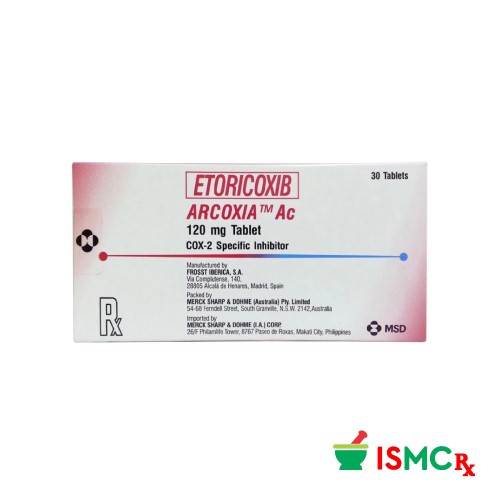
Arcoxia (Etoricoxib): A Comprehensive Medical SEO Guide
1. Introduction & Overview of Arcoxia
Arcoxia, with its active pharmaceutical ingredient etoricoxib, is a highly effective medication belonging to the class of selective cyclooxygenase-2 (COX-2) inhibitors. It is a non-steroidal anti-inflammatory drug (NSAID) specifically designed to reduce pain and inflammation by targeting the COX-2 enzyme, which is primarily responsible for mediating inflammatory processes. Unlike traditional non-selective NSAIDs that inhibit both COX-1 and COX-2 enzymes, Arcoxia's selectivity aims to offer significant therapeutic benefits with a potentially reduced risk of gastrointestinal side effects commonly associated with non-selective NSAIDs.
Developed and marketed by Merck Sharp & Dohme (MSD), etoricoxib is prescribed for the symptomatic relief of various musculoskeletal and joint conditions. Its potent anti-inflammatory and analgesic properties make it a valuable option for managing chronic pain conditions like osteoarthritis, rheumatoid arthritis, and ankylosing spondylitis, as well as acute pain scenarios such as acute gouty arthritis and post-operative dental or orthopedic pain.
This comprehensive guide delves into the intricate details of Arcoxia, providing an authoritative resource for patients, healthcare professionals, and anyone seeking in-depth knowledge about this medication. We will explore its mechanism of action, pharmacokinetic profile, detailed indications, appropriate dosage guidelines, critical contraindications, potential drug interactions, warnings for special populations like pregnant or lactating individuals, and essential information regarding overdose management.
2. Deep-Dive into Technical Specifications & Mechanisms
2.1. Mechanism of Action: Selective COX-2 Inhibition
Etoricoxib exerts its therapeutic effects by selectively inhibiting the cyclooxygenase-2 (COX-2) enzyme. To understand this mechanism, it's crucial to differentiate between the two main isoforms of cyclooxygenase:
- COX-1 (Constitutive COX): This enzyme is constitutively expressed in most tissues and plays a vital role in maintaining physiological functions. It is involved in protecting the gastric mucosa, regulating renal blood flow, and facilitating platelet aggregation. Inhibition of COX-1 is primarily responsible for the gastrointestinal side effects (e.g., ulcers, bleeding) and antiplatelet effects seen with non-selective NSAIDs.
- COX-2 (Inducible COX): This enzyme is largely inducible, meaning its expression is significantly upregulated at sites of inflammation, injury, and infection by inflammatory mediators. COX-2 is primarily responsible for the synthesis of prostaglandins that mediate pain, inflammation, and fever.
Etoricoxib is a potent, orally active, and highly selective COX-2 inhibitor. Its selectivity for COX-2 over COX-1 is approximately 106-fold, which is significantly higher than many other selective COX-2 inhibitors. By selectively blocking COX-2, etoricoxib effectively reduces the production of pro-inflammatory prostaglandins without significantly interfering with the beneficial physiological functions mediated by COX-1. This targeted action leads to:
- Analgesia: Reduction of pain perception.
- Anti-inflammatory effects: Decrease in swelling, redness, and stiffness.
- Antipyresis: Reduction of fever (though less commonly used for this purpose).
The goal of selective COX-2 inhibition is to achieve the anti-inflammatory and analgesic benefits of NSAIDs while minimizing the gastrointestinal adverse events associated with non-selective COX inhibition.
2.2. Pharmacokinetics of Etoricoxib
Pharmacokinetics describes how the body handles a drug—its absorption, distribution, metabolism, and excretion.
-
Absorption:
- Etoricoxib is well absorbed after oral administration.
- Peak plasma concentrations (Cmax) are typically reached within approximately 1 hour after administration in fasted adults.
- The mean oral bioavailability is about 100%.
- Food intake has a minor effect on the extent of absorption (AUC) but can decrease Cmax by 36% and delay time to Cmax by 2 hours. This is generally not considered clinically significant for overall efficacy.
-
Distribution:
- Etoricoxib is extensively distributed throughout the body.
- The steady-state volume of distribution (Vdss) is approximately 120 liters.
- It is highly bound to human plasma proteins, with approximately 92% binding, primarily to albumin.
-
Metabolism:
- Etoricoxib is extensively metabolized in the liver.
- The primary metabolic pathway involves the cytochrome P450 (CYP) system, particularly CYP3A4, with minor contributions from CYP2D6, CYP2C9, CYP1A2, and CYP2C19.
- Metabolism primarily involves hydroxylation to form 6'-hydroxymethyl etoricoxib, which is then oxidized to the 6'-carboxylic acid derivative.
- The metabolites are largely inactive or possess very weak COX-2 inhibitory activity.
-
Excretion:
- Etoricoxib and its metabolites are primarily excreted via the kidneys and, to a lesser extent, in the feces.
- Approximately 70% of the dose is recovered in urine, and 20% in feces, predominantly as metabolites. Less than 1% of the dose is excreted as unchanged drug in urine.
- The terminal elimination half-life (t½) of etoricoxib is approximately 22 hours, allowing for once-daily dosing.
- Steady-state plasma concentrations are achieved within approximately 7 days of once-daily administration.
3. Extensive Clinical Indications & Usage
Arcoxia is indicated for the symptomatic relief of various inflammatory and painful conditions. The choice of dose depends on the specific condition being treated. The lowest effective dose for the shortest duration necessary to control symptoms should always be used, especially considering cardiovascular risks.
3.1. Detailed Indications and Dosage Guidelines
| Indication | Recommended Daily Dose | Max Daily Dose | Duration Notes
3.2. General Considerations
- Administration: Arcoxia can be taken with or without food. Taking it with food may help reduce gastrointestinal upset in some individuals.
- Duration of Treatment: For acute conditions like acute gout or post-operative pain, treatment should be limited to the duration of acute symptoms, typically not exceeding 8 days for gout or 3-5 days for post-operative pain. For chronic conditions, long-term treatment should be regularly reviewed, and the lowest effective dose should be maintained.
- Renal Impairment: For patients with mild renal impairment (creatinine clearance 30-80 mL/min), no dosage adjustment is generally needed. For moderate renal impairment (creatinine clearance <30 mL/min), etoricoxib is contraindicated.
- Hepatic Impairment:
- Mild hepatic impairment (Child-Pugh score 5-6): A dose of 60 mg once daily should not be exceeded.
- Moderate hepatic impairment (Child-Pugh score 7-9): A dose of 30 mg once daily should not be exceeded.
- Severe hepatic impairment (Child-Pugh score >9): Etoricoxib is contraindicated.
- Elderly Patients: No dosage adjustment is generally necessary for elderly patients. However, caution is advised as elderly patients are more prone to adverse effects, particularly cardiovascular and gastrointestinal events.
4. Risks, Side Effects, and Contraindications
While Arcoxia offers significant benefits, it is associated with a range of potential risks, side effects, and contraindications that must be carefully considered.
4.1. Contraindications
Arcoxia is contraindicated in patients with:
- Hypersensitivity: Known hypersensitivity to etoricoxib or any component of the formulation, or to other NSAIDs, including aspirin.
- Active Peptic Ulceration or Gastrointestinal Bleeding: Due to the risk of exacerbating these conditions.
- Inflammatory Bowel Disease: (e.g., Crohn's disease, ulcerative colitis) in active stage.
- Severe Hepatic Dysfunction: (Child-Pugh score >9).
- Severe Renal Dysfunction: (Creatinine clearance <30 mL/min).
- Congestive Heart Failure (CHF): New York Heart Association (NYHA) Class II-IV.
- Established Ischemic Heart Disease, Peripheral Arterial Disease, and/or Cerebrovascular Disease: Including patients who have undergone coronary artery bypass graft (CABG) surgery.
- Uncontrolled Hypertension: Blood pressure that is persistently elevated and not adequately controlled.
- Pregnancy and Lactation: As discussed in a later section.
- Children and Adolescents: Under 16 years of age.
4.2. Warnings and Precautions
- Cardiovascular Thrombotic Events:
- Like other selective COX-2 inhibitors and non-selective NSAIDs, etoricoxib may be associated with an increased risk of serious cardiovascular thrombotic events (e.g., myocardial infarction, stroke), which can be fatal.
- The risk may increase with dose and duration of use.
- Patients with a history of cardiovascular disease or risk factors for cardiovascular disease should be treated with caution, and the lowest effective dose for the shortest duration should be used.
- Regular monitoring of blood pressure is crucial during treatment.
- Gastrointestinal Effects:
- While selective COX-2 inhibitors aim to reduce GI risk, serious GI adverse events (e.g., bleeding, ulceration, perforation of the stomach or intestines) can still occur, especially in elderly patients or those with a history of GI disease.
- Concomitant use with aspirin (even low dose) or other NSAIDs increases the GI risk.
- Renal Effects:
- NSAIDs, including etoricoxib, can cause dose-dependent renal toxicity, leading to fluid retention, edema, hypertension, and potentially acute renal failure.
- Caution is advised in patients with pre-existing renal impairment, heart failure, or cirrhosis, and in those taking diuretics or ACE inhibitors.
- Hepatic Effects:
- Rare cases of severe liver reactions, including fulminant hepatitis, liver necrosis, and hepatic failure, have been reported.
- Patients should be monitored for signs of liver dysfunction. If liver function tests (LFTs) become abnormal, treatment should be discontinued.
- Fluid Retention and Edema:
- Etoricoxib can cause fluid retention and edema, which may exacerbate pre-existing heart failure or hypertension.
- Use with caution in patients prone to these conditions.
- Skin Reactions:
- Serious skin reactions, some fatal, including exfoliative dermatitis, Stevens-Johnson syndrome (SJS), and toxic epidermal necrolysis (TEN), have been reported rarely.
- Discontinue etoricoxib at the first appearance of skin rash, mucosal lesions, or any other sign of hypersensitivity.
- Hypersensitivity Reactions:
- As with other NSAIDs, allergic reactions, including anaphylactic/anaphylactoid reactions, can occur without prior exposure to the drug.
- Patients with a history of asthma, urticaria, or other allergic-type reactions to aspirin or other NSAIDs may be at increased risk.
- Masking Infection:
- Etoricoxib's anti-inflammatory effect may mask the signs of infection.
4.3. Side Effects
Side effects can vary in frequency and severity. Patients should report any unusual or severe symptoms to their doctor.
Common Side Effects (≥1%):
* Gastrointestinal: Abdominal pain, discomfort, flatulence, heartburn, nausea, diarrhea, dyspepsia.
* Cardiovascular: Hypertension (high blood pressure).
* Central Nervous System: Headache, dizziness.
* General: Edema (swelling), flu-like symptoms.
* Liver: Elevated liver enzymes (ALT, AST).
Uncommon Side Effects (<1%):
* Gastrointestinal: Gastritis, oral ulcer, vomiting, constipation, dry mouth, taste alteration, irritable bowel syndrome.
* Cardiovascular: Palpitations, tachycardia, congestive heart failure, angina, arrhythmia, flushing.
* Central Nervous System: Anxiety, depression, somnolence, insomnia, paraesthesia/hypoesthesia.
* Skin: Rash, pruritus (itching).
* Renal: Proteinuria, elevated serum creatinine, renal impairment.
* General: Asthenia/fatigue, muscle cramps/spasm, weight gain, chest pain.
* Hematological: Anemia, leukopenia, thrombocytopenia.
* Ear/Eye: Tinnitus, blurred vision.
Rare Side Effects:
* Gastrointestinal: Peptic ulcer, GI bleeding, GI perforation.
* Cardiovascular: Myocardial infarction, stroke, transient ischemic attack (TIA).
* Hepatic: Hepatitis, liver failure, jaundice.
* Skin: Stevens-Johnson syndrome, toxic epidermal necrolysis, urticaria, angioedema.
* Hypersensitivity: Anaphylactic/anaphylactoid reactions.
5. Drug Interactions
Etoricoxib is metabolized by various CYP enzymes and can affect the metabolism and renal clearance of other drugs. Careful monitoring is required when Arcoxia is co-administered with the following:
- Oral Anticoagulants (e.g., Warfarin): Etoricoxib can significantly increase the prothrombin time (INR) in patients receiving warfarin. This increases the risk of bleeding. Concurrent use requires careful monitoring of INR, especially during initiation or change of etoricoxib dosage.
- Diuretics, ACE Inhibitors, and Angiotensin II Receptor Antagonists (ARBs): NSAIDs can reduce the natriuretic effect of diuretics and the antihypertensive effect of ACE inhibitors and ARBs. In some patients with compromised renal function, co-administration can lead to acute renal failure. Patients, especially the elderly or those dehydrated, should be adequately hydrated and renal function monitored.
- Aspirin: While etoricoxib can be used with low-dose aspirin for cardiovascular prophylaxis, concomitant use significantly increases the risk of gastrointestinal ulceration and other GI complications compared to etoricoxib alone. Etoricoxib does not affect platelet function or antiplatelet aggregation induced by low-dose aspirin.
- Ciclosporin and Tacrolimus: Co-administration with NSAIDs may increase the nephrotoxic effects of ciclosporin and tacrolimus. Renal function should be monitored.
- Lithium: NSAIDs can decrease renal clearance of lithium, leading to increased plasma lithium levels and potential toxicity. Close monitoring of lithium levels is necessary.
- Methotrexate: Etoricoxib may increase plasma concentrations of methotrexate, potentially increasing its toxicity. Caution and monitoring are advised, especially in patients receiving high-dose methotrexate.
- Oral Contraceptives: Etoricoxib may increase plasma concentrations of ethinyl estradiol (a component of oral contraceptives), potentially increasing the risk of adverse events associated with oral contraceptives (e.g., venous thromboembolism). Consider alternative contraception or monitor for side effects.
- Digoxin: Etoricoxib may increase plasma digoxin levels. Patients on digoxin should be monitored.
- Rifampicin: Co-administration with rifampicin, a potent inducer of hepatic metabolism, can decrease etoricoxib plasma concentrations, potentially reducing its efficacy.
- Other NSAIDs/COX-2 Inhibitors: Concomitant use with other NSAIDs or selective COX-2 inhibitors is not recommended due to increased risk of adverse events without added therapeutic benefit.
6. Pregnancy and Lactation Warnings
6.1. Pregnancy
- First and Second Trimesters: Studies in animals have shown reproductive toxicity. The potential risk for humans is unknown. Etoricoxib should only be used during the first and second trimesters if the potential benefit justifies the potential risk to the fetus.
- Third Trimester: Arcoxia, like other NSAIDs, is contraindicated during the third trimester of pregnancy. Inhibition of prostaglandin synthesis during this period can lead to:
- Fetal Cardiovascular Effects: Premature closure of the ductus arteriosus, pulmonary hypertension.
- Fetal Renal Dysfunction: Oligohydramnios (low amniotic fluid) due to impaired fetal renal function, potentially leading to renal failure.
- Maternal Complications: Prolongation of labor, increased bleeding tendency.
- Fertility: Use of etoricoxib, like other NSAIDs, may impair female fertility and is not recommended in women attempting to conceive.
6.2. Lactation (Breastfeeding)
- Etoricoxib is excreted in the milk of lactating rats. It is unknown whether etoricoxib is excreted in human breast milk.
- Due to the potential for serious adverse reactions in breastfed infants, a decision should be made whether to discontinue breastfeeding or discontinue the drug, taking into account the importance of the drug to the mother.
- Therefore, Arcoxia is generally contraindicated during breastfeeding.
7. Overdose Management
In the event of an Arcoxia overdose, supportive care is the primary approach, as there is no specific antidote.
7.1. Symptoms of Overdose
Experience with etoricoxib overdose is limited. Symptoms observed in cases of acute overdose with other NSAIDs generally include:
- Gastrointestinal: Nausea, vomiting, epigastric pain, GI bleeding.
- Central Nervous System: Drowsiness, lethargy, dizziness, headache, tinnitus.
- Renal: Acute renal failure (rare).
- Other: Hypertension.
7.2. Management of Overdose
- Immediate Medical Attention: Seek emergency medical help immediately.
- Supportive Care: Treatment should be symptomatic and supportive.
- Gastric Decontamination:
- Consider inducing emesis (vomiting) or performing gastric lavage if presented within one hour of ingestion of a potentially toxic amount.
*
- Consider inducing emesis (vomiting) or performing gastric lavage if presented within one hour of ingestion of a potentially toxic amount.