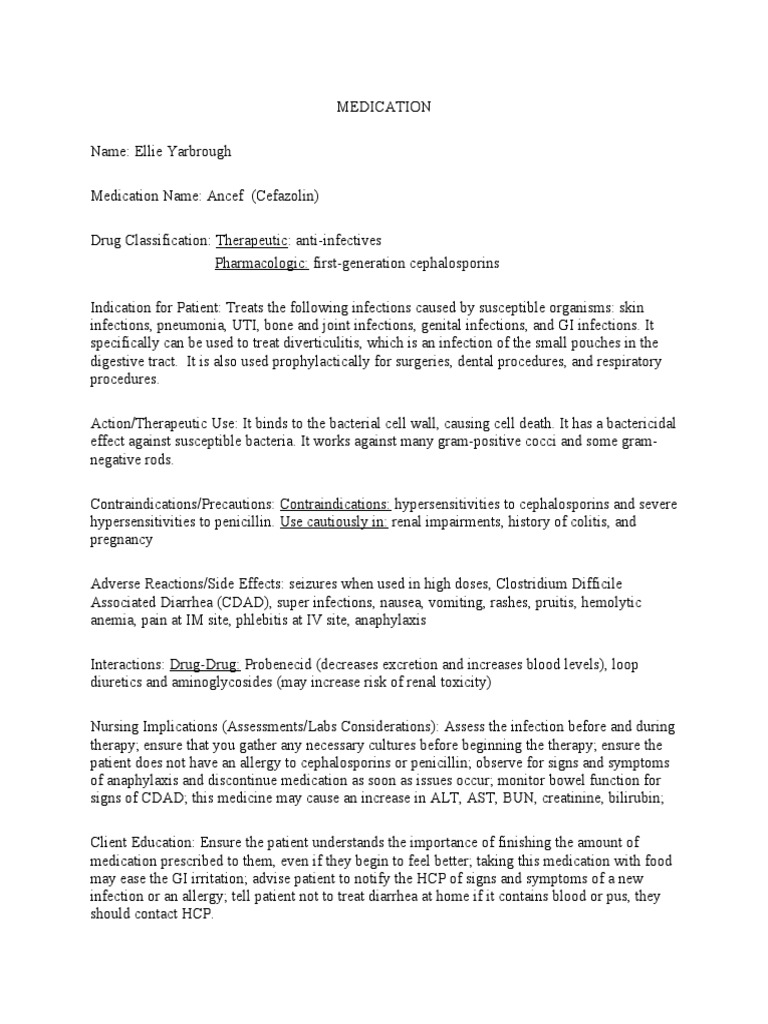
Ancef (Cefazolin): A Comprehensive Medical SEO Guide for Clinicians and Patients
As an expert medical SEO copywriter and orthopedic specialist, I understand the critical need for accurate, in-depth information on medications like Ancef. Ancef, the brand name for cefazolin, is a widely used first-generation cephalosporin antibiotic that plays a pivotal role in treating various bacterial infections and, crucially, in surgical prophylaxis—especially within orthopedic surgery. This exhaustive guide provides a deep dive into cefazolin's pharmacology, clinical applications, safety profile, and more, ensuring both healthcare providers and informed patients have access to authoritative knowledge.
Introduction & Overview of Cefazolin
Cefazolin, marketed prominently as Ancef, is a potent bactericidal antibiotic belonging to the cephalosporin class. Discovered in the early 1960s, it quickly became a cornerstone in antimicrobial therapy due to its effective spectrum against many Gram-positive bacteria and some Gram-negative organisms. Its utility in preventing infections following surgical procedures, particularly in orthopedics, cannot be overstated. By targeting the bacterial cell wall, cefazolin effectively eradicates susceptible pathogens, making it an indispensable tool in modern medicine.
This guide will dissect the intricate details of cefazolin, from its molecular mechanism of action to its pharmacokinetic profile, diverse clinical indications, precise dosage guidelines, potential risks, and crucial management strategies for adverse events or overdose.
Deep-Dive into Technical Specifications & Mechanisms
Understanding how Ancef works at a molecular level is fundamental to appreciating its therapeutic efficacy. Its classification as a first-generation cephalosporin also dictates its unique pharmacokinetic properties.
Mechanism of Action
Cefazolin exerts its potent bactericidal effect by interfering with the synthesis of the bacterial cell wall. This critical process is essential for bacterial survival and structural integrity.
- Target: Cefazolin primarily targets penicillin-binding proteins (PBPs), which are enzymes located in the bacterial cell membrane. PBPs are crucial for catalyzing the final stages of peptidoglycan synthesis, the main component of the bacterial cell wall.
- Binding & Inhibition: Cefazolin covalently binds to and inactivates these PBPs. This binding prevents the transpeptidation reaction, which is the cross-linking of peptidoglycan chains.
- Cell Wall Disruption: The inhibition of peptidoglycan cross-linking leads to a defective, unstable cell wall. This structural compromise results in increased osmotic pressure within the bacterial cell, ultimately leading to cell lysis and death.
- Bactericidal Effect: This direct killing of bacteria, rather than merely inhibiting their growth, classifies cefazolin as a bactericidal antibiotic.
Pharmacokinetics
The pharmacokinetics of cefazolin describe how the body processes the drug—its absorption, distribution, metabolism, and excretion.
- Administration: Cefazolin is administered parenterally, typically via intravenous (IV) or intramuscular (IM) injection. It is not absorbed orally.
- Absorption:
- Intravenous (IV): Provides rapid and complete systemic absorption, achieving peak plasma concentrations almost immediately.
- Intramuscular (IM): Rapidly and completely absorbed, reaching peak plasma concentrations within 1 to 2 hours.
- Distribution:
- Wide Distribution: Cefazolin distributes widely into most body tissues and fluids, including synovial fluid, pleural fluid, pericardial fluid, bile, and bone. This excellent bone penetration is particularly advantageous in orthopedic infections and prophylaxis.
- Protein Binding: Approximately 70-86% of cefazolin is reversibly bound to plasma proteins, primarily albumin.
- CNS Penetration: Penetration into the cerebrospinal fluid (CSF) is generally poor in individuals with uninflamed meninges but may increase slightly with meningeal inflammation.
- Placental Transfer: Cefazolin crosses the placental barrier.
- Metabolism: Cefazolin undergoes minimal metabolism in the body.
- Elimination:
- Renal Excretion: The vast majority (80-100%) of an administered dose is excreted unchanged in the urine, primarily via glomerular filtration and renal tubular secretion.
- Half-life: The plasma elimination half-life is approximately 1.8 hours in individuals with normal renal function. This half-life is significantly prolonged in patients with impaired renal function, necessitating dosage adjustments.
Extensive Clinical Indications & Usage
Cefazolin's broad spectrum of activity against many Gram-positive and some Gram-negative bacteria makes it suitable for treating a variety of infections. Its excellent tissue penetration, especially into bone, makes it a favored choice in orthopedic settings.
Detailed Indications
Cefazolin is indicated for the treatment of the following infections caused by susceptible microorganisms:
- Respiratory Tract Infections: Including bronchitis, pneumonia, and empyema.
- Skin and Skin Structure Infections: Such as cellulitis, abscesses, and wound infections.
- Bone and Joint Infections: Osteomyelitis, septic arthritis. This is a primary indication in orthopedics.
- Urinary Tract Infections: Including pyelonephritis and cystitis.
- Biliary Tract Infections: Cholecystitis, cholangitis.
- Endocarditis: Prophylaxis and treatment of endocarditis, particularly in patients undergoing dental or surgical procedures at risk of bacterial endocarditis.
- Septicemia: Bloodstream infections.
Surgical Prophylaxis: An Orthopedic Specialist's Perspective
From an orthopedic standpoint, cefazolin is an indispensable agent for preventing surgical site infections (SSIs). SSIs can lead to devastating complications, prolonged hospital stays, and increased healthcare costs.
- Primary Goal: To establish adequate tissue concentrations of the antibiotic at the surgical site before bacterial contamination occurs during the procedure.
- Common Orthopedic Procedures:
- Total joint arthroplasty (hip, knee, shoulder replacement)
- Fracture fixation (open reduction and internal fixation)
- Spinal fusion and other spinal surgeries
- Limb salvage procedures
- Amputations
- Pathogens Targeted: Primarily targets Staphylococcus aureus (including methicillin-susceptible strains) and Streptococcus species, which are common culprits in orthopedic SSIs.
- Timing: The initial prophylactic dose should be administered intravenously within 60 minutes prior to the surgical incision to ensure optimal tissue levels at the time of incision.
- Duration: For most clean and clean-contaminated procedures, a single pre-operative dose is sufficient. Prolonged post-operative prophylaxis is generally not recommended as it increases the risk of antibiotic resistance and Clostridioides difficile infection without clear benefit. However, in certain high-risk orthopedic cases (e.g., prolonged surgery, significant blood loss, or specific patient factors), intraoperative redosing or a limited course of post-operative doses may be considered based on clinical judgment and institutional guidelines.
Dosage Guidelines
Dosage of cefazolin varies significantly based on the type and severity of infection, patient age, and renal function.
Adult Dosing (IV or IM)
| Indication | Recommended Dosage | Frequency |
|---|---|---|
| Mild to Moderate Infections | 250 mg to 1 gram | Every 6 to 8 hours |
| Severe Infections | 1 gram to 2 grams | Every 6 to 8 hours |
| Endocarditis Prophylaxis (Dental/Surgical) | 1 gram (IV/IM) | 30-60 minutes before procedure |
| Surgical Prophylaxis (General) | 1 gram (IV) | 30-60 minutes before incision |
| Surgical Prophylaxis (Patients > 120 kg) | 2 grams (IV) | 30-60 minutes before incision |
| Intraoperative Redosing (if surgery > 4 hours) | 1 gram (IV) | Every 4 hours during prolonged surgery |
Pediatric Dosing (IV or IM)
- General Infections: 25-50 mg/kg/day in 3 or 4 equally divided doses.
- Severe Infections: Up to 100 mg/kg/day in 3 or 4 equally divided doses.
- Surgical Prophylaxis: 25 mg/kg (up to 1 gram) 30-60 minutes before incision.
Dosage Adjustment in Renal Impairment
Cefazolin is primarily eliminated by the kidneys, so dosage adjustments are crucial in patients with impaired renal function to prevent accumulation and potential toxicity.
| Creatinine Clearance (CrCl) | Recommended Dosage Adjustment |
|---|---|
| > 50 mL/min | No adjustment needed; administer usual dose. |
| 20-50 mL/min | Administer usual full initial dose, then 1/2 of the usual dose every 12 hours. |
| 10-19 mL/min | Administer usual full initial dose, then 1/4 of the usual dose every 12 hours. |
| < 10 mL/min (including hemodialysis patients) | Administer usual full initial dose, then 1/2 of the usual dose every 18-24 hours. Supplement after dialysis. |
Administration Notes:
* Cefazolin can be given by deep IM injection or by IV injection or infusion.
* For IV administration, it should be diluted according to manufacturer guidelines and infused over 3-5 minutes (for direct IV) or 30-60 minutes (for intermittent infusion).
* Always inspect parenteral drug products for particulate matter and discoloration prior to administration.
Risks, Side Effects, and Contraindications
While generally well-tolerated, cefazolin, like all medications, carries potential risks and side effects. It is crucial for healthcare providers to be aware of these and for patients to report any unusual symptoms.
Contraindications
- Hypersensitivity: Cefazolin is strictly contraindicated in patients with a known history of severe hypersensitivity (e.g., anaphylaxis, severe skin reactions) to cefazolin or any other cephalosporin antibiotic.
- Penicillin Allergy: Extreme caution should be exercised in patients with a history of severe immediate hypersensitivity reactions to penicillin. While cross-reactivity between penicillins and cephalosporins is lower than previously thought (estimated around 1-5% for first-generation cephalosporins), it can still occur and be life-threatening.
Warnings & Precautions
- Hypersensitivity Reactions: Serious, and occasionally fatal, hypersensitivity (anaphylactic) reactions have been reported. These reactions are more likely to occur in individuals with a history of sensitivity to multiple allergens. Discontinue cefazolin immediately if an allergic reaction occurs.
- Clostridioides difficile-Associated Diarrhea (CDAD): CDAD has been reported with nearly all antibacterial agents, including cefazolin, and can range in severity from mild diarrhea to fatal colitis. It is essential to consider this diagnosis in patients who present with diarrhea subsequent to antibiotic administration.
- Renal Impairment: Dosage adjustments are necessary in patients with impaired renal function to avoid drug accumulation and potential toxicity (e.g., seizures).
- Superinfection: Prolonged use of cefazolin may result in the overgrowth of non-susceptible organisms, leading to superinfections.
- Vitamin K Deficiency/Bleeding: Cephalosporins, including cefazolin, can rarely cause hypoprothrombinemia and bleeding, particularly in patients with vitamin K deficiency or renal/hepatic impairment. Monitor prothrombin time/INR if indicated.
- Seizures: High doses, especially in patients with renal insufficiency, can lead to CNS toxicity, including seizures.
Common Side Effects
Most side effects associated with cefazolin are mild and transient.
- Gastrointestinal: Nausea, vomiting, diarrhea, abdominal cramps, anorexia, oral candidiasis (thrush).
- Hypersensitivity Reactions: Rash, pruritus (itching), urticaria.
- Local Reactions: Pain, tenderness, or induration at the IM injection site; phlebitis or thrombophlebitis at the IV infusion site.
- Hematologic: Eosinophilia, leukopenia, thrombocytopenia, neutropenia (usually transient and reversible).
- Hepatic: Transient elevations in liver enzymes (AST, ALT, alkaline phosphatase).
Serious Side Effects (Rare)
- Anaphylaxis
- Severe cutaneous adverse reactions (e.g., Stevens-Johnson syndrome, toxic epidermal necrolysis)
- C. difficile colitis (pseudomembranous colitis)
- Seizures (especially with high doses in renal impairment)
- Renal dysfunction (interstitial nephritis)
Drug Interactions
Several medications can interact with cefazolin, potentially altering its efficacy or increasing the risk of adverse effects.
- Probenecid: Co-administration with probenecid decreases the renal tubular secretion of cefazolin, resulting in higher and more prolonged serum concentrations. This interaction can be used therapeutically in some cases but requires careful monitoring.
- Anticoagulants (e.g., Warfarin): Cephalosporins may alter vitamin K metabolism, potentially enhancing the anticoagulant effect of warfarin. Close monitoring of INR and prothrombin time is recommended if co-administered.
- Nephrotoxic Drugs (e.g., Aminoglycosides, Furosemide): Concurrent administration of cefazolin with other potentially nephrotoxic drugs may increase the risk of renal toxicity. Monitor renal function closely.
- Oral Contraceptives: While less firmly established for cefazolin compared to some other antibiotics, some broad-spectrum antibiotics can theoretically reduce the efficacy of oral contraceptives by interfering with enterohepatic recirculation of estrogen. Advise backup contraceptive methods if concerns arise.
- Live Bacterial Vaccines (e.g., Typhoid Vaccine): Antibiotics may diminish the therapeutic effect of live bacterial vaccines. Administer such vaccines at least 24 hours after the last dose of cefazolin.
Pregnancy and Lactation Warnings
- Pregnancy Category B: Animal reproduction studies have not demonstrated a risk to the fetus, and there are no adequate and well-controlled studies in pregnant women. Cefazolin is generally considered safe for use during pregnancy when clearly needed. However, like all drugs, it should be used only if the potential benefit justifies the potential risk to the fetus. Cefazolin crosses the placental barrier.
- Lactation: Cefazolin is excreted in human breast milk in low concentrations. While generally considered compatible with breastfeeding, caution should be exercised. Monitor breastfed infants for potential adverse effects such as diarrhea, candidiasis (thrush), or allergic sensitization.
Overdose Management
In the event of an overdose of cefazolin, symptoms can vary depending on the severity and the individual's renal function.
- Symptoms of Overdose: Symptoms may include nausea, vomiting, diarrhea, epigastric distress, and, particularly in patients with renal failure, neurological manifestations such as convulsions, tremors, and myoclonus.
- Management:
- Symptomatic and Supportive Care: Treatment should be primarily symptomatic and supportive. Maintain airway, breathing, and circulation.
- Gastric Decontamination: Not typically applicable for parenteral overdose.
- Fluid and Electrolyte Balance: Correct any fluid and electrolyte imbalances.
- Anticonvulsants: If seizures occur, anticonvulsant therapy (e.g., diazepam or lorazepam) may be administered.
- Hemodialysis: Cefazolin is efficiently removed by hemodialysis. In cases of severe overdose, especially in patients with impaired renal function, hemodialysis may be beneficial to accelerate drug elimination. Peritoneal dialysis is less effective.
Massive FAQ Section
Q1: What is Ancef (Cefazolin) used for?
Ancef (cefazolin) is a first-generation cephalosporin antibiotic used to treat various bacterial infections, including those of the respiratory tract, skin, bones, joints, and urinary tract. It is also extensively used for surgical prophylaxis, especially in orthopedic procedures, to prevent infections.
Q2: Is Ancef a penicillin? Can I take it if I'm allergic to penicillin?
No, Ancef is not a penicillin. It belongs to a different class of antibiotics called cephalosporins. While there is a small chance of cross-reactivity between penicillins and first-generation cephalosporins like cefazolin (estimated 1-5%), it's crucial to inform your doctor about any penicillin allergy, especially if it was a severe reaction, before receiving Ancef.
Q3: How is Ancef administered?
Ancef is administered parenterally, meaning it is given by injection. This is typically done either intravenously (IV) into a vein or intramuscularly (IM) into a muscle. It is not available in an oral form.
Q4: How long does Ancef stay in your system?
The elimination half-life of Ancef in individuals with normal kidney function is approximately 1.8 hours. This means it takes about 1.8 hours for half of the drug to be cleared from the body. Most of the drug is typically cleared within 10-12 hours, but this can be significantly longer in patients with kidney impairment.
Q5: Can Ancef cause Clostridioides difficile infection (CDI)?
Yes, like nearly all antibiotics, Ancef can disrupt the normal balance of bacteria in the gut, potentially leading to an overgrowth of Clostridioides difficile. This can cause symptoms ranging from mild diarrhea to severe, life-threatening colitis. Report any severe or persistent diarrhea to your doctor immediately.
Q6: What are the most common side effects of Ancef?
Common side effects include nausea, vomiting, diarrhea, abdominal cramps, rash, itching, and pain or tenderness at the injection site. These are usually mild and temporary.
Q7: Is Ancef safe during pregnancy or breastfeeding?
Ancef is categorized as Pregnancy Category B, meaning animal studies have not shown harm to the fetus, but human studies are limited. It is generally considered safe if clearly needed, but always consult your doctor. It is excreted in low concentrations in breast milk; generally considered compatible with breastfeeding, but monitor the infant for gastrointestinal upset or thrush.
Q8: Why is Ancef often used before surgery, especially in orthopedics?
Ancef is a preferred antibiotic for surgical prophylaxis because it effectively targets common bacteria that cause surgical site infections (like Staphylococcus aureus), penetrates well into bone and other surgical tissues, and has a favorable safety profile. Administering it before surgery helps prevent infections from bacteria introduced during the procedure.
Q9: Can Ancef be used to treat MRSA (Methicillin-Resistant Staphylococcus aureus)?
No, Ancef (cefazolin) is a first-generation cephalosporin and is generally not effective against MRSA. For suspected or confirmed MRSA infections, different classes of antibiotics are typically required.
Q10: What should I tell my doctor before receiving Ancef?
You should inform your doctor about all your medical conditions, especially kidney disease, a history of gastrointestinal problems (especially colitis), or any allergies (particularly to penicillins or other antibiotics). Also, disclose all medications you are currently taking, including over-the-counter drugs, supplements, and herbal remedies.
Q11: Are there any specific dietary restrictions while taking Ancef?
No, there are no specific dietary restrictions or foods to avoid while receiving Ancef. You can generally continue your normal diet unless otherwise advised by your healthcare provider.
Q12: How will I know if Ancef is working for my infection?
If Ancef is effectively treating your infection, you should notice an improvement in your symptoms, such as reduced fever, decreased pain, less redness or swelling, and a general feeling of getting better. Your doctor may also monitor blood tests (like white blood cell count) or culture results to confirm treatment success.