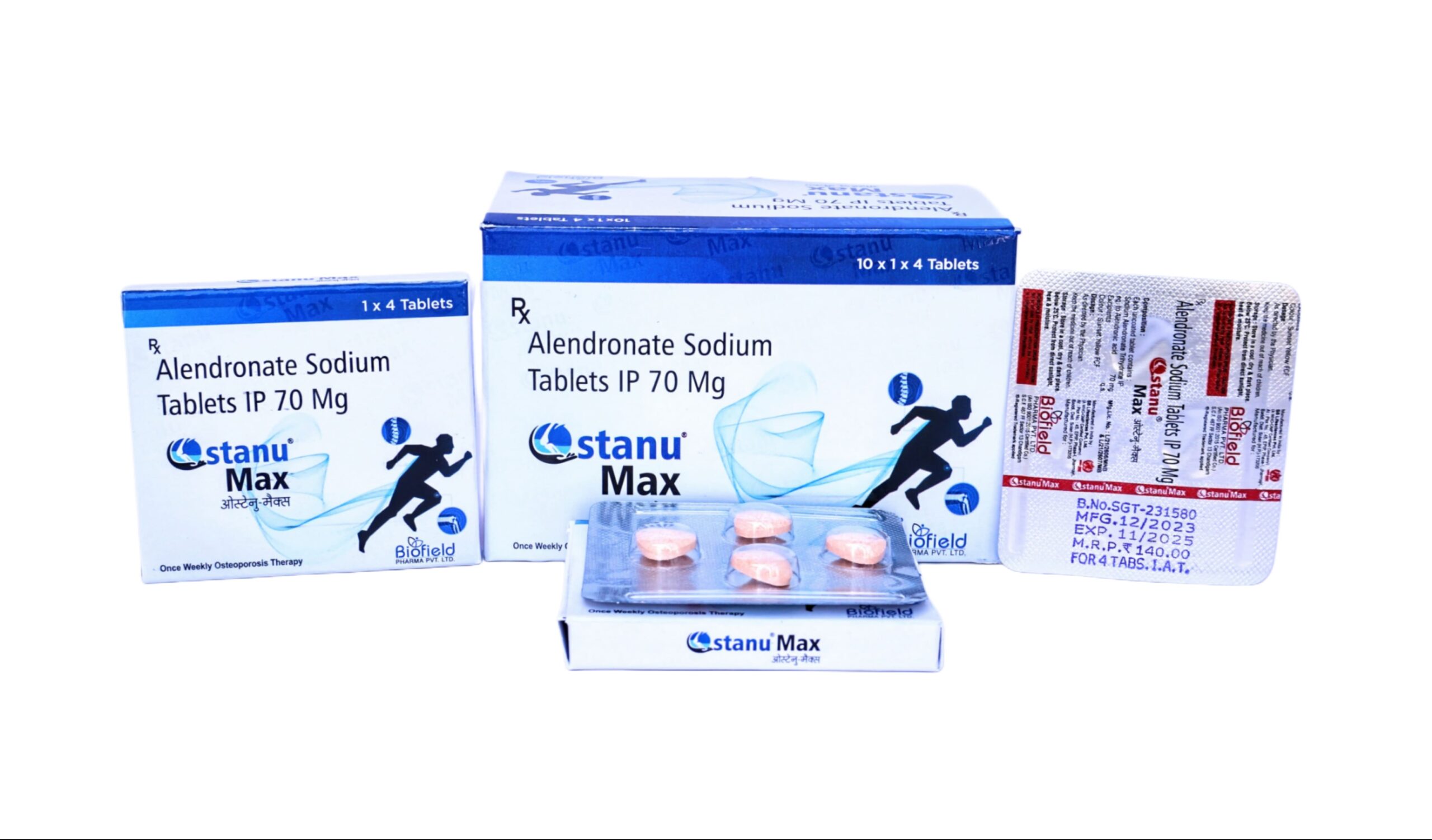
Alendronate: A Comprehensive Guide to Bone Health and Osteoporosis Treatment
Welcome to this authoritative guide on Alendronate, a cornerstone medication in the management of osteoporosis and other bone-related conditions. As an expert in orthopedic health and medical SEO, we aim to provide an exhaustive, easy-to-understand, yet scientifically robust overview of this critical drug. Whether you are a patient, caregiver, or healthcare professional, this resource will delve deep into how Alendronate works, its uses, proper administration, potential risks, and much more.
What is Alendronate? An Overview
Alendronate is a bisphosphonate medication widely prescribed to strengthen bones and prevent fractures. It belongs to a class of drugs that specifically target the processes responsible for bone breakdown, thereby helping to maintain or even increase bone mineral density (BMD). Primarily known under brand names like Fosamax, it has revolutionized the treatment landscape for osteoporosis, a condition characterized by weak and brittle bones.
This guide will cover:
* The intricate mechanism by which Alendronate fortifies your bones.
* Its journey through your body (pharmacokinetics).
* The specific conditions it is approved to treat.
* Detailed dosage and administration instructions to maximize efficacy and minimize risks.
* Important contraindications and potential drug interactions.
* Guidance for special populations like pregnant or lactating individuals.
* What to do in case of an overdose.
* A comprehensive FAQ section addressing common concerns.
Our goal is to empower you with knowledge, ensuring a safer and more effective treatment journey.
Understanding Alendronate: A Scientific Perspective
To truly appreciate Alendronate's role, it's essential to understand the science behind its action and how your body processes it.
Chemical Structure and Classification
Alendronate is a nitrogen-containing bisphosphonate (N-BP). Its chemical structure is a synthetic analogue of pyrophosphate, a naturally occurring compound involved in bone mineralization. The key difference lies in the replacement of oxygen with carbon in the P-O-P bond, creating a P-C-P bond that is highly resistant to enzymatic hydrolysis. This structural modification is crucial for its therapeutic effect and prolonged action.
Mechanism of Action (MoA)
Alendronate's mechanism of action is highly specific to bone tissue and the cells responsible for bone resorption.
1. High Affinity for Bone Mineral: Alendronate, once absorbed, rapidly targets and binds strongly to hydroxyapatite crystals, the primary mineral component of bone, particularly at sites of active bone remodeling where resorption is occurring.
2. Osteoclast Uptake: When osteoclasts (the cells responsible for breaking down bone tissue) begin their resorption process, they internalize the bisphosphonate-laden bone mineral.
3. Inhibition of Farnesyl Pyrophosphate Synthase: Inside the osteoclast, Alendronate interferes with the mevalonate pathway by inhibiting the enzyme farnesyl pyrophosphate synthase. This enzyme is critical for the biosynthesis of isoprenoid lipids, which are essential for the post-translational modification (prenylation) of small GTPases (e.g., Ras, Rho, Rac).
4. Disruption of Osteoclast Function: Without proper prenylation, these GTPases cannot localize to the cell membrane and perform their functions, which are vital for osteoclast survival, activity, and formation of the ruffled border essential for bone resorption.
5. Induction of Osteoclast Apoptosis: The disruption of the mevalonate pathway ultimately leads to dysfunctional osteoclasts that are unable to adhere to the bone surface and resorb bone efficiently. This cascade of events eventually induces apoptosis (programmed cell death) in osteoclasts.
6. Reduced Bone Resorption: By reducing the number and activity of osteoclasts, Alendronate effectively decreases the rate of bone breakdown. This allows osteoblasts (bone-forming cells) to work more effectively, leading to a net gain in bone mineral density and improved bone strength.
Pharmacokinetics
Understanding how Alendronate is absorbed, distributed, metabolized, and eliminated is crucial for proper administration.
- Absorption:
- Oral bioavailability is very low, typically less than 1% (approximately 0.64% for women and 0.59% for men).
- Food, beverages (other than plain water), and certain medications (e.g., calcium, antacids) significantly reduce absorption, sometimes by up to 60-90%. This underscores the critical importance of proper administration.
- Peak plasma concentrations are achieved approximately 1 hour after dosing.
- Distribution:
- After absorption, Alendronate is rapidly distributed, with about 50% binding to plasma proteins.
- A significant portion is rapidly taken up by bone tissue, where it has a high affinity for hydroxyapatite.
- The remaining drug is excreted renally.
- Metabolism:
- Alendronate is not metabolized in humans. It is excreted unchanged.
- Elimination:
- Approximately half of the absorbed dose is excreted unchanged in the urine within 6 hours.
- The unabsorbed drug is eliminated in the feces.
- Once incorporated into bone, Alendronate is slowly released over a prolonged period, giving it a very long terminal half-life in bone (estimated to be more than 10 years). This long residence time in bone contributes to its sustained therapeutic effect even with once-weekly dosing.
Clinical Applications and Dosage Guidelines
Alendronate is a versatile medication with several key indications for improving bone health.
Primary Indications
Alendronate is approved for the treatment and prevention of various conditions characterized by excessive bone loss or abnormal bone remodeling:
- Treatment of Postmenopausal Osteoporosis:
- Goal: Increase bone mineral density (BMD) and reduce the risk of vertebral and hip fractures.
- Mechanism: By inhibiting osteoclast activity, Alendronate helps to halt bone loss and allows for bone rebuilding.
- Prevention of Postmenopausal Osteoporosis:
- Goal: For postmenopausal women at risk of developing osteoporosis, to maintain BMD and prevent bone loss.
- Considerations: Often considered for women with osteopenia (lower than normal BMD) or other risk factors.
- Treatment of Osteoporosis in Men:
- Goal: Increase BMD and reduce the risk of vertebral fractures in men with osteoporosis.
- Prevalence: While often associated with women, osteoporosis affects a significant number of men.
- Treatment of Glucocorticoid-Induced Osteoporosis:
- Goal: Prevent and treat bone loss in men and women receiving long-term systemic glucocorticoid (corticosteroid) therapy.
- Risk: Glucocorticoids are known to accelerate bone resorption and decrease bone formation.
- Treatment of Paget's Disease of Bone:
- Goal: Normalize bone turnover, reduce elevated serum alkaline phosphatase, and alleviate pain associated with Paget's disease.
- Condition: Paget's disease is a chronic disorder characterized by abnormal bone remodeling, leading to enlarged and weakened bones.
Dosage and Administration Guidelines
CRITICAL: Proper administration of Alendronate is paramount to its efficacy and to minimize the risk of esophageal adverse events.
General Administration Principles:
- Timing: Take Alendronate first thing in the morning, immediately upon waking, before consuming any food, beverages, or other medications.
- Liquid: Swallow the tablet whole with a full glass (6-8 ounces or 180-240 mL) of plain water ONLY. Do NOT use mineral water, coffee, tea, juice, milk, or any other beverage.
- Position: Remain in an upright position (sitting or standing) for at least 30 to 60 minutes after taking the tablet, and until after your first food of the day. Do NOT lie down. This helps ensure the tablet passes quickly into the stomach and reduces the risk of esophageal irritation.
- No Chewing/Sucking: Do NOT chew, crush, or suck on the tablet. It must be swallowed whole.
- Food/Drink Interval: Wait at least 30-60 minutes before consuming any food, beverages (other than plain water with the tablet), or other oral medications. This interval is crucial for optimal absorption.
- Missed Dose (Weekly): If you miss a dose of the once-weekly Alendronate, take one tablet on the morning after you remember. Do NOT take two tablets on the same day. Return to taking one tablet once a week on your originally scheduled day.
- Missed Dose (Daily): If you miss a dose of the once-daily Alendronate, skip the missed dose and continue with your regular schedule the next morning. Do NOT take two tablets in one day.
Specific Dosage Regimens (Table):
| Indication | Dose | Frequency | Notes |
|---|---|---|---|