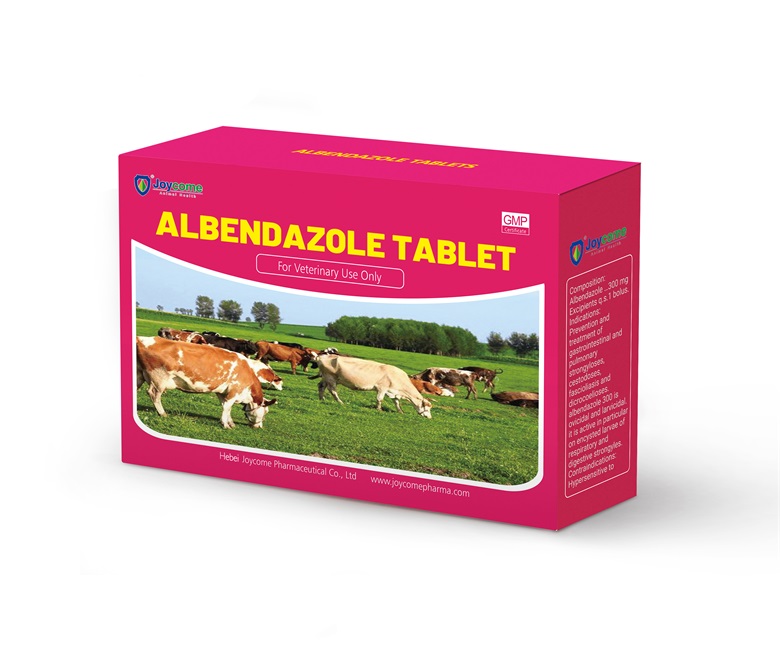
Albendazole: A Comprehensive Medical SEO Guide
Albendazole is a cornerstone medication in the global fight against parasitic worm infections. As an expert medical SEO copywriter and orthopedic specialist, this guide aims to provide an exhaustive, authoritative, and accessible resource on this essential anthelmintic drug. From its intricate mechanism of action to detailed dosage guidelines and critical safety considerations, we delve deep into what makes Albendazole a vital tool in modern medicine.
1. Comprehensive Introduction & Overview
Albendazole is a broad-spectrum anthelmintic belonging to the benzimidazole class of drugs. It is widely recognized by the World Health Organization (WHO) as an essential medicine, crucial for treating a variety of helminthic infections that affect millions worldwide, particularly in tropical and subtropical regions. Its efficacy against both intestinal and tissue-dwelling parasites has established it as a frontline treatment for many neglected tropical diseases.
Discovered in 1975, Albendazole has transformed the management of several parasitic conditions, offering a relatively safe and effective option where treatment options were once limited. Its role extends from mass drug administration programs aimed at controlling diseases like lymphatic filariasis and soil-transmitted helminthiasis, to targeted treatment of complex infections such as neurocysticercosis and hydatid disease.
This guide will explore the scientific underpinnings of Albendazole's action, its journey through the body, its diverse clinical applications, and crucial information regarding its safe and effective use.
2. Deep-Dive into Technical Specifications / Mechanisms
Understanding how Albendazole works and how it is processed by the body is fundamental to appreciating its therapeutic value.
Mechanism of Action
Albendazole exerts its anthelmintic effect primarily by targeting the parasite's cellular structure and metabolism. Its primary mechanism involves:
- Binding to Beta-Tubulin: Albendazole, specifically its active metabolite albendazole sulfoxide, selectively binds to the beta-tubulin subunit of microtubules in the parasitic cells. Microtubules are essential structural components involved in various cellular processes, including cell division, motility, and intracellular transport.
- Inhibition of Microtubule Polymerization: By binding to beta-tubulin, albendazole sulfoxide prevents the polymerization of tubulin dimers into functional microtubules. This disruption cripples the parasite's ability to form and maintain its cellular cytoskeleton.
- Impairment of Glucose Uptake: The compromised microtubule structure directly leads to impaired glucose uptake by the parasite. Microtubules are crucial for the transport of glucose and other nutrients across the parasite's tegument (outer covering).
- Depletion of ATP and Glycogen Stores: With glucose uptake severely inhibited, the parasite's energy metabolism is disrupted. This results in a significant reduction in ATP (adenosine triphosphate) production, the primary energy currency of cells, and depletion of glycogen stores.
- Cellular Degeneration and Death: The cumulative effect of these actions—loss of structural integrity, impaired nutrient absorption, and energy depletion—leads to the irreversible immobilization, starvation, and eventual death of the parasite.
- Selective Toxicity: A key advantage of Albendazole is its selective toxicity. It exhibits a much higher affinity for parasite beta-tubulin than for mammalian beta-tubulin, which contributes to its relatively favorable safety profile in humans.
Pharmacokinetics
The pharmacokinetic profile of Albendazole dictates its absorption, distribution, metabolism, and excretion, influencing its clinical effectiveness.
- Absorption:
- Albendazole is poorly absorbed from the gastrointestinal (GI) tract when taken orally, with systemic absorption typically less than 5%.
- Crucially, its absorption is significantly enhanced when taken with a fatty meal. This is because fats stimulate bile production, which aids in the dissolution and absorption of the lipophilic drug. This characteristic is often leveraged to achieve higher plasma concentrations, especially for systemic infections like neurocysticercosis and hydatid disease.
- Distribution:
- Once absorbed, Albendazole is rapidly and extensively distributed throughout the body.
- Its active metabolite, albendazole sulfoxide, is highly protein-bound (approximately 70%).
- It can penetrate various tissues and body fluids, including the cerebrospinal fluid (CSF), liver, cyst walls (in hydatid disease), and urine, which is vital for treating tissue-dwelling parasites.
- Metabolism:
- Albendazole undergoes extensive first-pass metabolism in the liver.
- It is rapidly converted by CYP450 enzymes (primarily CYP3A4) to its primary active metabolite, albendazole sulfoxide. This metabolite is responsible for most of the drug's anthelmintic activity.
- Albendazole sulfoxide is further metabolized in the liver to albendazole sulfone and other inactive metabolites.
- Elimination:
- The active metabolite, albendazole sulfoxide, has an elimination half-life of approximately 8-12 hours.
- The metabolites are primarily excreted in the urine, with a small proportion excreted in the bile.
- Less than 1% of the administered dose is excreted unchanged in the urine.
3. Extensive Clinical Indications & Usage
Albendazole's broad-spectrum activity makes it effective against a wide range of nematode (roundworm) and cestode (tapeworm) infections.
Detailed Indications
Albendazole is indicated for the treatment of the following parasitic infections:
- Neurocysticercosis (NCC): Caused by the larval cysts of Taenia solium in the brain. Albendazole is a primary treatment, often combined with corticosteroids to manage inflammation caused by dying parasites.
- Hydatid Disease (Echinococcosis): Caused by the larval cysts of Echinococcus granulosus (cystic echinococcosis) or Echinococcus multilocularis (alveolar echinococcosis). It's used pre-surgically, post-surgically to prevent recurrence, or for inoperable cases.
- Ascariasis (Giant Roundworm): Infection by Ascaris lumbricoides.
- Trichuriasis (Whipworm): Infection by Trichuris trichiura.
- Hookworm Infections: Caused by Ancylostoma duodenale and Necator americanus.
- Enterobiasis (Pinworm/Threadworm): Infection by Enterobius vermicularis.
- Strongyloidiasis (Threadworm): Infection by Strongyloides stercoralis.
- Cutaneous Larva Migrans (Creeping Eruption): Caused by larvae of animal hookworms (e.g., Ancylostoma braziliense) that penetrate human skin.
- Giardiasis: Infection by Giardia duodenalis (also known as G. lamblia or G. intestinalis). While other drugs are often first-line, Albendazole can be an alternative, especially in children.
- Lymphatic Filariasis (Elephantiasis): Caused by Wuchereria bancrofti or Brugia malayi. Often used in mass drug administration programs in combination with diethylcarbamazine (DEC) or ivermectin.
- Capillariasis: Infection by Capillaria philippinensis.
- Gnathostomiasis: Infection by Gnathostoma spinigerum and other species.
- Toxocariasis (Visceral Larva Migrans): Caused by larvae of Toxocara canis or T. cati.
Dosage Guidelines
Dosage and duration of treatment vary significantly based on the type of parasitic infection, the patient's age and weight, and the severity of the disease. It is crucial to take Albendazole with a fatty meal to maximize absorption and effectiveness, especially for systemic infections. Always follow the specific instructions from a healthcare professional.
Here are general dosage guidelines for common indications:
| Indication | Adult Dosage | Pediatric Dosage (≥2 years) | Duration of Treatment | Notes |
|---|---|---|---|---|
| Neurocysticercosis | 400 mg twice daily | 15 mg/kg/day divided into 2 doses (max 800 mg/day) | 8-30 days (may be repeated) | Often accompanied by corticosteroids to manage inflammatory response to dying parasites. Must be taken with a fatty meal. |
| Hydatid Disease | 400 mg twice daily | 15 mg/kg/day divided into 2 doses (max 800 mg/day) | 28-day cycles, 14-day drug-free interval, up to 3 cycles | Administered with fatty meal. Long-term treatment often required, with regular monitoring. |
| Ascariasis, Trichuriasis, Hookworm | 400 mg as a single dose | 400 mg as a single dose | Single dose | Often used in mass drug administration programs. |
| Enterobiasis (Pinworm) | 400 mg as a single dose | 400 mg as a single dose | Single dose, repeated after 2 weeks | Treat all household members simultaneously. |
| Strongyloidiasis | 400 mg once daily | 400 mg once daily | 3 days | May require longer courses or repeated treatment in immunocompromised patients. |
| Cutaneous Larva Migrans | 400 mg once daily | 400 mg once daily | 3-7 days | |
| Giardiasis | 400 mg once daily | 400 mg once daily | 5 days | Alternative treatment, especially in children. |
| Lymphatic Filariasis | 400 mg once yearly (in combination) | 400 mg once yearly (in combination) | Single dose, annually for 4-6 years | Always used in combination with DEC or Ivermectin as part of mass drug administration programs. |
Note: For children under 2 years old, the dosage of Albendazole is typically 200 mg as a single dose for intestinal helminthiasis. Specific guidelines should be consulted for other infections and age groups.
4. Risks, Side Effects, or Contraindications
While generally well-tolerated, Albendazole can cause side effects and has important contraindications and drug interactions.
Common Side Effects
Most side effects are mild and transient, especially with short-term use. They often relate to the gastrointestinal system or central nervous system.
- Headache
- Dizziness
- Nausea, vomiting
- Abdominal pain, cramping
- Diarrhea
- Reversible hair loss (alopecia) with long-term, high-dose therapy
- Fever (especially in neurocysticercosis due to inflammatory reaction to dying parasites)
Serious Side Effects
More serious side effects are less common but require immediate medical attention. They are more frequently observed with high doses or prolonged treatment courses.
- Bone Marrow Suppression: Leukopenia (decreased white blood cells), pancytopenia (decreased all blood cell types), agranulocytosis (severe lack of granulocytes). This is a significant risk with long-term therapy and necessitates regular complete blood count (CBC) monitoring.
- Hepatotoxicity: Elevation of liver enzymes (transaminases). Liver function tests (LFTs) should be monitored, especially during prolonged treatment.
- Allergic Reactions: Rash, itching, urticaria, angioedema.
- Neurological Symptoms: In patients with neurocysticercosis, the death of parasites can trigger an inflammatory response, potentially leading to increased intracranial pressure, seizures, or focal neurological deficits. Corticosteroids are often co-administered to mitigate this.
- Renal Impairment: While rare, acute renal failure has been reported.
Contraindications
Albendazole is contraindicated in certain situations to prevent adverse outcomes.
- Hypersensitivity: Individuals with a known allergy to albendazole or other benzimidazole derivatives (e.g., mebendazole).
- Pregnancy: Albendazole is generally contraindicated in the first trimester of pregnancy due to potential teratogenic effects observed in animal studies. While some sources classify it as Category C, others suggest Category D for high doses or long-term use. The decision to use it in later trimesters must involve a careful risk-benefit assessment by a healthcare provider. Women of childbearing potential should be advised to use effective contraception during and for at least one month after treatment.
- Pre-existing Liver Disease: Patients with significant liver impairment should be treated with caution, and liver function should be closely monitored due to the drug's hepatic metabolism.
- Severe Renal Impairment: Use with caution; monitoring may be necessary.
Drug Interactions
Albendazole can interact with other medications, potentially altering their effects or increasing the risk of adverse reactions.
| Interacting Drug/Substance | Effect of Interaction | Clinical Implication |
|---|---|---|
| Cimetidine | Increases plasma concentrations of albendazole sulfoxide. | May increase the risk of albendazole-related side effects. Dosage adjustment or monitoring may be necessary. |
| Dexamethasone | Increases plasma concentrations of albendazole sulfoxide. | Often co-administered in neurocysticercosis to manage inflammation, but clinicians should be aware of potential increased albendazole exposure. |
| Praziquantel | Increases plasma concentrations of albendazole sulfoxide. | May increase the risk of albendazole-related side effects. |
| Ritonavir | May increase plasma concentrations of albendazole sulfoxide. | Monitor for increased side effects. |
| Theophylline | Albendazole can decrease theophylline clearance. | May lead to increased plasma levels of theophylline, potentially increasing its toxicity. Monitor theophylline levels and adjust dosage as needed. |
| Grapefruit Juice | Can increase the absorption of Albendazole. | While taking with a fatty meal is encouraged for absorption, excessive grapefruit juice intake might lead to higher than intended systemic exposure, especially with long-term therapy. Advise moderation. |
| Carbamazepine, Phenytoin, Phenobarbital | May decrease plasma concentrations of albendazole sulfoxide. | These enzyme inducers can accelerate the metabolism of albendazole, potentially reducing its efficacy. Higher doses of albendazole or alternative treatments might be considered. |
Pregnancy and Lactation Warnings
- Pregnancy: As mentioned, Albendazole is generally avoided in the first trimester due to potential teratogenicity. For later trimesters, a thorough risk-benefit analysis by a physician is essential, especially in situations where the benefit of treatment (e.g., severe parasitic infection threatening the mother's life) outweighs the potential risks to the fetus.
- Lactation: It is unknown whether albendazole or its active metabolites are excreted in human breast milk. Due to potential risks, caution is advised when administering Albendazole to nursing mothers. A decision should be made whether to discontinue nursing or to discontinue the drug, taking into account the importance of the drug to the mother.
5. Overdose Management
In the event of an Albendazole overdose, symptoms are typically an exaggeration of its known side effects.
- Symptoms of Overdose: Gastrointestinal upset (nausea, vomiting, abdominal pain), dizziness, lethargy, significant liver enzyme elevations, and bone marrow suppression (leukopenia, pancytopenia).
- Management: There is no specific antidote for Albendazole overdose. Treatment is primarily symptomatic and supportive.
- If ingestion is recent, gastric lavage or administration of activated charcoal may be considered to reduce absorption.
- Monitor vital signs, liver function tests, and complete blood counts closely.
- Provide supportive care as needed, addressing any specific symptoms that arise.
- In cases of severe bone marrow suppression, appropriate hematological support may be required.
6. Frequently Asked Questions (FAQ)
Q1: What is Albendazole used for?
Albendazole is a broad-spectrum anthelmintic medication used to treat various parasitic worm infections, including roundworms, hookworms, whipworms, pinworms, tapeworms (like those causing neurocysticercosis and hydatid disease), and some other less common parasites.
Q2: How should I take Albendazole?
Albendazole should generally be taken orally with a fatty meal. This significantly increases its absorption into the bloodstream, making it more effective, especially for infections outside the intestines. Always follow your doctor's specific instructions regarding dosage and duration.
Q3: Can I take Albendazole if I'm pregnant?
Albendazole is generally contraindicated in the first trimester of pregnancy due to potential risks to the fetus. In later trimesters, it should only be used if the potential benefit justifies the potential risk, and under strict medical supervision. Women of childbearing potential should use effective contraception during and for at least one month after treatment.
Q4: What are the common side effects of Albendazole?
Common side effects are usually mild and include headache, dizziness, nausea, vomiting, abdominal pain, and diarrhea. With long-term, high-dose therapy, reversible hair loss may occur.
Q5: How long does Albendazole take to work?
The time it takes for Albendazole to work varies depending on the type of infection. For intestinal worms, a single dose may be effective within a few days. For more complex infections like neurocysticercosis or hydatid disease, treatment can last weeks to months, and improvement may be gradual as the parasites are slowly eliminated.
Q6: Do I need a prescription for Albendazole?
Yes, Albendazole is a prescription medication and requires a doctor's evaluation and prescription. It's crucial to have a proper diagnosis before starting treatment to ensure it's the right medication for your specific parasitic infection.
Q7: Can children take Albendazole?
Yes, Albendazole is commonly used in children, with dosages adjusted based on age and weight. For children under two years old, specific lower dosages are typically recommended. Always consult a pediatrician for appropriate dosing.
Q8: What foods should I avoid while taking Albendazole?
There are no specific foods to avoid, but it's important to take Albendazole with a fatty meal (e.g., milk, butter, cheese, or a meal containing fat) to maximize its absorption. Grapefruit juice may also increase absorption, so moderation is advised.
Q9: What should I do if I miss a dose?
If you miss a dose, take it as soon as you remember, unless it is almost time for your next dose. In that case, skip the missed dose and continue with your regular dosing schedule. Do not double the dose to catch up.
Q10: Is Albendazole effective against all types of worms?
Albendazole is effective against a broad spectrum of parasitic worms, including most common roundworms and tapeworms. However, it is not effective against all parasites (e.g., some flukes or protozoa may require different medications). A precise diagnosis is key to effective treatment.
Q11: How is Albendazole different from Mebendazole?
Both Albendazole and Mebendazole are benzimidazole anthelmintics with similar mechanisms of action. Albendazole generally has better systemic absorption, especially when taken with food, making it more suitable for tissue-dwelling parasites like those causing neurocysticercosis and hydatid disease. Mebendazole is primarily used for intestinal worm infections.
Q12: What monitoring is required during long-term Albendazole treatment?
For long-term or high-dose Albendazole therapy (e.g., for neurocysticercosis or hydatid disease), regular monitoring of liver function tests (LFTs) and complete blood counts (CBCs) is essential. This helps detect potential side effects such as hepatotoxicity or bone marrow suppression early. Your doctor will advise on the specific monitoring schedule.