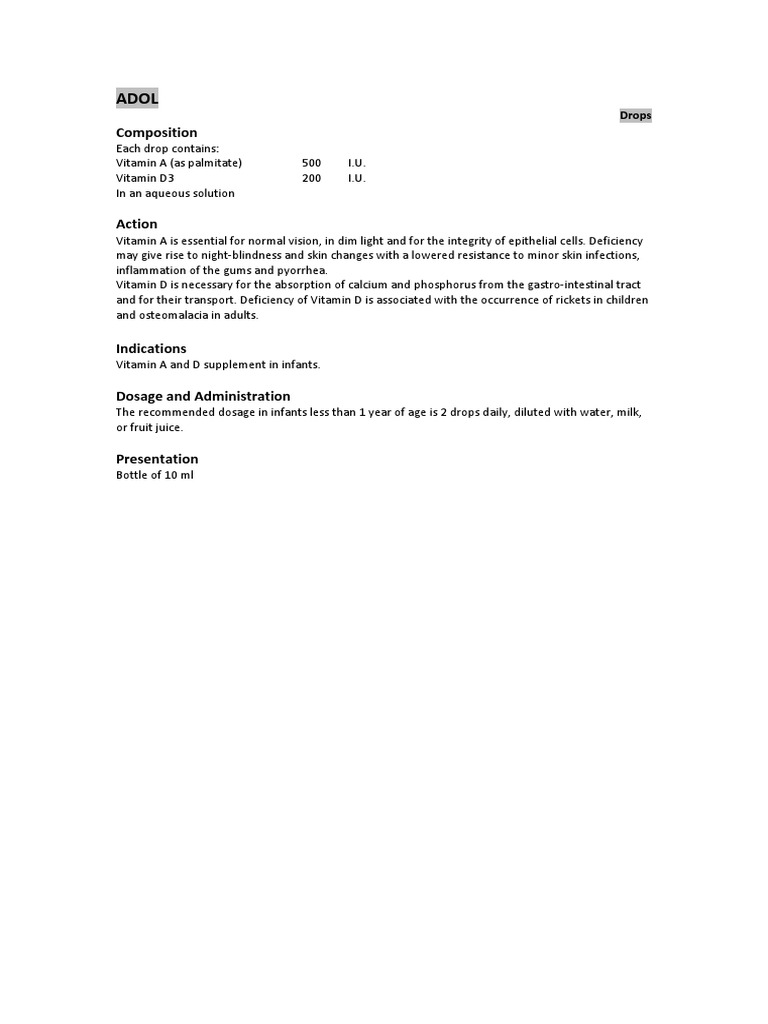
Adol (Acetaminophen): The Definitive Medical SEO Guide for Pain and Fever Management
1. Comprehensive Introduction & Overview
Welcome to the definitive medical guide on Adol, a widely recognized brand name for the active pharmaceutical ingredient Acetaminophen, also known as Paracetamol in many parts of the world. As an expert Medical SEO Copywriter and Orthopedic Specialist, our aim is to provide you with an exhaustive, authoritative, and easy-to-understand resource on this ubiquitous medication.
Adol is a cornerstone in pain management and fever reduction, relied upon by millions globally for its efficacy and generally favorable safety profile when used as directed. It belongs to a class of drugs known as analgesics (pain relievers) and antipyretics (fever reducers). Unlike Non-Steroidal Anti-Inflammatory Drugs (NSAIDs) such as ibuprofen or naproxen, Adol primarily acts in the central nervous system and exhibits weak anti-inflammatory properties peripherally, which contributes to its distinct side effect profile, particularly regarding gastrointestinal and renal effects.
This guide will delve into the intricate details of Adol, covering its mechanism of action, how the body processes it (pharmacokinetics), its extensive clinical applications, precise dosing guidelines, crucial contraindications, potential drug interactions, considerations during pregnancy and lactation, and critical information on overdose management. Our goal is to empower both healthcare professionals and patients with comprehensive knowledge to ensure safe and effective use of Adol.
2. Deep-Dive into Technical Specifications / Mechanisms
Understanding how Adol works at a molecular level is key to appreciating its therapeutic effects and safety profile.
Mechanism of Action
The exact mechanism of action of acetaminophen (Adol) is still not fully elucidated, but current understanding points towards a primary action within the central nervous system (CNS).
- Prostaglandin Synthesis Inhibition: Adol is believed to selectively inhibit prostaglandin synthesis in the CNS. Prostaglandins are lipid compounds that play a crucial role in mediating pain and fever responses. While NSAIDs inhibit cyclooxygenase (COX) enzymes (COX-1 and COX-2) both centrally and peripherally, Adol's effect on peripheral COX enzymes is minimal, especially in the presence of peroxides, which are abundant at sites of inflammation. This explains its weak anti-inflammatory effect compared to NSAIDs.
- COX-3 Hypothesis: Some research has suggested the existence of a third COX isoform, COX-3, primarily found in the brain and spinal cord, which might be selectively inhibited by acetaminophen. This hypothesis, while debated, could explain its central analgesic and antipyretic actions without significant peripheral anti-inflammatory effects.
- Serotonergic Pathways: There is also evidence suggesting that acetaminophen may modulate descending serotonergic pathways, which are involved in pain perception.
- Cannabinoid System: Newer theories propose that acetaminophen's active metabolite, AM404, may interact with the endocannabinoid system, contributing to its analgesic effects. AM404 inhibits the reuptake of anandamide (an endogenous cannabinoid) and activates TRPV1 receptors.
Pharmacokinetics
The journey of Adol through the body involves several stages, each influencing its efficacy and safety.
- Absorption:
- Adol is rapidly and extensively absorbed from the gastrointestinal tract following oral administration.
- Peak plasma concentrations are typically achieved within 30 to 60 minutes for immediate-release formulations.
- Food may delay absorption but does not significantly affect the total amount absorbed.
- Distribution:
- It is widely distributed throughout most body fluids, with relatively low protein binding (10-25%).
- It crosses the placenta and is excreted in breast milk.
- Metabolism:
- The primary site of metabolism is the liver.
- Adol undergoes extensive metabolism via three main pathways:
- Glucuronidation (major pathway): Conjugation with glucuronic acid, forming non-toxic, water-soluble metabolites.
- Sulfation (minor pathway, significant in children): Conjugation with sulfate, also forming non-toxic, water-soluble metabolites.
- Cytochrome P450 (CYP) Pathway (minor pathway): A small fraction (5-10%) is metabolized by CYP2E1 and CYP1A2 enzymes to a highly reactive and toxic intermediate metabolite, N-acetyl-p-benzoquinone imine (NAPQI).
- Under normal therapeutic doses, NAPQI is rapidly detoxified by conjugation with glutathione and excreted as a cysteine and mercapturate conjugate.
- In overdose situations, glutathione stores become depleted, leading to accumulation of NAPQI, which binds covalently to hepatocellular macromolecules, causing liver cell necrosis (hepatotoxicity).
- Elimination:
- The elimination half-life of Adol is typically 1 to 3 hours in adults, though it can be prolonged in neonates, the elderly, and in patients with liver disease.
- Approximately 90-100% of the dose is excreted in the urine within 24 hours, primarily as glucuronide and sulfate conjugates, with only a small percentage excreted as unchanged drug.
3. Extensive Clinical Indications & Usage
Adol (Acetaminophen) is a versatile medication indicated for a broad range of conditions requiring pain relief and fever reduction.
Detailed Indications
Adol is typically recommended for the symptomatic relief of:
- Mild to Moderate Pain:
- Headache: Tension headaches, mild migraines.
- Musculoskeletal Pain: Muscle aches, sprains, strains, backache, neck pain. Often used in conjunction with physical therapy for orthopedic conditions.
- Arthralgia/Myalgia: Joint pain and muscle pain, including pain associated with osteoarthritis.
- Dental Pain: Toothache, pain after dental procedures.
- Menstrual Pain: Dysmenorrhea.
- Post-operative Pain: Mild to moderate pain following minor surgeries.
- Pain Associated with Colds and Flu: Sore throat, body aches.
- Fever:
- Reduction of fever associated with various conditions, including colds, flu, infections, and post-vaccination fever.
Dosage Guidelines
Accurate dosing is paramount to ensure efficacy and prevent toxicity. Always refer to the product labeling and consult a healthcare professional.
General Dosage for Adults and Adolescents (≥12 years)
| Formulation | Dose (mg) | Frequency | Maximum Daily Dose (mg) |
|---|---|---|---|
| Oral Tablet/Liquid | 325-650 | Every 4-6 hours | 4000 (4g) |
| Extended Release | 650 | Every 8 hours | 3900 (3.9g) |
| Rectal Suppository | 650 | Every 4-6 hours | 3900 (3.9g) |
Important Considerations for Adults:
* Do not exceed the maximum daily dose of 4000 mg (4 grams) in 24 hours to avoid the risk of severe liver damage.
* For chronic users, particularly those with underlying liver conditions or chronic alcohol consumption, a lower maximum daily dose (e.g., 2000-3000 mg) may be recommended by a physician.
* Avoid concomitant use of multiple products containing acetaminophen to prevent accidental overdose.
Pediatric Dosage (Children <12 years)
Pediatric dosing is typically based on weight. Always use an appropriate measuring device for liquid formulations.
| Weight (kg) | Dose (mg/kg) | Frequency | Maximum Daily Dose (mg/kg) | Maximum Daily Dose (total mg) |
|---|---|---|---|---|
| All weights | 10-15 | Every 4-6 hours | 75 | 4000 (4g) |
Important Considerations for Children:
* Consult a pediatrician for precise dosing, especially for infants under 2 years of age.
* Always check the concentration of liquid acetaminophen products (e.g., 160 mg/5 mL) to ensure correct dosing.
* Do not administer for more than 3 days for fever or 5 days for pain without consulting a doctor.
4. Risks, Side Effects, and Contraindications
While generally safe, Adol is not without risks, especially when misused or in specific patient populations.
Contraindications
Adol should not be used in individuals with:
- Hypersensitivity: Known allergy or severe reaction to acetaminophen or any component of the formulation.
- Severe Hepatic Impairment: Patients with severe active liver disease or acute liver failure, as the liver is the primary site of metabolism and detoxification.
Warnings and Precautions
- Hepatotoxicity: The most significant risk associated with Adol is liver damage (hepatotoxicity), primarily due to overdose. This risk is increased in individuals with:
- Pre-existing liver disease.
- Chronic alcohol consumption (three or more alcoholic drinks per day).
- Malnutrition or prolonged fasting.
- Concomitant use of other hepatotoxic drugs.
- Serious Skin Reactions: Rarely, acetaminophen can cause severe, life-threatening skin reactions, including Stevens-Johnson Syndrome (SJS), Toxic Epidermal Necrolysis (TEN), and Acute Generalized Exanthematous Pustulosis (AGEP). Discontinue use immediately if skin rash or blistering occurs.
- Asthma: While generally safer for asthmatics than NSAIDs, some individuals with aspirin-sensitive asthma may experience bronchospasm.
- Renal Impairment: Use with caution in patients with severe renal impairment, as metabolites are renally excreted. Dose adjustment may be necessary in severe cases.
Potential Side Effects
Adol is usually well-tolerated at therapeutic doses. However, side effects can occur, albeit rarely.
- Common (Rare at therapeutic doses):
- Nausea
- Vomiting
- Constipation
- Headache (paradoxical, especially with overuse)
- Insomnia (rare)
- Less Common/Rare (Serious):
- Hepatotoxicity: Liver damage (especially with overdose).
- Allergic Reactions: Rash, itching, hives, swelling of the face/throat, severe dizziness, trouble breathing (anaphylaxis).
- Severe Skin Reactions: SJS, TEN, AGEP (as mentioned above).
- Hematologic Effects: Thrombocytopenia (low platelet count), leukopenia (low white blood cell count), agranulocytosis (severe reduction in white blood cells), hemolytic anemia (destruction of red blood cells). These are extremely rare.
- Kidney Damage: Analgesic nephropathy with chronic overuse.
Drug Interactions
Care must be taken when Adol is co-administered with other medications.
- Alcohol: Chronic alcohol consumption significantly increases the risk of acetaminophen-induced hepatotoxicity due to induction of CYP2E1 enzymes, leading to increased NAPQI formation, and depletion of glutathione stores.
- Warfarin and other Oral Anticoagulants: Regular daily use of acetaminophen can potentiate the anticoagulant effect of warfarin, increasing the risk of bleeding. Patients on warfarin should use acetaminophen cautiously and be monitored for changes in INR.
- Other Acetaminophen-Containing Products: Many over-the-counter (OTC) cold, flu, and pain medications contain acetaminophen. Concomitant use of multiple products can lead to accidental overdose. Always check labels.
- Hepatotoxic Drugs: Co-administration with other drugs known to cause liver damage (e.g., isoniazid, methotrexate) may increase the risk of hepatotoxicity.
- Enzyme Inducers: Drugs that induce hepatic microsomal enzymes (e.g., phenobarbital, carbamazepine, phenytoin, rifampicin) can increase the formation of the toxic NAPQI metabolite, increasing the risk of liver damage.
- Cholestyramine: May reduce the absorption of acetaminophen if given within an hour.
- Metoclopramide/Domperidone: May increase the rate of absorption of acetaminophen.
Pregnancy and Lactation Warnings
- Pregnancy: Adol is generally considered the analgesic and antipyretic of choice during all trimesters of pregnancy when medically necessary. It is classified as Pregnancy Category B by the FDA (though the FDA is phasing out letter categories). Extensive human data from epidemiological studies indicate no increased risk of major birth defects, miscarriage, or adverse maternal or fetal outcomes when used at recommended doses. However, as with any medication during pregnancy, it should be used at the lowest effective dose for the shortest duration, and always under the guidance of a healthcare provider.
- Lactation (Breastfeeding): Adol is considered compatible with breastfeeding. It is excreted into breast milk in small amounts, but these amounts are generally considered too low to cause adverse effects in a breastfed infant. It is often the preferred choice for pain and fever relief in nursing mothers. Again, use the lowest effective dose for the shortest duration.
Overdose Management
Acetaminophen overdose is a medical emergency that can lead to severe liver damage and death if not treated promptly.
- Symptoms of Overdose:
- Early (first 24 hours): Nausea, vomiting, abdominal pain, anorexia, pallor, diaphoresis (sweating). These symptoms are non-specific and may resolve, leading to a false sense of security.
- Intermediate (24-72 hours): Right upper quadrant pain, tenderness, elevated liver enzymes (ALT, AST), prolonged prothrombin time (INR), bilirubinemia.
- Late (72-96 hours): Jaundice, coagulopathy, hepatic encephalopathy, renal failure, metabolic acidosis.
- Recovery or Death: If untreated, liver failure can progress to death.
- Treatment:
- Immediate Medical Attention: Anyone suspected of an acetaminophen overdose should seek immediate medical help or go to an emergency room.
- Gastric Decontamination: Activated charcoal may be administered if the patient presents within 1-2 hours of ingestion to reduce absorption.
- Antidote - N-acetylcysteine (NAC): NAC is the specific antidote for acetaminophen poisoning. It works by replenishing hepatic glutathione stores and/or directly detoxifying NAPQI.
- NAC is most effective when administered within 8 hours of ingestion but can still provide benefit up to 24 hours or even later in some cases.
- It can be given orally or intravenously.
- Supportive Care: Management of fluid and electrolyte imbalances, glucose monitoring, and treatment of complications like hepatic encephalopathy or renal failure.
- Liver Transplant: In cases of irreversible liver failure despite NAC treatment, a liver transplant may be necessary.
- Prevention: Emphasize strict adherence to recommended doses, careful checking of medication labels for acetaminophen content, and educating patients about the dangers of overdose.
5. Massive FAQ Section
Here are some frequently asked questions about Adol (Acetaminophen/Paracetamol):
Q1: What is Adol used for?
A1: Adol is used to relieve mild to moderate pain (such as headaches, muscle aches, toothaches, menstrual pain, and pain associated with colds and flu) and to reduce fever.
Q2: How is Adol different from NSAIDs like ibuprofen?
A2: Adol (Acetaminophen) primarily works in the brain and spinal cord to reduce pain and fever. It has very weak anti-inflammatory effects peripherally. NSAIDs (Non-Steroidal Anti-Inflammatory Drugs) like ibuprofen work throughout the body to reduce pain, fever, and inflammation, and can have more significant gastrointestinal and renal side effects. Adol is often preferred for those who cannot take NSAIDs.
Q3: What is the maximum daily dose of Adol for adults?
A3: For most healthy adults, the maximum daily dose of Adol (acetaminophen) is 4000 mg (4 grams) in a 24-hour period. However, some healthcare professionals recommend staying below 3000 mg (3 grams) daily, especially for chronic use or those with risk factors for liver damage. Always check the specific product label and consult your doctor.
Q4: Can I take Adol with alcohol?
A4: It is strongly advised to avoid or limit alcohol consumption while taking Adol, especially if you consume three or more alcoholic drinks per day. Chronic alcohol use significantly increases the risk of liver damage when combined with acetaminophen.
Q5: Is Adol safe during pregnancy and breastfeeding?
A5: Yes, Adol is generally considered safe for use during all trimesters of pregnancy and while breastfeeding when used at recommended doses. It is often the preferred choice for pain and fever relief in these populations. However, always consult your doctor before taking any medication during pregnancy or lactation.
Q6: What should I do if I suspect an Adol overdose?
A6: If you suspect an Adol overdose, seek immediate medical attention by calling emergency services or going to the nearest emergency room. Even if symptoms are mild or absent, prompt treatment with the antidote N-acetylcysteine (NAC) is critical to prevent severe liver damage.
Q7: Can Adol cause liver damage?
A7: Yes, Adol can cause severe liver damage (hepatotoxicity), particularly when taken in doses exceeding the recommended maximum, or when combined with alcohol, or in individuals with pre-existing liver conditions. This is the most serious risk associated with the medication.
Q8: How long does it take for Adol to work?
A8: Adol typically starts to relieve pain or reduce fever within 30 to 60 minutes after oral administration. The effects usually last for 4 to 6 hours.
Q9: Can I take other medications with Adol?
A9: You must be careful when taking other medications with Adol. Many over-the-counter cold, flu, and pain remedies also contain acetaminophen, which can lead to accidental overdose if taken concurrently. Additionally, Adol can interact with blood thinners like warfarin, and certain anti-seizure medications. Always check labels and consult your doctor or pharmacist about all medications you are taking.
Q10: Are there any severe allergic reactions to Adol?
A10: While rare, severe allergic reactions to Adol can occur, including skin rashes, hives, swelling of the face, lips, tongue, or throat, and difficulty breathing. Extremely rare but serious skin reactions like Stevens-Johnson Syndrome (SJS) and Toxic Epidermal Necrolysis (TEN) have also been reported. If you experience any signs of an allergic reaction, stop taking Adol and seek immediate medical help.
Q11: Can children take Adol?
A11: Yes, Adol (acetaminophen) is widely used in children for pain and fever relief. However, pediatric dosing is based on weight, and it is crucial to use an appropriate measuring device for liquid formulations and consult a pediatrician for accurate dosing, especially for very young children.
Q12: How often can I take Adol?
A12: For most formulations, Adol can be taken every 4 to 6 hours as needed. However, you must not exceed the maximum daily dose to prevent liver damage. Always follow the specific instructions on the product label or your doctor's advice.