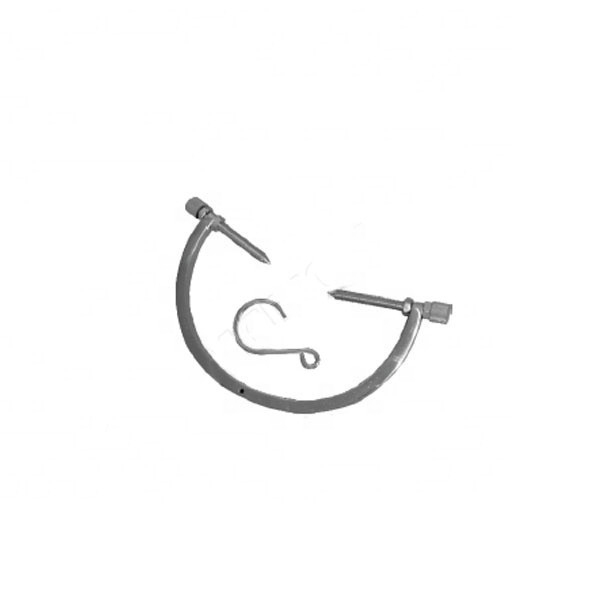
Gardner-Wells Tongs: Advanced Cervical Spine Stabilization and Traction
Comprehensive Introduction & Overview
In the realm of orthopedic and neurosurgical care, particularly concerning injuries to the cervical spine, precise and immediate stabilization is paramount. The cervical spine, or neck, is a complex and vital structure housing the spinal cord, which transmits signals between the brain and the rest of the body. Injuries to this area can have devastating consequences, including paralysis. This is where specialized medical instruments like the Gardner-Wells Tongs play a critical role.
Gardner-Wells Tongs are a sophisticated, non-invasive (in terms of surgical incision) device designed to provide continuous skeletal traction and stabilization for the cervical spine. Developed by Dr. W. James Gardner and Dr. Charles Wells, these tongs represent a significant advancement in managing cervical spine fractures, dislocations, and instability. Their primary function is to apply controlled, continuous traction to the skull, thereby gently pulling the cervical vertebrae into proper alignment and relieving pressure on the spinal cord. This guide aims to provide patients with a comprehensive, authoritative, yet easy-to-understand insight into Gardner-Wells Tongs, covering their design, applications, care, and the improved patient outcomes they facilitate. Understanding this device can empower patients and their families by demystifying a crucial aspect of spinal injury management.
Deep-dive into Technical Specifications & Mechanisms
The efficacy of Gardner-Wells Tongs lies in their ingenious design and precise mechanism of action. These tongs are a testament to biomechanical engineering applied to delicate human anatomy.
Design and Materials
The Gardner-Wells Tongs consist of several key components, each meticulously crafted for functionality, safety, and patient comfort:
- Outer Frame: Typically made from high-grade stainless steel or titanium alloys, ensuring exceptional strength, durability, and corrosion resistance. The frame is designed to be lightweight yet robust enough to withstand continuous traction forces.
- Adjustable Pins (Skull Pins): These are perhaps the most critical components. They are typically made from biocompatible stainless steel or titanium, featuring sharp, self-tapping tips. These pins are designed to penetrate only the outer table of the skull (superficial temporal ridges), avoiding the inner table and brain tissue.
- Pressure-Sensitive Indicator: A crucial safety feature, this mechanism, often a spring-loaded system, provides a visual or audible indication when the correct pressure (usually around 3-4 pounds per pin, totaling 6-8 pounds of pressure on the skull) has been achieved. This prevents over-penetration and ensures secure fixation.
- Torque Wrench: A specialized wrench is used for precise application, ensuring that the pins are tightened to the exact required pressure, which is vital for both stability and patient safety.
- Swivel Bar and Weights: The tongs feature a swivel bar from which weights are suspended. This allows for controlled, adjustable traction to be applied, facilitating gradual realignment of the cervical spine.
Table: Material Properties for Gardner-Wells Tongs Components
| Component | Typical Material | Key Properties |
|---|---|---|
| Frame | Stainless Steel, Ti Alloy | High strength, corrosion resistant, biocompatible |
| Skull Pins | Stainless Steel, Ti Alloy | Biocompatible, sharp, self-tapping, MRI-safe |
| Pressure Sensor | Stainless Steel, Polymer | Accurate pressure feedback, durable |
| Torque Wrench | Stainless Steel | Precision, reliability |
Mechanism of Action
The primary mechanism involves applying axial traction to the cervical spine through the skull. Here's a breakdown:
- Pin Placement: Two pins are carefully inserted into the superficial temporal ridges of the skull, just above and behind the ears. Local anesthetic is used to numb the area.
- Controlled Pressure: The pins are tightened using a torque wrench until the pressure-sensitive indicator signals the correct fixation pressure. This ensures the pins are securely seated in the outer table of the skull without causing excessive compression or penetrating deeper structures.
- Traction Application: A rope is attached to the swivel bar of the tongs, and weights are hung from the other end. These weights generate a constant, gentle pulling force (traction) along the axis of the spine.
- Realignment and Decompression: This continuous traction gently pulls the cervical vertebrae apart, helping to reduce dislocations, realign fractured segments, and decompress the spinal cord or nerve roots if they are being impinged. The amount of weight is carefully adjusted based on the specific injury and the patient's response, often starting with a small weight and gradually increasing.
Biomechanics
The biomechanical principles behind Gardner-Wells Tongs are centered on creating controlled axial distraction and stabilization:
- Axial Distraction: The applied weights generate a tensile force along the longitudinal axis of the spine. This force counteracts the compressive forces that may be present due to injury, allowing for gradual separation of vertebral bodies.
- Ligamentotaxis: As the vertebrae are distracted, the intact ligaments and soft tissues surrounding the spine can help guide the fractured or dislocated segments back into their anatomical position. This "ligamentotaxis" effect is crucial for reduction.
- Three-Point Fixation: While the tongs apply force at two points on the skull, the body's natural resistance creates a third point, establishing a stable system that prevents further displacement and facilitates realignment.
- Minimizing Soft Tissue Damage: By anchoring directly to the skull, the tongs bypass the need to apply traction through soft tissues, which can be less effective and potentially damaging. This direct skeletal traction ensures efficient force transmission.
Extensive Clinical Indications & Usage
Gardner-Wells Tongs are indispensable in acute spinal injury management, primarily in a hospital setting.
Primary Clinical Indications
- Cervical Spine Fractures: Especially unstable fractures where immediate immobilization is required to prevent further damage to the spinal cord.
- Cervical Dislocations and Subluxations: Where one vertebra has moved out of alignment with another. Traction helps reduce the dislocation and restore alignment.
- Spinal Cord Compression: In cases where bone fragments or misaligned vertebrae are pressing on the spinal cord, traction can temporarily decompress the cord, potentially preventing further neurological deficits.
- Pre-operative Stabilization: Used to stabilize the cervical spine before surgical intervention, ensuring the spine is in the best possible alignment for surgery.
- Post-operative Immobilization: In some instances, after certain spinal surgeries, tongs might be used for a short period to maintain alignment and reduce movement during the initial healing phase.
- Diagnostic Purposes: Occasionally used to assess the stability of the cervical spine under controlled traction.
Detailed Usage/Fitting Instructions (Patient Perspective)
While the application is performed by trained medical professionals, understanding the process can alleviate patient anxiety.
- Preparation:
- The scalp areas where the pins will be placed are shaved and thoroughly cleaned with an antiseptic solution to minimize infection risk.
- Local anesthetic is injected into these areas to numb the skin and superficial skull tissue, ensuring the patient experiences minimal discomfort during pin insertion.
- Patient Positioning: The patient is positioned comfortably, typically supine (lying on their back), with their head supported.
- Pin Insertion:
- The surgeon or trained medical professional carefully positions the tongs on the patient's head.
- The self-tapping pins are then gently advanced into the superficial temporal ridges of the skull. This involves a controlled, deliberate motion.
- The pressure-sensitive indicator is closely monitored until the correct fixation pressure is achieved. Patients often report feeling a dull pressure, but typically no sharp pain due to the local anesthetic.
- Weight Application:
- Once the tongs are securely in place, a rope is attached, and weights are carefully added to the system.
- The initial weight is typically low (e.g., 5-10 pounds) and gradually increased over time, guided by X-rays or other imaging, and the patient's neurological status, until optimal alignment is achieved.
- Ongoing Monitoring:
- Throughout the period of traction, the patient's neurological status, pin sites, and overall comfort are continuously monitored by the medical team.
- Regular X-rays or CT scans are performed to assess spinal alignment and ensure the traction is effective and safe.
Maintenance & Sterilization Protocols
The integrity and sterility of Gardner-Wells Tongs are paramount for patient safety and efficacy.
- Sterilization: Before each use, all components of the tongs that come into contact with the patient must be thoroughly sterilized. Common methods include:
- Autoclaving: High-pressure steam sterilization is the most common and effective method for heat-resistant instruments.
- Ethylene Oxide (ETO) Gas Sterilization: Used for heat-sensitive components, though less common for the primary metal tongs.
- Cleaning: After use, the tongs undergo a rigorous cleaning process:
- Manual Cleaning: Gross debris is removed manually with brushes and enzymatic detergents.
- Ultrasonic Cleaning: Instruments are placed in an ultrasonic cleaner to dislodge microscopic debris from intricate parts.
- Inspection: Regular inspection for any signs of wear, damage, corrosion, or dullness of the pins is crucial. Damaged components are immediately replaced.
- Storage: Tongs are stored in a sterile, dry environment to maintain their integrity until next use.
Patient Outcome Improvements
The use of Gardner-Wells Tongs significantly contributes to improved patient outcomes in cervical spine injuries:
- Reduced Neurological Deficit Progression: By promptly stabilizing and realigning the spine, the tongs help prevent further compression of the spinal cord, thus minimizing the risk of worsening neurological symptoms or permanent paralysis.
- Improved Pain Management: Stabilizing the injured spine reduces movement at the fracture or dislocation site, which often leads to a significant reduction in pain.
- Enhanced Surgical Planning: Optimal spinal alignment achieved through traction allows surgeons to plan and execute definitive surgical repair with greater precision and safety.
- Faster Recovery and Rehabilitation: Early and effective stabilization can facilitate earlier mobilization and rehabilitation, contributing to a quicker overall recovery process.
- Prevention of Further Injury: The rigid fixation provided by the tongs acts as a protective shield, preventing accidental movements from exacerbating the initial injury.
Risks, Side Effects, or Contraindications
While highly effective, the use of Gardner-Wells Tongs is not without potential risks and contraindications. Medical professionals carefully weigh these factors.
Common Risks and Side Effects
- Pin Site Infection: The most common complication. Meticulous pin site care, including regular cleaning and dressing changes, is essential to prevent bacterial infection. Symptoms include redness, swelling, warmth, pain, or pus at the pin sites.
- Pain at Pin Sites: While local anesthetic is used during insertion, some patients may experience discomfort or dull pain at the pin sites, especially initially. Pain medication can manage this.
- Nerve Injury (Rare): Extremely rare with proper technique, but there's a theoretical risk of injury to superficial nerves in the scalp.
- Skull Penetration (Extremely Rare): With the pressure-sensitive mechanism and skilled application, full penetration of the skull is virtually unheard of. However, it remains a theoretical risk if proper protocols are not followed.
- Skin Irritation/Pressure Sores: Prolonged contact with the tongs or improper positioning can lead to skin irritation or pressure sores, especially in patients with delicate skin.
- Allergic Reactions: Very rare, but patients might have an allergic reaction to the metal components or the antiseptic solutions used.
Contraindications
- Severe Skull Fractures: If the skull itself is fractured in the area where the pins would be placed, the tongs cannot be safely applied.
- Scalp Infections: Active infections at the intended pin sites are a contraindication due to the high risk of introducing bacteria into the skull.
- Extensive Soft Tissue Damage: If there is significant trauma or open wounds at the pin placement sites, alternative stabilization methods may be necessary.
- Certain Neurological Conditions: Patients who are agitated, uncooperative, or have severe cognitive impairment might not be suitable candidates if they cannot tolerate the device or pose a risk of dislodging it.
Expert Tips from Dr. Mohammed Hutaif
"As an orthopedic specialist, I've seen firsthand the life-changing impact of timely and effective cervical spine stabilization. Gardner-Wells Tongs, when applied correctly and monitored diligently, are an invaluable tool in our arsenal. Here are my key insights for both patients and their families:
- Patient Education is Power: Understanding why the tongs are necessary and how they work can significantly reduce anxiety. Ask your medical team questions; we are here to provide clarity.
- Skilled Application is Non-Negotiable: The success and safety of Gardner-Wells Tongs depend entirely on the expertise of the medical professional applying them. Ensure you are in the hands of experienced spinal surgeons or neurosurgeons.
- Vigilant Monitoring is Crucial: Pin sites must be meticulously cared for to prevent infection. Any sign of redness, swelling, or discharge should be reported immediately. The medical team will also continuously monitor your neurological status and spinal alignment.
- Pain Management is a Priority: While the application is performed under local anesthesia, some discomfort may occur. Don't hesitate to communicate your pain levels to your nurses so appropriate pain relief can be administered. Your comfort directly impacts your recovery.
- Embrace the Journey: Wearing Gardner-Wells Tongs can be challenging, both physically and emotionally. Lean on your support system, communicate openly with your healthcare providers, and focus on the positive steps toward recovery. This is a temporary phase aimed at long-term well-being.
- Holistic Care Matters: Beyond the tongs, remember that your overall health – nutrition, hydration, and emotional well-being – plays a vital role in healing. We integrate these aspects into your comprehensive care plan."
Massive FAQ Section
Q1: What is the main purpose of Gardner-Wells Tongs?
A1: The main purpose of Gardner-Wells Tongs is to provide continuous skeletal traction and stabilization for the cervical (neck) spine. This helps to realign fractured or dislocated vertebrae, reduce pressure on the spinal cord, and immobilize the neck to prevent further injury, especially in cases of severe trauma.
Q2: How long are Gardner-Wells Tongs typically worn?
A2: The duration varies significantly depending on the nature and severity of the injury, as well as the patient's response to treatment. Tongs may be worn for a few days to several weeks, typically until the cervical spine is sufficiently stable for surgical repair, or until another form of definitive stabilization (like a halo vest or surgery) can be implemented.
Q3: Is the application of Gardner-Wells Tongs painful?
A3: The application process is generally not painful because local anesthetic is thoroughly administered to the pin sites on the scalp before insertion. Patients may feel pressure during the tightening process, but sharp pain is usually avoided. Any discomfort afterward can be managed with pain medication.
Q4: Can I move my head with the Gardner-Wells Tongs on?
A4: While the tongs stabilize your head and neck, some minor movement might still be possible, especially if you try to force it. However, it is absolutely crucial to minimize head and neck movements to prevent further injury and allow the traction to work effectively. You will be instructed on how to move safely with assistance.
Q5: What are the main risks associated with wearing Gardner-Wells Tongs?
A5: The most common risk is pin site infection, which can be minimized with meticulous cleaning and care. Other potential, though rare, risks include pain at the pin sites, nerve irritation, or very rarely, skull penetration if not applied correctly. Your medical team will monitor for these complications closely.
Q6: How are the pin sites cared for while the tongs are in place?
A6: Pin site care is critical to prevent infection. The medical team will regularly clean the pin sites with antiseptic solutions and change dressings according to strict protocols. Patients or their caregivers will be educated on signs of infection to watch for (redness, swelling, pus, increased pain) and report immediately.
Q7: Can I eat and drink normally while wearing Gardner-Wells Tongs?
A7: In most cases, yes, patients can eat and drink normally once their condition allows and they are cleared by the medical team. However, depending on the overall injury and associated medical conditions, dietary restrictions might be temporarily imposed. Your head will be stabilized, so you'll need assistance or adaptations for eating and drinking.
Q8: What happens after the Gardner-Wells Tongs are removed?
A8: After the tongs are removed, the pin sites will be cleaned and dressed. Depending on the stability of your cervical spine, you may transition to another form of immobilization, such as a cervical collar or a halo vest, or proceed directly to surgical intervention. Physical therapy and rehabilitation will typically follow to restore strength and range of motion.
Q9: Are Gardner-Wells Tongs MRI compatible?
A9: Most modern Gardner-Wells Tongs are made from non-ferromagnetic materials like certain stainless steel alloys or titanium, making them MRI compatible. However, it is crucial to confirm with your medical team and the specific manufacturer's guidelines for the exact tongs being used, as older models or specific materials might not be.
Q10: Who applies and removes Gardner-Wells Tongs?
A10: Gardner-Wells Tongs are applied and removed by highly trained medical professionals, typically orthopedic surgeons, neurosurgeons, or specially trained residents/physician assistants, in a sterile environment. This ensures precise placement and minimizes risks.
Q11: What should I do if a pin feels loose or falls out?
A11: If you feel a pin is loose, or if it falls out, it is critical to notify your medical team immediately. Do not attempt to adjust or reinsert the pin yourself. This is a serious situation that requires immediate medical attention to prevent further spinal injury.
Q12: How do Gardner-Wells Tongs contribute to my overall recovery?
A12: By providing immediate and continuous stabilization and traction, Gardner-Wells Tongs play a vital role in preventing further neurological damage, reducing pain, and facilitating the best possible alignment for potential surgical repair. This initial stabilization is crucial for setting the stage for a smoother and more effective long-term recovery and rehabilitation process.
Disclaimer: This content is for patient information only and is not medical advice. Always consult with a qualified healthcare professional for diagnosis and treatment of any medical condition.