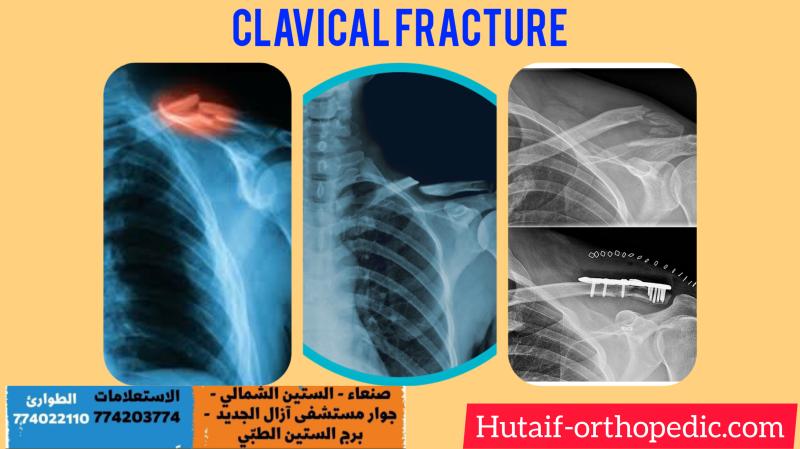
Introduction & Epidemiology
Clavicle fractures constitute a significant proportion of musculoskeletal trauma, representing approximately 2.6% to 5% of all adult fractures and up to 35-45% of all shoulder girdle injuries. These fractures exhibit a bimodal distribution, with peaks in incidence among young males (typically associated with high-energy trauma, e.g., sports injuries, motor vehicle accidents) and elderly females (often secondary to low-energy falls). The majority (75-80%) occur in the midshaft, followed by lateral (15-20%) and medial (2-5%) clavicle fractures. Historically, non-operative management was the mainstay for nearly all clavicle fractures, largely due to concerns regarding surgical morbidity and high union rates. However, evolving understanding of fracture biomechanics, improved surgical techniques, and superior implant technology, coupled with evidence demonstrating improved outcomes in specific fracture patterns, have shifted management paradigms towards operative intervention for select indications.
Surgical Anatomy & Biomechanics
Surgical Anatomy
The clavicle is a slender, S-shaped bone that serves as a bony strut connecting the appendicular skeleton of the upper extremity to the axial skeleton. It has a triangular cross-section medially, transitioning to an oval shape in the midshaft, and flattening laterally. Its unique S-shape provides elasticity and facilitates articulation at both ends.
-
Medial End (Sternal):
Articulates with the manubrium via the sternoclavicular (SC) joint, a synovial saddle-type joint. This joint is stabilized by strong ligaments:
- Anterior and Posterior Sternoclavicular Ligaments: Reinforce the joint capsule.
- Interclavicular Ligament: Connects the superior aspects of both clavicles, preventing superior displacement.
- Costoclavicular Ligament (Rhomboid Ligament): Extends from the first rib to the inferomedial clavicle, providing critical stability and restricting both medial and lateral clavicular motion.
-
Lateral End (Acromial):
Articulates with the acromion of the scapula via the acromioclavicular (AC) joint, a synovial plane-type joint. This joint's primary stability is provided by:
- AC Ligaments (Superior, Inferior, Anterior, Posterior): Reinforce the joint capsule.
- Coracoclavicular (CC) Ligaments: Consisting of the Trapezoid (lateral, quadrilateral) and Conoid (medial, conical) ligaments, these are critical for vertical stability of the AC joint and provide suspensory support for the scapula. The conoid ligament primarily resists posterior translation and superior displacement, while the trapezoid ligament resists anterior translation. Their attachment sites on the inferior aspect of the clavicle are crucial for lateral clavicle fracture stability.
- Midshaft: The narrowest and most common site of fracture.
-
Muscular Attachments:
- Superior Aspect: Trapezius (lateral 1/3), Sternocleidomastoid (medial 1/3). These muscles exert deforming forces, often leading to superior displacement of the medial fragment and inferior displacement of the lateral fragment in midshaft fractures.
- Inferior Aspect: Subclavius (midshaft), Conoid and Trapezoid parts of CC ligament.
- Anterior Aspect: Pectoralis major (medial 1/3), Deltoid (lateral 1/3).
- Posterior Aspect: Sternohyoid (medial 1/3).
-
Neurovascular Structures:
Critical structures lie inferior and posterior to the clavicle:
- Brachial Plexus: Inferior to the clavicle, specifically the cords, are vulnerable in severely displaced fractures or during surgical manipulation.
- Subclavian Artery and Vein: Pass posterior to the clavicle and are at risk, particularly with posterior displacement of medial clavicle fractures.
- Supraclavicular Nerves: Sensory nerves derived from the cervical plexus, superficial to the clavicle. They cross the surgical field and are susceptible to iatrogenic injury, leading to an area of numbness inferior to the incision.
- Mediastinal Structures: The pleura and great vessels are in close proximity to the medial clavicle and SC joint, making medial clavicle surgical approaches hazardous.
Biomechanics
The clavicle functions as a crucial strut, maintaining the constant length of the shoulder girdle and providing a stable platform for muscular attachments, thereby facilitating a wide range of shoulder motion. It acts as a mechanical link, transmitting forces from the upper extremity to the axial skeleton.
- Force Transmission: Direct trauma or indirect forces (e.g., fall onto an outstretched hand or directly onto the shoulder) are transmitted through the clavicle. The S-shape allows for limited elastic deformation and energy absorption.
- Stress Risers: The junction of the middle and outer thirds is the most common fracture site, likely due to a change in bone geometry, increased curvature, and transition from muscular to ligamentous support, creating a stress riser. The midshaft is also the weakest point in torsion.
- Deforming Forces: The pull of the sternocleidomastoid typically displaces the medial fragment superiorly. The weight of the arm and the pull of the pectoralis major and latissimus dorsi displace the lateral fragment inferiorly and medially (shortening).
-
Fracture Classification:
- Allman Classification (1967): Based on location (Group I: Middle Third, Group II: Distal Third, Group III: Medial Third). Most widely used for general categorization.
- Robinson Classification (1998): More comprehensive, subdividing Allman groups based on comminution, displacement, and articular involvement. Useful for guiding treatment decisions.
- Neer Classification (1968): Specifically for distal clavicle fractures (Group II, Allman). Type I (stable, lateral to CC ligaments), Type II (unstable, medial to conoid, lateral fragment superiorly displaced), Type III (intra-articular AC joint), Type IV (physeal), Type V (comminuted), Type VI (displaced inferiorly, rare). Neer Type II fractures have a high nonunion rate due to the pull of the sternocleidomastoid on the medial fragment and the unsupported distal fragment.
- OTA/AO Classification: Most detailed, alphanumeric system (15.1, 15.2, 15.3 for medial, midshaft, lateral respectively, with further subdivisions). Used for research and precise communication.
Indications & Contraindications
The decision between operative and non-operative management of clavicle fractures is based on fracture location, displacement, comminution, associated injuries, patient factors, and functional demands.
Non-Operative Indications
Non-operative management remains the preferred treatment for many clavicle fractures, particularly those with inherently stable patterns.
-
Midshaft Clavicle Fractures (Allman Group I):
- Minimally displaced fractures (e.g., <100% cortical apposition, <15-20 mm shortening).
- Stable fracture patterns without significant comminution.
- Patients with significant comorbidities precluding surgery.
- Patients with low functional demands.
-
Lateral Clavicle Fractures (Allman Group II):
- Neer Type I (stable, lateral to CC ligaments).
- Neer Type III (intra-articular AC joint involvement, typically stable unless significant displacement of articular segment).
- Neer Type V (comminuted, but if CC ligaments are intact and displacement is minimal).
-
Medial Clavicle Fractures (Allman Group III):
- Most medial clavicle fractures are managed non-operatively due to the typically low displacement potential and the significant surgical morbidity associated with approaches to this region.
Operative Indications
The trend towards operative fixation has increased due to improved outcomes demonstrated in specific fracture patterns, particularly displaced midshaft fractures.
-
Midshaft Clavicle Fractures (Allman Group I):
- Significant Displacement: Complete cortical displacement (>100% displacement).
- Significant Shortening: >2 cm of absolute shortening (some literature suggests >1.5 cm).
- Open Fractures: Requires debridement and stabilization.
- Neurovascular Compromise: Direct injury to subclavian vessels or brachial plexus (though rare, often a result of initial trauma rather than displacement per se).
- Threatened Skin: Severe tenting of the skin with impending perforation.
- Polytrauma Patient: Early stabilization to facilitate mobility and rehabilitation.
- Associated Scapular Neck/Glenoid Fracture (Floating Shoulder): Often an indication for clavicle fixation to restore the bony ring and improve scapular stability.
- Nonunion: Symptomatic nonunion.
- Acute Malunion: Symptomatic malunion with significant pain, limited ROM, or nerve impingement.
- Cosmetic Deformity: In highly selective cases where functional deficit is also present.
-
Lateral Clavicle Fractures (Allman Group II):
- Neer Type II: Unstable fracture medial to the conoid ligament insertion with superior displacement of the medial fragment and inferior displacement of the lateral fragment. High nonunion rate with non-operative management.
- Neer Type IV: Pediatric fractures with displacement of the distal fragment into the trapezius muscle, requiring open reduction and fixation.
- Neer Type VI: Inferior displacement of the clavicle, usually into subcoracoid space (rare).
- Significant Displacement and Instability: Any lateral fracture with substantial displacement and disruption of the CC ligaments.
-
Medial Clavicle Fractures (Allman Group III):
- Significant Displacement: Rare, but if gross displacement threatens mediastinal structures.
- Open Fractures.
- Neurovascular Compromise: Direct injury (extremely rare).
- Significant SC Joint Instability/Dislocation: Often requires ligament repair or reconstruction, or reduction and temporary stabilization.
- Symptomatic Nonunion: After failed non-operative management.
Contraindications
-
Absolute Contraindications:
- Active infection at the surgical site.
- Severe systemic comorbidities that preclude general anesthesia and surgical intervention.
-
Relative Contraindications:
- Poor skin condition or quality (e.g., severe burns, radiation dermatitis).
- Extensive comminution preventing stable fixation.
- Unrealistic patient expectations.
- Lack of surgeon experience with complex clavicle fixation techniques.
Table: Operative vs. Non-Operative Indications
| Fracture Type / Characteristics | Non-Operative Management | Operative Management |
|---|---|---|
| Midshaft Clavicle (Allman Group I) | - Minimally displaced (<100% cortical apposition, <2cm shortening) | - Significant displacement (>100% cortical apposition) |
| - Stable fracture patterns | - Significant shortening (>2cm) | |
| - Patient comorbidities precluding surgery | - Open fractures | |
| - Low functional demand | - Neurovascular compromise | |
| - Threatened skin integrity (impending perforation) | ||
| - Floating shoulder (concomitant ipsilateral scapular neck/glenoid fracture) | ||
| - Symptomatic nonunion or acute malunion | ||
| - Polytrauma patient requiring early mobilization | ||
| Lateral Clavicle (Allman Group II) | - Neer Type I (stable, lateral to CC ligaments) | - Neer Type II (unstable, medial to conoid ligament, high nonunion rate) |
| - Neer Type III (intra-articular, stable) | - Neer Type IV (pediatric, distal fragment displaced into trapezius) | |
| - Neer Type V (comminuted, if CC ligaments intact & minimal displacement) | - Neer Type VI (rare, inferior displacement) | |
| - Significant displacement/instability with CC ligament disruption | ||
| Medial Clavicle (Allman Group III) | - Most fractures (due to low displacement potential & surgical risk) | - Significant displacement threatening mediastinal structures |
| - Open fractures | ||
| - Neurovascular compromise (rare) | ||
| - Significant SC joint instability/dislocation requiring reduction and stabilization (e.g., posterior dislocation with mediastinal impingement) | ||
| - Symptomatic nonunion or failed conservative management with ongoing pain/dysfunction (consider surgical intervention with high caution due to complex anatomy and risk of complications) |
Pre-Operative Planning & Patient Positioning
Thorough pre-operative planning is paramount for successful outcomes and minimizing complications.
Pre-operative Imaging
- Radiographs: Anteroposterior (AP) view of the shoulder with 15-20 degrees cephalic tilt, true AP view of the clavicle (straight), and a 45-degree cephalic tilt view (serendipity view for medial fractures). An axillary view can help delineate displacement in the coronal plane for lateral fractures. Contralateral clavicle radiographs may be useful for pre-contoured plate selection or assessing shortening.
- Computed Tomography (CT) Scan: Essential for complex fracture patterns (comminution, intra-articular extension), nonunions, or medial clavicle fractures to assess displacement relative to mediastinal structures. 3D reconstructions are valuable for surgical planning.
- Magnetic Resonance Imaging (MRI): Rarely indicated for acute fractures but can be useful to assess associated soft tissue injuries, such as rotator cuff tears or labral pathology, in chronic settings or for specific ligamentous injuries.
- Angiography: If vascular injury is suspected (e.g., expanding hematoma, absent pulses, thrill/bruit), especially with posterior displacement of medial fractures or high-energy trauma.
Patient Education and Consent
Detailed discussion with the patient regarding the risks and benefits of both operative and non-operative management, including potential complications such as nonunion, malunion, hardware irritation, neurovascular injury, and infection. Informed consent should address expected functional recovery and rehabilitation requirements.
Equipment and Implants
- Plating Systems: 3.5 mm pre-contoured locking compression plates (LCPs) are most commonly used for midshaft and lateral clavicle fractures. Both superior and anterior-inferior plating options should be available. Low-profile plates are beneficial to reduce hardware prominence. Recon plates can be used for complex comminuted fractures.
- Screws: 3.5 mm cortical and locking screws of various lengths.
- Lag Screw Fixation: Consider for oblique fracture patterns.
- Intramedullary Devices: Although less common, flexible or rigid intramedullary nails are an option for simple transverse or short oblique midshaft fractures, though associated with higher hardware prominence rates.
- Suture Anchors/Button Devices: For coracoclavicular ligament reconstruction (e.g., "Dog Bone" button, cortical button systems) in Neer Type II lateral clavicle fractures.
- Bone Grafting: Autograft (iliac crest) or allograft may be required for atrophic nonunions or fractures with significant bone loss.
- Reduction Tools: Weber clamps, Verbrugge clamps, bone hooks, K-wires, joystick manipulators.
Anesthesia and Positioning
- Anesthesia: General endotracheal anesthesia is typically employed. Regional interscalene brachial plexus block can provide excellent post-operative analgesia but carries its own risks (e.g., phrenic nerve palsy).
-
Patient Positioning:
- Supine with a Shoulder Roll: The preferred position for midshaft and lateral clavicle fractures. A bump or towel roll placed longitudinally between the scapulae elevates the chest, allowing the shoulder to fall posteriorly. This provides excellent exposure, assists in reduction by allowing the fracture fragments to fall back into position, and facilitates visualization of the superior aspect of the clavicle.
- Beach Chair Position: Less commonly used for clavicle fractures, but an option. Offers improved visualization of the entire shoulder girdle, but reduction can be more challenging.
- C-arm Fluoroscopy: Ensure unrestricted access to visualize the entire clavicle in AP and lateral views.
- Sterile Prep: Extend from the neck to the mid-chest and beyond the ipsilateral arm, allowing free manipulation of the extremity during reduction. The arm should be draped free.
Detailed Surgical Approach / Technique
The goal of surgical fixation is to achieve anatomical reduction and stable internal fixation, promoting primary bone healing and early functional rehabilitation.
Incision and Superficial Dissection
-
Skin Incision:
- Midshaft/Lateral Clavicle: A transverse or slightly oblique incision centered over the fracture site (5-8 cm in length) is generally preferred along Langer's lines. A more curved or "lazy S" incision can also be utilized. The incision should be long enough to allow adequate exposure for reduction and plate application.
- Medial Clavicle: A curvilinear or transverse incision overlying the medial clavicle. Extreme caution is warranted due to the proximity of the great vessels and mediastinal structures.
-
Subcutaneous Dissection:
- Carefully incise the skin and subcutaneous tissues.
- Identify and protect the supraclavicular nerves, which typically cross the clavicle obliquely from superior-medial to inferior-lateral. These sensory nerves are highly susceptible to injury, leading to a patch of anesthesia/dysesthesia inferior to the incision. Gentle retraction or careful dissection to preserve them is crucial. If transection is unavoidable, the nerve ends can be buried into muscle to prevent painful neuroma formation.
- Platysma: Incise the platysma muscle (if present) in line with the skin incision.
-
Deep Dissection:
- Proceed through the subcutaneous fat to the level of the clavicle.
- Minimize periosteal stripping, especially at the fracture fragments, to preserve the periosteal blood supply, which is critical for bone healing. Elevate the periosteum just enough to allow reduction and plate application.
Internervous Planes
The approach to the clavicle is largely direct, not relying on specific internervous planes in the classical sense. The key is careful soft tissue handling:
*
Superior Approach:
Incision of skin, subcutaneous tissue, and platysma (if present). Retraction of supraclavicular nerves.
*
Inferior Approach (less common for plating):
Would involve dissecting through the attachments of pectoralis major and deltoid, potentially jeopardizing the subclavian vessels and brachial plexus, which are protected by the subclavius muscle. Thus, superior plating is generally safer.
Reduction
- Exposure: Expose the fracture fragments by careful subperiosteal elevation. Clear any hematoma and comminuted fragments that may impede reduction. Retain any butterfly fragments with soft tissue attachments if possible.
-
Fragment Manipulation:
- Midshaft: The medial fragment is typically pulled superiorly by the sternocleidomastoid, while the lateral fragment is displaced inferiorly and medially by the weight of the arm and adductor muscles.
-
Reduction Maneuvers:
- Traction on the arm in abduction and slight extension can help restore length.
- A bolster placed under the ipsilateral scapula can help push the lateral fragment superiorly.
- Direct manipulation using clamps (e.g., Weber clamp, Verbrugge clamp, point-to-point clamp) to grasp the main fragments.
- Joystick technique with K-wires inserted into the fragments can aid in rotational and translational alignment.
- Use of a towel clamp or specific bone reduction forceps to hold the fragments.
- Goal: Restore anatomical length, angulation, and rotation. Ensure good cortical apposition.
- Temporary Fixation: Once reduced, temporarily secure the fragments with K-wires (e.g., 1.6 or 2.0 mm) placed obliquely across the fracture line, or with reduction clamps. Confirm reduction with fluoroscopy.
Fixation
Plate Osteosynthesis (Most Common)
-
Plate Selection:
- Pre-contoured 3.5 mm Locking Compression Plates (LCPs): Preferred for their anatomical fit and stability, especially in osteopenic bone or comminuted fractures.
-
Plate Placement:
- Superior Plating: Most common and biomechanically superior for resisting bending moments. Place the plate on the superior aspect of the clavicle. Ensure it is not too proud, especially in thin patients, to minimize hardware prominence.
- Anterior-Inferior Plating: An alternative in specific cases, potentially less palpable but requires more challenging dissection, increasing risk to neurovascular structures. Biomechanically less robust against bending.
- Plate Length: The plate should be long enough to span the fracture with at least 2-3 bicortical screws (or 3-4 unicortical locking screws) in each main fragment, typically covering 6-8 cortices distal and proximal to the fracture.
-
Screw Insertion:
- Drilling: Use drill guides for accurate screw placement. For locking screws, ensure the drill guide is fully seated. For non-locking screws, overdrill the near cortex if planning lag screw effect.
- Screw Length: Measure meticulously with a depth gauge. Ensure screws are bicortical unless using locking screws in specific unicortical applications (e.g., to avoid neurovascular structures, though bicortical locking screws are generally preferred). Always ensure screw tips do not violate the inferior cortex excessively, especially medially, to avoid neurovascular injury.
- Lag Screw Principle: For oblique fractures, place a non-locking lag screw across the fracture line to achieve interfragmentary compression, then apply a neutralization plate.
- Sequence: Typically, secure one fragment first (e.g., distal), then achieve reduction, and secure the other fragment. Compress if a non-locking plate is used, or apply locking screws evenly.
Specific Considerations for Lateral Clavicle Fractures (Neer Type II)
- Challenge: The distal fragment is often small and lacks strong bony support, relying heavily on the CC ligaments. Neer Type II involves a fracture medial to the conoid ligament.
-
Techniques:
- Hook Plate: Historically used, but associated with high rates of subacromial impingement and required secondary removal. Less common now.
-
Plate with Coracoclavicular Ligament Repair/Reconstruction:
A combination of a distal clavicle plate (often a specific distal clavicle LCP) and CC ligament reconstruction/augmentation is common.
- A distal clavicle plate is applied to the lateral fragment.
- Suture anchors or a cortical button system (e.g., "Dog Bone" button) can be used to re-establish the coracoclavicular distance and stabilize the distal fragment to the coracoid. This can involve passing sutures around the coracoid or drilling a tunnel through the coracoid. This effectively reduces the lateral clavicle to the coracoid process.
- Allograft tissue can be used for CC ligament reconstruction in chronic cases or for significant tissue loss.
Intramedullary Fixation
- Indications: Primarily for simple transverse or short oblique midshaft fractures. Less soft tissue stripping, potentially smaller incision.
- Disadvantages: Higher risk of hardware migration, rotational instability, and hardware prominence at the entry or exit site. Not ideal for comminuted fractures.
- Technique: Antegrade or retrograde insertion of a flexible (e.g., Hagie pins) or rigid nail.
Medial Clavicle Fixation
- Approach: Extreme caution is required due to proximity to mediastinal structures. Rarely performed.
- Fixation: Small fragment plates, K-wires, or suture loops. K-wires should never be left proud and should be bent and buried to prevent migration into the mediastinum. CT guidance may be considered for screw length.
Wound Closure
- Irrigation: Copious irrigation of the surgical site.
- Hemostasis: Ensure meticulous hemostasis.
-
Layered Closure:
- Repair the platysma with absorbable sutures.
- Close the subcutaneous layer to minimize dead space and reduce tension on the skin.
- Skin closure with subcuticular sutures or staples.
- Dressing: Apply a sterile dressing.
Complications & Management
Complications following clavicle fracture fixation, though less common than with non-operative management of unstable fractures, can significantly impact patient outcomes.
Table: Common Complications, Incidence, and Salvage Strategies
| Complication | Incidence | Salvage/Management Strategies |
|---|---|---|
| Nonunion | 1-5% (operative); 5-15% (non-operative, high-risk fractures) | Symptomatic: Revision ORIF with plate exchange (stronger construct), bone grafting (autograft or allograft), and rigid fixation. Address underlying factors (smoking, infection). |
| Malunion | Variable (higher with non-operative) | Symptomatic (pain, impingement, nerve compression, significant cosmetic deformity): Corrective osteotomy and internal fixation. Asymptomatic malunions generally observed. |
| Hardware Prominence / Irritation | Up to 30% | Most common complication. If symptomatic (pain, skin irritation), hardware removal after documented fracture union (typically 12-18 months post-op). |
| Infection | 1-4% (superficial); <1% (deep) | Superficial: Oral antibiotics, local wound care. Deep: Surgical debridement, intravenous antibiotics, irrigation. If chronic and hardware-related, hardware removal (once union achieved or in conjunction with revision ORIF and re-implantation of new hardware after debridement and antibiotic course). |
| Neurovascular Injury | Rare (<1%) | Prevention: Meticulous surgical technique, careful dissection, appropriate screw length measurement, use of drill stops, intraoperative neuromonitoring/angiography if high risk. Management: Immediate surgical repair/consultation with vascular/neurosurgeon for lacerations or compression. |
| Pneumothorax | Rare (<0.1%), mainly with medial fractures | Prevention: Extreme care with drilling in medial clavicle. Management: Chest tube insertion if symptomatic or large. |
| Refracture | 2-10% (after hardware removal); <1% (with hardware in situ) | Prevention: Educate patients on gradual return to activity, particularly after hardware removal. Management: Re-fixation with more robust construct, consider bone grafting. |
| Surgical Site Hematoma | 1-5% | Conservative management (ice, compression) for small hematomas. Surgical evacuation for large or expanding hematomas, ensuring hemostasis. |
| Supraclavicular Nerve Injury | 10-20% (temporary numbness/dysesthesia); 1-5% (persistent) | Prevention: Careful dissection, gentle retraction, identification and preservation. Management: Mostly self-limiting. If persistent painful neuroma, local injection, rarely surgical excision/implantation into muscle. |
| Complex Regional Pain Syndrome (CRPS) | Rare (<1%) | Early diagnosis and multi-modal treatment including physical therapy, pharmacotherapy (NSAIDs, gabapentinoids, antidepressants), and pain management consultation. |
Post-Operative Rehabilitation Protocols
Post-operative rehabilitation is crucial for optimizing functional recovery and preventing stiffness while protecting the fracture site to ensure union. The protocol progresses in phases, guided by pain, clinical stability, and radiographic evidence of healing.
Phase 1: Immediate Post-Operative / Protection Phase (Weeks 0-2)
- Goal: Protect surgical repair, minimize pain and swelling, initiate early motion.
- Immobilization: Arm in a sling for comfort and protection. Patients are encouraged to remove the sling for hygiene and exercises.
- Weight-Bearing: No weight-bearing through the affected extremity.
-
Exercises:
- Pendulum Exercises: Gentle, pain-free circles with the arm.
- Passive Range of Motion (PROM): Elbow, wrist, and hand exercises immediately. Shoulder PROM (flexion, abduction, external rotation) within pain limits, avoiding extremes of motion and internal rotation. The unaffected arm can assist with PROM of the operated shoulder.
- Scapular Retractions: Gentle isometric scapular retraction exercises to improve posture and muscle activation.
- Wound Care: Maintain a clean, dry dressing. Monitor for signs of infection.
Phase 2: Early Mobility / Intermediate Strengthening Phase (Weeks 2-6)
- Goal: Gradually increase range of motion, begin isometric strengthening, maintain fracture protection.
- Sling Use: Wean from sling as pain allows, typically by 2-4 weeks post-op, or longer if a less stable fixation was achieved.
-
Exercises:
- Active-Assisted Range of Motion (AAROM): Progress from PROM to AAROM for shoulder flexion, abduction, and external rotation, respecting pain.
- Active Range of Motion (AROM): Begin AROM as tolerated, but avoid unweighted overhead movements or lifting.
- Isometric Strengthening: Initiate gentle isometric exercises for the deltoid, rotator cuff, and periscapular muscles (e.g., wall pushes, scapular squeezes).
- Light Resistance: Very light resistance bands or weights for elbow and wrist exercises.
- Restrictions: Avoid lifting anything heavier than a coffee cup. No pushing, pulling, or sudden movements.
Phase 3: Progressive Strengthening / Advanced Mobility Phase (Weeks 6-12)
- Goal: Restore full, pain-free range of motion; progressively increase strength; prepare for functional activities.
- Radiographic Assessment: Obtain follow-up radiographs to assess fracture healing. Clinical union usually confirmed by 6-8 weeks.
-
Exercises:
- Full AROM: Aim to achieve full, pain-free AROM in all planes.
- Progressive Isotonic Strengthening: Introduce light isotonic exercises for the shoulder girdle, gradually increasing resistance. Focus on rotator cuff, deltoid, pectoralis, and scapular stabilizers. Examples: rows, external/internal rotation with bands, shoulder press (initially light weight).
- Proprioception and Neuromuscular Control: Begin exercises to improve balance and coordination of the shoulder.
- Restrictions: Continue to avoid heavy lifting, contact sports, or activities that place excessive stress on the fracture site.
Phase 4: Return to Activity / Advanced Functional Training (Weeks 12+)
- Goal: Gradual return to full activities, including sport-specific or work-specific tasks.
- Radiographic Assessment: Confirm solid union.
-
Exercises:
- Advanced Strengthening: Progress to heavier weights and more demanding exercises.
- Sport-Specific or Work-Specific Drills: Begin activities relevant to the patient's hobbies or occupation, gradually increasing intensity.
- Plyometrics: For athletes, initiate plyometric exercises when appropriate.
- Return to Play/Work: Full return to contact sports or heavy manual labor typically occurs between 3-6 months post-operatively, provided there is radiographic evidence of solid union, full pain-free range of motion, and restored strength.
- Hardware Removal: Considered 12-18 months post-operatively for symptomatic hardware (e.g., prominence, pain) or for high-demand athletes to prevent refracture through stress risers, though the benefit of routine hardware removal is debated due to the risk of refracture and associated surgical morbidity.
Summary of Key Literature / Guidelines
The landscape of clavicle fracture management has evolved significantly, particularly concerning displaced midshaft fractures, largely driven by improved understanding of nonunion risks and enhanced operative techniques.
-
Non-Operative vs. Operative Management for Displaced Midshaft Clavicle Fractures:
- The landmark Canadian Orthopaedic Trauma Society (COTS) trial (2007) was pivotal. This randomized controlled trial compared operative fixation with plate osteosynthesis to non-operative management for displaced midshaft clavicle fractures. It demonstrated significantly improved functional outcomes (DASH scores) and a lower rate of symptomatic nonunion (4.3% vs. 17.3%) in the operative group. This study strongly advocated for surgical fixation for significantly displaced midshaft fractures.
- Subsequent meta-analyses and systematic reviews have largely supported the COTS findings, consistently showing that operative fixation of displaced midshaft clavicle fractures leads to lower nonunion rates, earlier return to function, and superior functional outcomes compared to non-operative treatment. The threshold for "significant displacement" often includes >2 cm of shortening or complete cortical displacement.
- Concerns with operative management include hardware-related complications (prominence, irritation), infection, and refracture after hardware removal. However, for appropriately selected displaced fractures, the benefits typically outweigh these risks.
-
Lateral Clavicle Fractures (Neer Type II):
- It is generally accepted that Neer Type II fractures have a high nonunion rate (up to 30-50%) with non-operative management due to the deforming forces acting on the small, distal fragment, which is often disconnected from the stabilizing coracoclavicular ligaments.
- Therefore, operative stabilization is widely recommended for displaced Neer Type II fractures to achieve union and optimize functional outcomes. Techniques involving direct plating of the distal fragment combined with coracoclavicular ligament repair or reconstruction (e.g., suture button techniques) have shown favorable results.
-
Medial Clavicle Fractures:
- These are rare, and due to the significant proximity to vital mediastinal structures, non-operative management remains the standard of care for most cases.
- Surgical intervention is reserved for specific, rare indications such as gross instability threatening mediastinal structures, open fractures, or symptomatic nonunion where non-operative measures have failed and surgical risks are deemed acceptable.
-
Hardware Removal:
- There is no universal consensus regarding routine hardware removal after clavicle fracture union.
- Indications for hardware removal typically include symptomatic hardware prominence or irritation, infection, or patient request.
- In high-demand athletes , hardware removal is sometimes performed electively to reduce the risk of refracture through screw holes, although refracture rates after hardware removal are not insignificant (2-10%). The decision should be individualized and discussed with the patient.
-
Current Guidelines and Trends:
- Current practice guidelines often recommend operative fixation for displaced midshaft clavicle fractures (e.g., >2 cm shortening or 100% displacement), unstable lateral clavicle fractures (Neer Type II) , open fractures, floating shoulders, and symptomatic nonunions.
- The evolution of surgical techniques, including the development of low-profile, pre-contoured locking plates, has improved hardware integrity and reduced complications, contributing to the shift towards operative management for appropriately indicated fractures.
- Continued research focuses on optimizing patient selection, implant design, and rehabilitation protocols to further enhance outcomes and reduce morbidity.
